


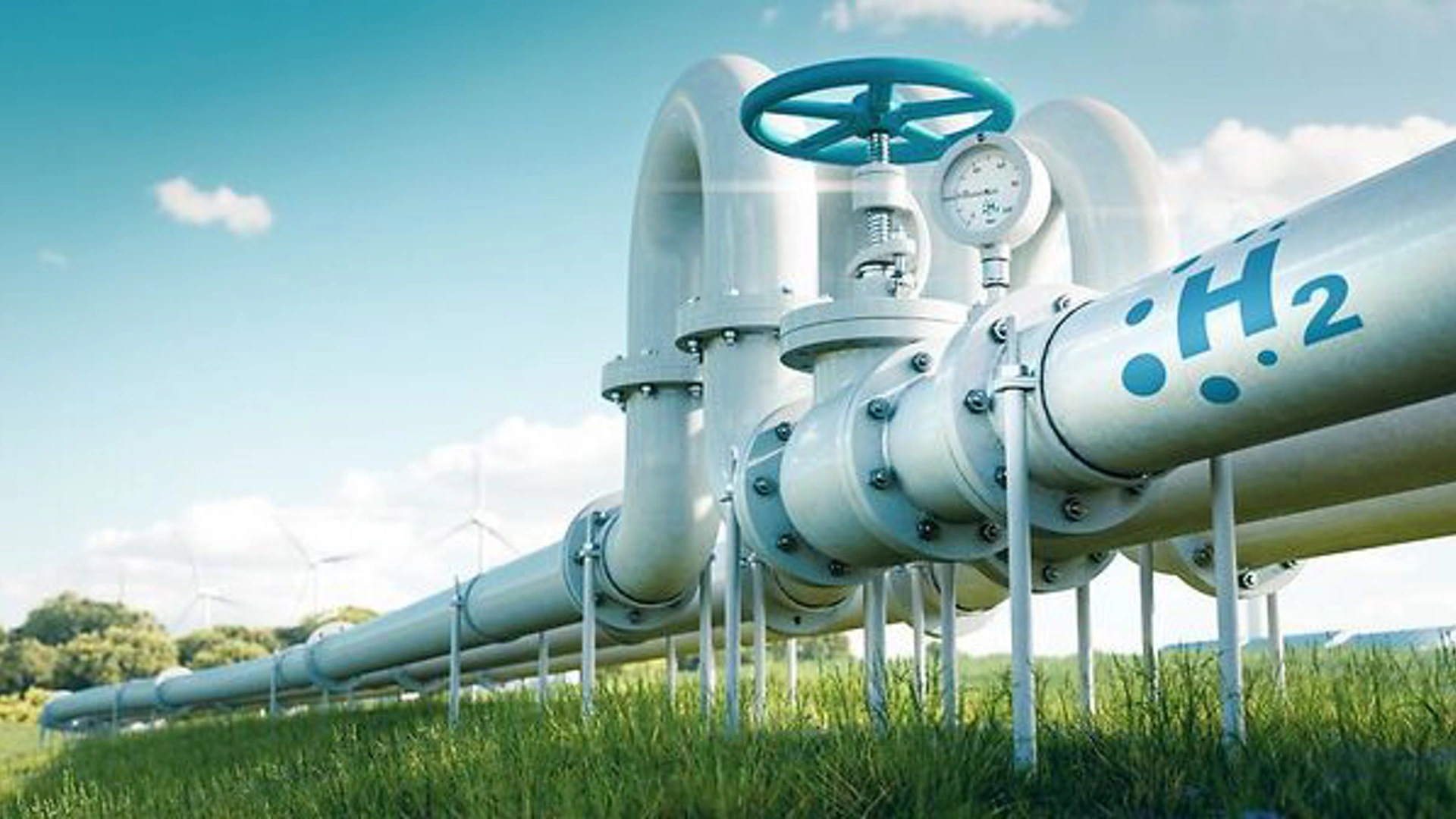
Enabling Safe, Precise, and Scalable Hydrogen Natural Gas Blending for a Lower-Carbon Energy Future
Implement reliable blending strategies with advanced technologies designed for safety, accuracy, and regulatory compliance
Emerson combines precision measurement, advanced safety systems, and real-time analytics to help utilities and gas operators implement safe, reliable, and regulation-ready hydrogen-natural gas blending solutions at scale.
Hydrogen Solutions in Action
Emerson’s solutions harness automation technology, software, and services to help industries achieve greater efficiency, enhanced safety, and sustainable operations in hydrogen production, transport, and usage.
Maintain Pipeline Network Safety with Leak and Early Detection
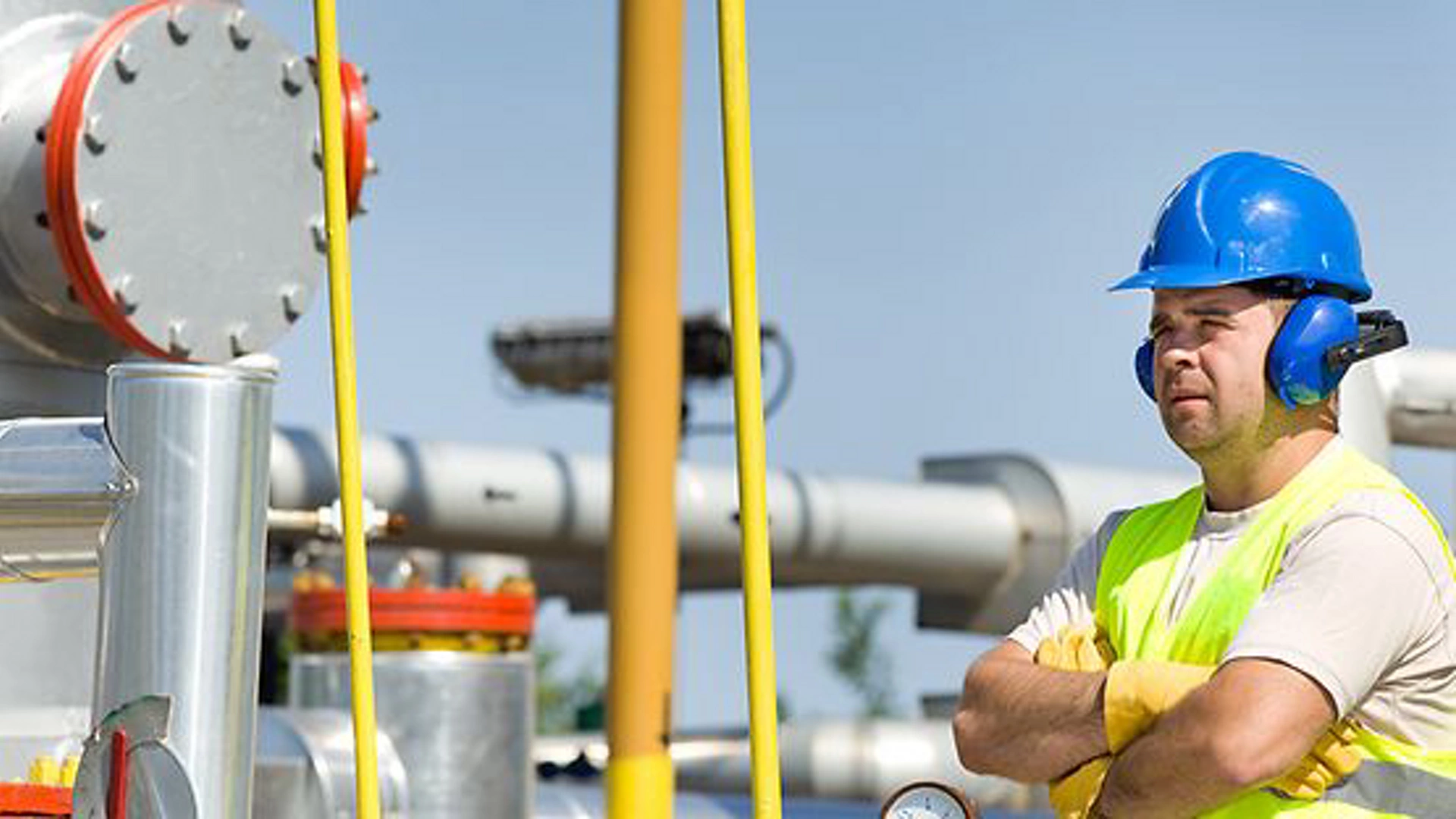
Blending hydrogen with natural gas is not new. Automation technologies have ensured operators maintain pipeline network and personnel safety through leak detection and mitigation of advanced risk due to early detection.
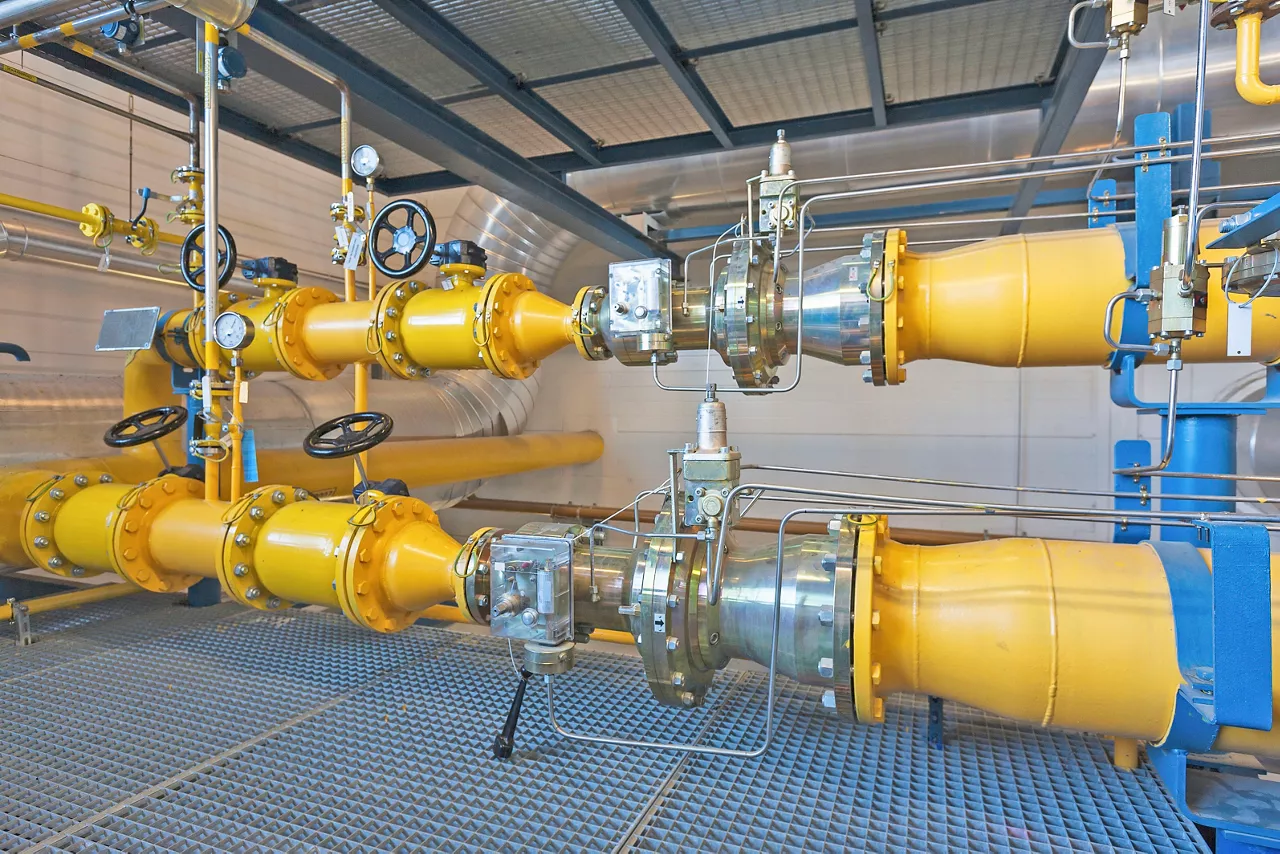
Pressure Regulators
Pressure regulating products for compressed air, natural gas, steam, fuel, propane, specialty gases, water, and other process fluids.
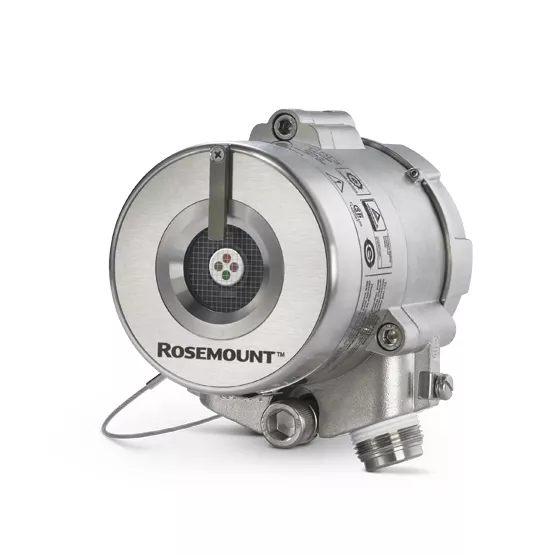
Rosemount Gas/Flame Detection
Protect life and property with Emerson’s Rosemount flame and gas detectors.
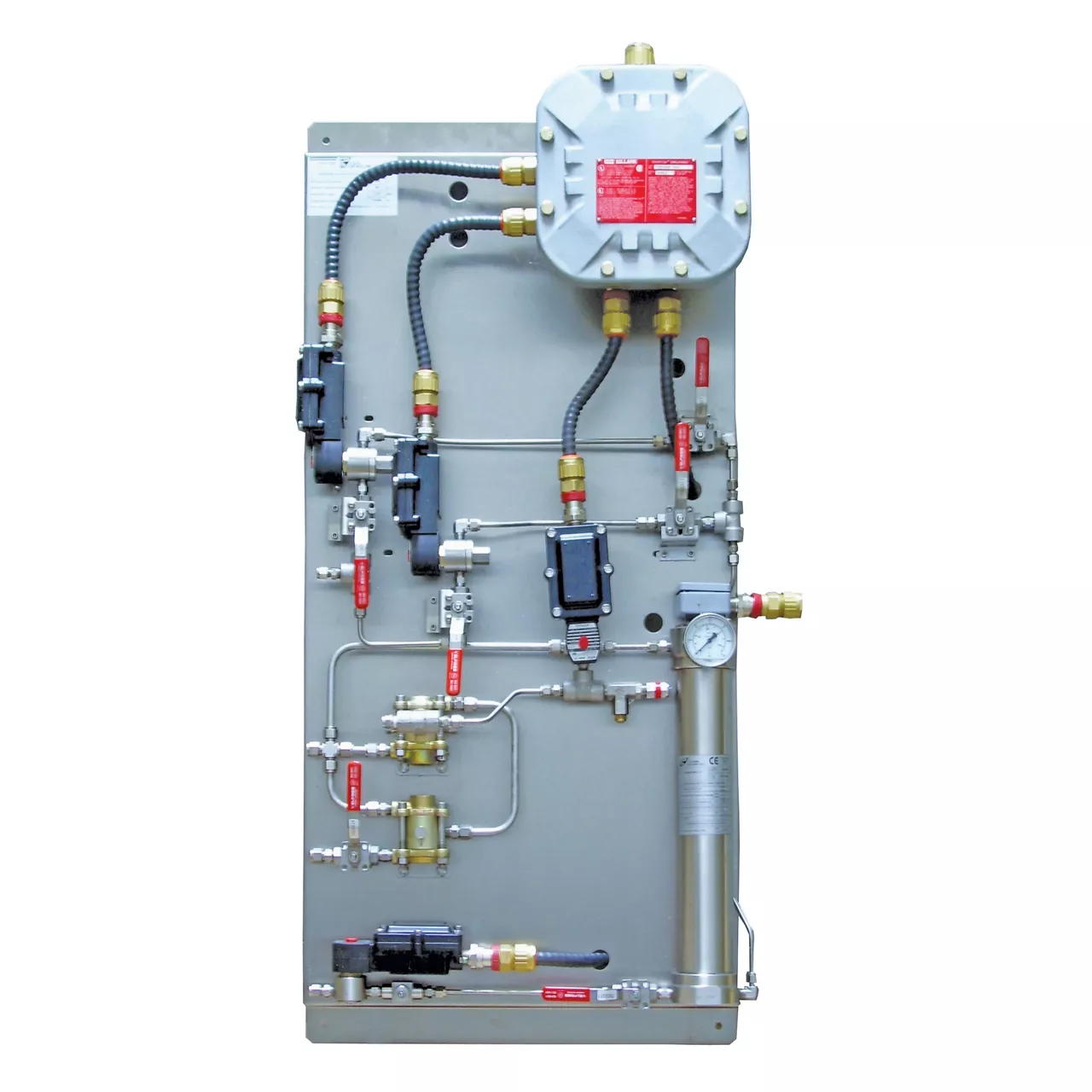
Odorant Injection
A computerized odorant injection system proportional to the gas flow rate that guarantees a very accurate dosing of odorant liquid.
Frequently Asked Questions (FAQs)
Hydrogen blending presents unique technical, safety, and regulatory challenges that utilities and gas operators must navigate carefully. This FAQ section provides clear, practical answers to common questions about blending technologies.
Hydrogen is most commonly blended with natural gas, such as biomethane. The amount of H2 in the blended gas can range from less than 1% to 30%, depending on the application and properties of existing gas infrastructure. Because of its far greater combustion efficiency, hydrogen produced from renewable energy sources can be injected into natural gas pipelines, and the resulting blends can be used to generate heat and power with lower emissions than using natural gas alone.
After natural gas is extracted from the earth and refined for use as a fuel, it typically enters a network of large transmission pipelines that carries it to cities and industrial facilities throughout a given geographical area. Hydrogen can then be injected into natural gas pipes through injection systems at practically any point along the transmission network or further downstream along individual cities’ smaller distribution lines that serve commercial and residential end users.
The limit on how much hydrogen can be blended with natural gas depends on several factors, including the design and materials used to construct the pipeline, the condition and operation of compressors and other critical equipment, and the design of applications like turbines and plastic manufacturing processes that burn natural gas. This is mainly due to how highly corrosive pure hydrogen is, which causes metal to become brittle, and the fact that it’s usually handled at very high pressures, which increases the risk of leaks and safety incidents.
Maintaining H2 purity and accurately measuring the flow of gas along the entire pipeline network are also essential for ensuring profitability and continuity of service. Furthermore, because the hydrogen in blended gas must come from renewable sources if the environmental impact of the fossil fuel components is to be offset, more investment, research, and collaboration among all stakeholders across the value chain is needed to further develop and scale up electrolysis and other green hydrogen technologies.
Advanced automation technologies improve the amount of control and awareness operators have over the blending process. Non-invasive corrosion monitoring systems, for example, can easily be tailored to the specific chemical and logistical requirements of blended gas pipelines, helping to streamline maintenance and ensure potential containment issues due to embrittlement or rubber corrosion are detected and addressed before any leaks or failures occur.
Automation also makes it more cost-effective to remotely control and monitor devices and equipment across long distances of pipeline. Flow meters and edge controllers paired with highly durable valves made of anti-corrosive materials ensure accurate hydrogen injection, while in-line gas chromatographs provide real-time BTU and chemical composition analysis, which makes it easier to optimize compression and combustion control and maintain the proper mixture of H2 and natural gas.