


Powering Safe, Accurate, and Scalable Hydrogen Refueling Solutions for the Clean Energy Transition
Enabling Confident Expansion of Hydrogen Refueling Infrastructure with Proven Precision and Safety Technologies
Emerson delivers the precision, safety, and reliability required for hydrogen refueling and dispensing—helping station builders and operators scale infrastructure with confidence and efficiency.
Hydrogen Solutions in Action
Emerson’s solutions harness automation technology, software, and services to help industries achieve greater efficiency, enhanced safety, and sustainable operations in hydrogen production, transport, and usage.
From Production to Fueling: Automating Compression, Storage, and Dispensing in Hydrogen Operations
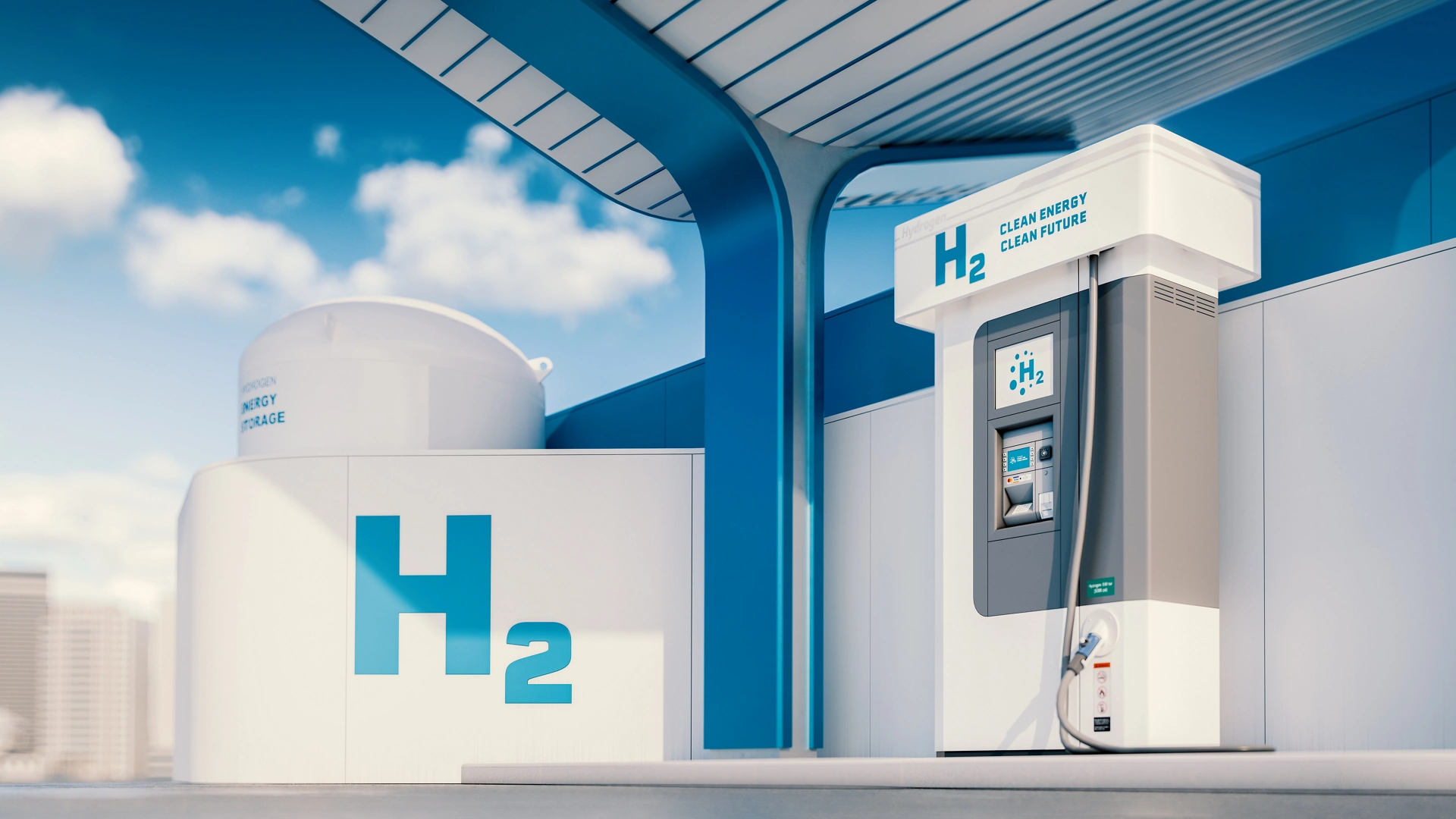
Monitoring, process control, and predictive analytics and solutions can be applied across the entire hydrogen value chain, including fueling stations. Automation technologies offer manufacturers and operators proven technology in compression, storage, and dispensing.
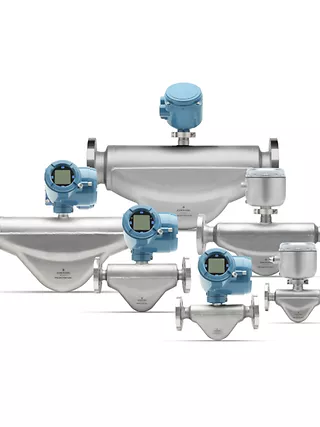
Micro Motion HPC015 Coriolis Meter
A stainless steel, high-pressure Coriolis flow meter ideal for handling high pressure applications.
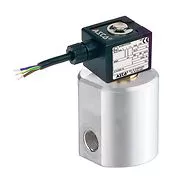
ASCO 291 High-Pressure 5000 psi CNG Solenoid Valve
The ASCO Series 291 line of high-pressure solenoid valves is designed specifically for compressed natural gas dispensing equipment.
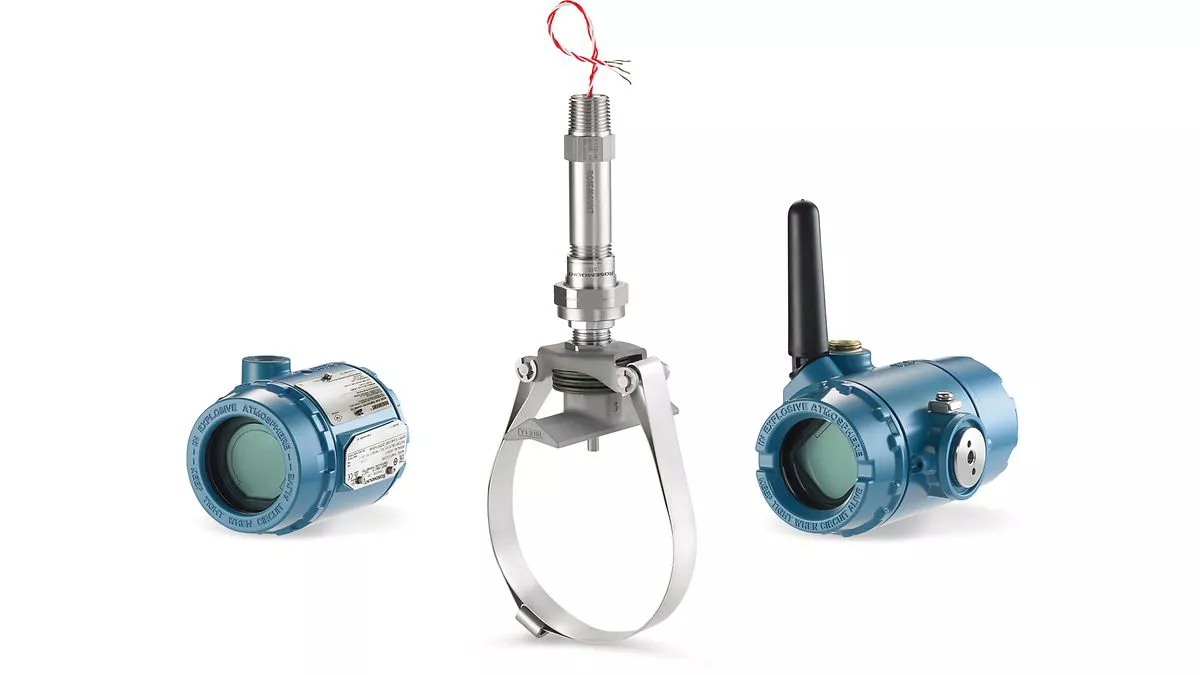
Rosemount X-Well Inhouse Technology
Emerson’s temperature measurement products provide innovative solutions for your most challenging applications
Frequently Asked Questions (FAQs)
Hydrogen refueling infrastructure involves complex technologies, safety protocols, and operational considerations essential to supporting the growing hydrogen mobility market.
Yes, hydrogen can be used to fuel cars, buses, trains, heavy trucks, military vehicles, ships, aircraft, and any other form of combustion-based transportation. So-called hydrogen vehicles, including hydrogen cars, use fuel cells to convert the chemical energy in the hydrogen molecule into mechanical energy. Combustion engines can also burn liquified hydrogen as a fuel, which today is most commonly used in rocketry. But liquid H2 can also power commercial and passenger vehicles that have engines designed for gas or diesel just as efficiently, after some required modification. The range and cost of hydrogen is comparable to gasoline, the major difference is that the exhaust from burning gas contains CO2 and hydrogen produces only water vapor.
A fuel cell is a compact (suitcase-size or smaller) electrochemical power plant that converts a continuous source of fuel and oxygen into electricity using chemical reactions rather than combustion. Hydrogen fuel cells generate electricity by changing the charge of hydrogen ions moving from the H2 fuel through an electrolyte (usually platinum) along with oxygen, where they react giving off electrons and water vapor. Fuel cells can produce electricity continuously if fuel and oxygen are supplied at the proper rate.
Hydrogen fuel cells are roughly twice as energy efficient (40%-60%) as the typical internal combustion engine of a car (25%), but without the greenhouse gas exhaust. They are also extremely lightweight and take up much less space, making it possible to increase the amount of fuel storage in a given vehicle. Plus, their service life is comparable to that of combustion engines.
Like all fuel cell technologies currently being developed, hydrogen fuel cells require precise measurement and control capabilities to ensure that the electrochemical energy conversion process is sustained with the proper flow rates and pressures, which are relatively high. The cost of making platinum electrolytes can also be high, although new methods to reduce the amount required are being developed.
Mobile automation solutions, such as logic controllers, solenoid valves, and pressure regulators, are reliable and durable enough to ensure that the optimum levels of hydrogen and oxygen under the right pressure are fed to the fuel cell. Because each application is different and the safety concerns given the pressures involved, these technologies are scalable and rated for everything from passenger cars to cargo vessels and everything in between.
For drivers, hydrogen filling stations are similar to traditional gasoline filling stations with hand-operated pumps. But the station itself is a high-tech facility that turns hydrogen gas stored in holding tanks into engine-ready ionic liquid H2 by condensing it under extremely high pressure using compressors. The liquid must be kept at -40 degrees Celsius (-40 Fahrenheit) after it is compressed so that it does not convert back to gas before it is dispensed.
Advanced automation technologies, such as Coriolis mass flow meters with 0.5% accuracy, microprocessor-based controllers that allow precise algorithmic pressure control, long-distance hydrogen flame detectors, non-intrusive temperature sensors rated for extreme cold, and valves able to handle high operating pressures of up to 15,000 pounds per square inch, have all been developed specifically to suit hydrogen fueling applications, helping to make them safer, easier to maintain and more commercially viable as an alternative to gas stations.