


Maximize Performance, Minimize Energy Waste
Drive efficiency and reliability through advanced diagnostics and control
Process industries rely on heat exchangers to transfer thermal energy efficiently. However, factors like fouling, fluid leakage, and control instability can degrade performance over time. With modern instrumentation and digital automation, operators can continuously monitor key parameters, detect performance issues early, and respond proactively. This data-driven approach helps extend equipment life, reduce maintenance costs, and optimize heat recovery, contributing to sustainability goals and operational excellence.
Heat Exchanger Efficiency Solutions in Action
Process industries rely on heat exchangers to transfer thermal energy efficiently. However, factors like fouling, fluid leakage, and control instability can degrade performance over time. With modern instrumentation and digital automation, operators can continuously monitor key parameters, detect performance issues early, and respond proactively. This data-driven approach helps extend equipment life, reduce maintenance costs, and optimize heat recovery, contributing to sustainability goals and operational excellence.
Characterizing Performance
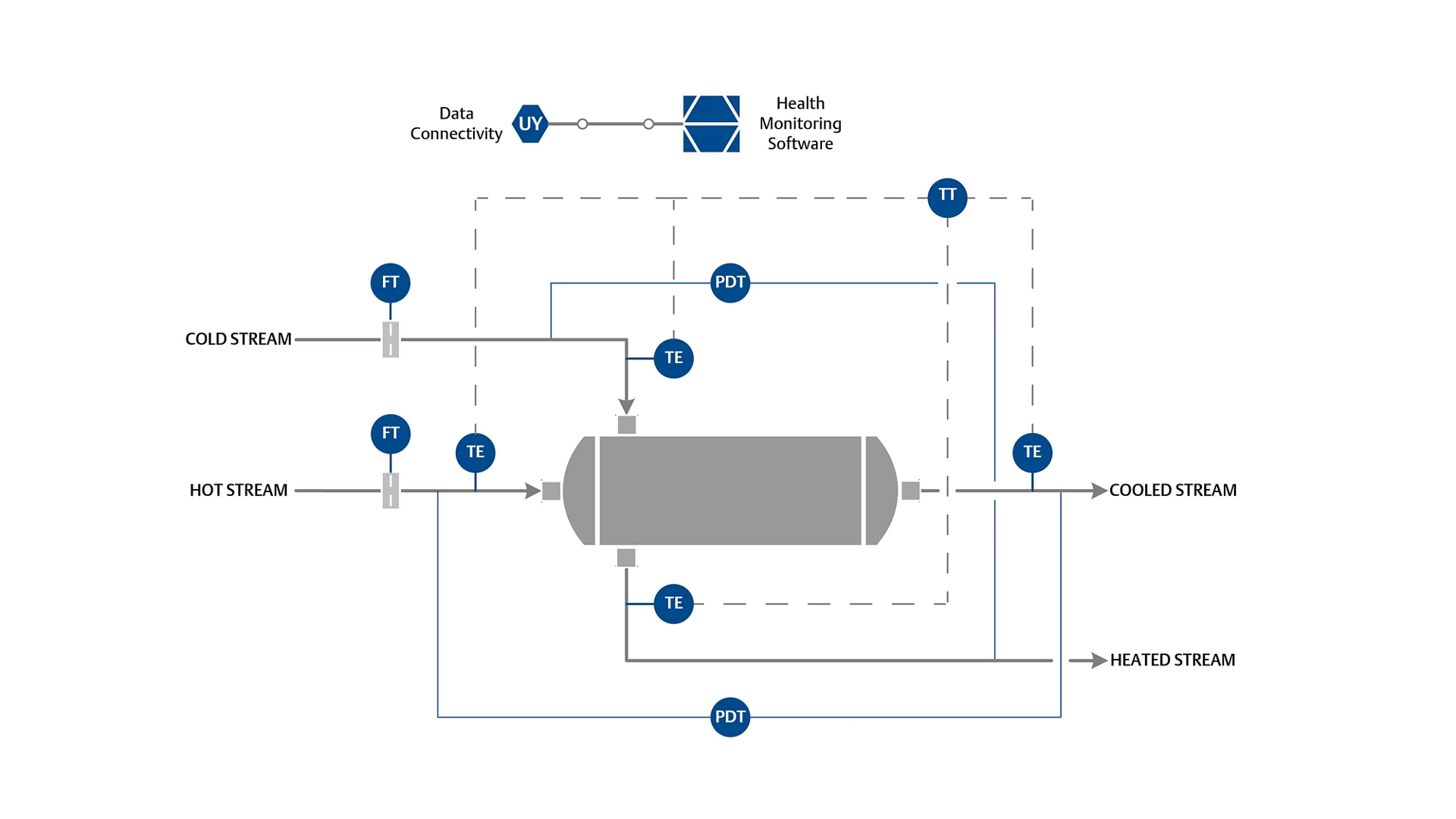
To understand the efficiency of a heat exchanger, monitoring the energy balance across that unit is required. Using data from a few strategically placed measurement instruments will allow you to establish benchmarks and monitor process efficiency over time.
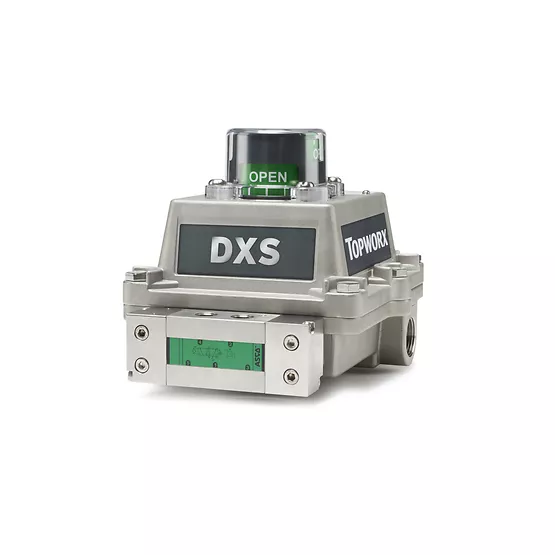
TopWorx™ D-Series Discrete Valve Controllers
Enable precise valve monitoring and reliable feedback in demanding environments.
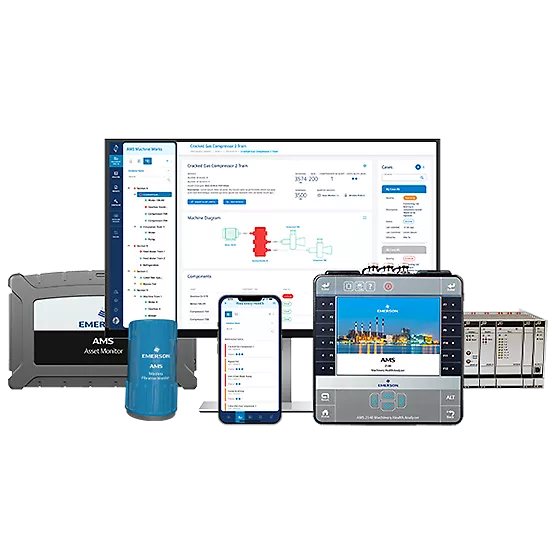
Online Condition Monitoring Solutions for Mechanical Assets
Deliver continuous performance insights to identify wear or failure risks early.
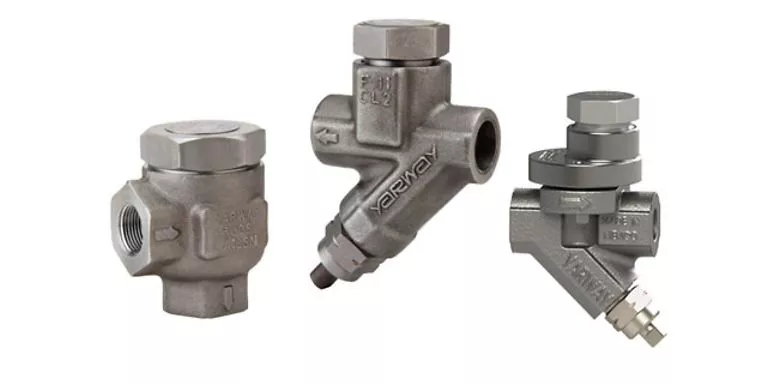
Yarway™ Steam Traps
Protect against condensate buildup and ensure efficient thermal transfer.
Business Groups in Heat Exchanger Efficiency
Heat exchanger efficiency is supported by a range of technologies across multiple business groups. From precise measurement tools to advanced control systems and robust actuation, each group brings unique capabilities that contribute to safe, reliable, and efficient operation. Discover how integrated expertise can solve complex heat transfer challenges across industries.
Automation Systems
Measurement Instrumentation
Frequently Asked Questions (FAQs)
Discover insights into common questions about how to enhance heat exchanger performance, reduce fouling, and extend equipment life. Learn how Emerson’s advanced measurement, control, and diagnostics technologies help maximize heat transfer efficiency, improve energy utilization, and support predictive maintenance strategies.
To determine if a heat exchanger is leaking, conduct a visual inspection for signs of fluid or gas leakage, monitor for abnormal pressure drops or temperature variations, perform dye or tracer tests, consider visualizing techniques like UV light or thermal imaging, and utilize specialized leak detection analytical devices for detecting contamination such as conductivity or pH. Taking immediate action is important to address leaks, as they can reduce efficiency, increase energy consumption, and create safety risks.
There are many types of heat exchangers, but the most common ones include shell and tube heat exchangers, plate heat exchangers, finned tube heat exchangers, and plate-fin heat exchangers. The type of heat exchanger used depends on the specific application and requirements.
Heat transfer in a heat exchanger is calculated using Q = M * Cp * ΔT, where Q is the heat transfer rate, M is the mass flow, Cp is the specific heat capacity, and dT is the temperature difference.
The heat transfer rate in a heat exchanger is typically calculated using the equation Q = U * A * ΔT, where Q is the heat transfer rate, U is the overall heat transfer coefficient, A is the surface area for heat exchange, and ΔT is the log mean temperature difference (LMTD) between the two fluids.
Fouling refers to the accumulation of unwanted material on the surfaces of the heat exchanger. This can reduce heat transfer efficiency, increase pressure drop, and lead to premature failure of the exchanger. Eliminating fouling helps reduce energy consumption.