

Dynamic Training for Dynamic Operations
Strengthen workforce skills with simulation-driven training designed for real-world success
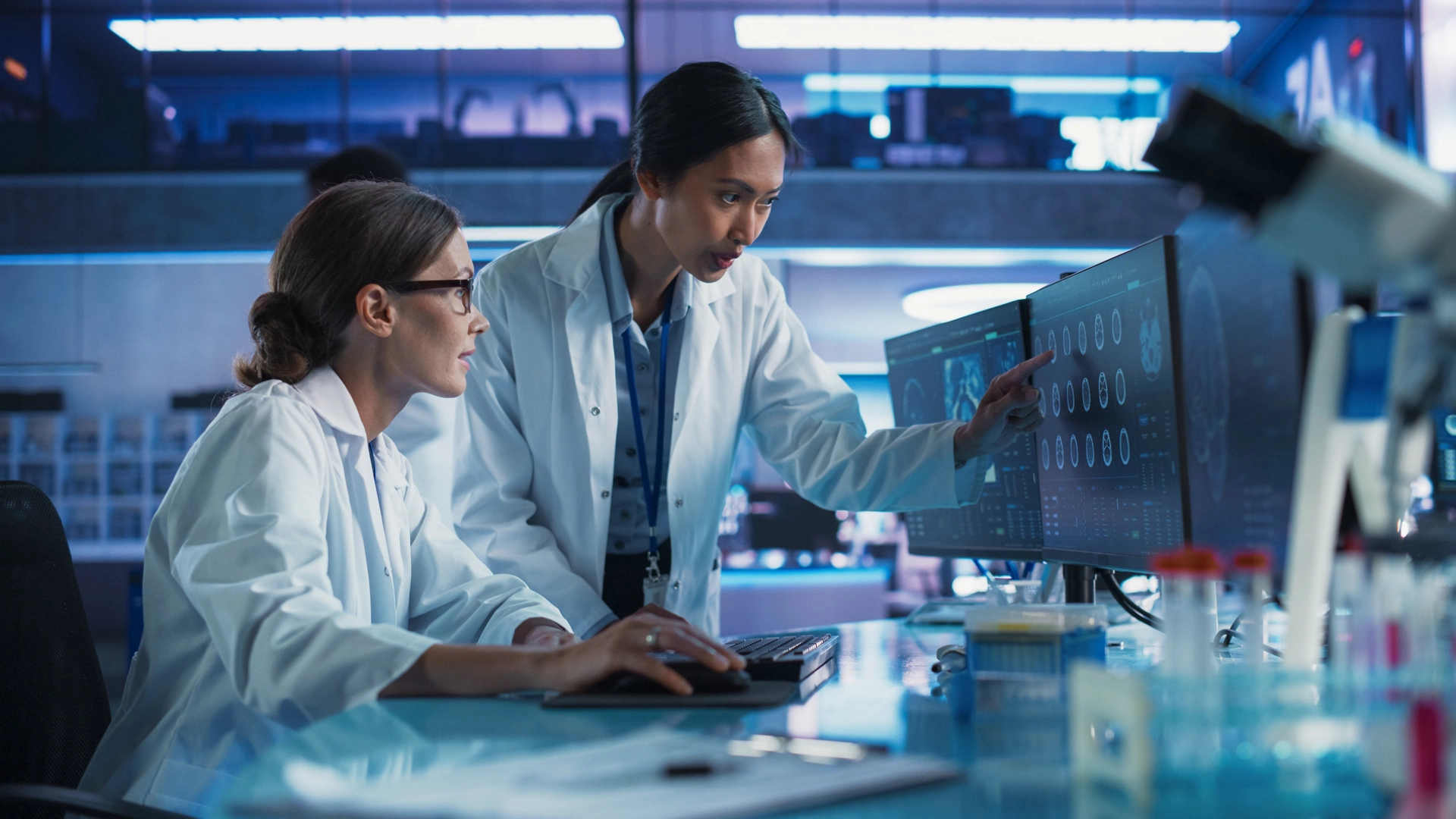
Modern training tools go far beyond traditional classroom methods. Today’s workforce requires hands-on experience in safe, risk-free environments. Dynamic simulation technologies offer virtual replicas of actual plant operations, allowing operators and engineers to practice procedures, respond to scenarios, and build muscle memory before stepping into live systems. These training platforms improve startup readiness, enhance safety culture, and shorten learning curves for new hires and seasoned staff alike.
Personnel Training Solutions in Action
From plant startups to emergency response, every operator decision matters. With advanced training platforms that mimic real operating conditions, companies can reinforce best practices, assess performance, and ensure readiness under any condition. Whether onboarding new team members or advancing experienced personnel, these solutions turn training into a continuous improvement strategy.
Accelerate Operator Readiness Through Simulation
DeltaV Mimic provides accurate and real-time simulation of plant behaviors. Made for the end-user or integrator with process automation experience, not just simulation experts, Mimic integrates easily and automatically with your off-line control system. Create a digital replica of your facility to gain insights and deliver value across the lifecycle of your facility.
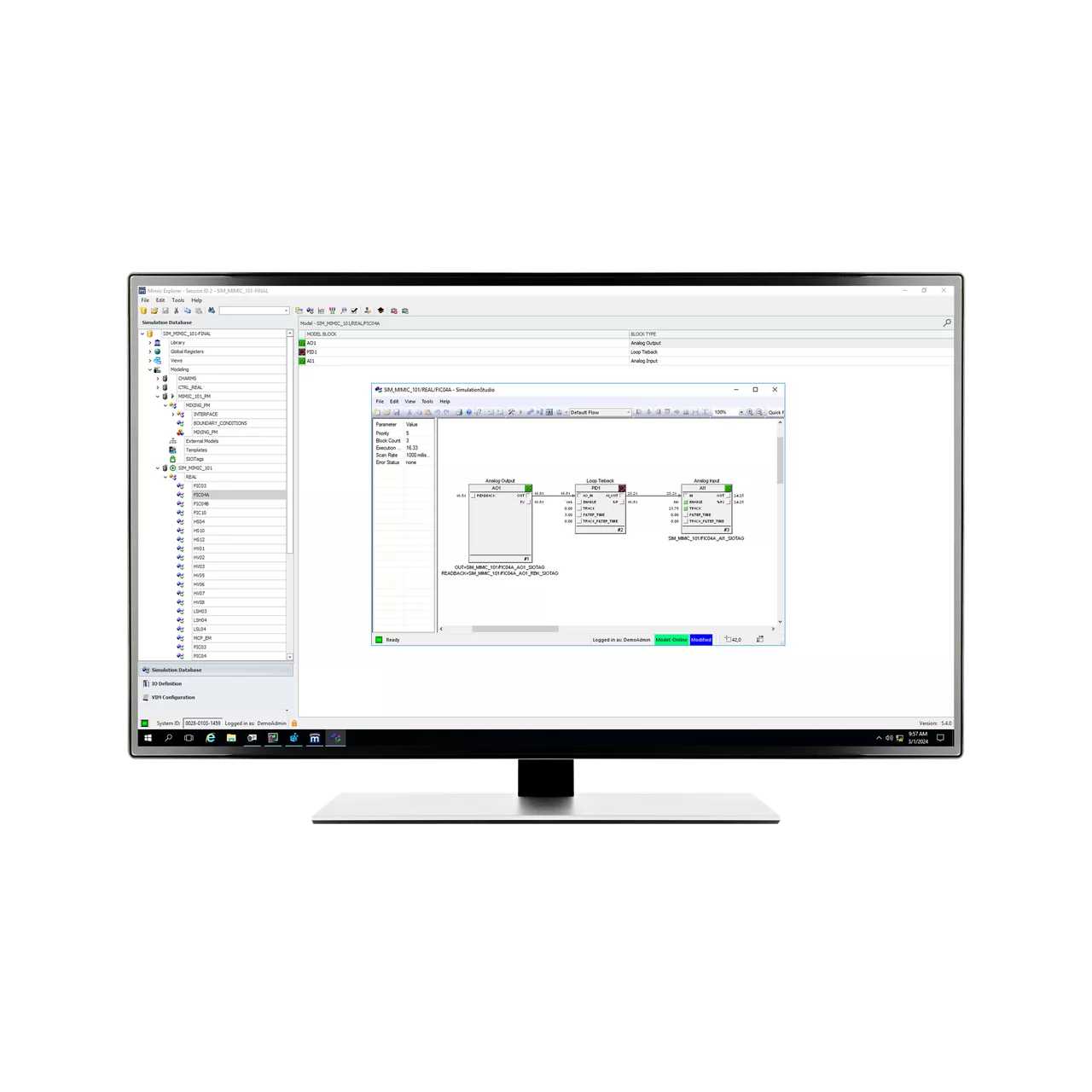
DeltaV™ Mimic Foundation
Accelerate training and improve response time with a real-time simulation platform that mirrors your plant’s operations. Mimic Foundation allows teams to learn in a safe environment, gain experience across scenarios, and refine procedures before they impact production.
Solution-Related Documents for Personnel Training
Access strategic resources to support the development and execution of a comprehensive personnel training program. These materials help align workforce capabilities with operational goals, ensuring consistent performance, faster onboarding, and sustained compliance in regulated life sciences environments.
Business Groups in Personnel Training
Effective personnel training requires contributions from across the technology spectrum. Whether it’s process control systems, measurement devices, or testing platforms, each business group plays a key role in enabling a high-performance, well-trained workforce. Explore how our capabilities support every stage of workforce development and operational readiness.
Automation Systems
Frequently Asked Questions (FAQs)
Explore frequently asked questions about personnel training in the advanced therapy medicinal products (ATMPs) segment. Learn how structured training programs and digital tools support regulatory compliance, operational readiness, and workforce effectiveness in this highly specialized field.
Personnel training in ATMP manufacturing involves equipping staff with the knowledge and skills necessary to handle complex, highly regulated processes such as aseptic techniques, cleanroom protocols, and batch record execution.
ATMPs involve high-risk, small-batch therapies where human error can impact patient safety. Specialized training ensures operators follow procedures precisely, reducing the risk of contamination and deviations.
Inadequate training can lead to procedural errors, regulatory violations, and compromised product quality. For ATMPs, these issues can significantly delay production and put patient outcomes at risk.
Yes. Role-based training ensures that each team member is equipped for their specific responsibilities—from cleanroom operators to QA personnel—enhancing efficiency and reducing cross-functional risk.
Ongoing training helps staff adapt to changing procedures, new technologies, and evolving regulatory expectations. It supports continuous improvement and reduces onboarding time for new team members.
Digital systems centralize training records, automate requalification alerts, and link training status to production tasks—ensuring only qualified personnel are authorized to perform specific activities.