




Modern Wireless Infrastructure for Life Sciences
Future-ready connectivity for evolving biotechnology and pharmaceutical operations
Life sciences manufacturers face continuous pressure to improve production efficiency, ensure product quality, and maintain strict regulatory compliance. Wireless solutions enable real-time data collection, equipment monitoring, and process optimization—without the constraints of hardwired systems. Whether supporting cleanroom operations, batch record integrity, or mobile workforce access, these technologies empower scalable, secure, and intelligent manufacturing environments tailored for life sciences.
Wireless Solutions in Action
Wireless technologies bring agility to life sciences operations—especially in facilities where scalability and cleanliness are critical. By removing the limitations of traditional wiring, teams can easily expand sensor networks, track critical equipment performance, and optimize batch and manufacturing execution processes. Real-time insights delivered through robust wireless infrastructure support faster decision-making, reduced downtime, and more efficient validations.
Monitor Equipment Health Without Wires

Leverage wireless predictive maintenance solutions to continuously monitor equipment health with real-time data—freeing you from the limitations of wired systems. This proactive approach enables early detection of potential issues, reduces unplanned downtime, and optimizes maintenance schedules. The result is improved asset reliability, cost efficiency, and sustained operational excellence within regulated life sciences environments.
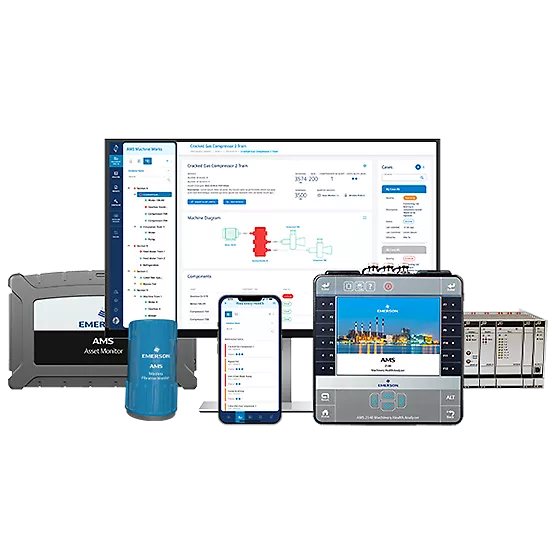

Business Groups in Wireless
Unlock the full potential of wireless technologies through deep cross-disciplinary expertise. Each business group brings specialized capabilities—helping you deliver safe, compliant, and future-ready operations. From smart instrumentation to automation platforms, explore how each business unit contributes to a connected, flexible, and intelligent wireless ecosystem.
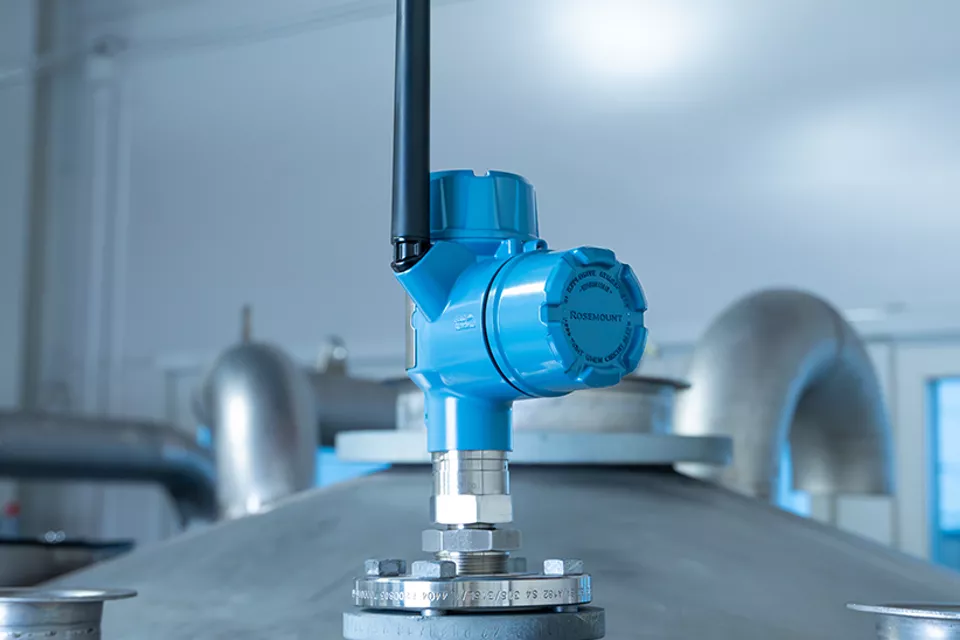
Measurement Instrumentation

Automation Systems
Frequently Asked Questions (FAQs)
Explore frequently asked questions about wireless technologies in biotechnology manufacturing. Learn how wireless solutions enhance flexibility, reduce costs, and support digital transformation while maintaining compliance in regulated environments.
Wireless technology enables faster installation, greater scalability, and improved access to process and asset data without the need for extensive cabling infrastructure.
Wireless sensors monitor equipment conditions like vibration and temperature in real time, helping detect failures early to prevent unplanned downtime in critical systems.
Absolutely. Wireless devices are designed to meet cleanroom requirements and can reduce physical cable clutter, which simplifies cleaning and reduces contamination risk.
Wireless batch control supports faster deployment and easier reconfiguration of control points, which is especially valuable during pilot phases and process scale-up.
Wireless is ideal for applications such as remote monitoring, mobile equipment, hard-to-reach sensors, temporary installations, and expanding facilities without adding infrastructure.
Industrial wireless networks are engineered to maintain high reliability across large facilities, even with complex layouts and high levels of interference.