


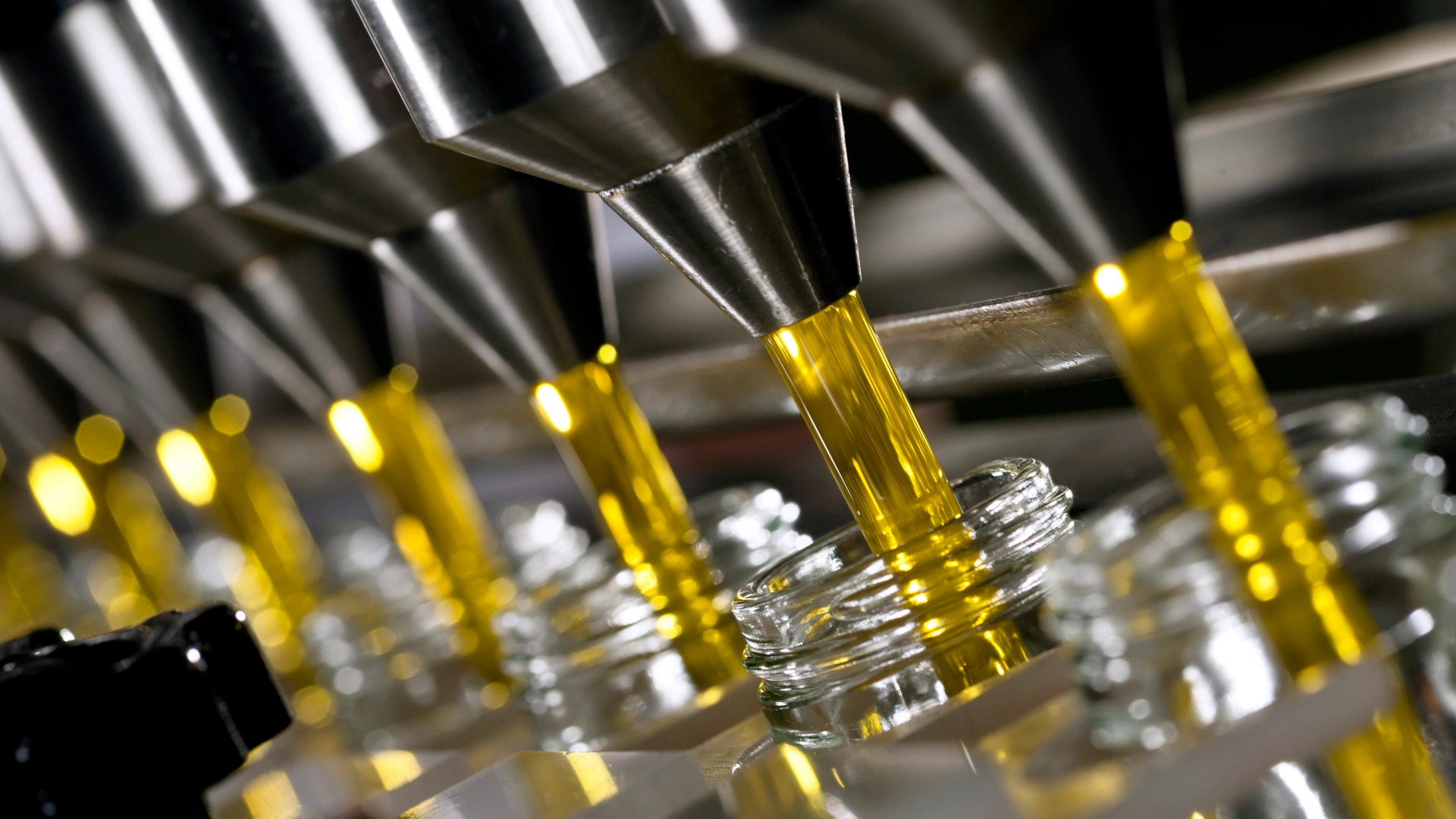

Precision-Controlled Fill Finish Solutions
Enable consistent, sterile liquid fill and finish operations
In the demanding environment of pharmaceutical fill finish operations, even minor deviations can compromise quality or compliance. With intelligent control technologies, hygienic valves, motion systems, and validated power solutions, manufacturers can seamlessly manage filling, closure, leak detection, and packaging. Scalable architectures and modular automation ensure reliable performance across a variety of container types, while integrated data management supports audit readiness and quality assurance.
Liquid Fill Finish Solutions in Action
Filling and packaging operations must achieve both high throughput and exceptional quality. Our integrated technologies help manufacturers achieve repeatable dosing, sterile transitions, and secure closure in aseptic environments. From precision flow control to IP67-rated electrical components, these solutions empower teams to meet regulatory demands, reduce batch variability, and maintain process integrity in real time.
Optimize Fill Accuracy With Intelligent Automation
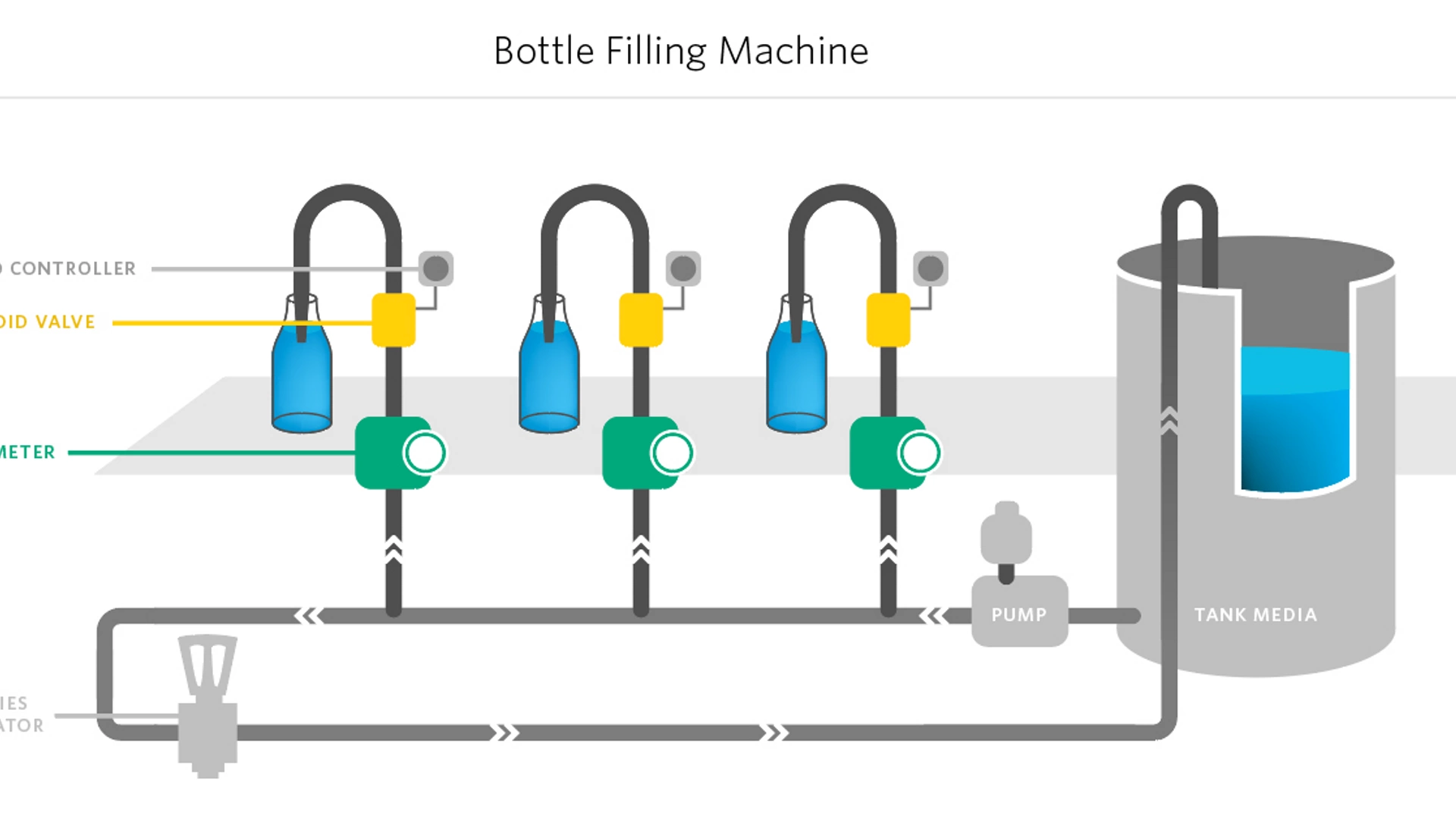
Emerson valves, regulators and flow meters manage the bottle filling process and ensure optimal cycle times. Single-stage regulators perform consistently for purging, blanketing, high-flow inserting, heat-treating, and shielding gas during the bottle filling process. Compact, automated mass flow meters allow for fast fills. By measuring volume levels by mass, not weight, bottle filling is more precise and controlled. Accurate to .05%, the approach reduces costly under-fill penalties and waste to deliver significant savings over the life of the flow meter.
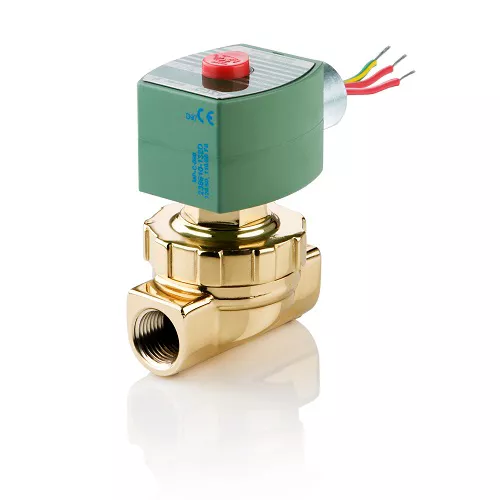
ASCO™ Solenoid Valves
High-speed, cleanroom-grade solenoid valves for precise control in aseptic environments.
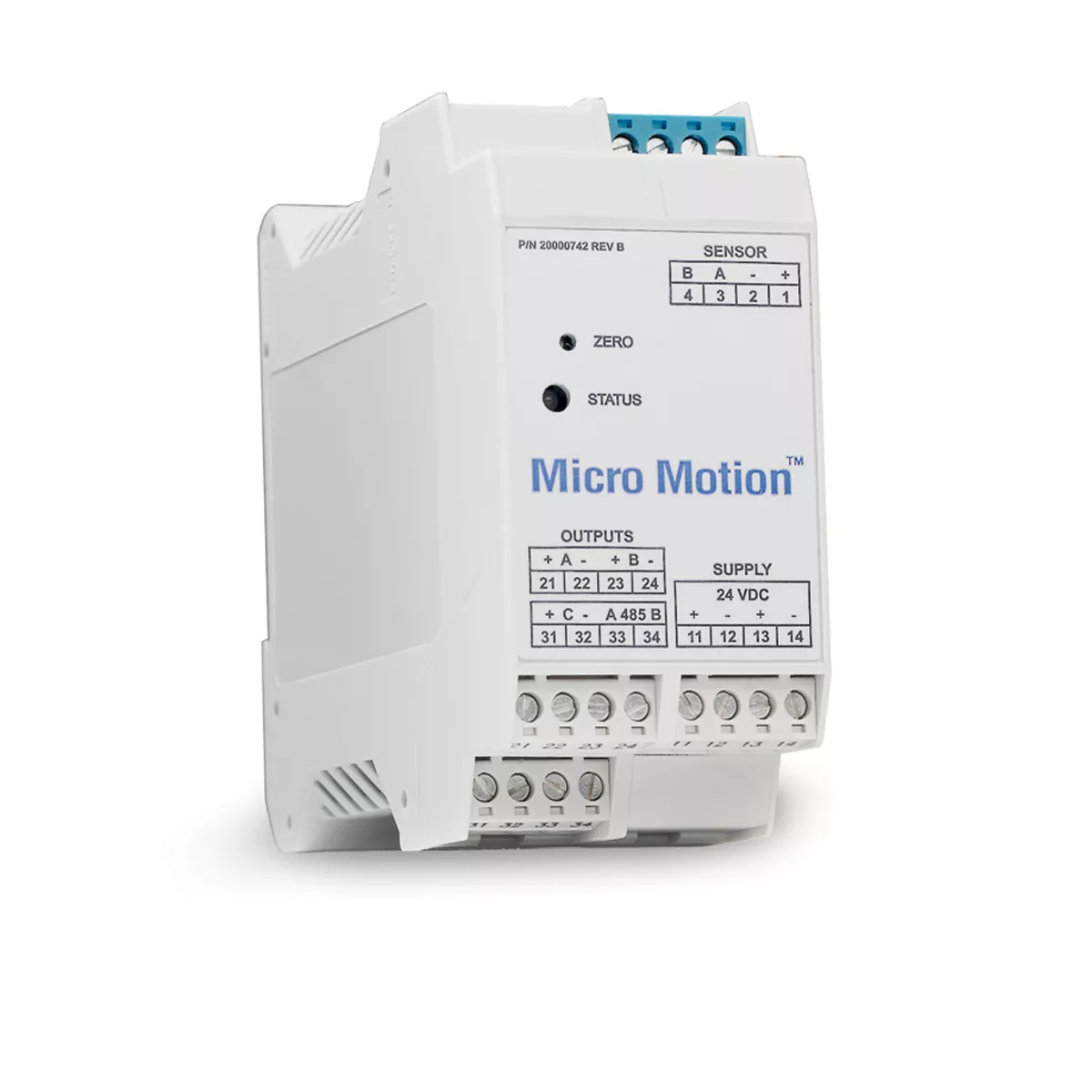
Micro Motion™ 1500 Compact Filling Transmitter
Compact DIN rail-mounted transmitter with MVD digital processing delivers precise, real-time fill control and measurement integrity even during entrained gas and batching-from-empty conditions.
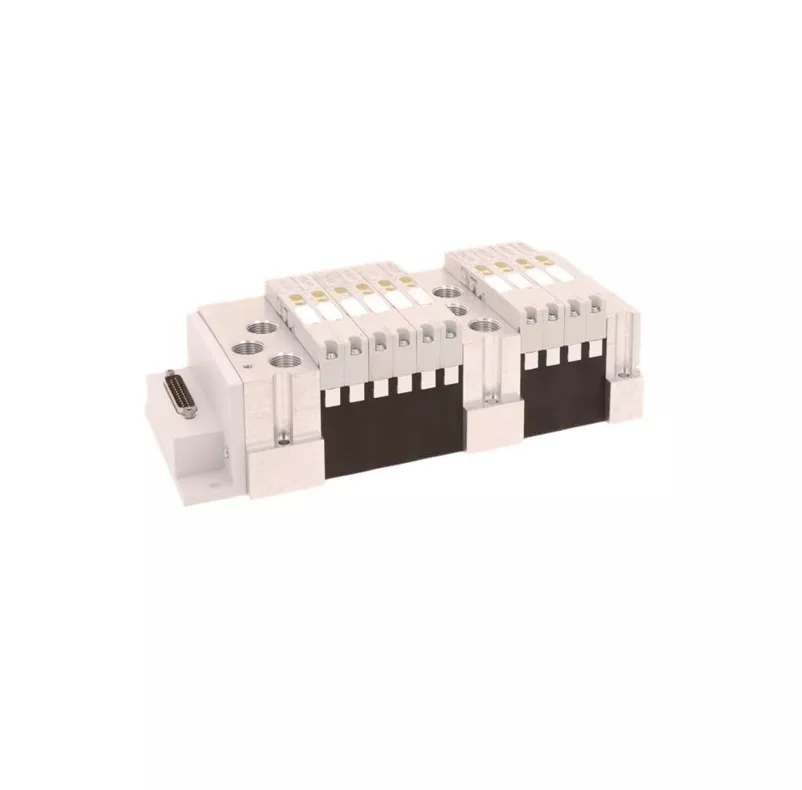
AVENTICS™ Valve System Series AV-BP
This modular valve system is designed for flexible integration in compact automation platforms.
Solution-Related Documents for Liquid Fill Finish
Access technical guides, case studies, and product specifications focused on liquid fill-finish processes. These resources highlight Emerson’s solutions for precise dosing, contamination control, and regulatory compliance—helping manufacturers ensure product integrity and operational efficiency in sterile drug production.


Business Groups in Liquid Fill Finish
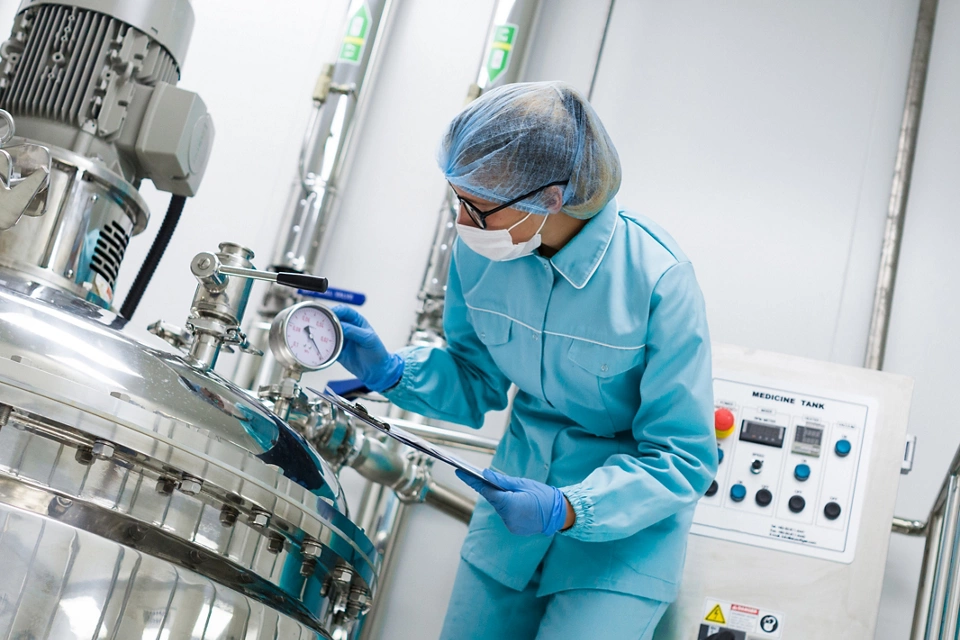
Liquid fill finish requires a collaborative technology approach that spans control systems, pneumatics, final control, and environmental compliance. Our business groups bring deep domain knowledge and product innovation to every step of the process, supporting aseptic production, real-time monitoring, and responsive maintenance strategies.

Discrete Automation
Measurement Instrumentation
Frequently Asked Questions (FAQs)
Explore frequently asked questions about liquid fill finish operations in pharmaceutical and biotechnology packaging. Learn how automation, data integrity, and advanced control strategies ensure sterility, precision, and regulatory compliance in final drug product preparation.
Liquid fill finish is the final step in pharmaceutical manufacturing where sterile drug products requiring high-precision and contamination control are filled into vials, syringes, or ampoules and sealed for distribution.
It ensures that final drug products are aseptically filled, accurately dosed, and properly sealed to maintain sterility, efficacy, and regulatory compliance.
Fill finish operations must comply with Current Good Manufacturing Practices (cGMP), including sterile handling, environmental controls, validation protocols, and complete documentation under 21 CFR Part 11.
Fill finish operations challenges include maintaining aseptic conditions, ensuring accurate fill volumes, managing equipment reliability, and complying with stringent regulatory standards.
Yes, single-use technologies are increasingly used for small batch or personalized therapies, offering quicker turnaround, reduced cleaning validation, and lower cross-contamination risk.
Continuous environmental monitoring ensures that cleanroom conditions meet ISO standards, detecting potential contamination before it impacts product quality.