


Optimizing Purification and Isolation in Pharmaceutical Manufacturing
Enable consistent purity, maximize recovery, and support regulatory success
Pharmaceutical purification and isolation require stringent control over process conditions to remove impurities and isolate active ingredients. With evolving molecules and complex chemistries, there’s an increasing need for flexible solutions that integrate seamlessly with upstream and downstream operations. From controlling chromatography skids and filtration units to ensuring equipment reliability and cleanroom readiness, integrated technologies help ensure process integrity while meeting stringent validation and documentation standards.
Purification / Isolation Solutions in Action
From batch control to asset reliability, the right technologies can elevate purification and isolation outcomes. Automation platforms coordinate critical transitions, MES systems track data and recipes in real time, and predictive diagnostics ensure minimal unplanned downtime. Together, these capabilities create a more agile, accurate, and compliant purification process.
Control, Track, and Validate in Real Time
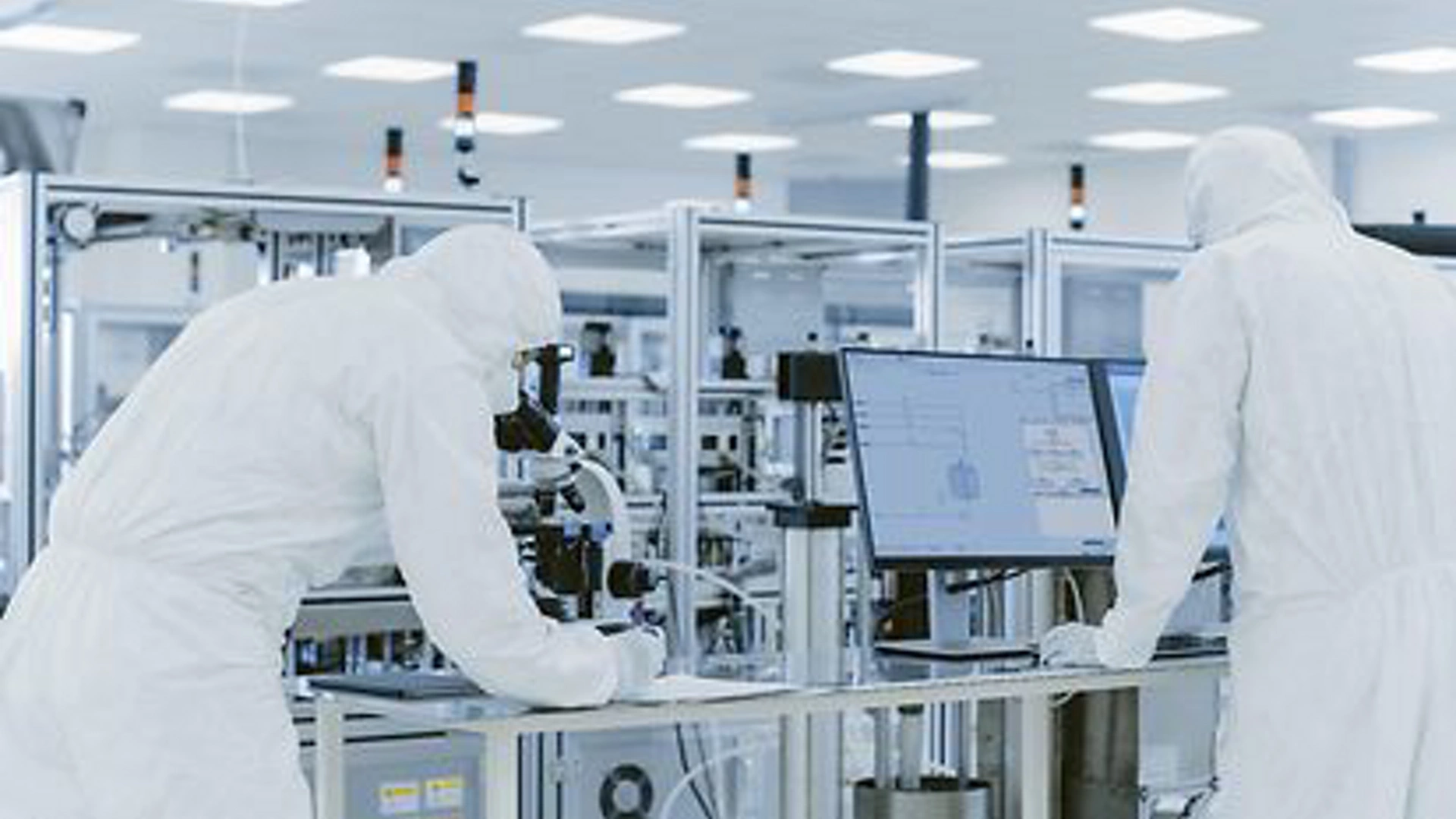
Whether using time-tested crystallization and filtration methods or state-of-the-art chromatography, the challenge of maintaining API purity and safety can be compounded by potential product contamination and degradation through processing and handling stages. Emerson’s control experts can help ensure product purity and minimize safety issues with advanced technologies to control process parameters, reduce reprocessing, generate higher first-time yields, and maintain safety standards.
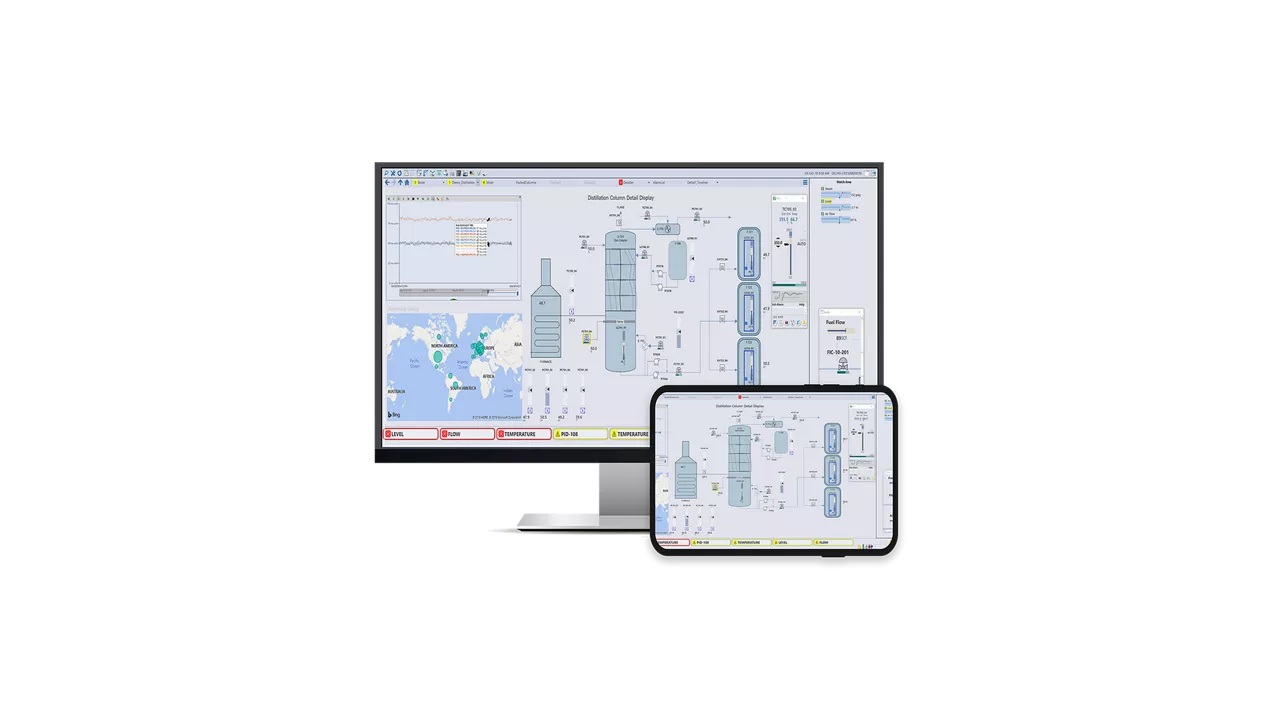
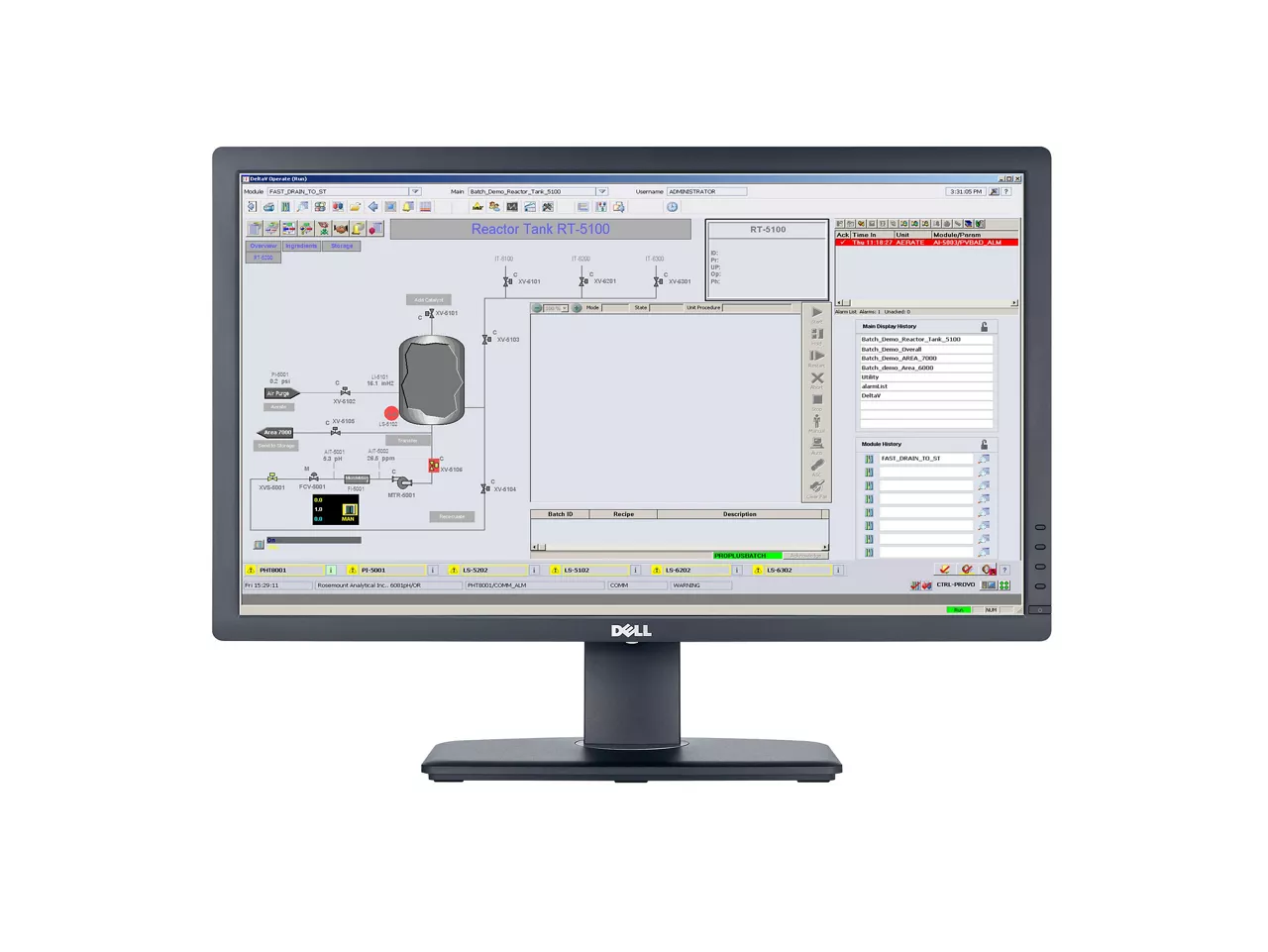
DeltaV™ Distributed Control System
A flexible platform that enables automated control of purification equipment, maintaining precise process parameters across multiple unit operations.
DeltaV™ Manufacturing Execution System
Delivers complete batch records, electronic signatures, and recipe traceability to ensure consistent and compliant purification runs.
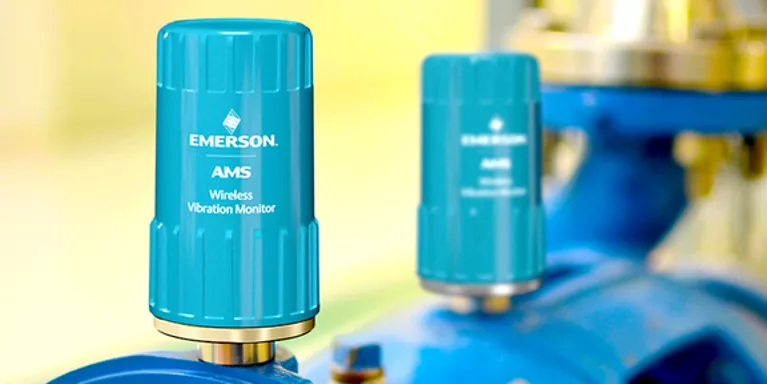
AMS Reliability
Predictive diagnostics and asset health monitoring help avoid equipment failures during purification, reducing batch risk and downtime.
Solution-Related Documents for Purification / Isolation
Access case studies, application notes, and technical guides focused on purification and isolation in chemical and life sciences manufacturing. These resources demonstrate how Emerson’s solutions help improve process control, product purity, and operational consistency while supporting regulatory compliance.

Business Groups in Purification / Isolation
Bringing together technologies from automation to measurement, these business groups work in unison to help manufacturers meet the demands of pharmaceutical purification and isolation. With solutions tailored to GMP environments and validated processes, manufacturers can reduce variability, improve traceability, and stay audit-ready.

Automation Systems
Frequently Asked Questions (FAQs)
Explore frequently asked questions about purification and isolation in pharmaceutical manufacturing. Learn how advanced technologies support the removal of impurities and the recovery of high-purity active pharmaceutical ingredients (APIs) while maintaining regulatory compliance and process efficiency.
Purification and isolation are downstream processes used to remove impurities and recover the desired product—in most cases, an active pharmaceutical ingredient (API)—in its pure form after synthesis or fermentation.
Purification ensures the final product meets required purity, safety, and efficacy standards. It removes contaminants such as solvents, byproducts, and residual reagents to comply with regulatory requirements.
Common purification techniques include chromatography, crystallization, precipitation, filtration, and centrifugation. The chosen method depends on the compound’s chemical properties and the required purity level.
Automation enhances control, repeatability, and data collection. It reduces operator error, improves batch-to-batch consistency, and enables real-time monitoring of critical process parameters.
Scale-up challenges include maintaining separation efficiency, managing solvent use, controlling temperature and flow rates, and ensuring consistent product recovery without loss or contamination.
Variables such as temperature, pH, solvent composition, and agitation directly affect separation efficiency, yield, and impurity profiles in purification and isolation processes.