


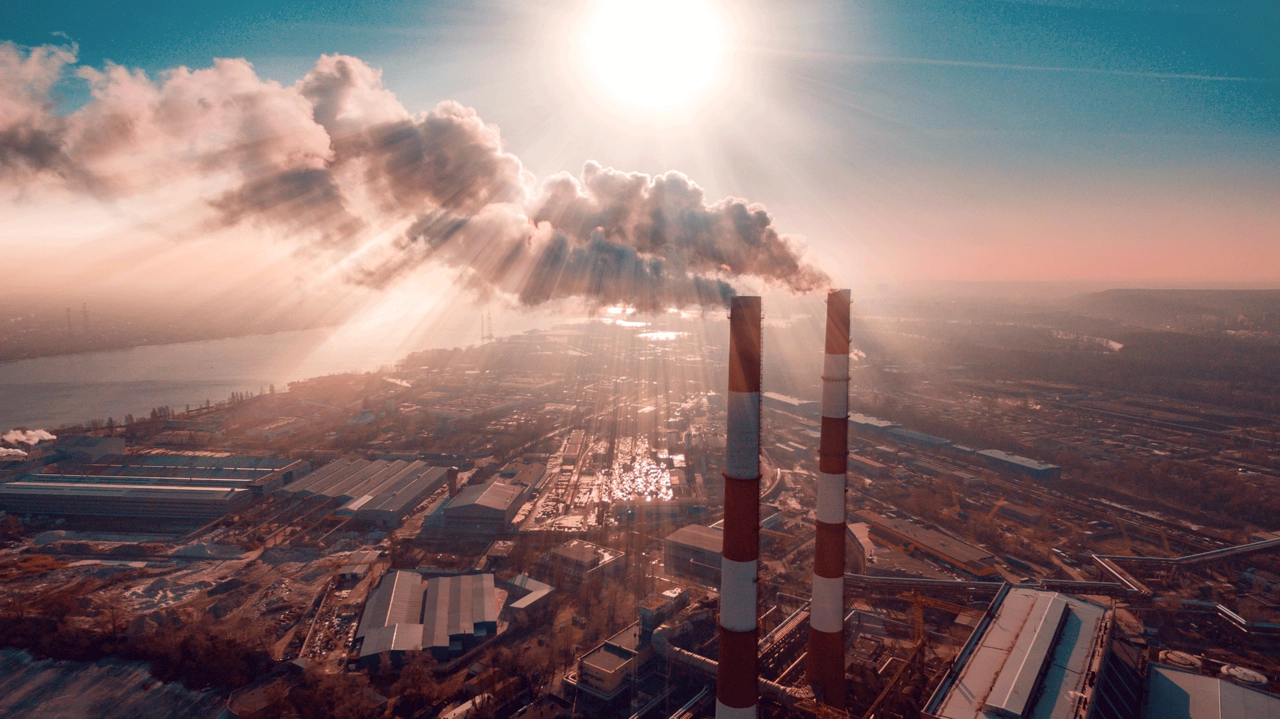

Emission Management Solutions
Cutting-edge technologies to monitor, control, and minimize emissions
The oil and gas industry faces mounting pressure to reduce emissions in order to comply with environmental regulations and meet sustainability goals. Solutions that accurately detect, monitor, and prevent leaks are vital for achieving these objectives. From upstream operations to downstream facilities, advanced technologies and analytics help identify emissions sources, improve operational efficiency, and ensure compliance with industry standards. This overview explores innovative solutions designed to address emissions throughout the entire value chain, with a focus on reducing its release and improving environmental performance.
Emission Solutions In Action
Solutions for managing emissions are not just theoretical—they deliver tangible results across the oil and gas sector. By integrating real-time monitoring, predictive analytics, and advanced detection systems, these solutions enable operators to quickly identify leaks, assess risk, and take corrective actions. From gas leak detection in upstream exploration to emissions monitoring in refining and distribution, the implementation of these technologies has helped organizations reduce their footprint while improving operational efficiency and safety. Discover how these solutions are reshaping the approach to emission control.
Optimize Separation Processes
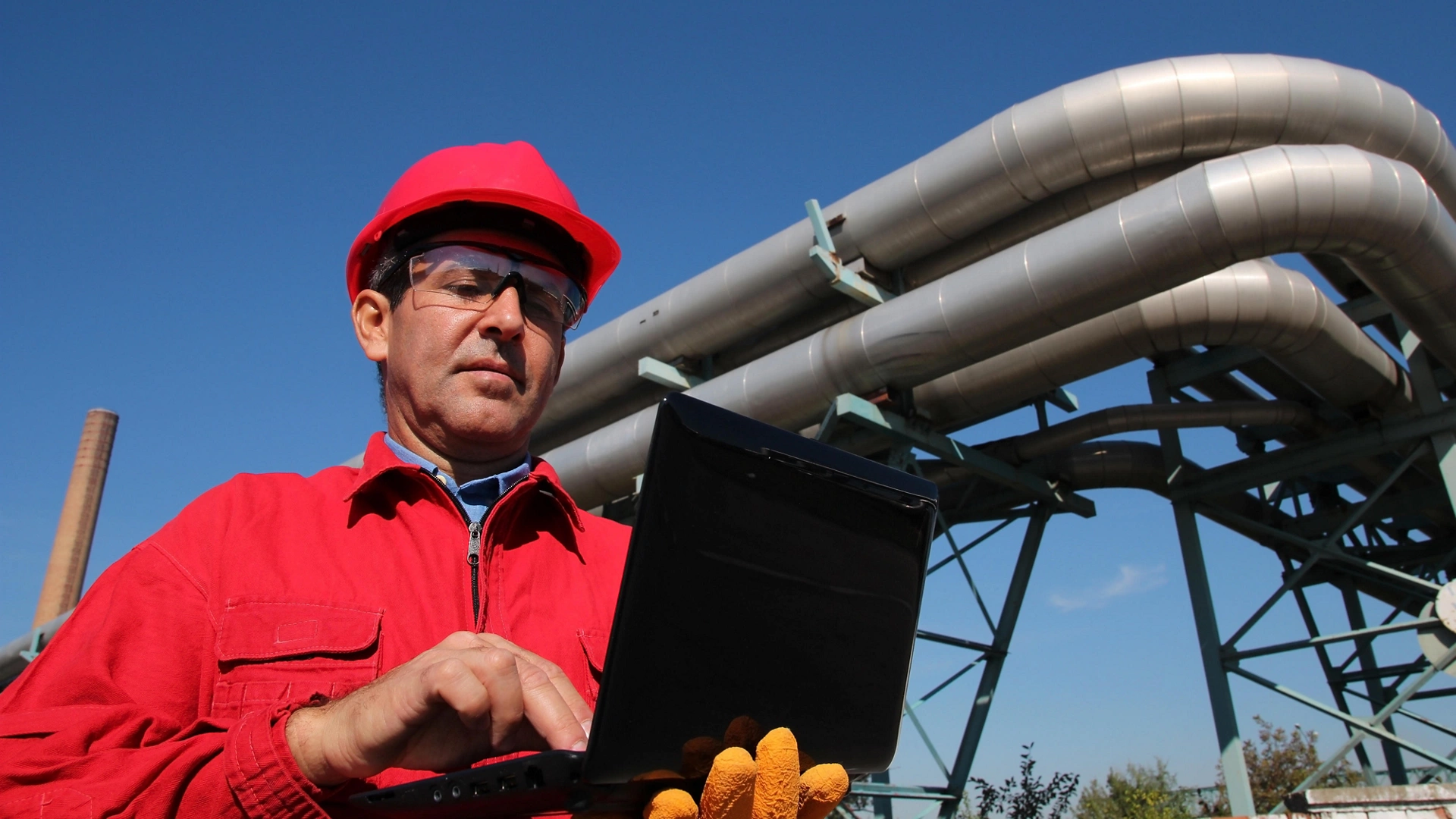
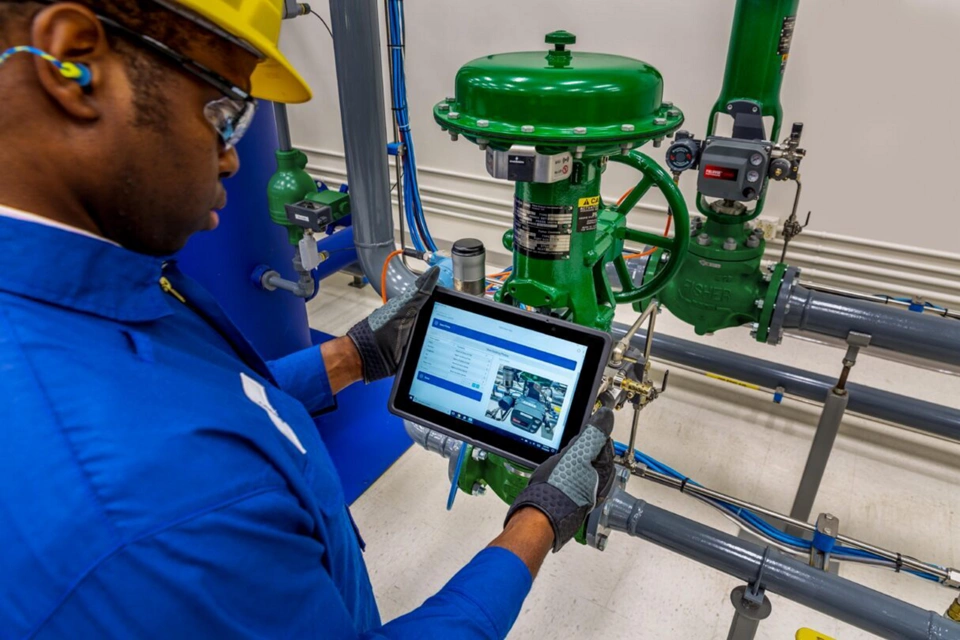
Accurate level measurement and reliable flow control are essential to maximizing separation efficiency and maintaining stable operations. Scalable solutions enable precise interface detection, reduced carryover, and optimized throughput—helping to lower emissions, minimize rework, and improve overall process reliability.
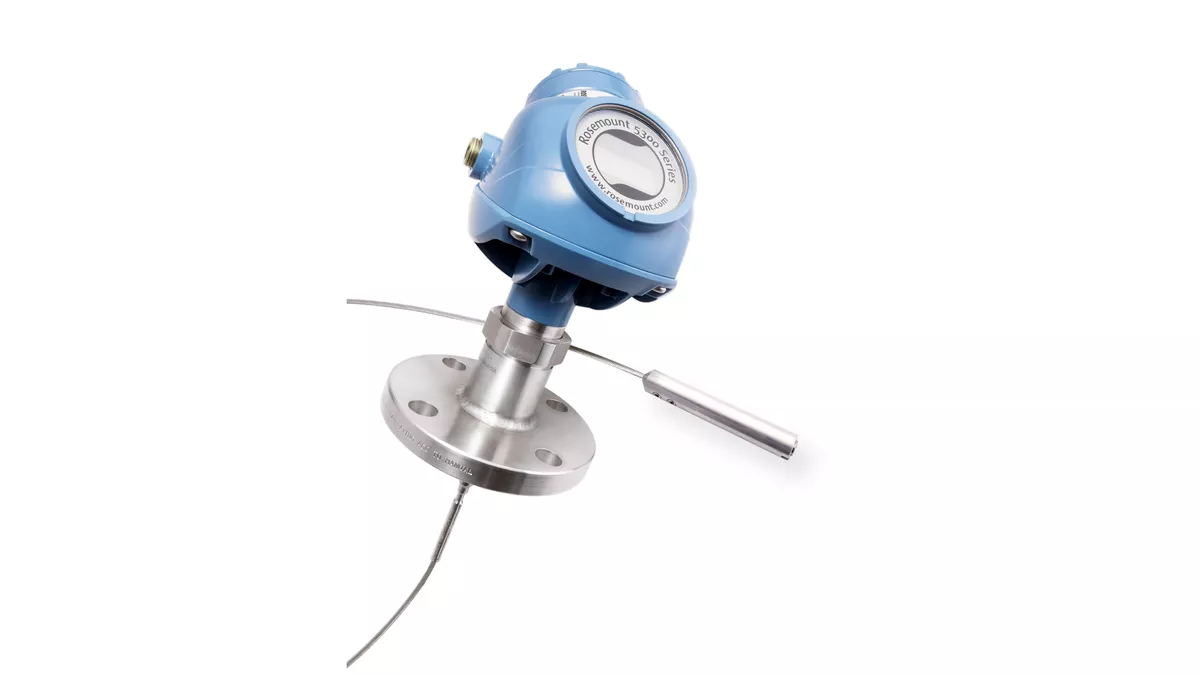
Rosemount™ 5300 Guided Wave Radar Level Transmitter
Provides accurate level measurement in challenging conditions, ensuring optimal separator performance.
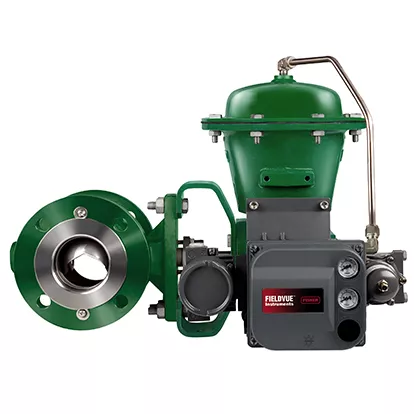
Fisher™ Vee-Ball™ V150 Control Valve
Delivers precise flow control in separation processes, minimizing emissions and improving efficiency.
Solution-Related Documents for Emission Control
Gain deeper insights into emission control technologies with our comprehensive library of solution-related documents. These resources include white papers, technical specifications, case studies, and more—designed to help you understand the latest emissions management strategies and their applications in real-world settings. Download and explore our documents to stay ahead of regulatory requirements and optimize your emission reduction efforts.
Frequently Asked Questions (FAQs)
Learn more about the sources of emissions, regulatory compliance, and detection technologies. Discover how Emerson solutions help identify leaks faster, improve reporting accuracy, and support your sustainability goals
CH4 is the chemical formula for methane and is a colorless, odorless gas that exists both naturally in the atmosphere and as a byproduct of human activities. It's emitted during the production of coal, natural gas, and oil, but also as a byproduct of livestock and other agriculture. It is also emitted as organic waste decays, in facilities such as municipal solid waste landfills and wastewater treatment plants.
CO2 emissions occur in a variety of ways. It can originate from burning or combusting fossil fuels such as coal, natural gas, and oil or chemical reactions from biological materials like trees. While CO2 makes up about 75% of the anthropogenic greenhouse gas emissions methane makes up about 17%.
Although emissions are much lower than carbon dioxide, it's about 25 times more capable of trapping heat than carbon dioxide over a 100-year period. In a shorter timeline (about 20 years) it can trap about 80 times as much heat as CO2 and is much less abundant in the atmosphere and lasts for a significantly smaller amount of time—decades vs. centuries—compared to CO2. Although methane emissions are much lower than carbon dioxide, methane is about 25 times more capable of trapping heat than carbon dioxide over a 100-year period. Methane is much less abundant in the atmosphere and lasts for a significantly smaller amount of time—decades vs. centuries—compared to CO2. However, methane traps more heat and is more harmful than CO2.
Tackling emission sources (hyperlink: https://www.emerson.com/en-us/industries/automation/oil-gas/onshore-oil-gas/separation) can have a dramatic effect on the overall concentration of present in the atmosphere, and subsequently reduce its warming effects and present short-term gains in the world’s fight against climate change.