


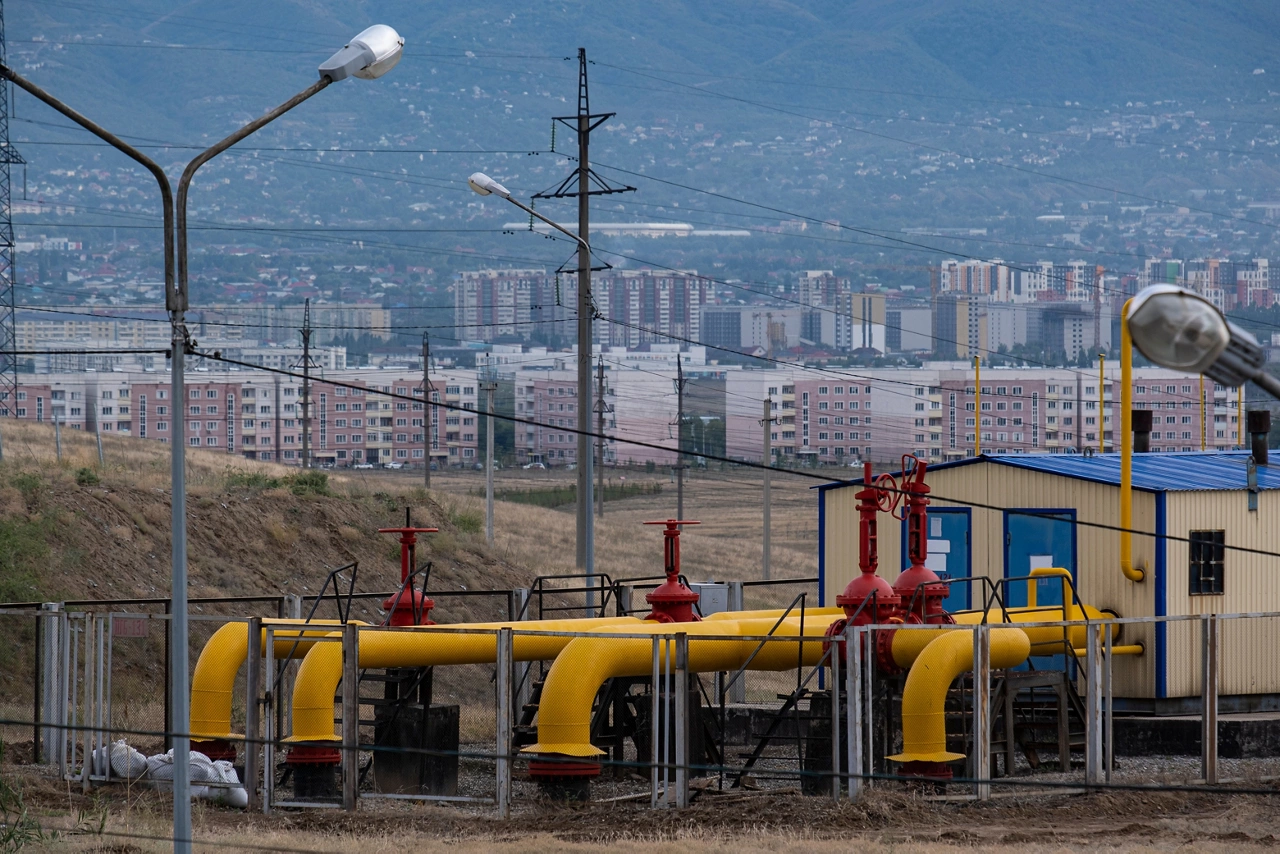

Optimize Natural Gas Distribution with Proven Technologies
Improve pressure regulation, leak detection, and network performance across distribution systems
Natural gas distribution systems face growing demands for safety, efficiency, and regulatory compliance. Advanced control and monitoring solutions help utilities maintain optimal operating conditions while managing pressure zones, detecting leaks early, and ensuring consistent gas delivery to homes, businesses, and industrial users. These technologies support utility operators in enhancing network visibility, lowering maintenance costs, and delivering uninterrupted service.
Business Groups in Natural Gas Distribution
Oil and gas production requires a holistic approach to managing complex operations. Each stage of production—whether it’s drilling, fluid handling, or recovery—requires specialized solutions that work together seamlessly. The following business groups offer tailored solutions for optimizing production efficiency, enhancing safety, and ensuring environmental compliance across oil and gas production systems.
Automation Systems
Solution-Related Documents for Natural Gas Distribution
Explore a curated set of documents and case studies focused on improving natural gas distribution networks. Learn how Emerson’s solutions help utilities and operators optimize pressure regulation, monitor system health, and ensure safe, continuous delivery to end users.
Frequently Asked Questions (FAQs)
Explore important information about the safe, efficient, and reliable delivery of natural gas through midstream distribution networks. These FAQs cover common topics including pipeline operation, pressure management, safety, and regulatory compliance.
Natural gas distribution refers to the process of transporting gas from transmission pipelines to end-users through a network of smaller pipelines, regulating pressure and ensuring safe delivery.
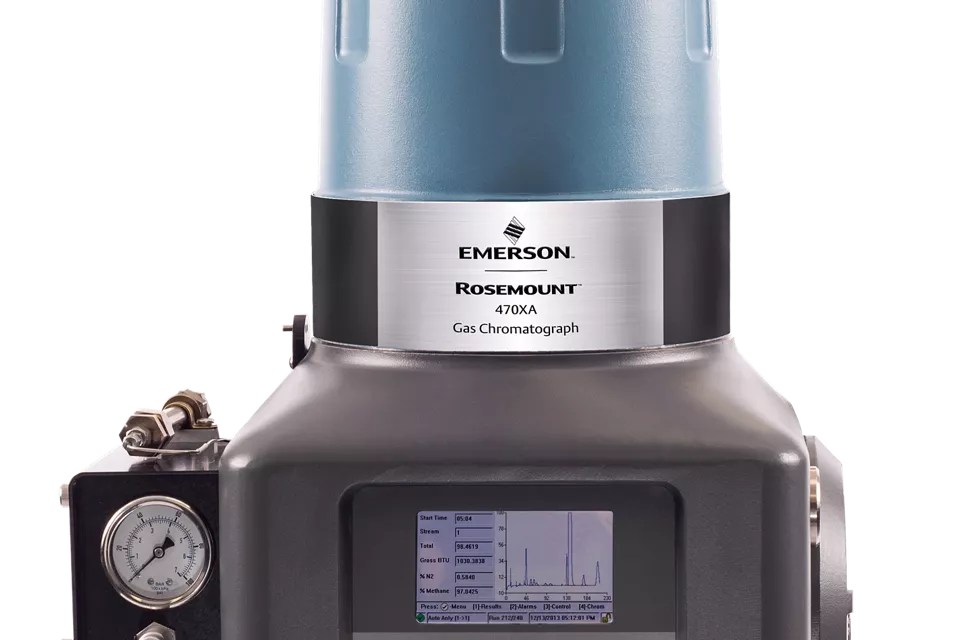
Technologies include pressure regulators, flow meters, leak detection systems, SCADA monitoring, and corrosion protection systems to maintain safety and efficiency.
Midstream focuses on the transportation and storage of natural gas after production (upstream) and before it reaches consumers or industrial users (downstream).
Safety measures include continuous pipeline monitoring, automatic shutoff valves, leak detection, regular inspections, and compliance with industry standards and regulations.
Leak detection is achieved using sensors, pressure monitoring, aerial surveillance, and smart pipeline management systems to quickly identify and address leaks.
Challenges include pipeline aging, leak prevention, pressure management, regulatory compliance, and integrating new technologies for enhanced reliability.