

Transforming Upstream Oil and Gas with AI‑Driven Solutions for Exploration, Drilling, and Production Optimization
Upstream oil and gas operations are increasingly complex and capital‑intensive, requiring operators to maximize hydrocarbon recovery while tightly controlling cost, risk, and safety. Modern subsurface engineering now depends on the seamless integration of exploration data, drilling execution, reservoir management, and production optimization—enabled by advanced automation and AI‑driven intelligence.
Emerson delivers an integrated portfolio of automation, measurement, and AI‑powered digital solutions that connect the upstream value chain from reservoir to surface. By unifying real‑time field data with advanced analytics and edge computing, Emerson enables predictive insights, automated optimization, and faster decision‑making—helping operators reduce uncertainty, minimize non‑productive time, and maximize asset value throughout the field lifecycle.
Oil and Gas Exploration
Improve reservoir characterization, reduce uncertainty, and accelerate field development with integrated geoscience, subsurface engineering, and AI-enabled workflows.
Accelerate discovery and reduce uncertainty with AI-driven subsurface insights, integrated geoscience workflows, and smarter exploration decisions.
Solutions in Oil & Gas Exploration
Emerson delivers the technologies and expertise operators need to navigate uncertainty, enhance reservoir understanding, and bring resources online faster.
Advancing Subsurface Engineering and Reservoir Management
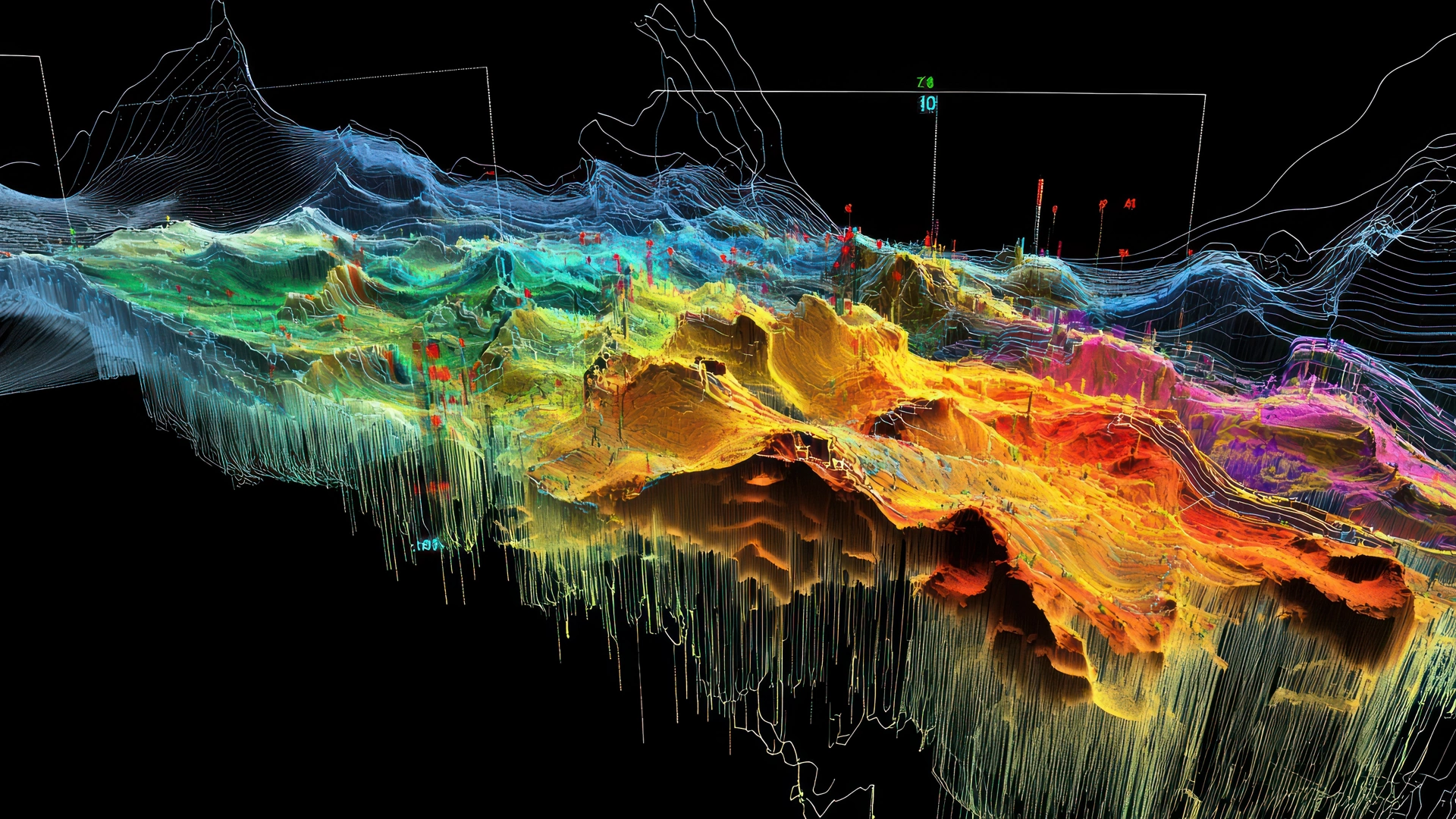
Emerson's AI-powered modeling tools integrate seismic data and well logs into dynamic 3D reservoir models—enabling operators to reduce uncertainty, optimize well placement, and continuously update reservoir models in real time as production data flows in.
AspenTech Subsurface Intelligence™ (ASI)
AI-powered platform that integrates seismic, well log, and production data into unified subsurface insights — enabling faster, higher-confidence exploration and development decisions.
Aspen Geolog®
Industry-leading well log analysis and petrophysical interpretation software that transforms raw well data into actionable reservoir intelligence, accelerating field evaluation and reducing geological uncertainty.
Aspen RMS®
Advanced reservoir modeling system that builds high-resolution 3D geological models integrating seismic and well data, helping operators optimize well placement and improve recovery planning.
Oil and Gas Production
Get expert insights into optimizing oil and gas production, improving recovery rates, and maintaining safety in upstream operations.
Solutions in Oil & Gas Production
Emerson provides the advanced automation architecture, precision instrumentation, and real-time control software necessary to transform conventional and unconventional oil and gas production workflows.
Optimizing Flow from Wellhead to Processing Facilities
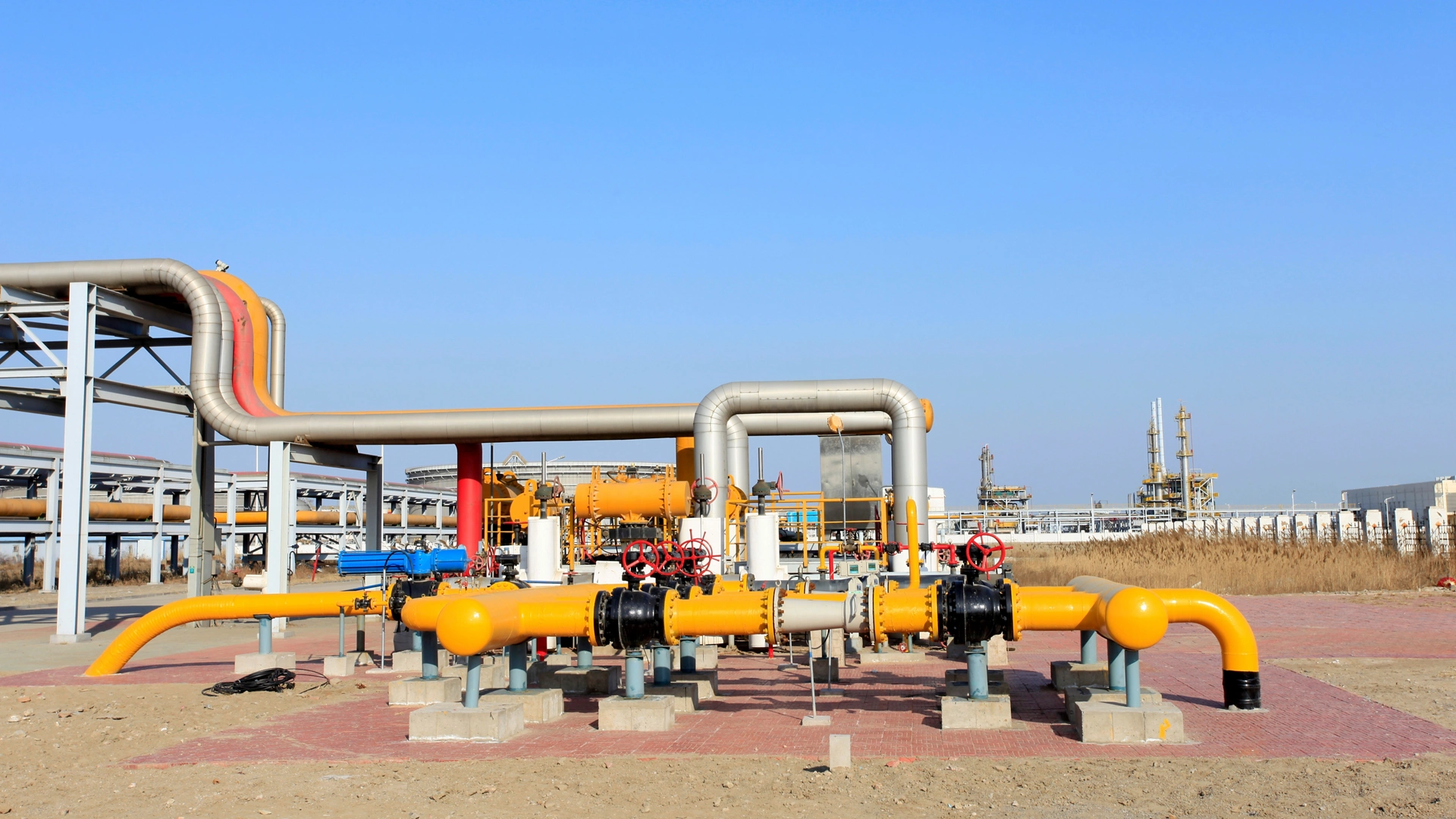
Whether onshore or offshore, conventional orunconventional, efficient upstream productiondepends on stable, optimized hydrocarbonflow — from reservoir to surface. Emersonstabilizes upstream production from reservoirto surface with precision choke valve control,advanced flow measurement, and multiphaseflow meters that detect changes like waterbreakthrough early. Combined with edgecomputing and wireless connectivity,operators gain real-time visibility acrossremote assets — reducing manual inspectionsand keeping every field running reliably.
DeltaV™ SaaS SCADA
Cloud-native SCADA software for secure, real-time remote monitoring and control of upstream assets from anywhere — no on-site servers required, with enterprise-grade cybersecurity built in.
Software Applications for ControlWave™ RTUs, ROC800-Series RTU, and FloBoss™ 107/107E Flow Manager
A configurable suite of menu-driven control and optimization applications — covering well optimization, injection management, and gas measurement — that maximize production throughput without custom programming.
Roxar™ 2600 Multiphase Flow Meters
Field-proven inline meter delivering real-time, three-phase measurement of oil, water, and gas across all well types and conditions — enabling accurate production allocation and early detection of fluid changes.
Media, Case Studies, & Success Stories
See how operators are solving upstream challenges with advanced technologies.
Explore how producers around the world are leveraging automation, measurement, and control solutions to improve safety, reduce emissions, and increase output in complex upstream environments. From shale operations to offshore platforms, these case studies and videos highlight proven results and innovation in action.
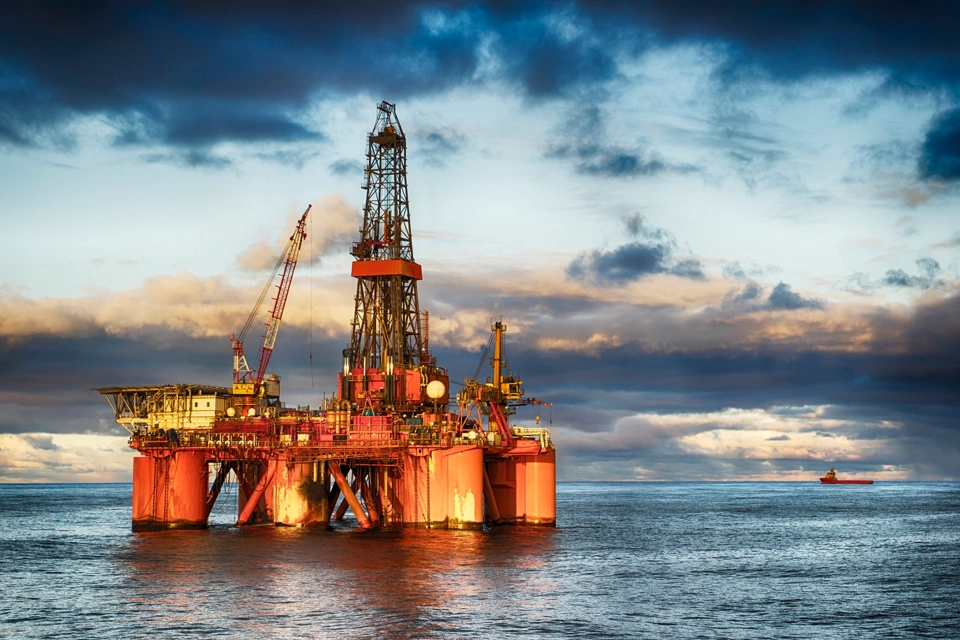

Explore Solutions Built for Exploration and Production
From reservoir development and drilling operations to production optimization and asset reliability, Emerson's business groups provide the technologies and expertise needed to improve performance, increase uptime, enhance safety, and maximize recovery across upstream operations.
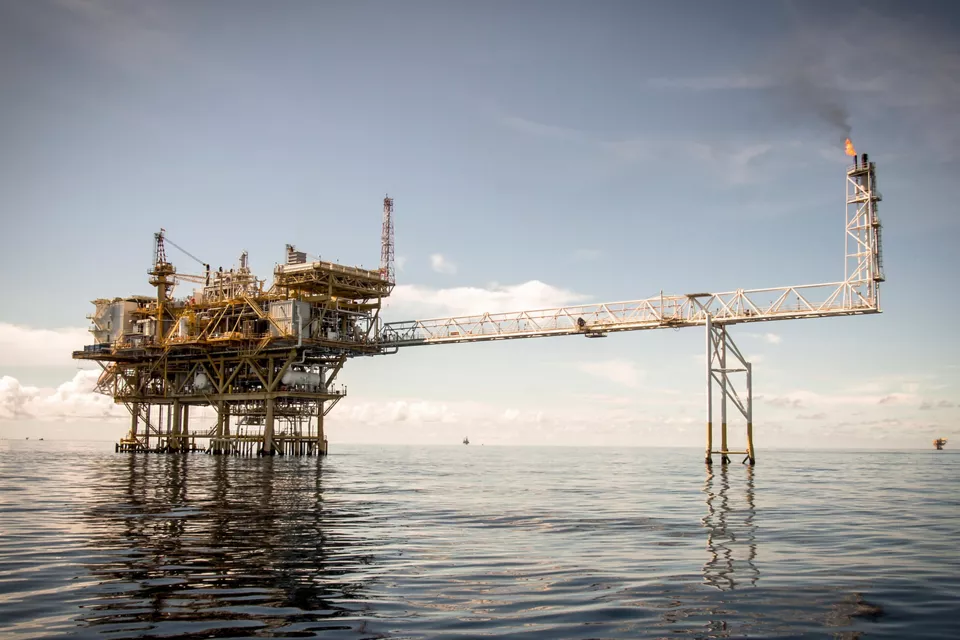
AspenTech
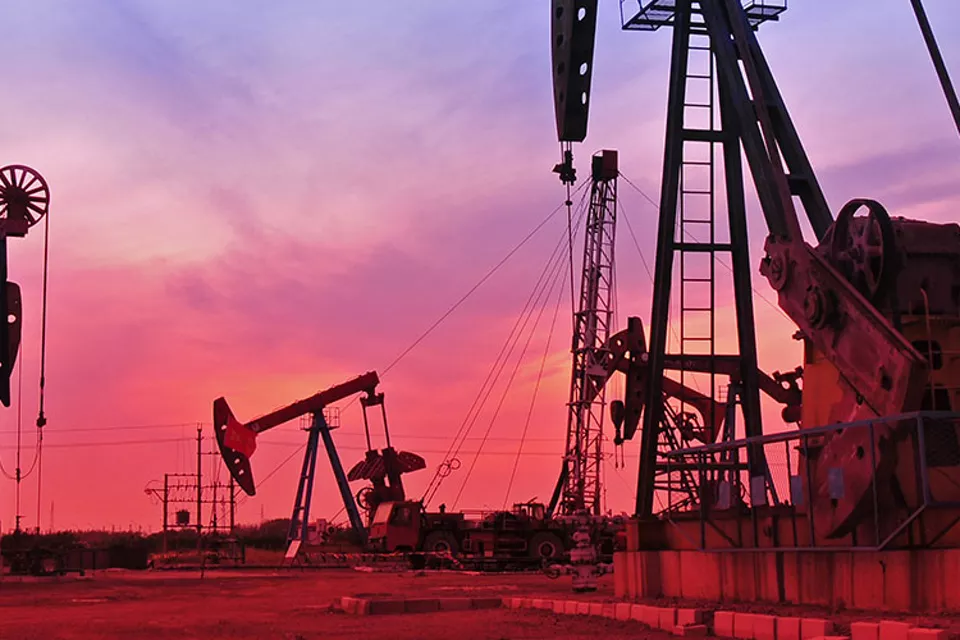
Automation Systems
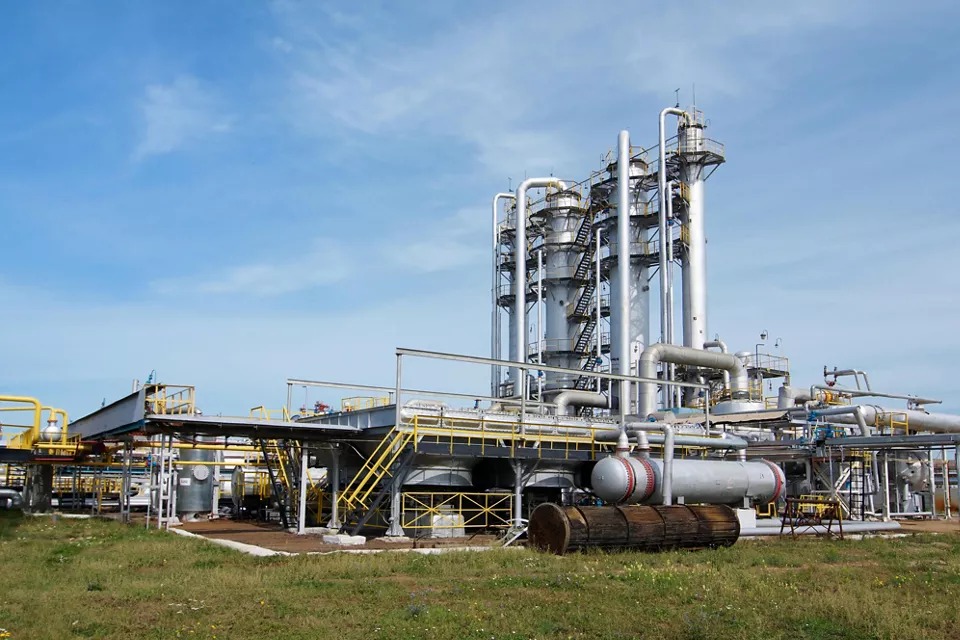
Discrete Automation
Measurement Instrumentation
Test & Measurement
Frequently Asked Questions (FAQs)
Learn more about how Emerson supports exploration, drilling, and production operations with automation, measurement, and control solutions built for upstream oil and gas.
Oil and gas exploration is the process of identifying and evaluating potential underground hydrocarbon reserves. It typically involves several stages, including geological studies to understand basin structure and rock formations. Geophysical surveys, such as seismic imaging, to map subsurface features; prospect evaluation to assess the likelihood of finding commercially viable resources; and exploratory drilling to confirm the presence of oil or gas. If successful, exploration is followed by appraisal and development planning.
A reservoir model is a digital representation of a subsurface oil or gas reservoir. It integrates geological, geophysical, and petrophysical data to describe the structure, properties, and fluid distribution within the reservoir. Reservoir models are used to better understand how hydrocarbons are stored and how they can be efficiently produced.
Reservoir modeling and reservoir simulation are closely related but serve different purposes: Reservoir modeling focuses on building a static representation of the reservoir, including its geometry, rock properties, and fluid distribution. Reservoir simulation uses that model to dynamically predict how fluids (oil, gas, and water) will flow over time under different production scenarios. In short, modeling defines the reservoir, while simulation predicts its behavior during production.
Operators use precision choke valves and advanced flow measurement technologies to maintain stable pressure and prevent equipment damage. Multiphase flow meters provide continuous, real-time data on oil, gas, and water streams without requiring physical separation, allowing for faster, more informed adjustments.
After extraction, the hydrocarbon mixture enters separators where oil, water, and gas are divided into distinct layers. Precise level and interface measurement ensures each phase is properly separated, preventing liquid carryover into gas lines or gas blow-by into liquid streams — both of which can damage equipment and reduce output quality.
Predictive maintenance strategies use real-time data from vibration monitors, acoustic sensors, and corrosion detectors to catch early warning signs of equipment wear or failure. This allows maintenance to be scheduled during planned shutdowns rather than responding to unexpected breakdowns.