


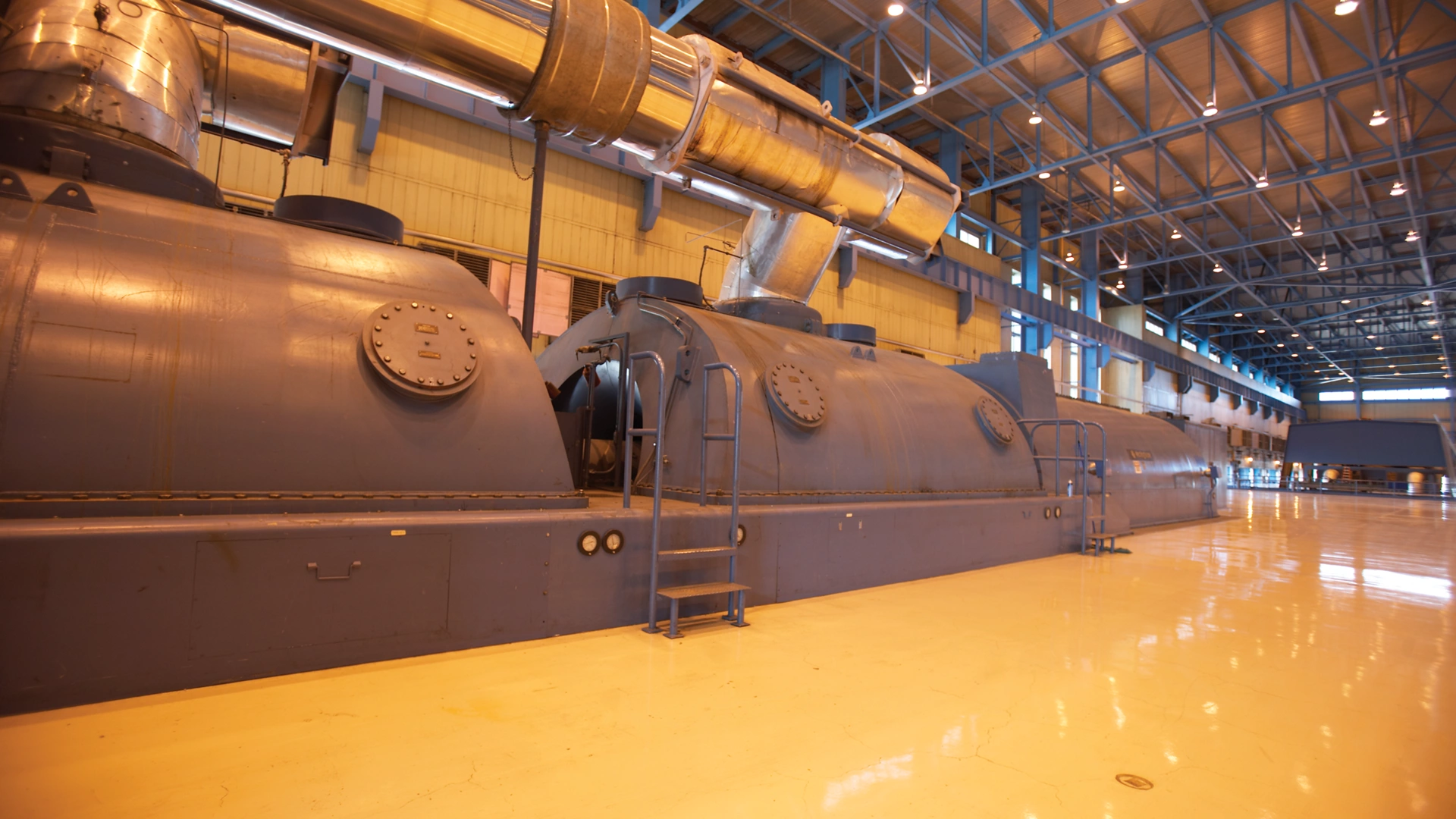
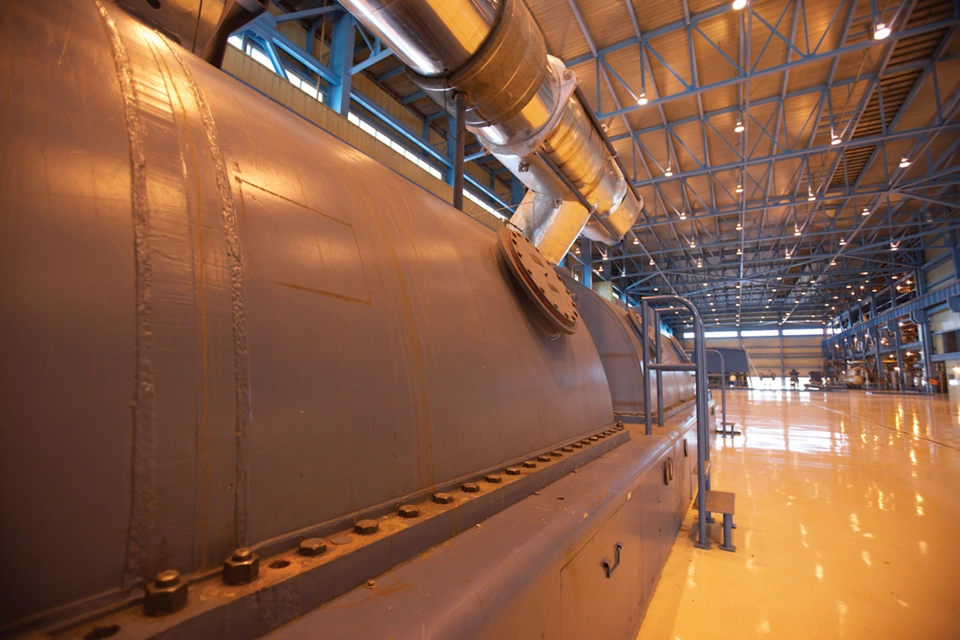
Enhance Steam Turbine Reliability and Efficiency
Maintain turbine uptime and efficiency with integrated control, monitoring, and protection
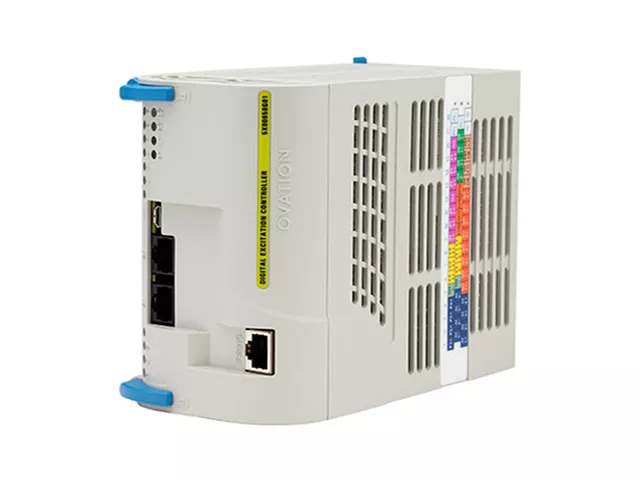
Maintaining the performance of steam turbines requires tight control over operational parameters and the ability to detect issues before they lead to failure. With advanced solutions for turbine control, health monitoring, and generator excitation, operators can reduce unplanned outages, improve safety, and meet performance targets across power generation environments.
Steam Turbine Solutions in Action
Modern turbine applications benefit from integrated platforms that combine control, health monitoring, and data analytics. These systems deliver early warnings, optimize setpoints, and improve decision-making. By leveraging field-proven technologies, power generators can streamline maintenance, boost turbine availability, and improve plant profitability.
Boost Turbine Performance with Reliable Automation
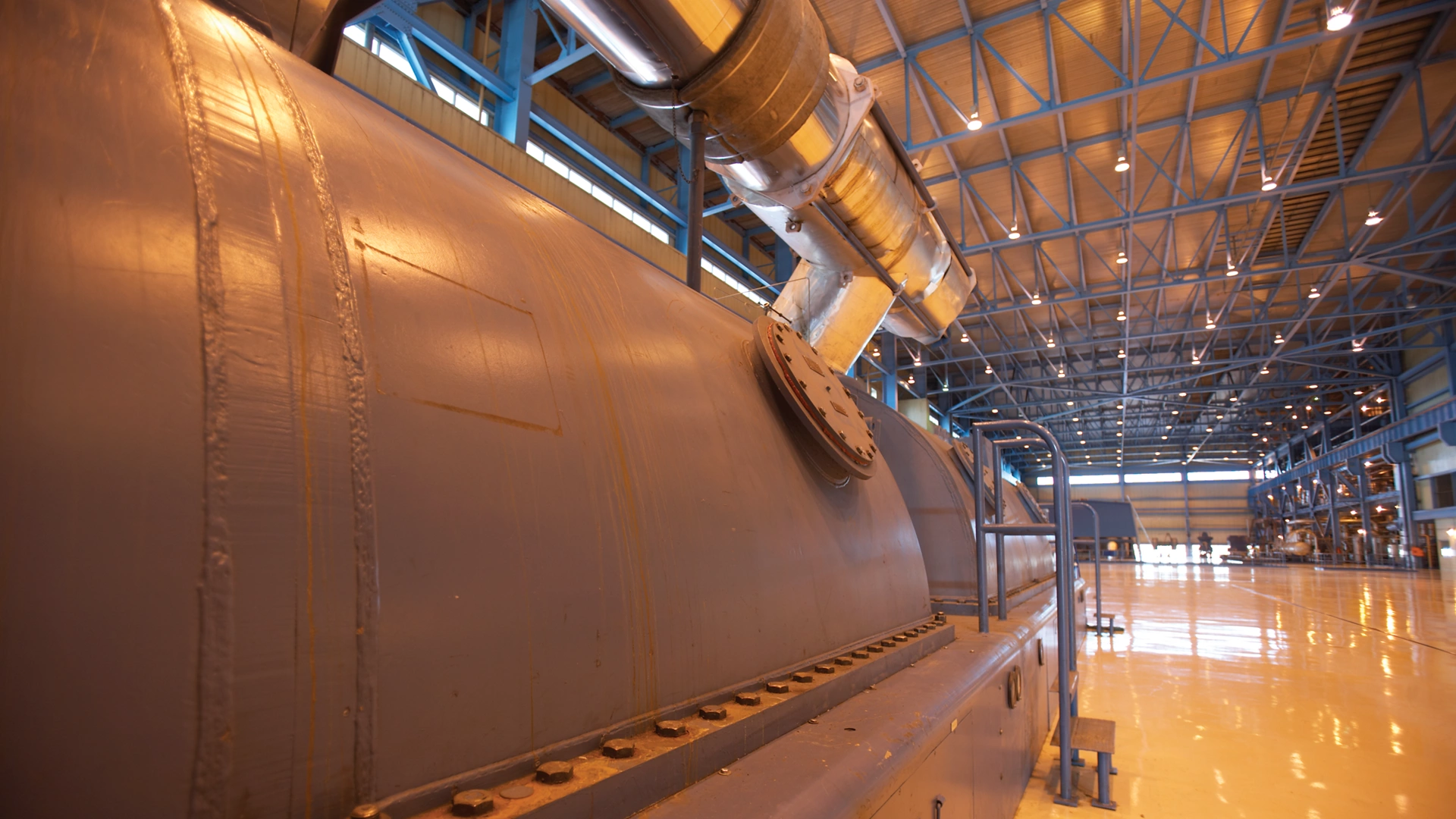
Load following often taxes mechanical devices in your plant, including the turbine. Aging legacy turbine controls can become increasingly unresponsive and lead to higher maintenance costs and unplanned outages. However, updated mechanical and electrical controls offers a seamless transition from legacy OEM automation and provides a fully integrated system for any operating profile.
Solution-Related Documents for Steam Turbine
Discover how Emerson’s integrated control and monitoring solutions help modern turbine applications operate more efficiently, reliably, and profitably.

Frequently Asked Questions (FAQs)
Steam turbines play a critical role in coal-fired and gas-fired power plants by converting thermal energy from steam into mechanical energy for electricity generation. Explore the most frequently asked questions to understand how steam turbines work, how they are maintained, and how Emerson technologies support performance, reliability, and emissions goals.
A steam turbine is a mechanical device that converts high-pressure, high-temperature steam generated from coal combustion, natural gas combustion, or other fuel combustion into mechanical energy, which is then converted to electricity by a generator.
Steam produced in a boiler passes through turbine blades, causing them to spin. This rotation drives a generator that produces electricity.
Common types include condensing turbines, back-pressure turbines, and reheat turbines, depending on plant configuration and efficiency requirements.
Efficiency can be enhanced through reheating stages, better blade design, improved sealing, optimized control systems, and condition-based maintenance programs.
Vibration monitoring is accomplished using sensors and advanced diagnostics that detect imbalance, misalignment, or wear in rotating parts. Emerson’s predictive monitoring tools help prevent unplanned shutdowns in power generation plants.
Preventive and predictive maintenance strategies, supported by condition monitoring, performance analytics, and digital twin technology, ensure reliable operation.