

Additive Manufacturing Accelerates Industrial Innovation: How 3D Printing Reduces Design Cycles by 85%
As tech-savvy buyers embrace 3D printing of consumer goods, industrial and manufacturing organizations are putting similar technology to work to tackle customers’ biggest engineering and manufacturing challenges.
At Emerson, we see additive manufacturing as a step into the future: a future where engineers can tackle problems in exciting new ways.
What is Additive Manufacturing?
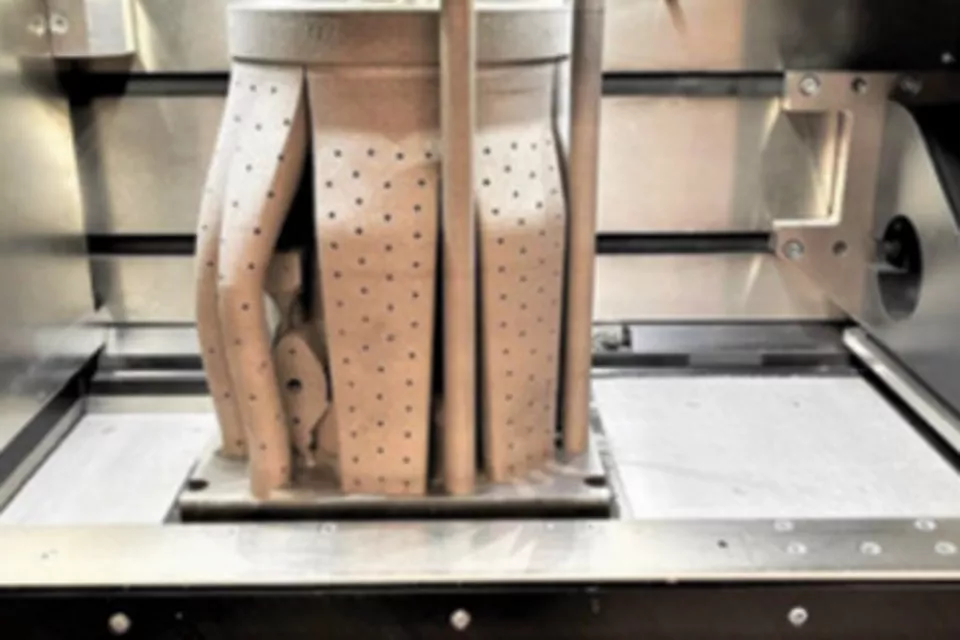
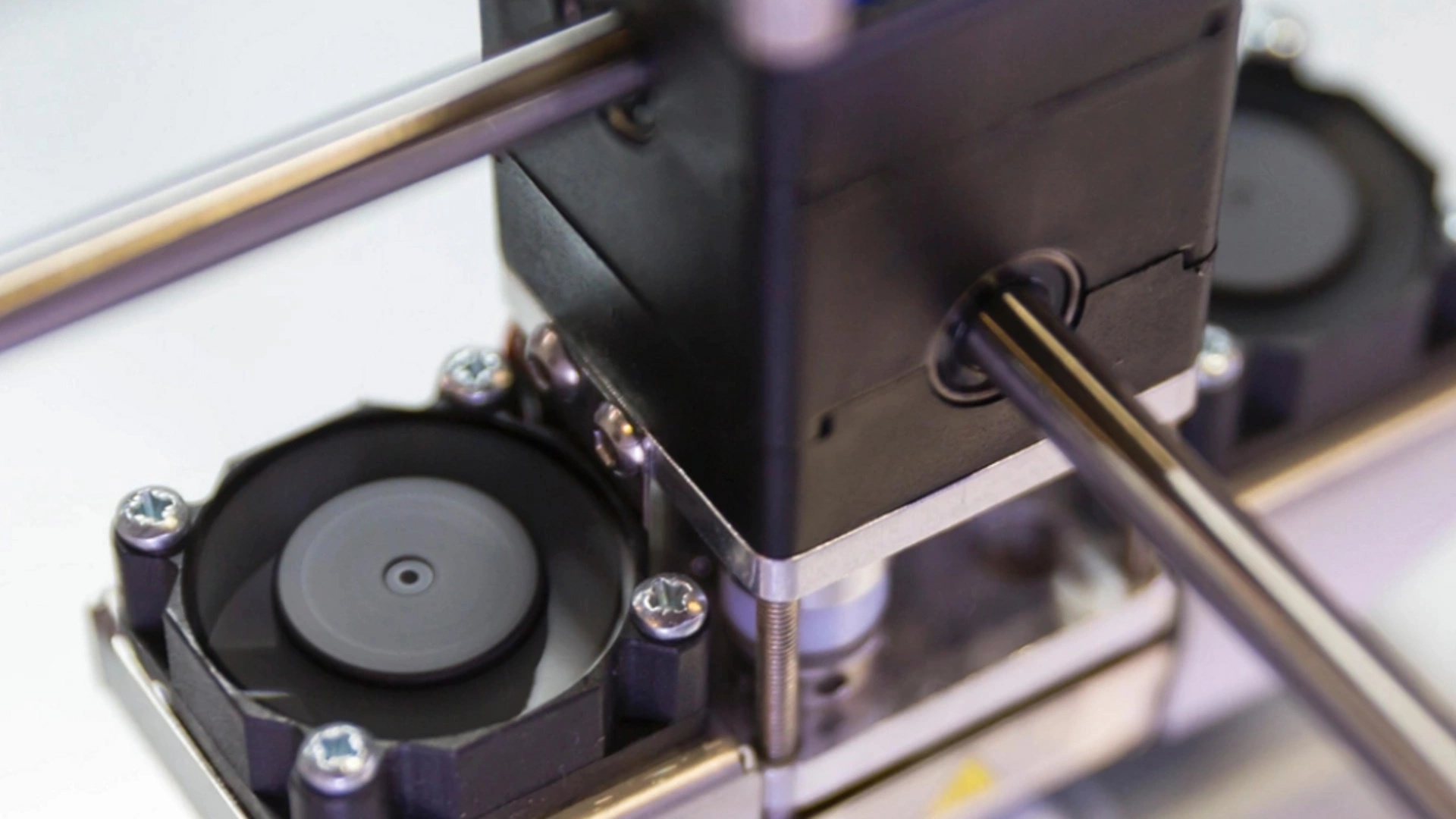
Think 3D printing for the harsh demands of the industrial world. Additive manufacturing describes the technology that builds three-dimensional objects by adding material, layer by layer, and from a digital model. Experts are rapidly exploring the wide uses of this fast-evolving technology. And while 3D printing with plastics is becoming commonplace, the 3D printing of metal alloys is a new frontier that breaks down the limitations imposed by traditional processes.
Additive manufacturing enables Emerson engineers to expand their thinking beyond the limits of standard manufacturing processes. It offers a solution for engineers to design and produce innovative solutions to meet ever more demanding and stringent processes. Additive manufacturing also significantly accelerates the design, prototyping and testing of new products, and promises to greatly simplify the production supply chain. Emerson is seeing as much as an 85 percent reduction in engineered product design and development time.
And it isn’t just Emerson engineers who benefit from additive manufacturing. Many Emerson customers face unique challenges in control and automation of their processes. Whether these challenges stem from the process fluid or process conditions, additive manufacturing has demonstrably improved Emerson’s ability to engineer, validate and deliver effective solutions for customers.
“This new technology opens doors and empowers innovations that previously couldn’t live outside of a computer simulation,” said Adam Boyle, Vice President, North America Manufacturing and Service Operations, Flow Controls. “Additive manufacturing makes it possible to quickly find the ideal product design. Our team can now develop and produce multiple designs at once and rely on real-world testing to determine which will work better. In an industry where safety and performance are paramount, having this level of precision is crucial.”
Emerson's Global Additive Manufacturing Initiative
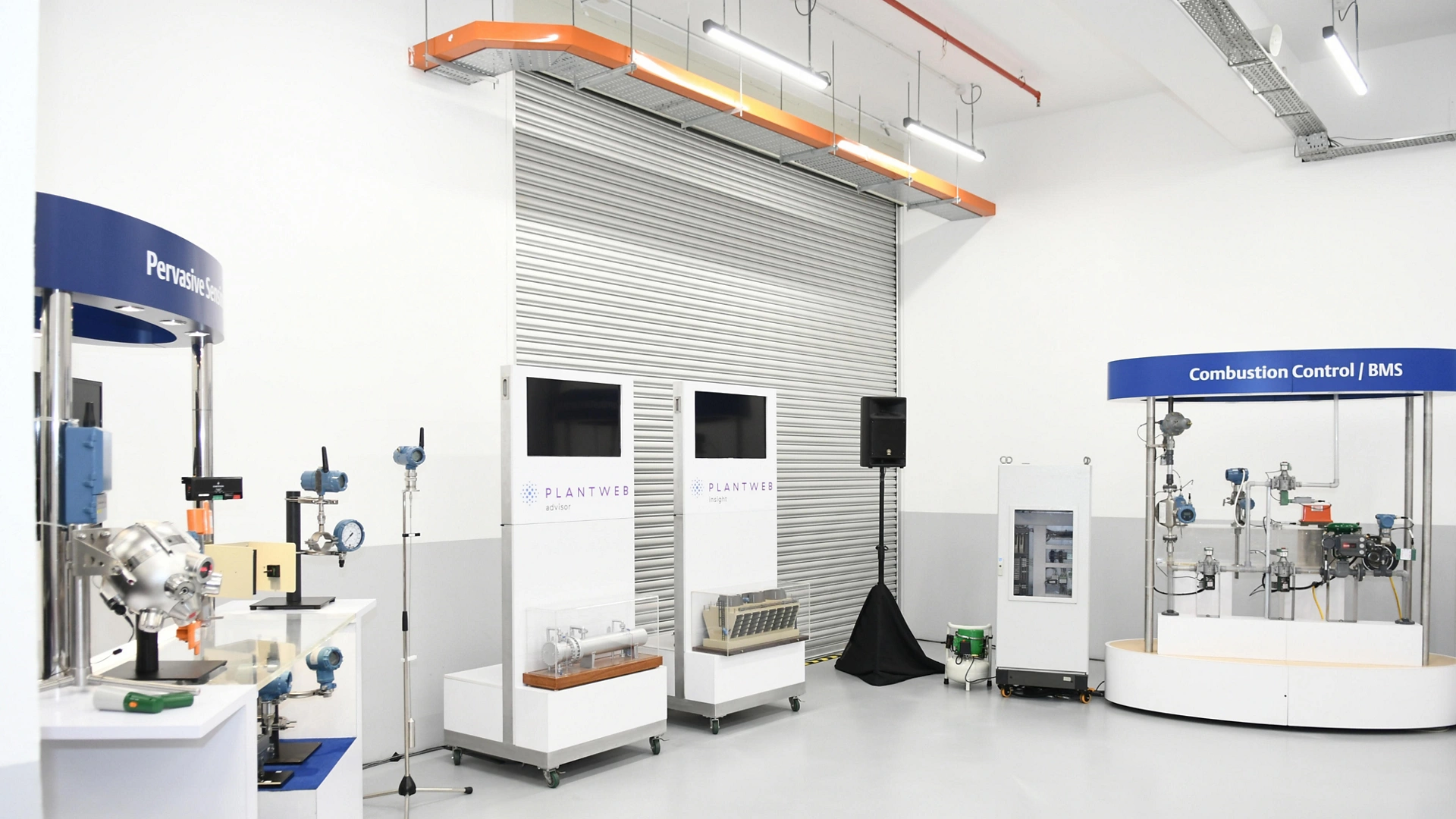
Emerson launched its additive manufacturing program at the company’s Marshalltown, Iowa Innovation Center. Through a partnership with the Singapore Economic Development Board and Nanyang Technological University, Emerson opened a second additive manufacturing center in Singapore dedicated to the acceleration of additive manufacturing as a production technology. The center focuses on manufacturing valves and automation components for process industries with better speed and more flexibility than traditional manufacturing.
Emerson’s centers will continue to explore the many benefits of additive manufacturing, particularly on the supply chain. Having the ability to build products on demand is significant for an industry that often grapples with the supply chain challenges inherent to supplying low-volume engineered solutions.
At Emerson, we see a future where additive manufacturing helps customers move from digital design to real-world solutions faster.