
Lubricant Plant Solves Long-Standing Corrosion Problem Aided By Monitoring Program
RESULTS
- Fewer scheduled and unscheduled shutdowns for manual metal loss inspections
- Improved knowledge of the causes and effects of corrosion from the process
- Longer pipe life with less required replacement
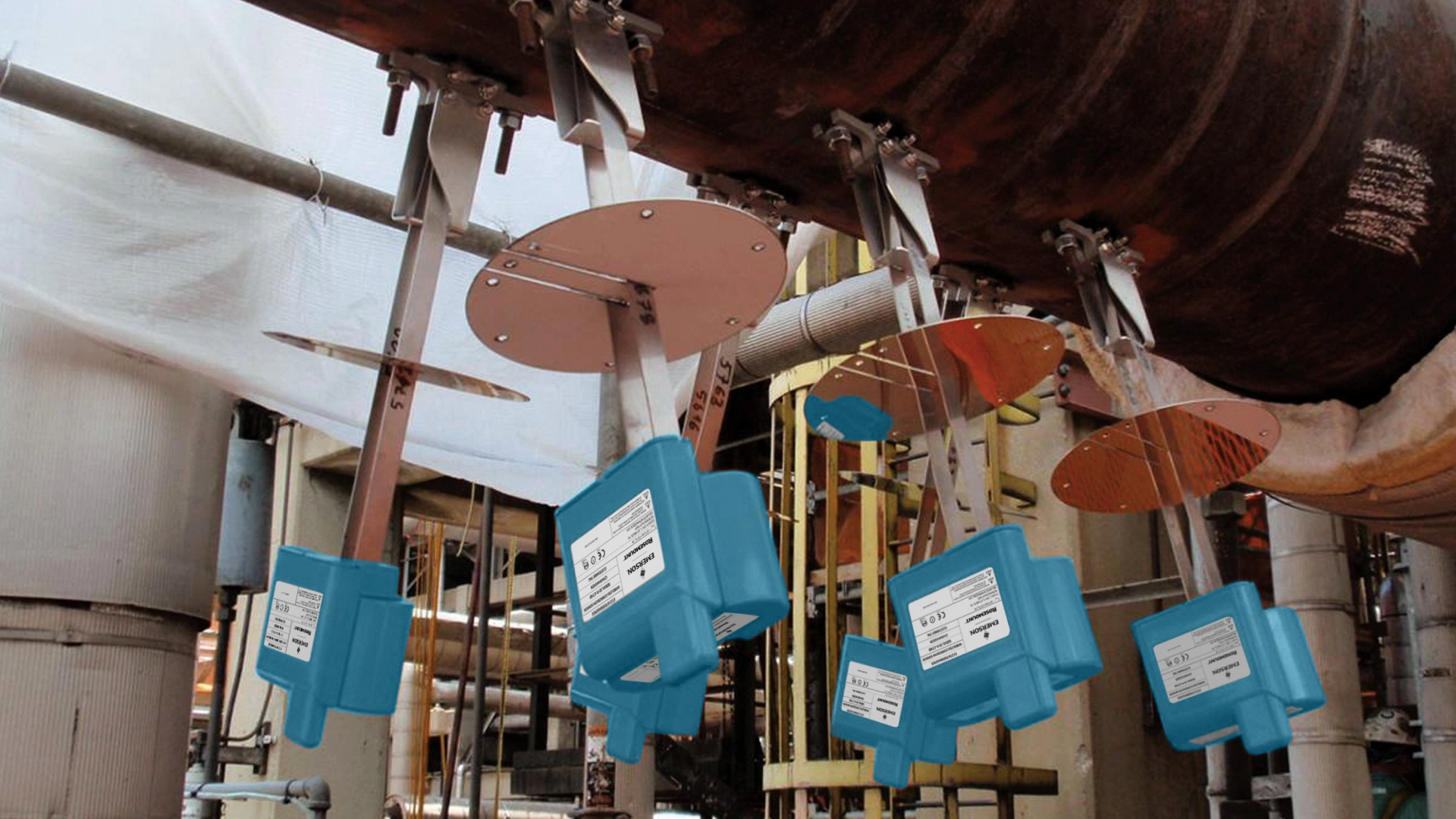
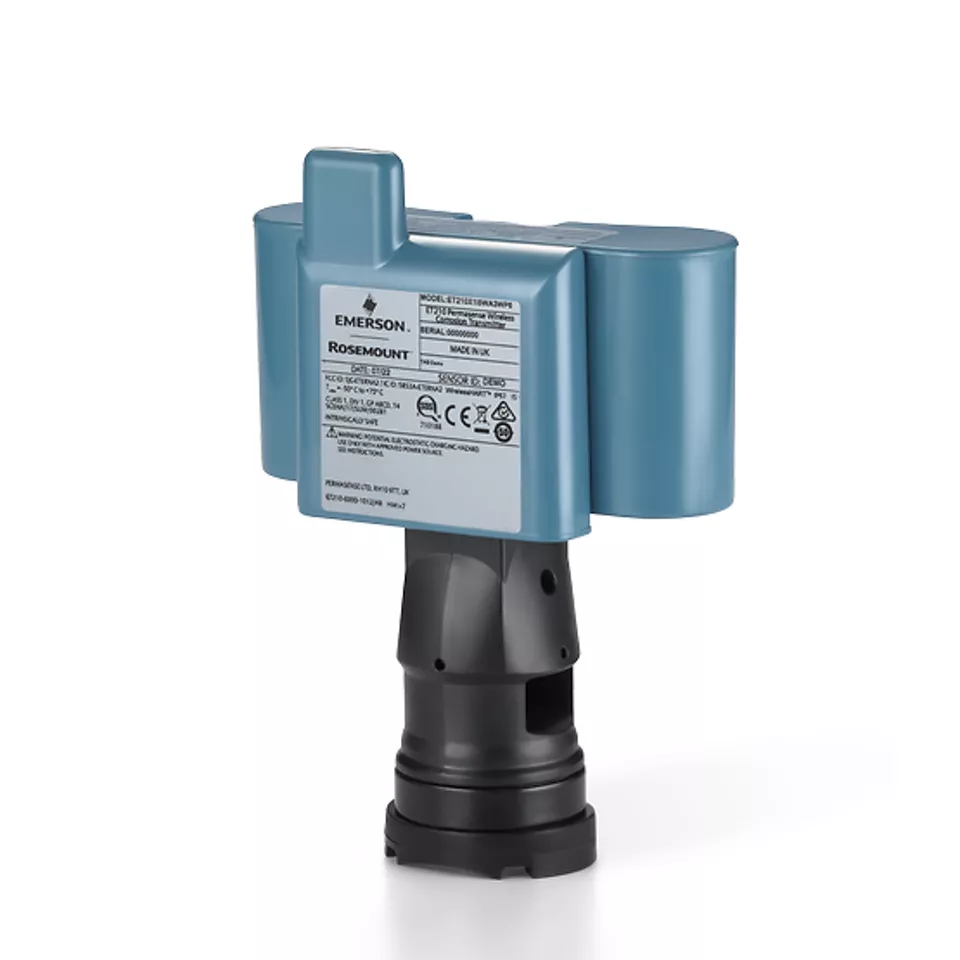
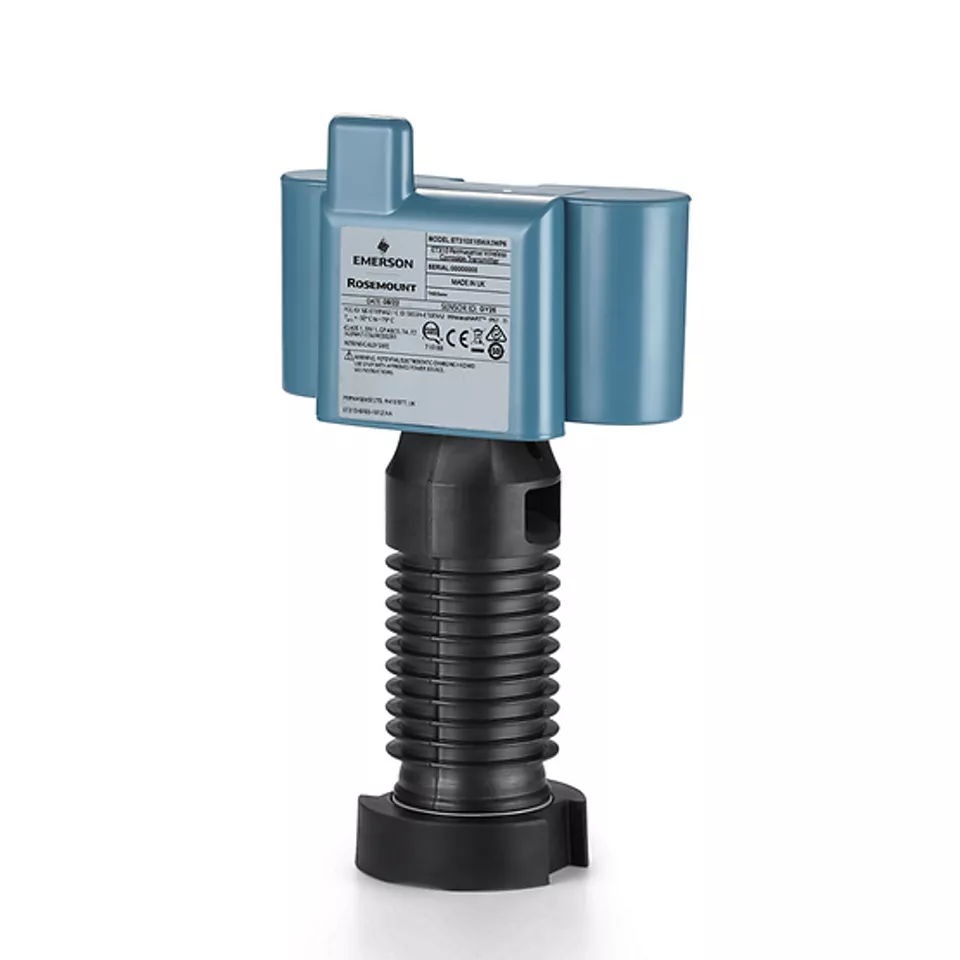
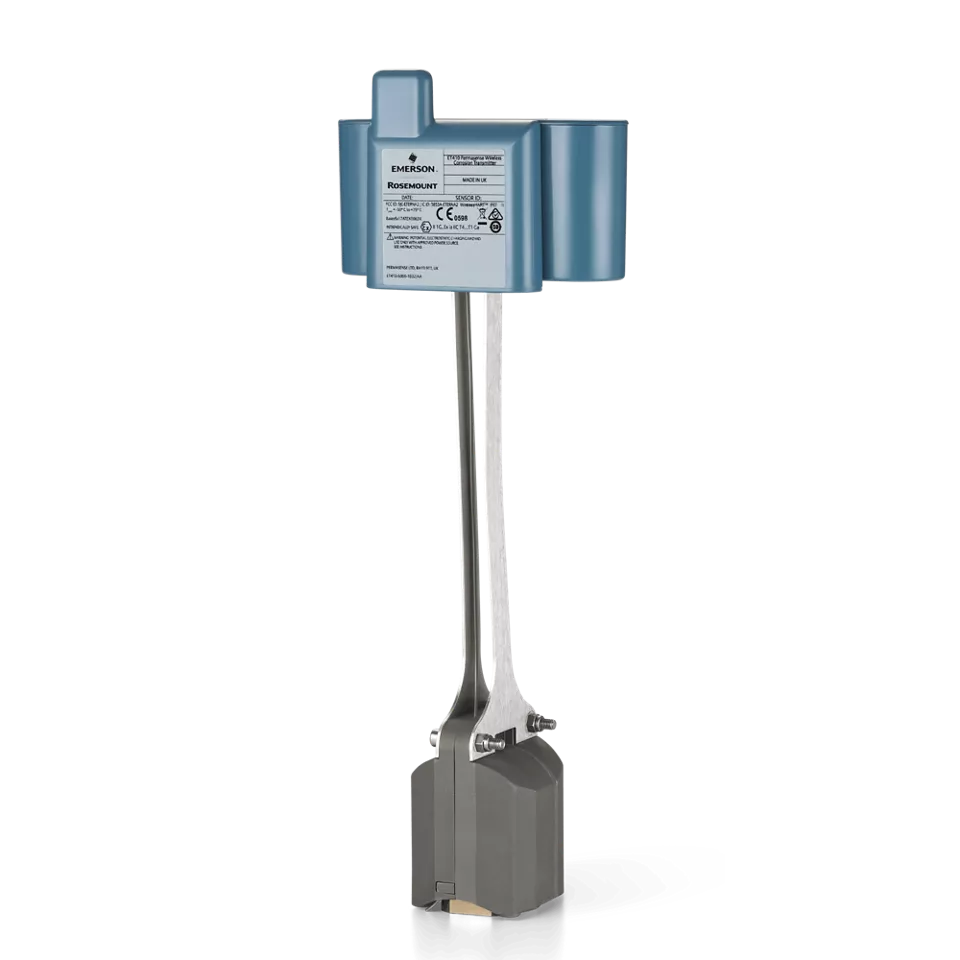
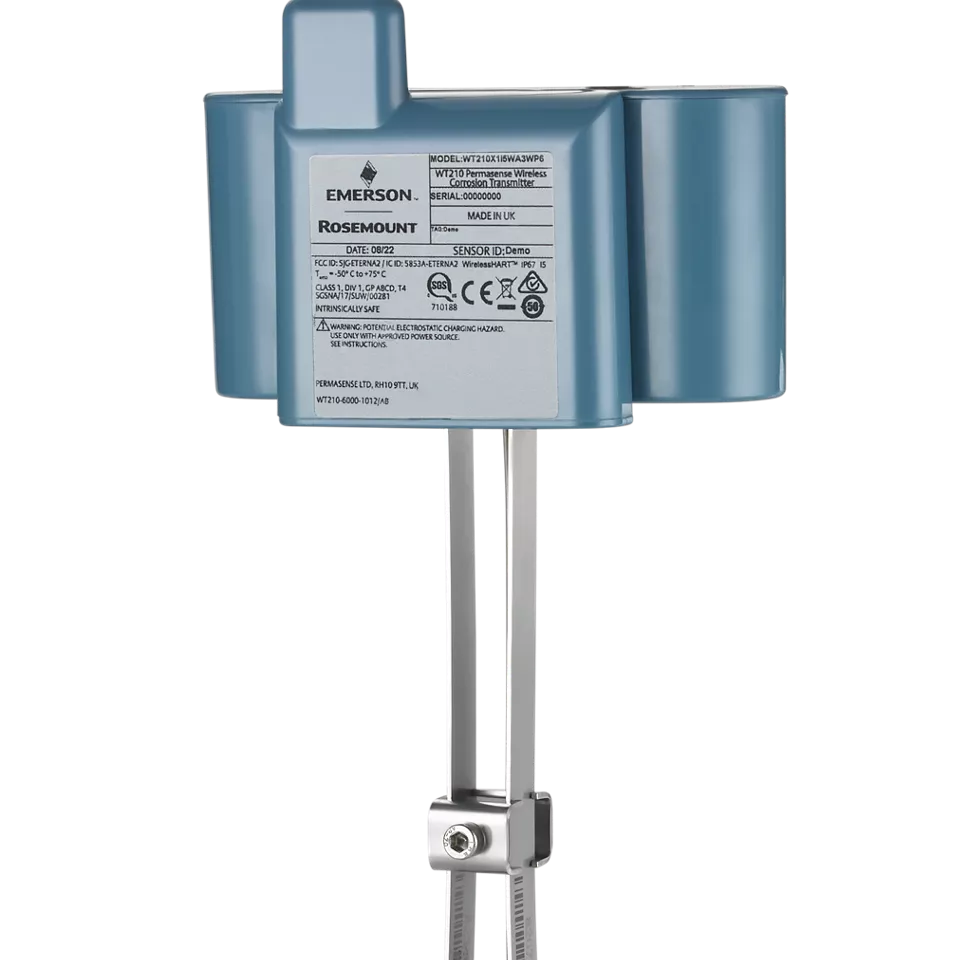
With eleven Rosemount Wireless Corrosion and Erosion Transmitters installed throughout the piping system, it is possible to detect when a change in chemical composition causes a peak in corrosiveness and corresponding metal loss.
Customer
Petrochemical plant, central Russia
Application
Rosemount™ Wireless Corrosion and Erosion Transmitters using Adaptive Cross Correlation Processing applied to lubricant reprocessing.
Challenge
Recovered and recycled lubricants can be processed and reused as refinery feedstock, reducing the environmental impact of disposal. This Russian petrochemical plant has a unit dedicated to lubricant cleaning, which presents a variety of challenges related to the products’ characteristics. Since there can be a variety of products and contaminants mixed into the recovered lubricants, the process has to be adjusted as needed to match the mix at any given time. Various solvents are used in the cleaning process, before being recovered and reused. Some chemical components extracted can be quite corrosive, attacking the piping of the solvent recovery system and eating it away from the inside.
The challenge was made worse by the erratic nature of the problem due to chemical variability of the recovered lubricants. A batch with particularly high contamination could cause periods of very high corrosion in localized areas of the piping system. The plant was willing to accept metal loss of 0.5 mm per year throughout the system, but there were periods when metal loss on an annualized basis reached 1.3 and even 2.0 mm in specific areas.
While operators tried to take manual pipe wall thickness readings using portable ultrasonic measuring devices, these proved ineffective due to the low repeatability characteristic of the technique, combined with access difficulties. This forced operators to shut down the system multiple times each year to break apart the piping in strategic spots for manual inspection. Any required piping replacement extended the shutdowns.
Challenges With Manual Wall Thickness Readings
Operators tried to take manual pipe wall thickness readings using portable ultrasonic measuring devices, but these proved ineffective due to the low repeatability characteristic of the technique, combined with access difficulties.
Solution
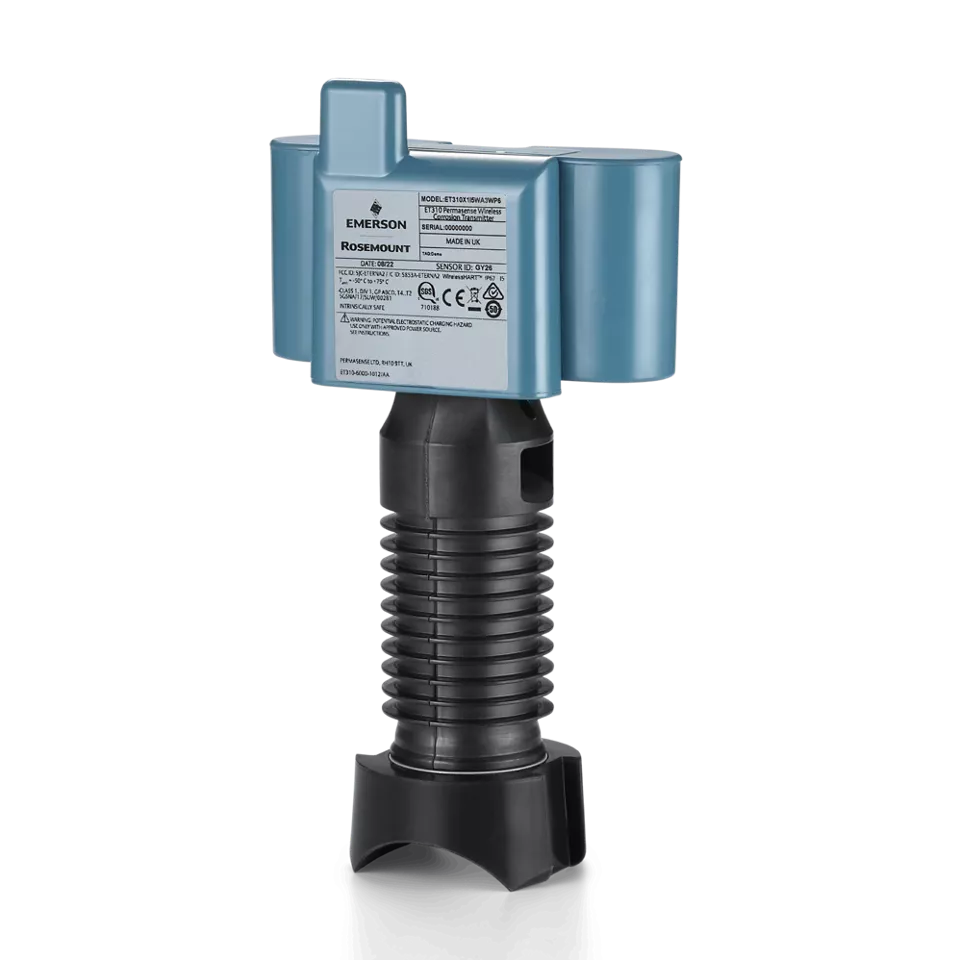
The petrochemical plant was analyzing the chemical contamination problem, conducting experiments to determine how to reduce the corrosiveness of various feedstocks with appropriate additives combined with processing method changes. As part of this effort, engineers concluded that without a mechanism to monitor metal loss, there would be no way to determine the effectiveness of various suggested solutions. Reliable, real-time data on piping thickness was clearly necessary to indicate success or failure. To provide this data, technicians installed eleven Rosemount Wireless Corrosion and Erosion Transmitters throughout the piping system, concentrating on areas known for high metal loss.
Each of these transmitters sends data using a WirelessHART® network to a host system, where the data is processed using PC-based software from Emerson, employing the Adaptive Cross Correlation methodology. This methodology enhances analysis of the measurements so even small levels of corrosion or erosion can be detected in a matter of days. Data from the transmitters is also forwarded to Emerson as part of its Connected Services for Corrosion and Erosion Monitoring, which includes comprehensive historization, real-time analysis, and report preparation.
After five weeks of operation with the transmitters in place, nine of the positions indicated minimal metal loss, with each showing a rate of less than 0.5 mm per year, well within acceptable limits. However, two showed metal loss at rates three to four times the tolerable level. The ability to quickly pinpoint exactly where and when corrosion had hit a peak provided an important tool to identify conditions making the situation worse, along with clarifying where mitigation strategies were successful. In some locations, liquid turbulence caused by poor piping design combined with the corrosive action, resulting in erosion plus corrosion, and contributing to metal loss.
This experience and the resulting data supported implementation of a solution to minimize effects of corrosion based on feedstock analysis, processing procedures, and additives. With wall thickness now measured in real time, the need for shutdowns to permit manual inspections of pipe interiors was virtually eliminated. The need for two scheduled shutdowns each year, plus unscheduled shutdowns, was reduced to only one annual shutdown to replace any sections of pipe that had reached their end of-life.
Reports generated by the Connected Services analysts provide management with an accurate and up to-date picture of the equipment so operation can continue safely while maximizing production and profitability.