Paving the Way to a Low Carbon Future
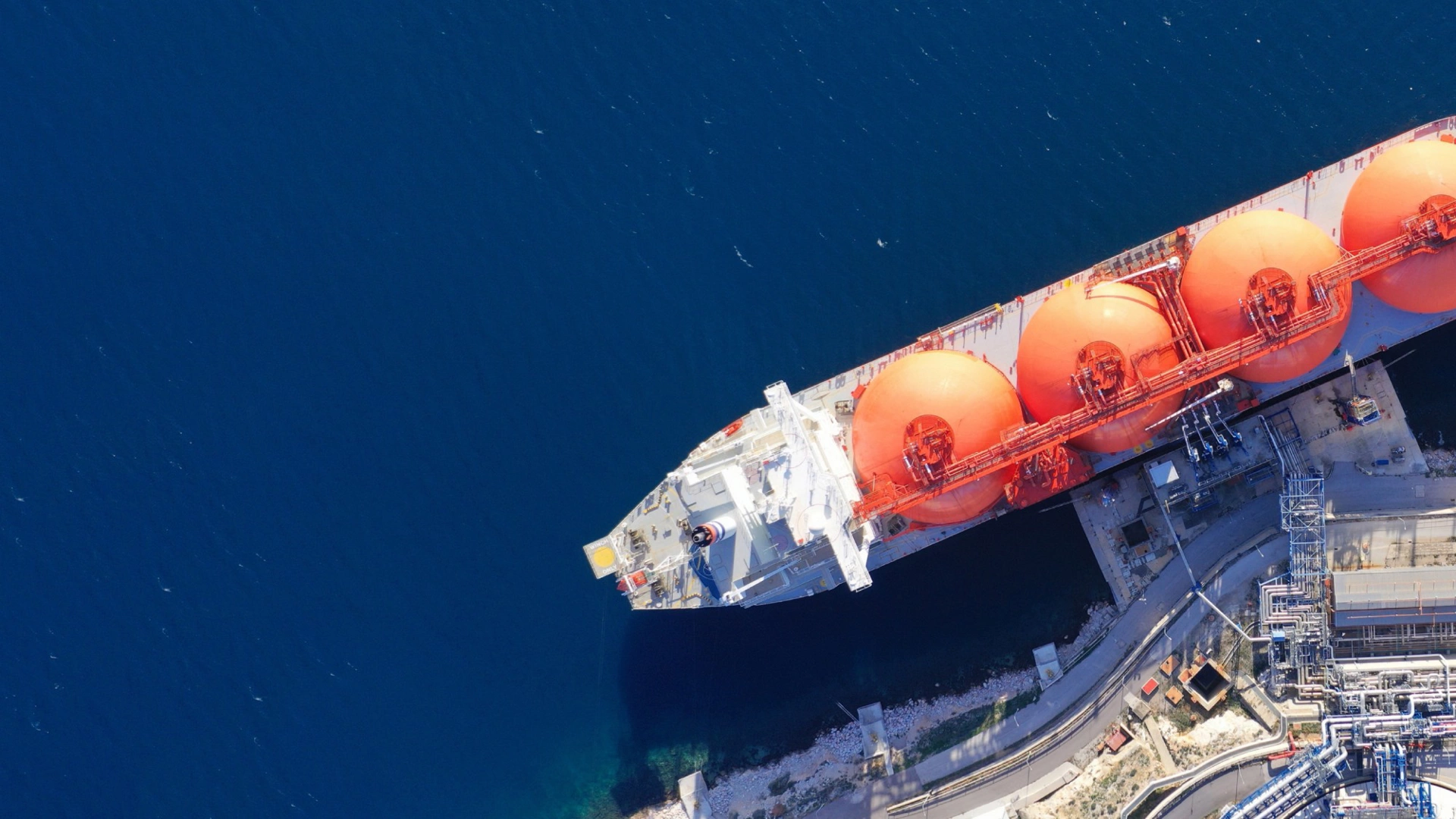
LNG plays a pivotal role in the energy transition, serving as an essential bridge fuel to help reduce emissions in the power sector. To meet increasing global demand, LNG producers must optimize operations while also reducing operational costs.
By integrating advanced measurement instrumentation, LNG plants can accelerate startup times, reduce operational costs, and enable data-driven decision-making that enhances safety, efficiency, and reliability across the liquefied natural gas value chain.


Optimize the LNG Value Chain with Precision Measurement Instrumentation

Explore Processes


Frequently Asked Questions
Maintaining safe LNG operations requires continuous monitoring of established process limits. Pressure measurement helps protect tanks and vessels from overpressure and can identify conditions that may lead to rollover events. Temperature measurement helps identify cold spots associated with leaks, cryogenic embrittlement risks, and abnormal cooldown conditions. Reliable level measurement helps prevent overfill events—a significant LNG safety hazard—while also supporting rollover prevention. Together, these measurements provide critical inputs to alarm systems and safety-instrumented shutdown systems.
Accurate flow measurement using solutions such as Coriolis and ultrasonic meters minimizes measurement uncertainty in custody transfer applications, directly protecting revenue and improving reconciliation accuracy. Flow data also supports mass balance calculations to identify losses, boil-off gas, and unaccounted-for product. Real-time flow data helps optimize loading and unloading rates within tank and pump operating limits, reducing transfer times and berth occupancy. In addition, flow measurement supports boil-off gas management and pump efficiency monitoring.