


Unlock Higher Efficiency and Safer Operation
Digital automation, advanced control, and smart instrumentation support safer, more efficient SMR operations
Steam methane reforming demands precise control of pressure, temperature, and gas composition. From front-end reformer performance to downstream hydrogen purity, our scalable solutions help reduce energy consumption, manage emissions, and ensure continuous, safe operation. With advanced diagnostics, analytics, and process control, your teams can proactively respond to variability and maintain production goals—even in dynamic hydrogen markets.
SMR Solutions in Action
Maintaining the steam-to-carbon ratio, managing catalyst degradation, controlling emissions, and ensuring product purity all require a connected solution architecture. Our technologies deliver actionable insight at each stage—whether tuning pressure controls at the front end, safeguarding gas purity post-reformer, or ensuring long-term asset health. These capabilities allow operators to improve output, extend unit life, and reduce total cost of ownership in SMR operations.
Smarter Reforming for Blue Hydrogen Production
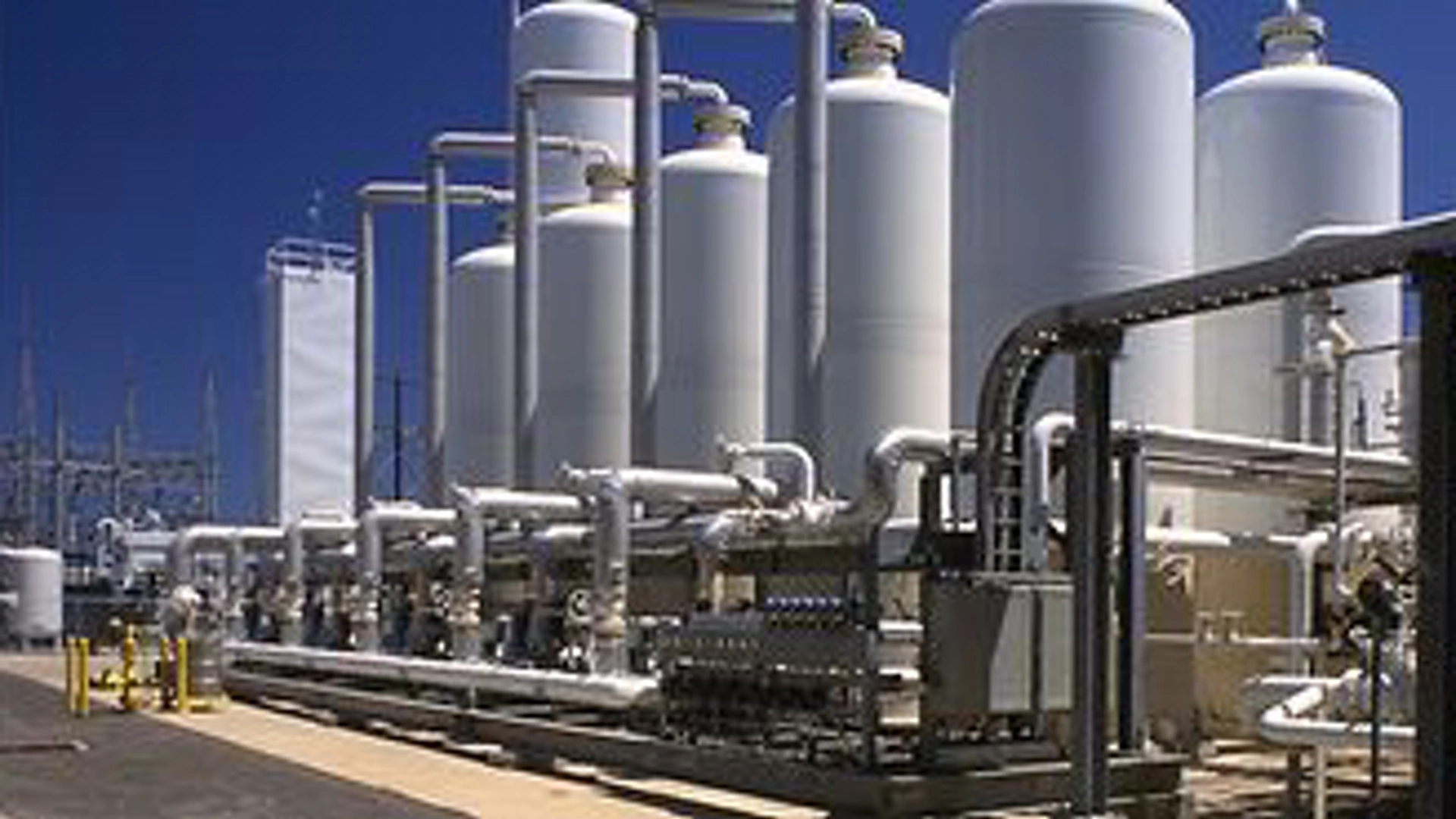
Natural gas reforming uses an advanced and mature process that builds upon the existing natural gas availability and infrastructure. In the United States, 95% of the hydrogen produced utilizes natural gas reforming to enable and meet the demand for hydrogen production. Emerson supports operators through advanced technologies in steam methane reformer operations, amine treatment, and vacuum swing adsorption.
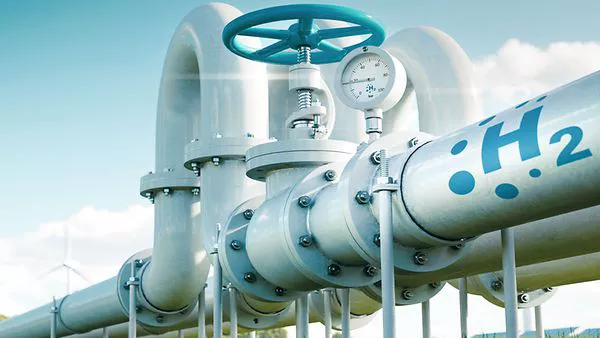
Optimizing Steam to Carbon Ratio in the SMR for Blue Hydrogen
Maximize hydrogen output while minimizing carbon intensity through better ratio control.
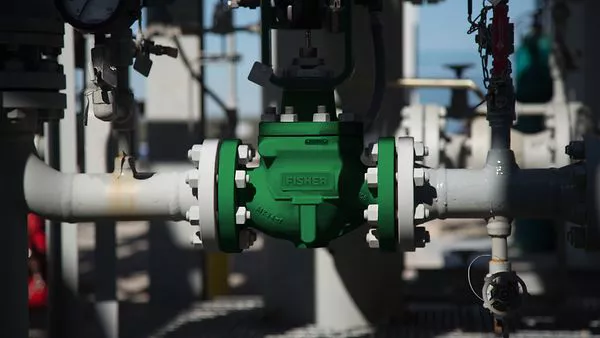
Fisher™ Control Valves
Trusted for precise flow control and durability in high-temperature SMR environments.
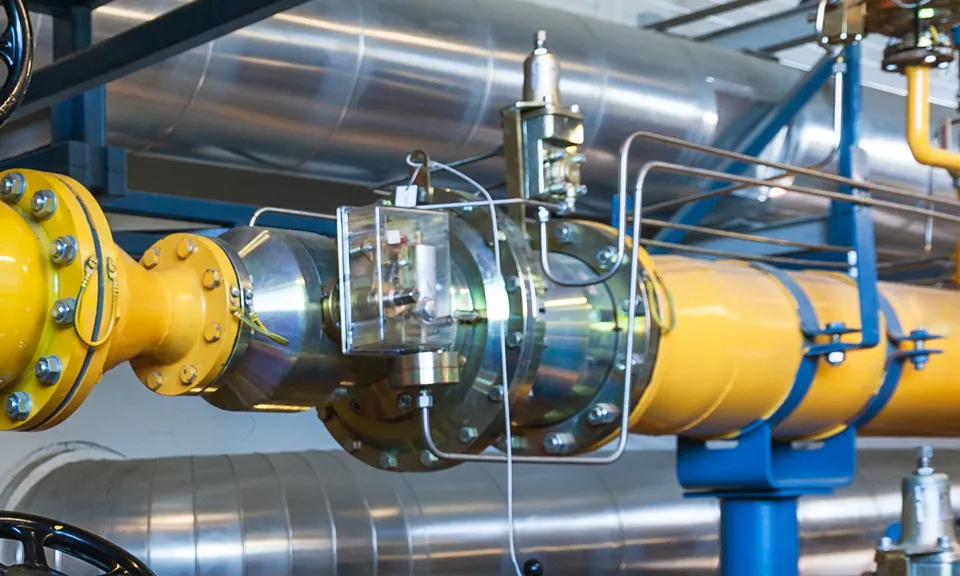
Pressure Control Solutions
Maintain safe and stable operations across pressure-sensitive reformer applications.
Business Groups in SMR
Addressing the performance and sustainability demands of modern SMRs requires cross-functional collaboration. From control systems to final control devices and precision instrumentation, each business group contributes critical expertise and technology. Explore how these groups support your hydrogen production journey.
Final Control
Measurement Instrumentation
Frequently Asked Questions (FAQs)
Review frequently asked questions about steam methane reforming, including process fundamentals, emissions control, and system reliability. Learn how Emerson solutions help optimize hydrogen production while supporting safety, efficiency, and environmental compliance.
The bulk of hydrogen produced today is “grey” hydrogen, produced by SMR with CO2 released to atmosphere. Since this has obvious greenhouse gas emissions, some facilities are adding carbon capture as a separate stage that reclassifies the hydrogen as “blue,” which is higher on the sustainability scale.
SMR has been in use long enough to make it a mature process with extensive natural gas feedstock availability and infrastructure. Emerson supports operators through advanced technologies for the SMR, plus multiple technology choices for carbon capture.
These techniques are both used for carbon capture and capable of sequestration rates above 90%. The challenges involving PSA and VSA are similar – ensuring safety, purity ,and reliability despite very high cycle rates, while preventing leaks that cause lower capture efficiency. The choice of which technology to use is another discussion, but Emerson’s advanced control technologies can maintain efficient operation when tied to the production rate of the associated SMR unit.