Minimize Erosion Risk to Help Optimize Production
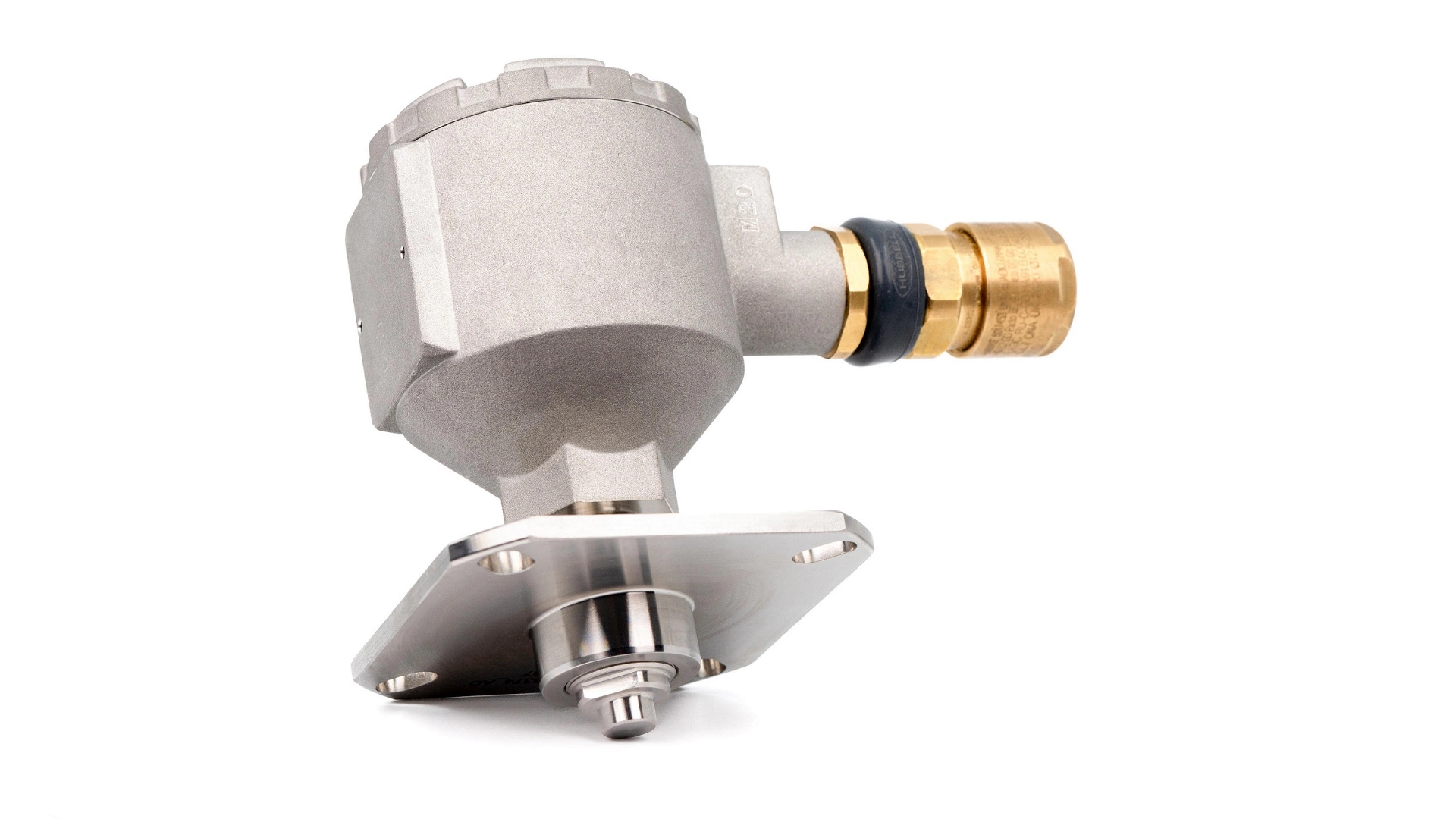
Emerson’s Rosemount™ SAM42 Acoustic Particle Monitor non-intrusively detects extremely low concentrations of entrained sand in challenging conditions and provides real-time sand rates and an indication of solid particles production. Combined with Emerson’s Rosemount Corrosion and Erosion Transmitters, this comprehensive, reliable solution helps you make quick, data driven decisions to mitigate erosion risks associated with sand production, extend the operational life of your equipment, and optimize production efficiency.
A Closer Look at the Rosemount SAM42 Acoustic Particle Monitor
How the Rosemount SAM42 Works
The Rosemount SAM42 utilizes an acoustic sensor to detect sand in ultra-low concentration and capture the noise produced by particles impacting the pipe wall. This noise is processed using digital signal processing and, with the addition of a velocity input, generates reliable and actionable data, including sand rate, accumulated sand mass, and sand intensity. It connects to the Distributed Control System (DCS) through a field cable and outputs processed data without requiring dedicated software, servers, or additional field-wired hardware.
Sand Detection Monitoring + Corrosion and Erosion Transmitters
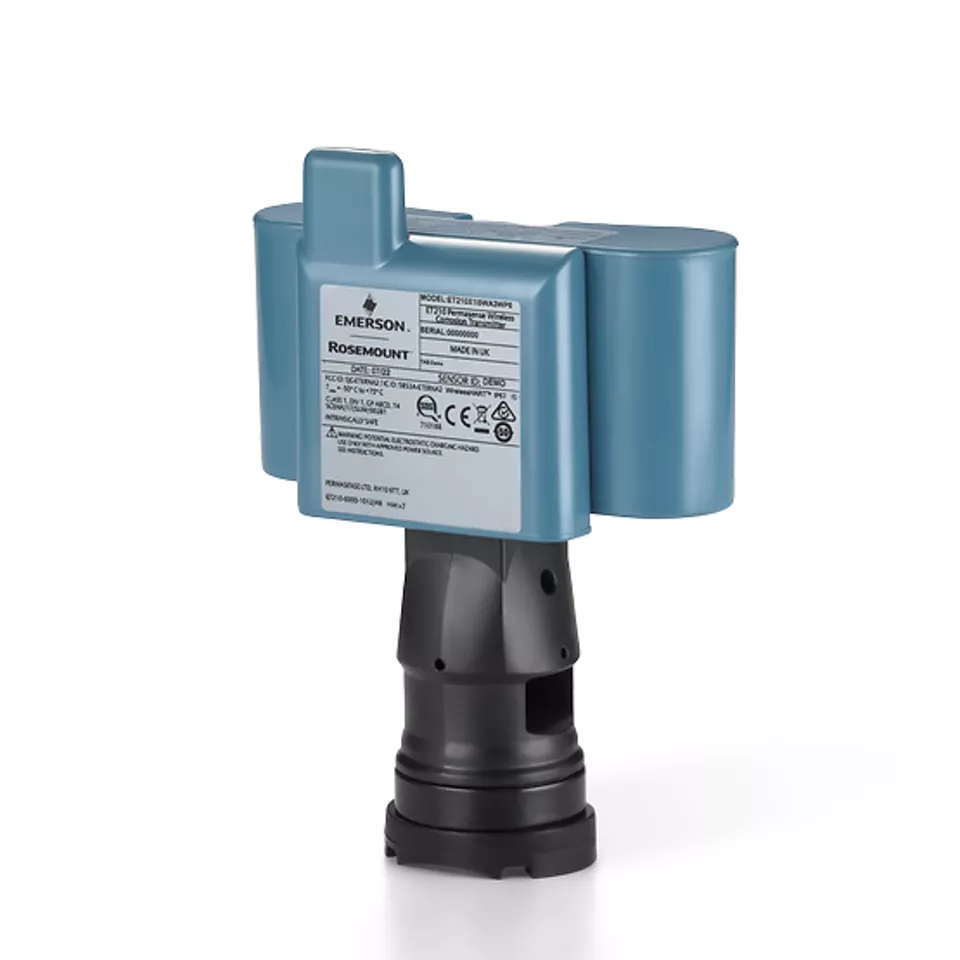
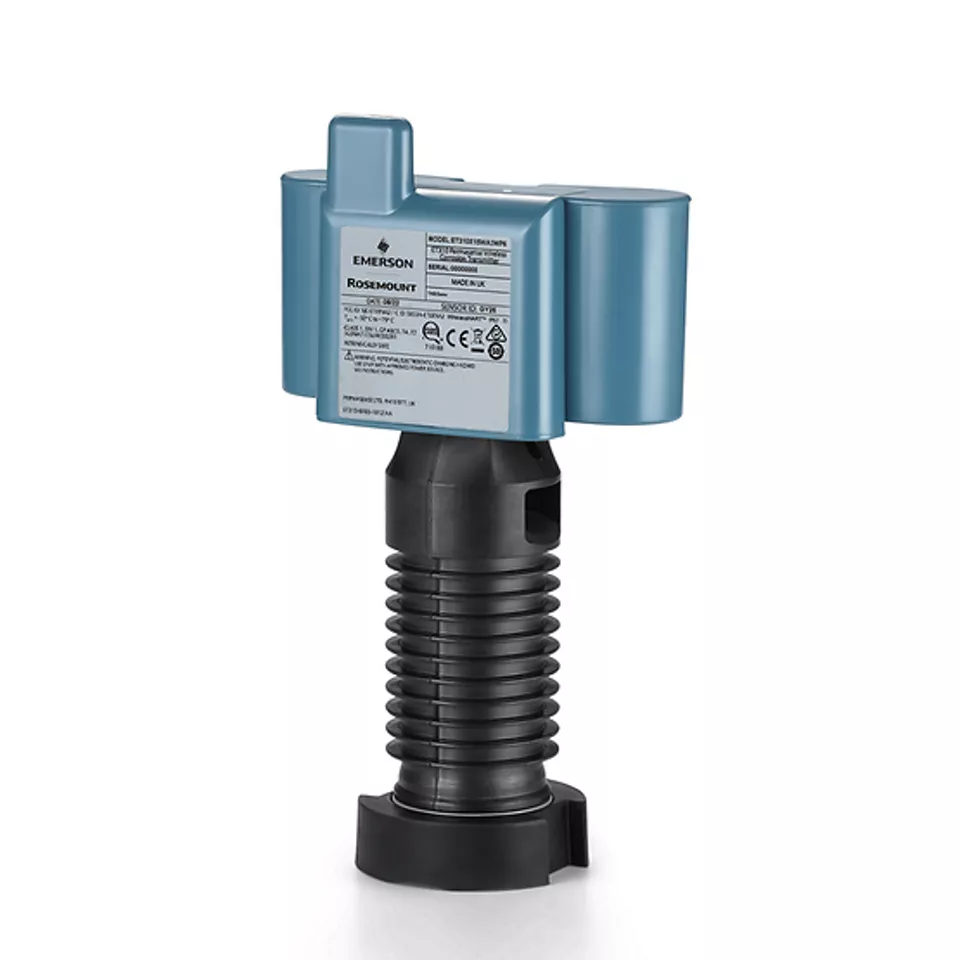
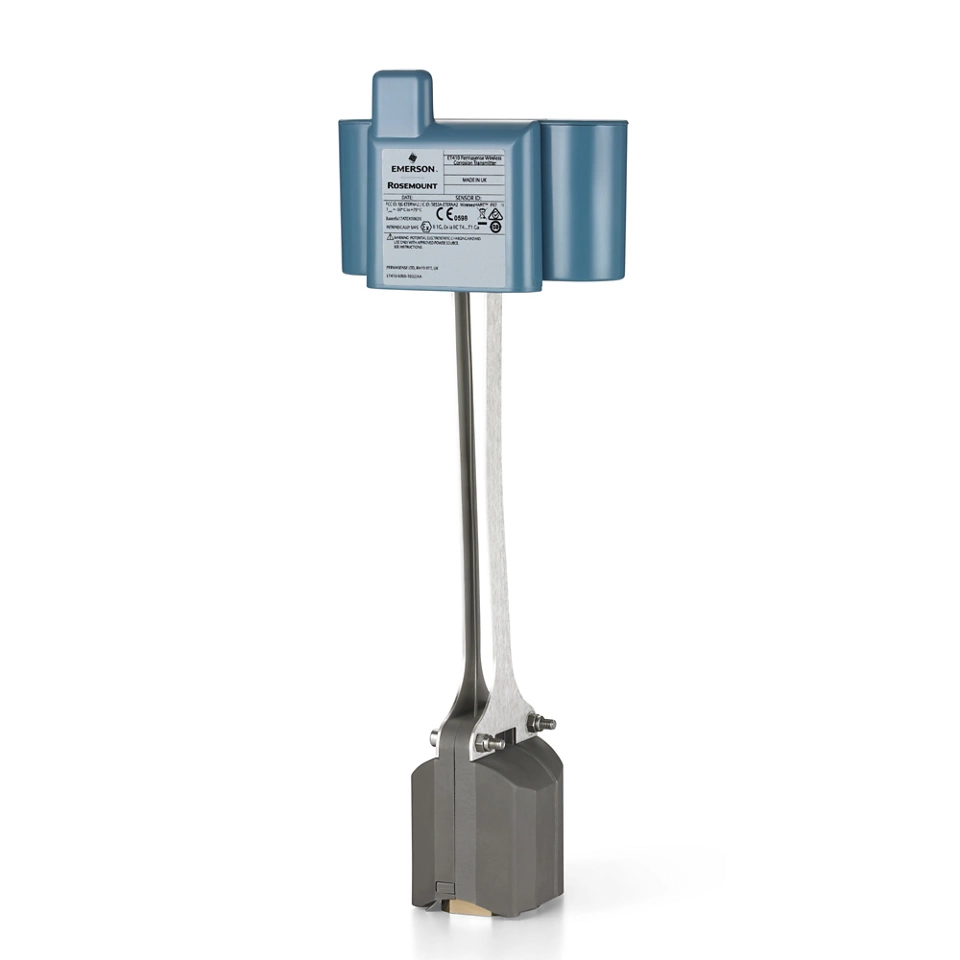
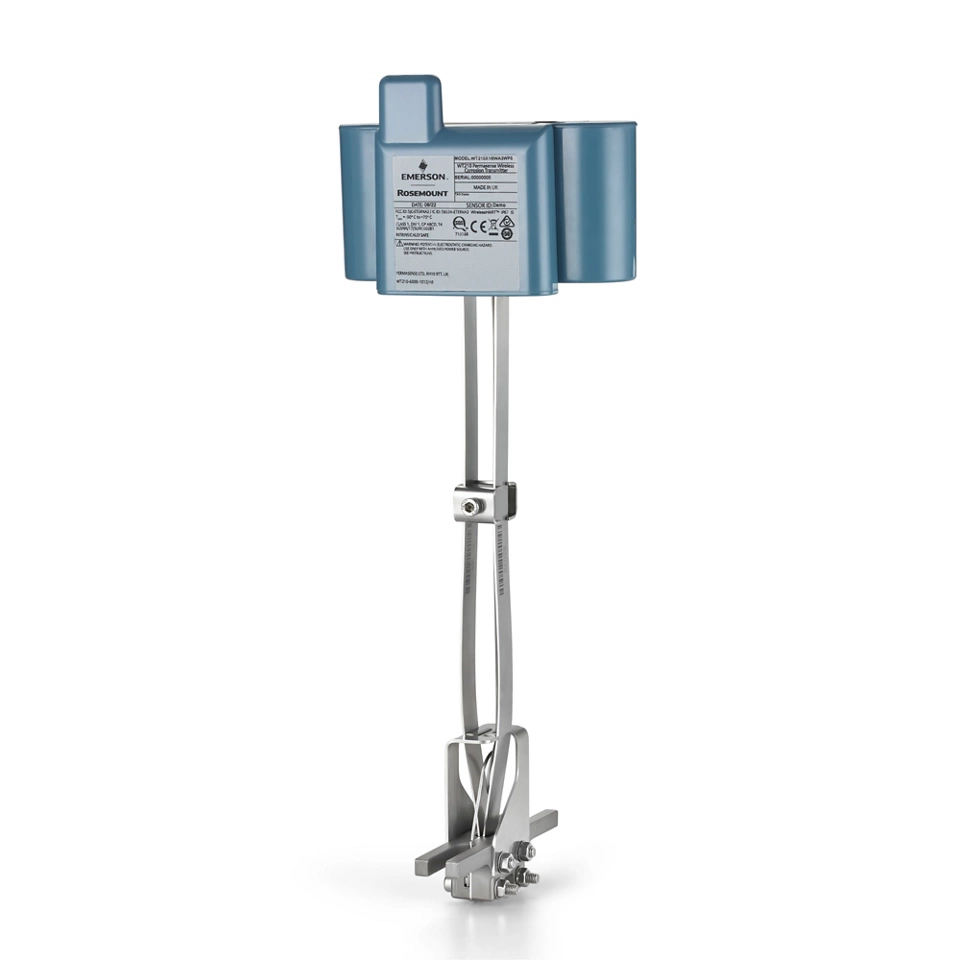
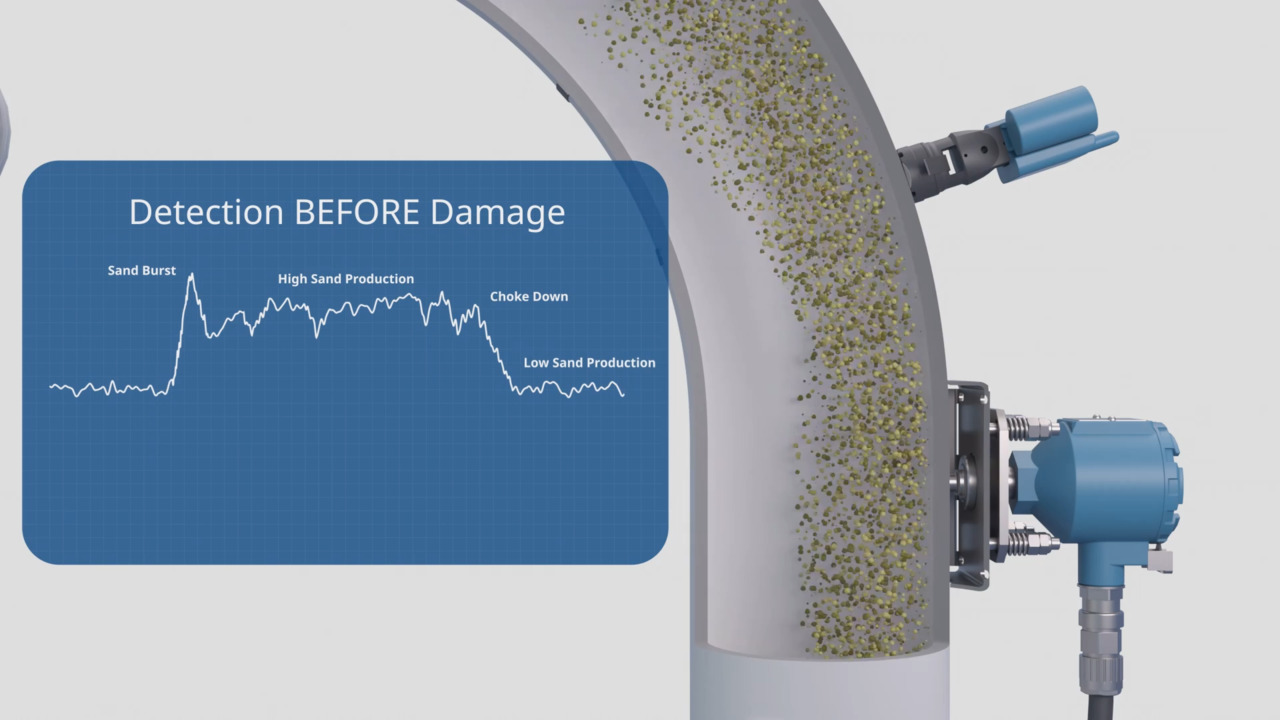
Leverage both the Rosemount SAM42 Acoustic Particle Monitor and Rosemount Wireless Corrosion and Erosion Transmitters to monitor both risk and impact of erosion, helping detect the risk of erosion before damage occurs and monitor areas where erosion risk is present.
Common Industries and Applications
Manage Erosion Risk and Damage
Challenge: Erosion damage from increased sand production can often occur on the topside infrastructure, which results in compromised asset integrity, costly unplanned shutdowns, and inefficient operations.
Solution: The Rosemount SAM42 can help produce at sand-free rates or acceptable sand rates, thus controlling erosion risk and helping protect any asset from erosion damage. This results in cost savings by preventing unplanned shutdowns and maintaining asset integrity, while optimizing production for safe and profitable operations.
Resources
Case Study: Oil & Gas Platform Maintains High Production Efficiency Without Compromising Asset Integrity Using Emerson’S Sand Monitoring Solutions
Case Study: Oil and Gas Operator Optimizes Separator Performance While Reducing Maintenance with Emerson's Online Sand Monitoring Solutions
Article: Explaining Sand Erosion in Oil & Gas Production - Part 1
Frequently Asked Questions
Sand is abrasive, causing erosion in flowlines, valves, pumps, and other applications. Erosion leads to metal loss, which can lead to equipment damage, equipment failures, environmental risk, costly repairs, reduced production, and ultimately, decreased profits.
If facilities only obtain “grab-samples” to characterize and quantify the entrained sand, this provides delayed information, which is poorly correlated with process events. Sand production can fluctuate significantly, creating safety risks to personnel and equipment through delayed decision making. Failure to act quickly exposes assets to excessive erosion, increasing maintenance expenses, and the risk of unexpected shutdowns. Through continuous monitoring, the Rosemount SAM42 can help warn you if there is an erosion risk and if the risk is increasing rapidly, allowing you to make quick decisions backed by comprehensive data.
Using both the Rosemount SAM42 Acoustic Particle Monitor, which monitors the risk of erosion, and Rosemount Wireless Ultrasonic Thickness (UT) Transmitters, which monitor the impact of corrosion and erosion, you can detect erosion risk before erosion damage occurs, helping you mitigate these risks, prolong the lifespan of your equipment, and optimize production efficiency.
You can use the Rosemount SAM42 without calibration, however, without any calibration, the Rosemount SAM42 will measure the raw noise, which is a mix of surrounding noise, flow noise, and sand produced noise. An increase in raw signal can indicate that sand is present in the flow, but it can also be caused by a rise in flow velocity, a nearby valve that just opened, or other factors.
Calibration helps avoid external noise or changes in process parameters that can be perceived as sand production. Background noise calibration eliminates surrounding and flow noise, allowing the device to more accurately identify sand noise. The noise profile differs between wells and even among wells at the same site (gas wells are typically quieter and multiphase flows are typically noisier). Therefore, calibrating the device for each specific location allows for tailored and more accurate measurements, rather than a one-size-fits-all approach.