


Maximize Centrifugal Pump Performance
Help prevent failures and improve pump efficiency with condition-based diagnostics
Pump failures caused by restricted flow, seal issues, or cavitation can result in costly unplanned downtime. Scalable monitoring and analytics tools provide continuous visibility into centrifugal pump health and performance. With accurate diagnostics and wireless instrumentation, maintenance teams can make proactive decisions and improve equipment reliability.
Centrifugal Pump Solutions in Action
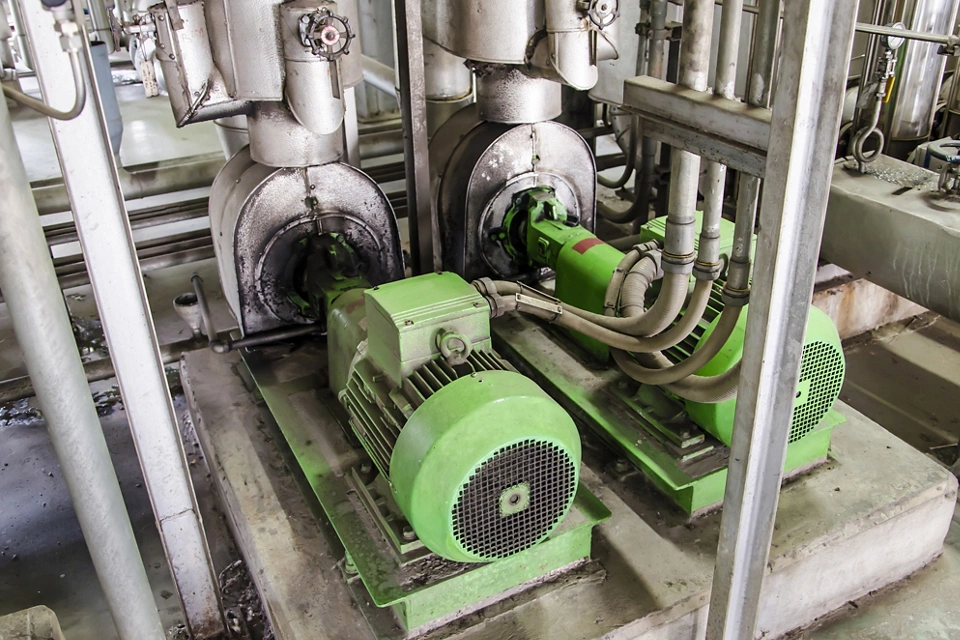
Few assets in a facility are as critical and maintenance-intensive as centrifugal pumps, which is why so many applications use multiple-unit installations for backup. Emerson’s in-depth monitoring and predictive diagnostic applications warn operators of abnormal operation and potential failure, enabling condition-based and proactive maintenance. Continuous monitoring allows for timely corrective action to ensure continuous operation.
Protect Against Cavitation
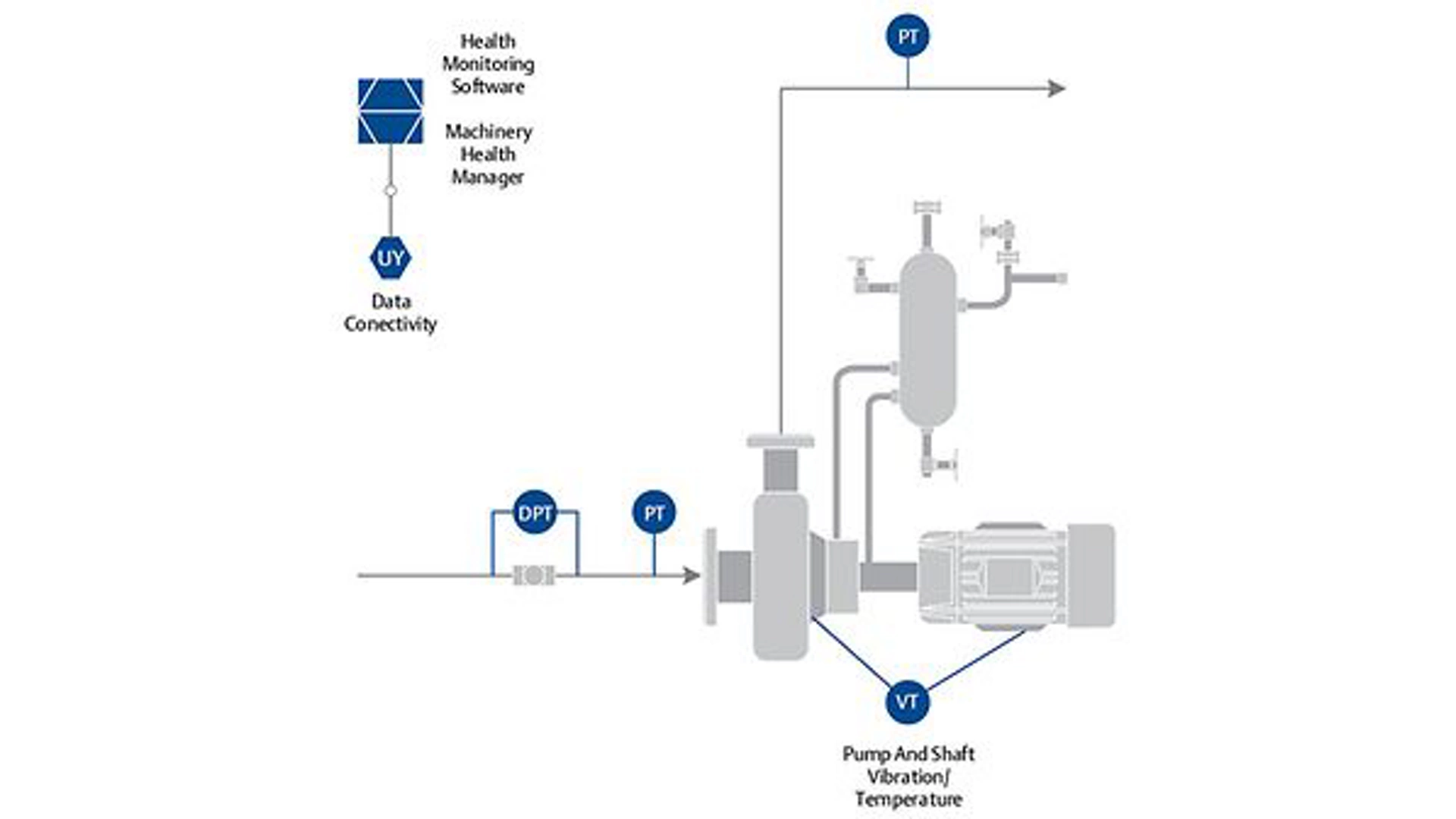
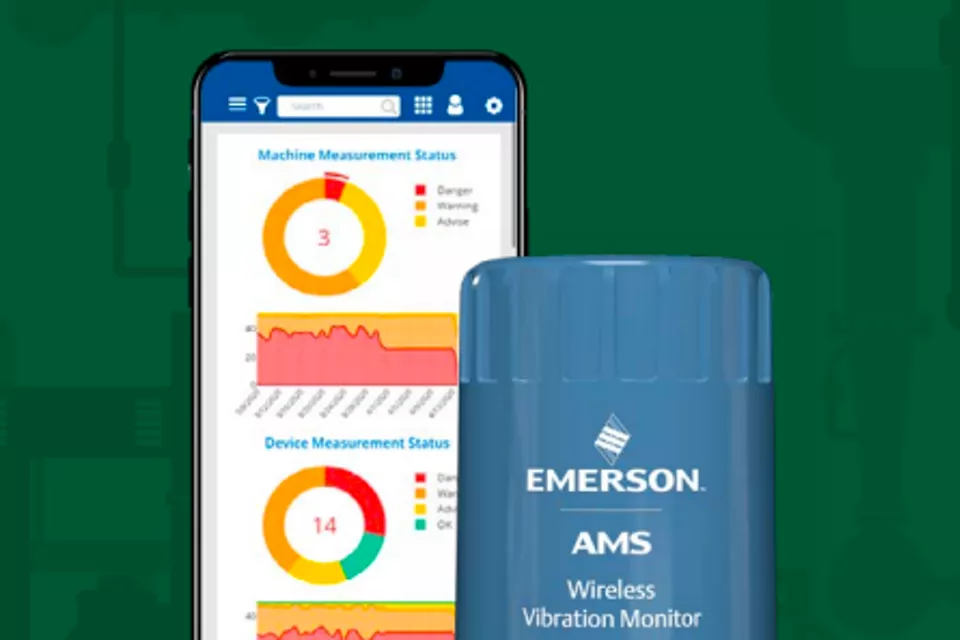
Early detection of pump cavitation is essential because pump cavitation causes increased wear on the pump case and impeller, plus it can increase vibration, shortening seal and bearing life. Emerson offers a selection of vibration sensors for the pump and motor, along with pressure transmitters for suction and discharge lines capable of detecting characteristic noises created by cavitation. These can be easily integrated with Asset Management Software (AMS) technology to detect cavitation conditions immediately and keep your pumps running reliably.

Online Condition Monitoring Solutions for Mechanical Assets
Detect cavitation issues early using vibration and process data analytics.
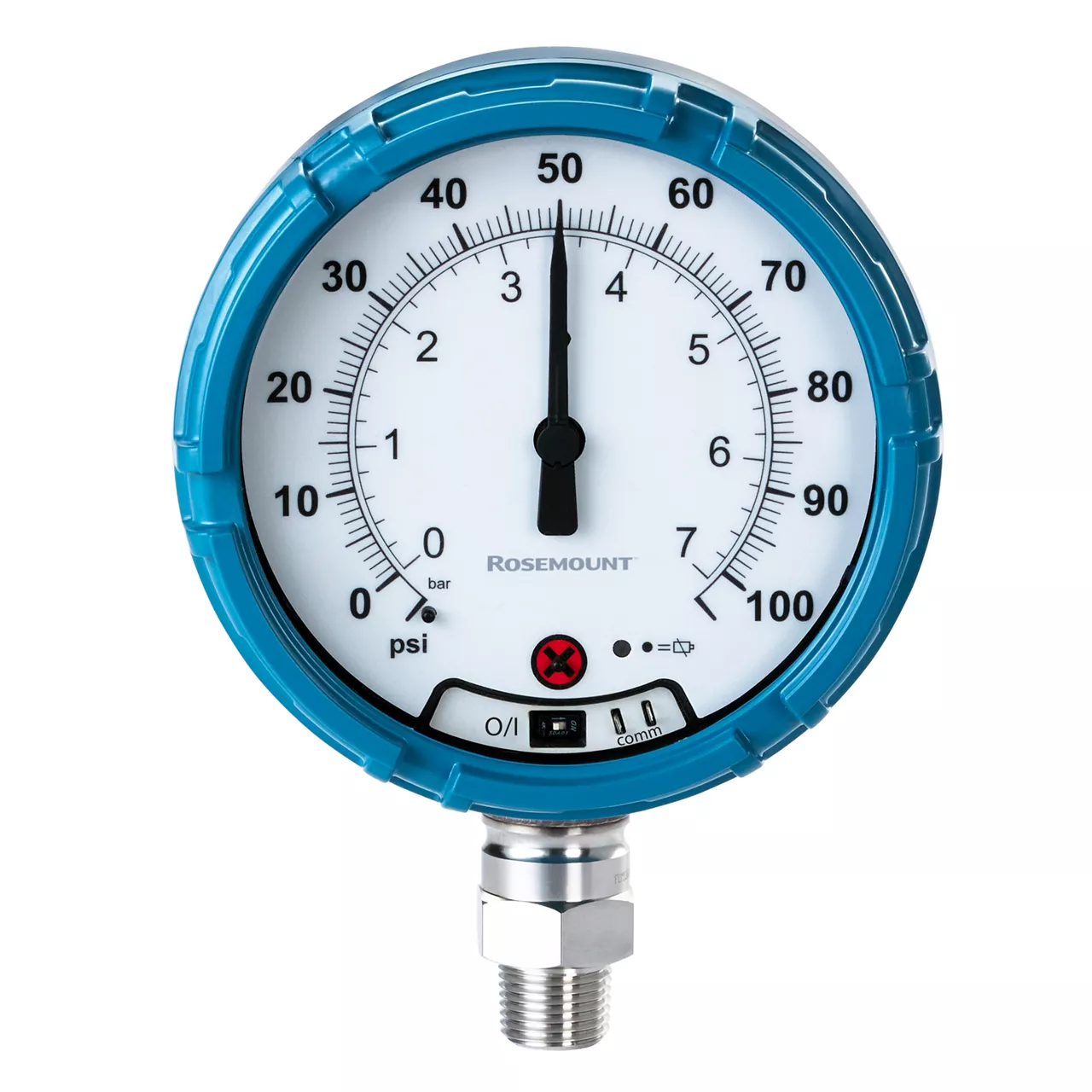
Rosemount™ Wireless Pressure Gauge
Enable remote pressure visibility to help prevent pump cavitation.

AMS Device Manager
Manage device diagnostics and alerts for reliable pump operation.
Business Groups Specializing in Centrifugal Pump
Achieving consistent centrifugal pump performance requires a multidisciplinary approach—from automation platforms to measurement instrumentation and final control devices. Discover how our business groups work together to help maintain uptime, reduce costs, and improve safety in rotating equipment applications.
Automation Systems
Solution-Related Documents for Centrifugal Pump
Access a targeted collection of media, case studies, and technical resources focused on centrifugal separation in chemical applications. These materials highlight proven strategies to increase throughput, reduce energy use, and ensure process reliability. Leverage Emerson’s expertise to drive efficiency and maximize performance in your separation operations.

Frequently Asked Questions (FAQs)
Explore frequently asked questions about pump efficiency, cavitation prevention, and maintenance best practices. Learn how Emerson technologies help monitor performance, extend equipment life, and reduce unplanned downtime in critical pumping applications.
If the inlet flow of a pump is restricted by a clogged strainer, closed valve, or other obstruction, gas filled cavities or bubbles can form in the process media due to negative pressure. These sound like the pump is moving rocks and can cause excessive wear on the case and impeller, and increase vibration for the entire installation if not corrected. Emerson’s pressure transmitters can detect this condition, and vibration sensors warn of changes to the installation so the problem can be corrected.
Vibration in rotating equipment is the greatest enemy of component life. The most common source of vibration for direct-coupled pump installations is shaft misalignment. If the equipment base is not fully solid and if the installation has not been adjusted to bring the two shafts onto a coaxial line when the equipment is at running temperature, excess vibration results. Cavitation can also enter into the picture, but it is more easily recognized. Emerson’s vibration sensors, combined with Plantweb Insight software, determine when changes in vibration characteristics indicate formation of damaging conditions.
The mechanism to keep fluid inside the pump and avoid leakage where the shaft enters the case is a critical vulnerability. Old pump designs used packing, but mechanical seals have gained popularity. The seal has its own liquid system to equalize pressure, and the flushing mechanism cleans debris from the sealing surfaces. This system must be monitored for pressure and fluid level to ensure correct operation, and Emerson offers instruments well-suited to this application.
Common problems and failures associated with pumps include cavitation, mechanical seal failure, bearing failure, impeller wear or damage, leakage, overheating, impeller or shaft misalignment, insufficient flow or low pressure, motor or drive issues, material compatibility issues, and foreign object damage. Proper pump health monitoring and proactively addressing issues promptly are essential to mitigate these problems and ensure optimal pump performance.