

Comprehensive Wellhead Performance
Maximize production and safety with connected, integrated wellhead solutions
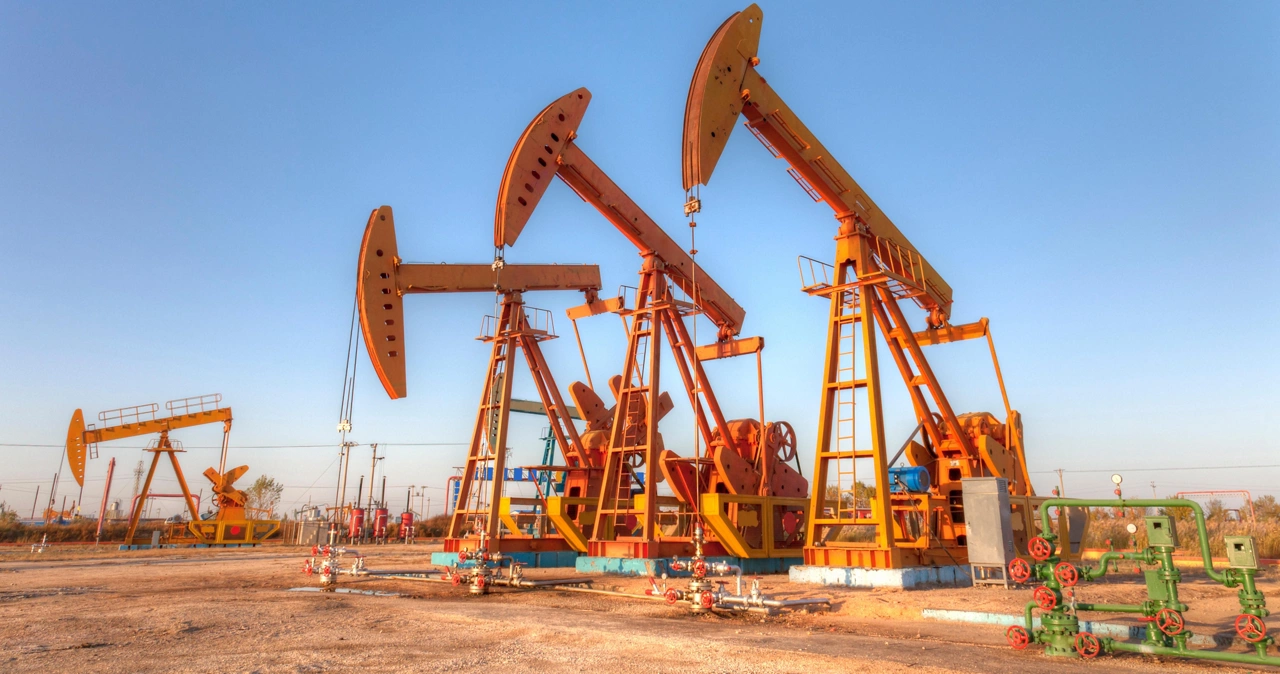
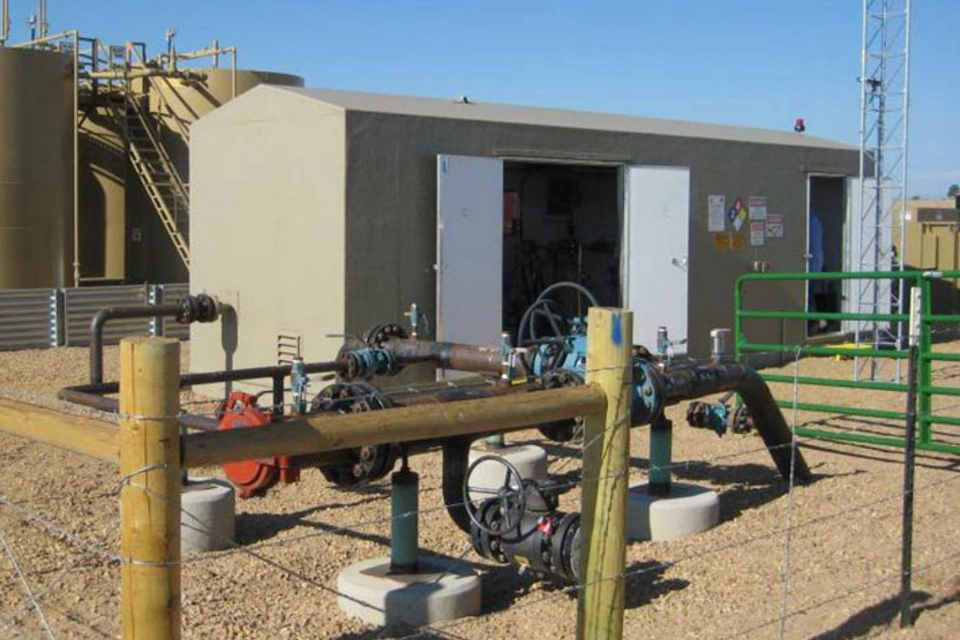
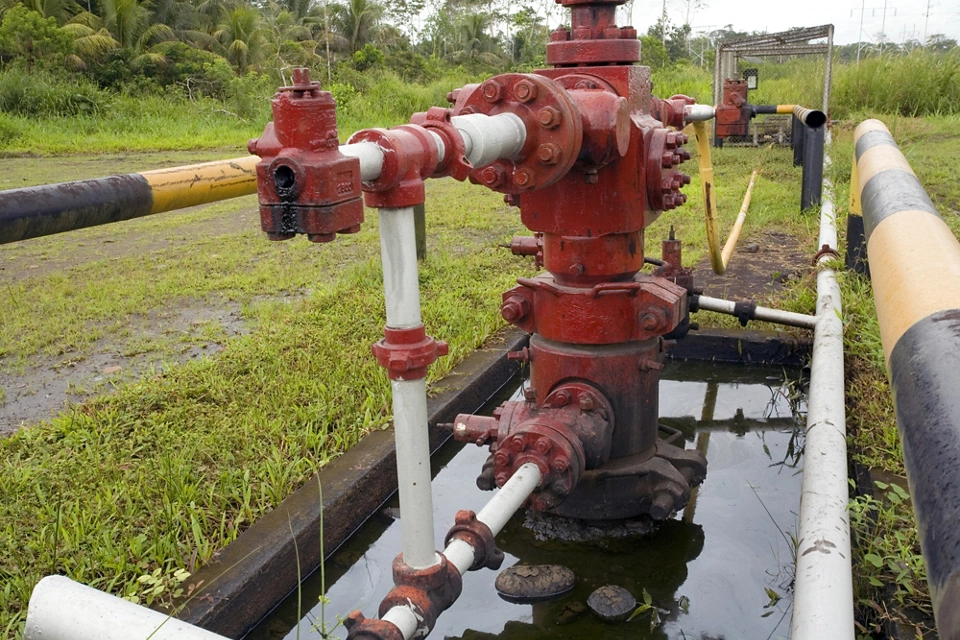
Wellhead systems must operate flawlessly to ensure the safety and efficiency of upstream operations. Modern wellhead solutions integrate sensing, control, and data analytics to reduce manual intervention, improve field visibility, and support reliable production goals. Whether in onshore shale or remote offshore fields, reliable wellhead automation delivers measurable value.
Wellhead Solutions in Action
Across the globe, operators are improving well performance and minimizing emissions using innovative control and measurement technologies. Case studies demonstrate how data-driven wellhead systems enable predictive maintenance, faster response times, and fewer site visits—all while enhancing safety and production.
Production Optimization
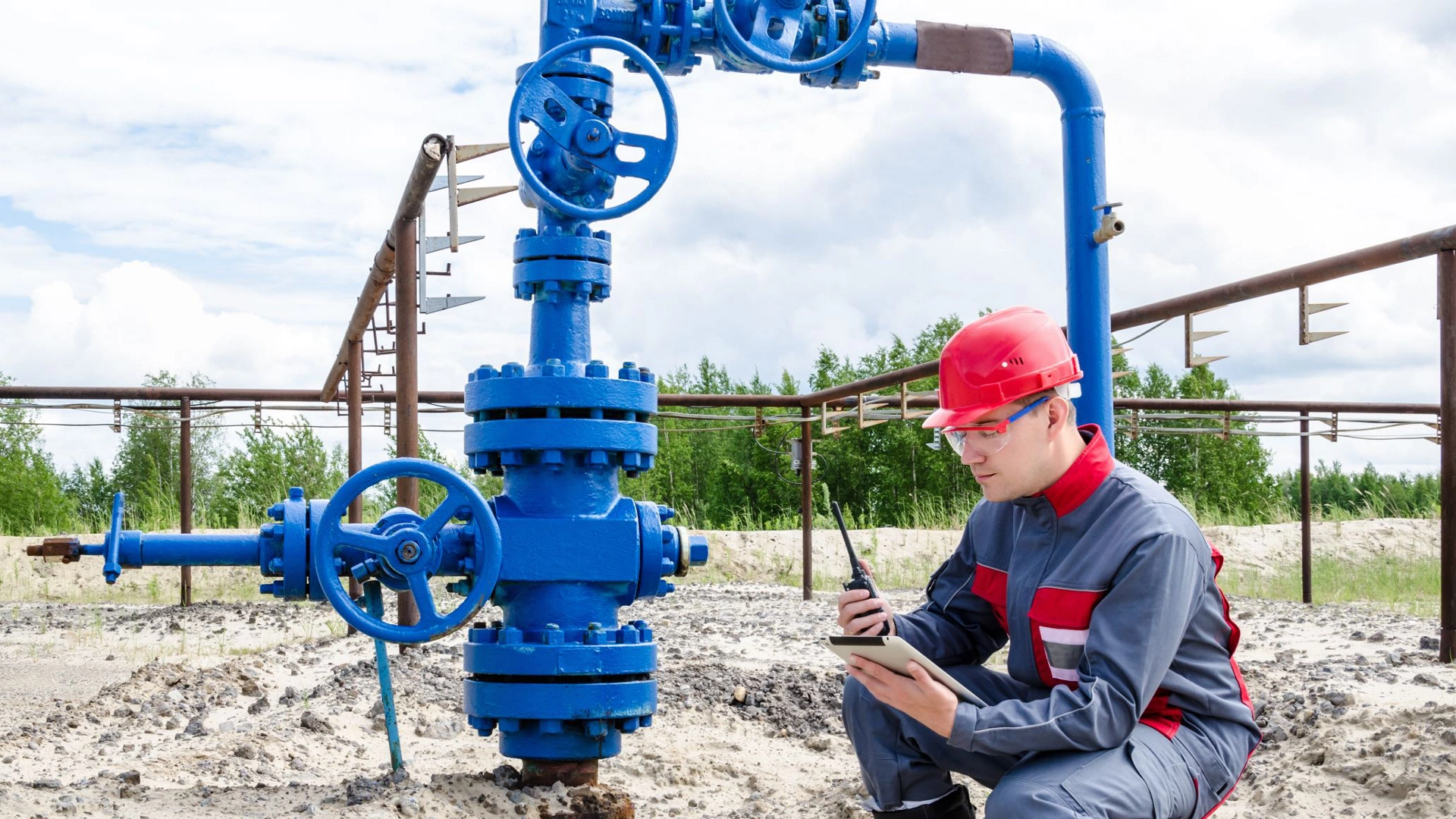
Leverage advanced measurement and control technologies to unlock higher production rates, reduce downtime, and improve reservoir recovery across diverse wellsite conditions.
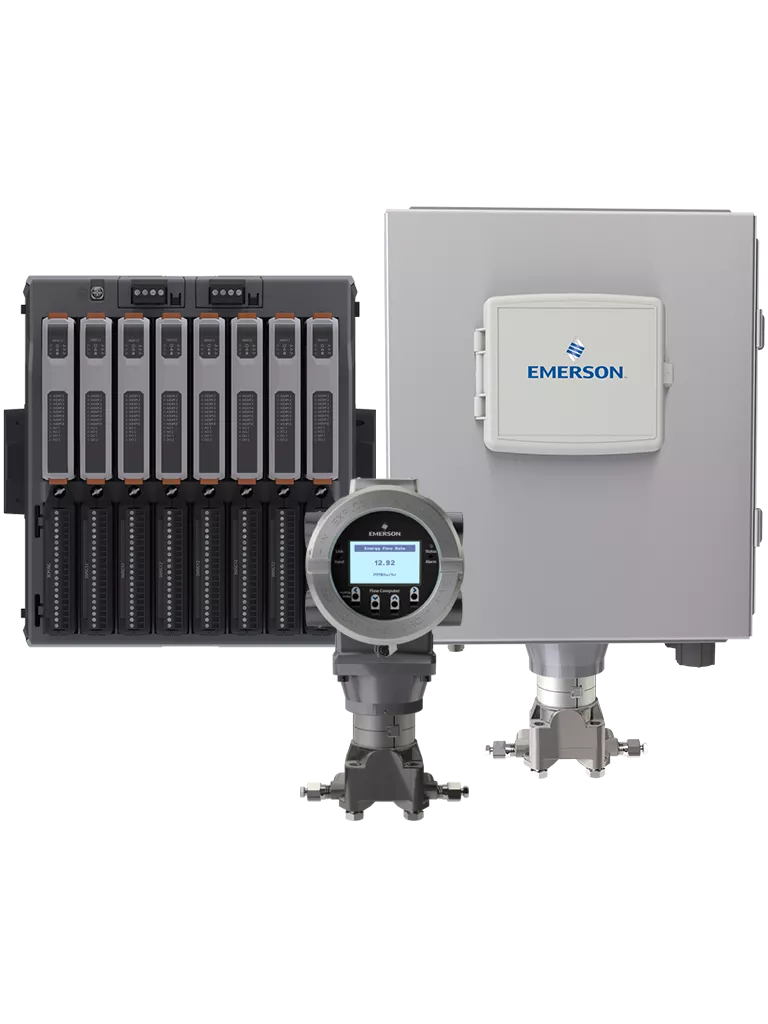
Measurement and Control - FB Automation Platform
Upgrade your operations with the DeltaV FB3000 RTU: a flexible, scalable controller that supports real-time data management, remote access, and digital transformation.
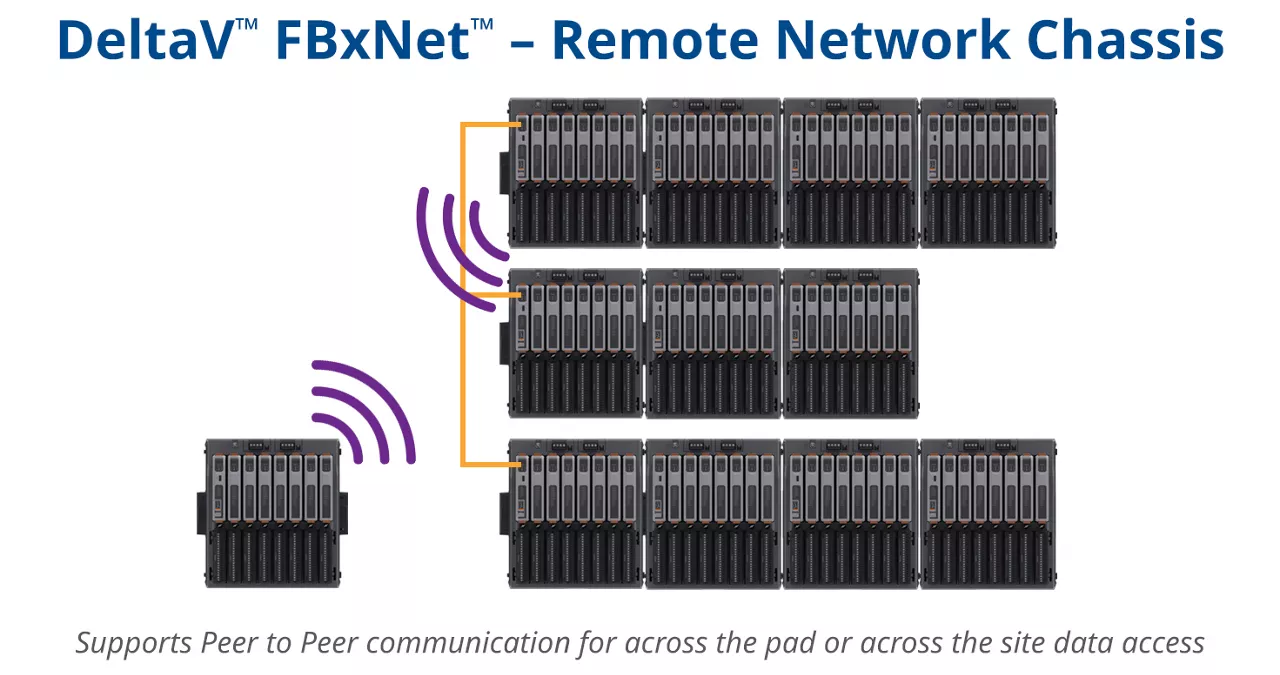
DeltaV FBxNet Networking Solution
Drive operational excellence with our flexible, standardized automation platform for multi-wellpad architectures.
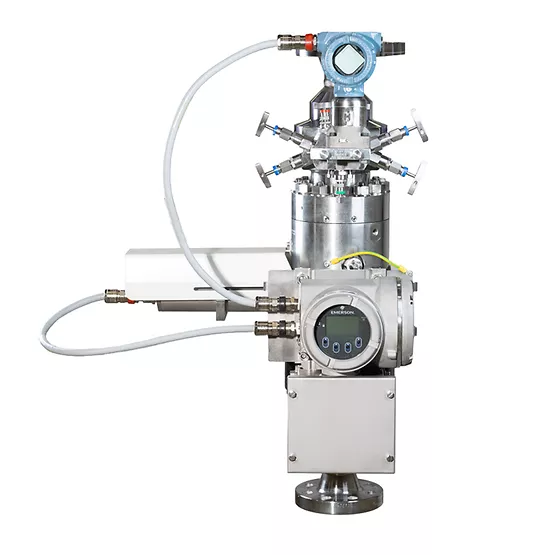
Roxar 2600 Multiphase Flow Meters
Maximize production and accurately characterize flow regimes and get critical well data, ensuring optimal flow assurance and well testing.
Business Groups in Wellhead Solutions
Wellhead applications benefit from innovations across measurement, control, automation, and diagnostic technologies. Each business group brings specialized expertise to improve uptime, enhance safety, and deliver more actionable data from the field.
Automation Systems
Measurement Instrumentation
Solution-Related Documents for Wellheads
Stay informed with the latest wellhead innovations, customer success stories, and industry developments. From extending equipment life to reducing fugitive emissions and optimizing uptime, these real-world examples highlight how Emerson's technologies and expertise are solving operational challenges at the source—safely, efficiently, and reliably.

Frequently Asked Questions (FAQs)
Explore frequently asked questions to better understand how wellhead technologies support safe, efficient, and reliable operations across drilling and production environments.
Emergency shutdown (ESD) valves are a critical safety component at the wellhead. They are used to stop the flow of hazardous liquids or gases in case of an abnormal or hazardous condition.
Many wellheads are located in remote, unmanned locations. They may not have access to instrument air, process gas, or utility electric power. Safety, reliability, and environmental protection must also be considered when automating critical emergency shutdown valves. A self-contained hydraulic actuator system or an electric actuator with low power requirements that can operate using solar power are two options to address these requirements.
An intelligent wellhead system is a sophisticated solution that integrates advanced automation, sensors, and analytics to enhance the management and control of wellhead operations.
This system typically includes:
- Advanced sensors and measurement devices: To provide real-time data on pressure, temperature, flow rates, and other critical parameters.
- Automation and control technologies: To automate wellhead functions such as valve operations and pressure management, reducing the need for manual intervention and increasing operational efficiency.
- Data analytics and monitoring: To analyze data from various sources, optimize performance, predict maintenance needs, and ensure compliance with safety and environmental regulations.
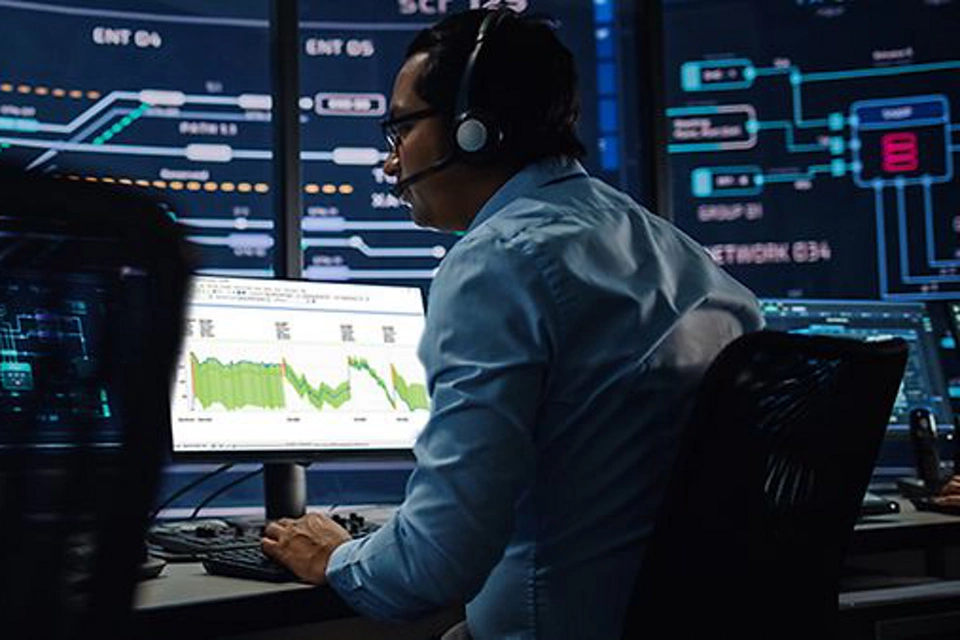
- Remote access and management: Enabling operators to monitor and control wellhead operations from remote locations, improving response times and operational flexibility.
Overall, Emerson’s intelligent wellhead systems aim to increase safety, reliability, and productivity while reducing costs and environmental impact through state-of-the-art technology and integrated solutions
Modern remote terminal units (RTUs) are becoming the preferred control technology by multi-wellpad operators due to their agility and flexibility. RTUs offer greater capacity with a higher number of inputs and outputs and more processing power for data than programmable logic controllers (PLCs). Intuitive software tools allow users to configure RTUs while also providing access to the IEC 61131 programming environment that is common with PLCs to achieve as much control as needed. Installation is another important consideration. PLCs are part of a more comprehensive control system, often located in a large, onsite shelter. RTUs are engineered to endure harsh operating conditions, offering a wider operating temperature range with installation in convenient, cost-effective cabinets. In addition, RTUs generally have much lower power requirements than PLCs, helping to save on electricity costs.