

Optimizing Chemical Recycling Processes
Integrated technologies for reliable and sustainable operations
Chemical recycling demands precise control and monitoring to ensure product purity, manage severe process conditions, and optimize resource utilization. By leveraging advanced automation and control solutions, facilities can achieve higher efficiency, safety, and environmental compliance.
Optimizing Chemical Recycling Processes
Chemical recycling demands precise control and monitoring to ensure product purity, manage severe process conditions, and optimize resource utilization. By leveraging advanced automation and control solutions, facilities can achieve higher efficiency, safety, and environmental compliance.
Precision Control for Product Integrity

Any product that uses plastic waste as its basic feedstock creates operator concern about keeping its supply at some minimum level of contamination, and/or have a process that rejects undesirable elements as a normal step. Effective waste sorting is a major element, but digital tools connected to the process control system and its instrumentation can detect when conditions are moving out of normal ranges, often caused by feedstock contamination, before it also contaminates the final product. These digital technologies help maintain consistent operation and final quality.
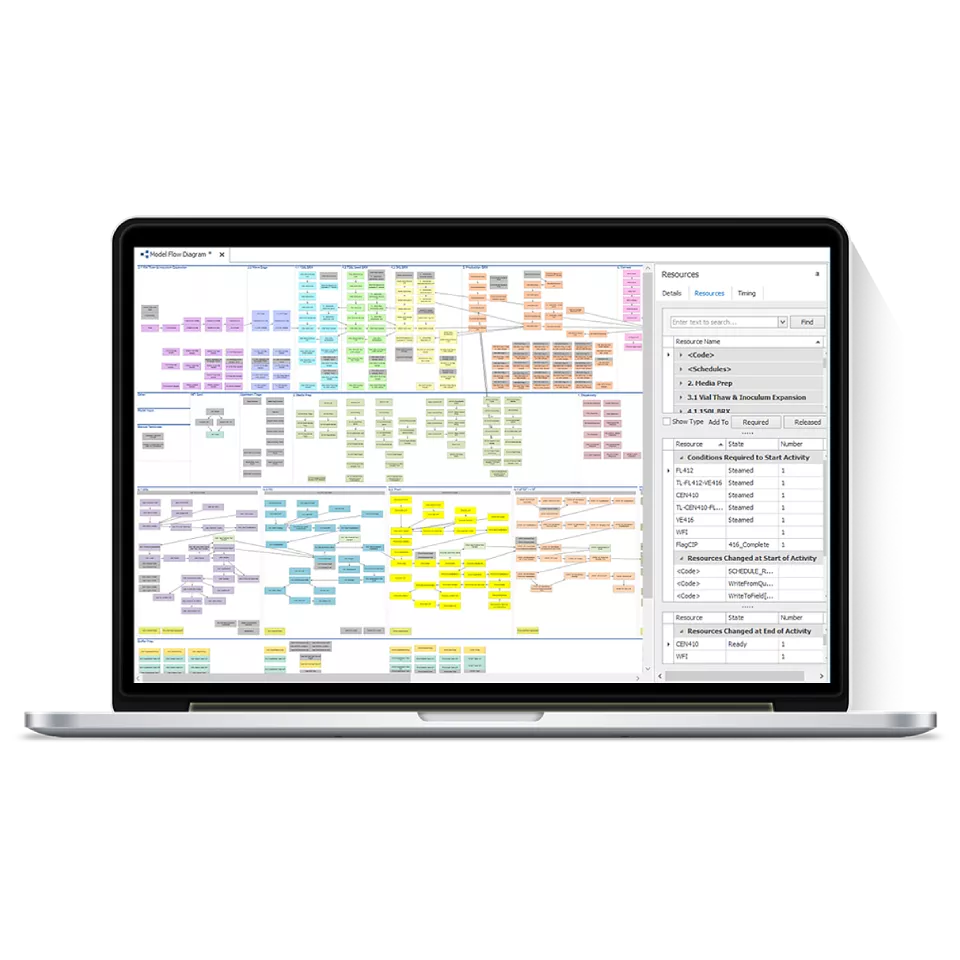
DeltaV™ Real-Time Scheduling
Optimize production schedules to enhance throughput and reduce variability.
Control Systems and Software for the Chemical Industry
Implement integrated solutions for seamless process control and data management.
Industrial Edge Software & Solutions
Delivers real-time data processing at the edge for improved decision-making.
Solution-Related Documents for Chemical Recycling
Access a curated selection of documents, including white papers, case studies, and product brochures, to gain deeper insights into the technologies and strategies that drive successful chemical recycling operations.
Frequently Asked Questions (FAQs)
Explore answers to frequently asked questions about chemical recycling technologies, applications, and challenges. Learn how Emerson’s automation and control solutions support more efficient, scalable, and sustainable recycling operations.
The term chemical recycling covers a variety of processes for breaking down plastic waste so it can be remanufactured, much as it was originally, or made into something else entirely. It uses several techniques that reflect the extent to which the waste is broken down.
Companies moving into the chemical recycling space start from scratch. Some are startups, others are new divisions of larger companies, but the process units are brand new. For example, PureCycle can create near-virgin polypropylene from waste plastic feedstock using a dissolution process. The company has very ambitious plans to build 50 new plants in the next 15 years using this approach. To make that goal a reality, PureCycle is partnering with Emerson to equip these new facilities with intelligent sensors and control valves, advanced operations software, and cloud data management systems. Adopting advanced digital automation technologies, enables faster project completion, fully integrated systems, and world-class operating performance.
It’s not difficult to see that the world is drowning in plastic trash, so recycling is enormously important, and we must be doing everything we can to encourage it. But it is only one step in the development of a true circular economy. Recycling acknowledges and facilitates our “single use” mentality where we buy something, use it, and throw it away. We must replace this linear mindset and move to a circular economy where products last several lifecycles and are designed to be reused, repaired, and remanufactured. Then, when they reach the end of multiple uses, they are recycled easily to begin a new life. Obviously, making this happen requires designing this capability into a product from its conception. If practiced, this reduces environmental impact enormously, and reduces the actual need for recycling.
Yes. This technique is called mechanical recycling and is practical within specific limits. Carefully sorted plastic trash, including sorting by color as well as material, can be shredded and cleaned, and then remelted. This is used primarily for polyethylene terephthalate (PET) material, which is used extensively for plastic beverage bottles. PET can withstand such treatment with minimal loss of quality, however most other plastic types are degraded in the remelting process.
The degree of sorting necessary depends on the nature of the process. For those processes producing recycled plastic equal to virgin material, such as polypropylene, the sorting must be very thorough, although most depolymerization and dissolution processes can remove colors. Pyrolysis processes are more tolerant of mixed feedstocks, but they reduce the final product to a much lower chemical state.