

What Is a Valve Positioner?
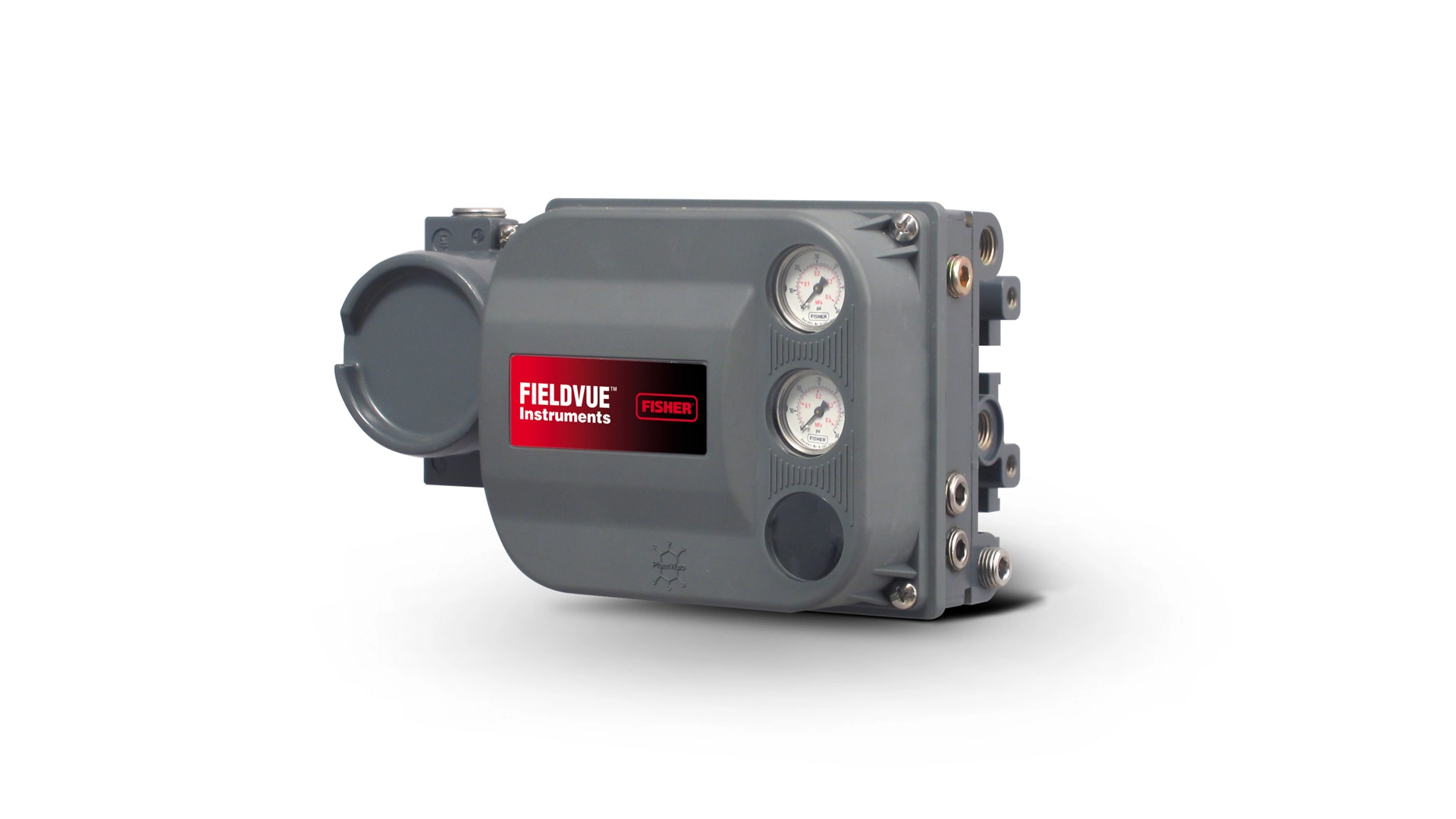
As a common control valve accessory, the valve positioner delivers pressurized air to the valve actuator so that the position of the valve stem or shaft corresponds to the set point from the control system. Valve positioners are typically pneumatic or analog I/P and are used when a valve requires throttling action. They require position feedback from the valve stem or shaft and deliver pneumatic pressure to the actuator to open and close the valve. While pneumatic positioners and analog positioners provide basic valve position control, digital valve controllers bring intelligence to your entire valve assembly.
How a Valve Positioner Works

Pneumatic Valve Positioners
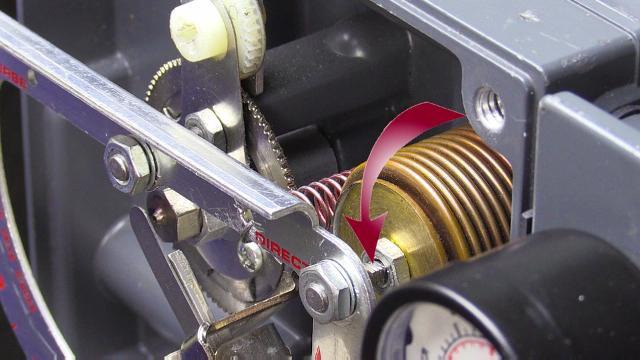
Legacy processing units may use pneumatic pressure signaling as the control set point to the control valves. In a common pneumatic positioner design, a pneumatic input signal is received from a control device and modulates the supply pressure to the control valve actuator, providing an accurate valve stem or shaft position that is proportional to the pneumatic input signal.
Valve Positioner Resources
Valve Positioner FAQs
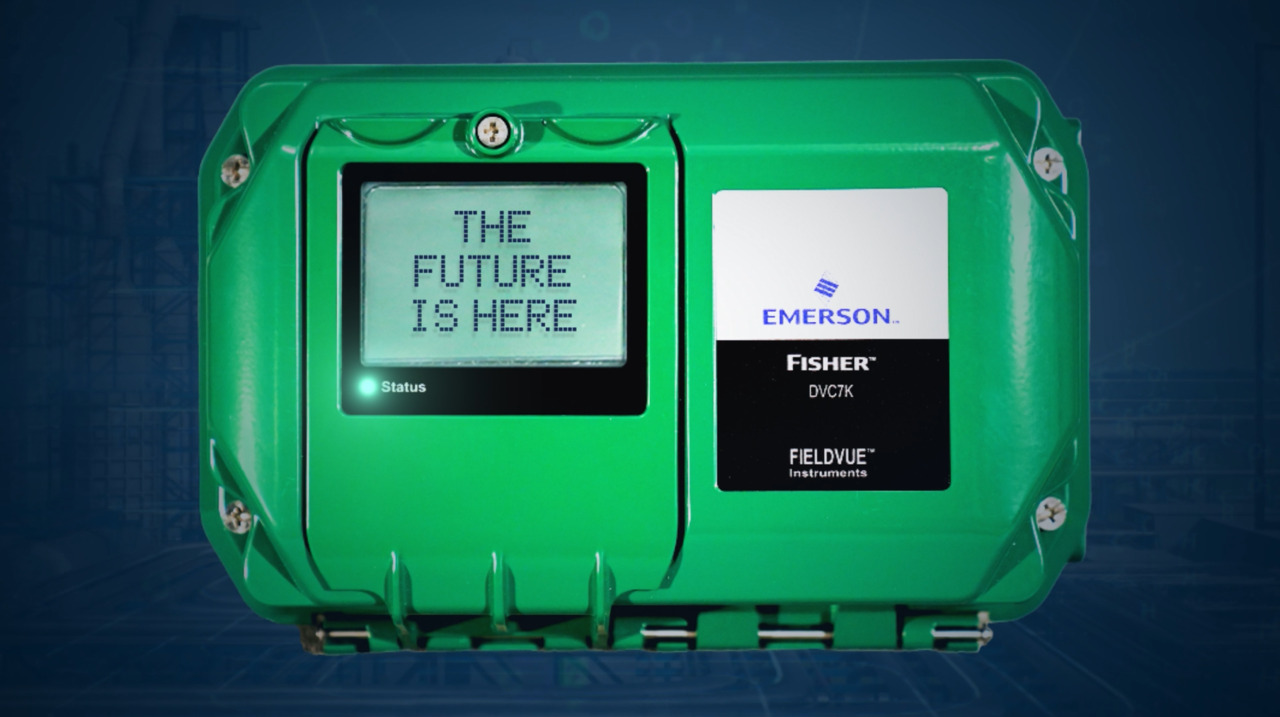
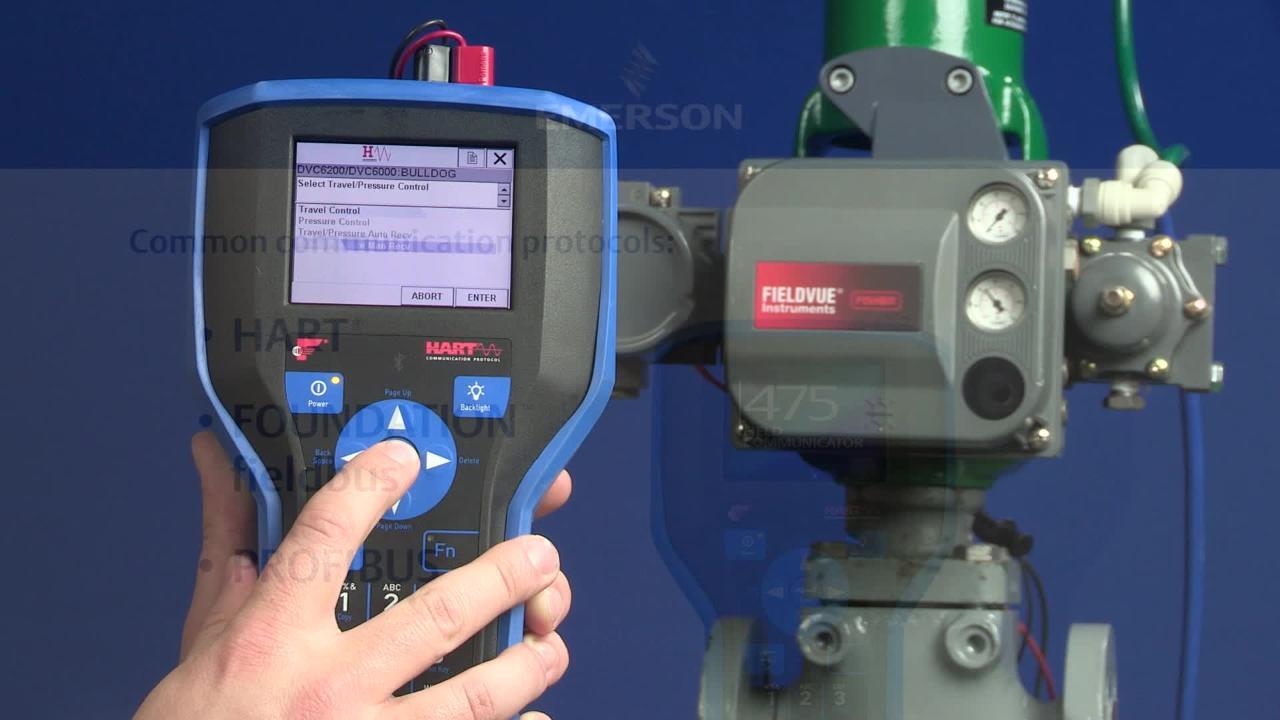
While a control valve positioner serves a single purpose, which is to maintain a valve at its intended control position, digital valve controllers, through their digital design, provide much more. A digital valve controller is a microprocessor-based instrument that is compatible with a variety of communication protocols, including HART, FOUNDATION fieldbus, and PROFIBUS. The microprocessor enables diagnostics and two-way communication to simplify setup and troubleshooting.