


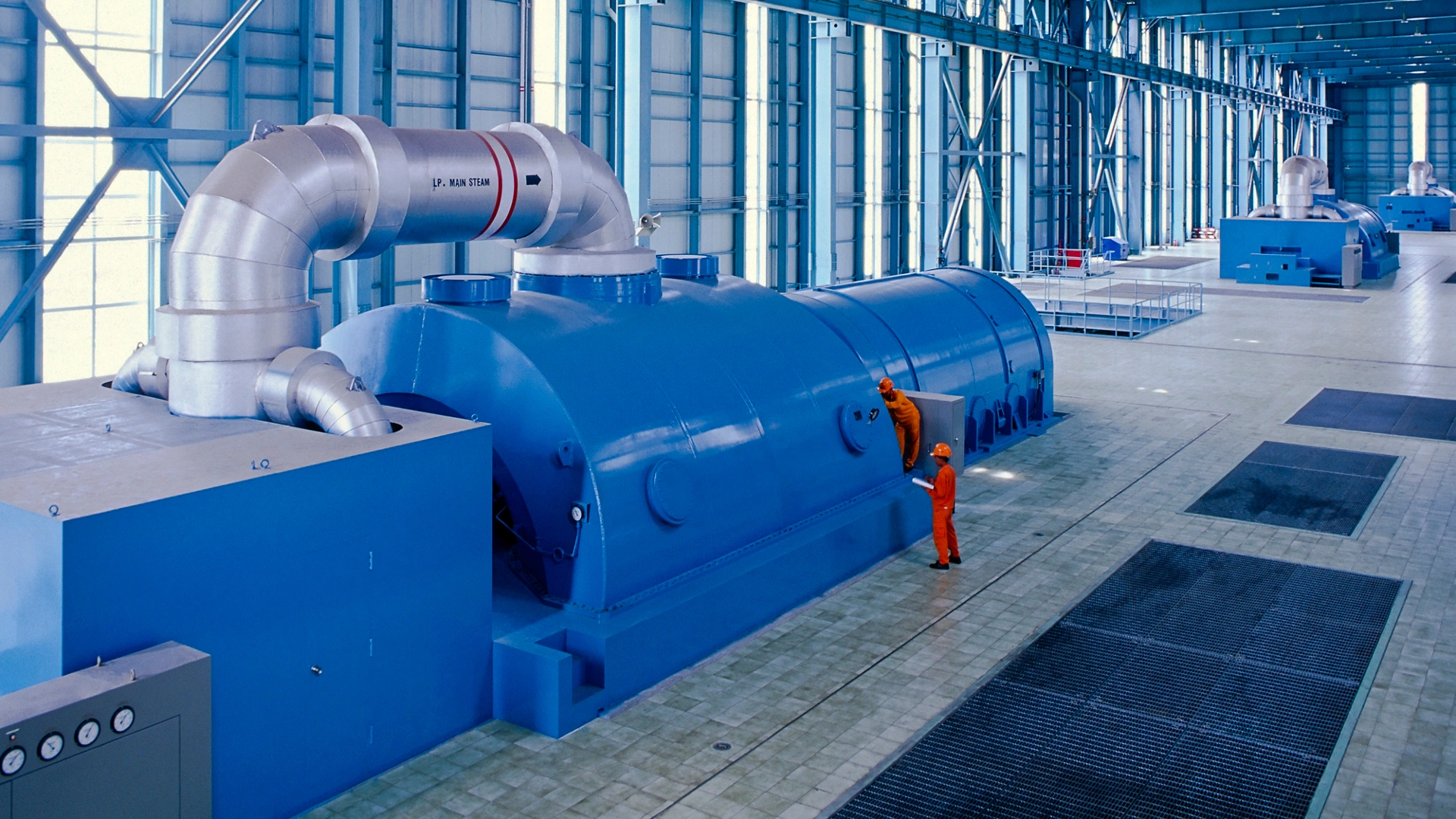

Delivering Safer, Smarter Steam Systems
Achieve energy savings and process consistency with advanced steam management
Steam systems demand precise control and continuous monitoring to ensure safety, efficiency, and uptime. Our portfolio supports real-time visibility into steam flow, temperature, pressure, and trap performance, enabling predictive maintenance and optimized energy usage. With integrated analytics and reliable instrumentation, facilities can reduce emissions, prevent failures, and maintain consistent output quality.
Steam Solutions in Action
For chemical processing facilities, steam is the go-to utility for pressure and power, especially for heating applications. It drives turbines and provides heat for countless heat exchangers, distillation column reboilers, and similar applications because it is a very efficient and controllable mechanism for delivering energy exactly where it’s needed. The steam distribution system is often a significant contributor to energy costs and emissions. By improving monitoring and control with a focus on load distribution, heat loss, and pressure control you can reduce your energy costs, reduce emissions, and improve safety to optimize plant performance.
Balance Steam Pressure and Temperature with Confidence
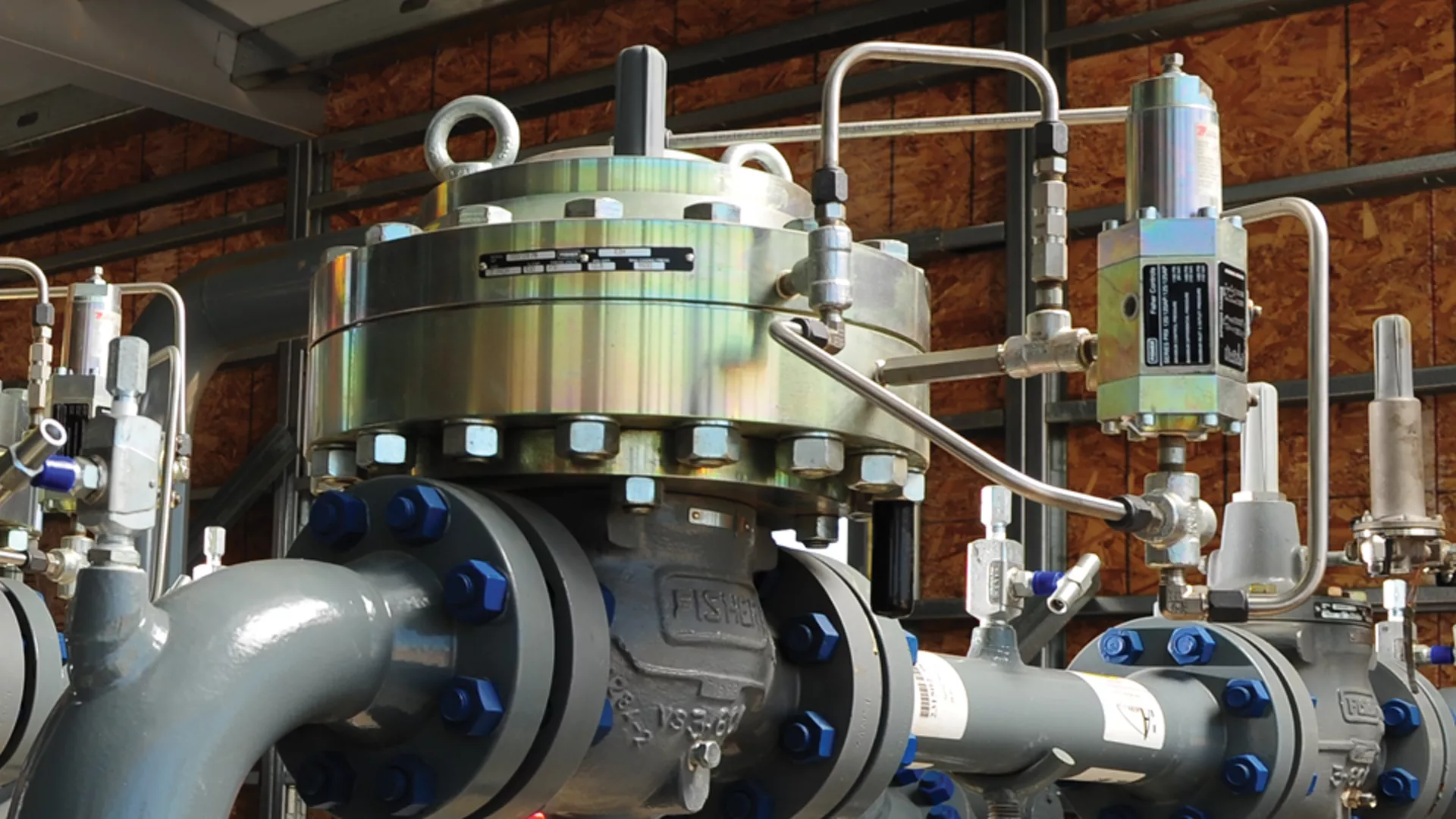
Steam is more complex than most fluids because it can be superheated, saturated, or wet. Determining its energy content and usefulness requires understanding these different states, in addition to its temperature and pressure. Emerson’s instruments and valves can determine all the required characteristics to evaluate steam availability at any given point in the system and improve the control under the dynamic behavior of the system.
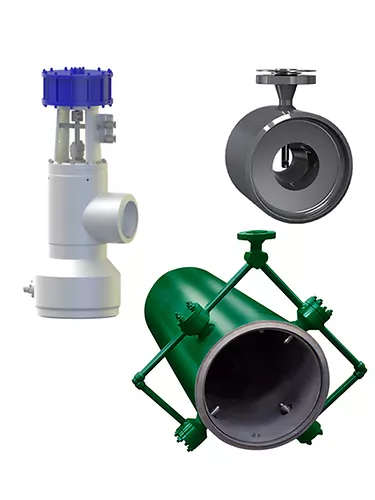
Fisher™ and Sempell™ Steam Conditioning Valves and Desuperheaters
Enable safe and accurate pressure and temperature control across steam systems.

Field Device Management
Supports diagnostics and maintenance planning for critical steam assets.
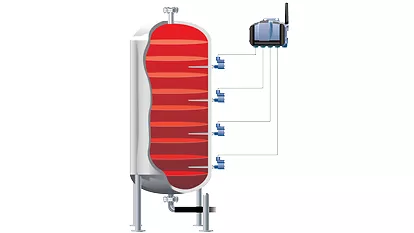
Temperature Profiling of Reactors
Improves product quality and thermal uniformity in steam-heated reactors.
Business Groups in Steam Solutions
Maximizing steam system performance takes more than individual devices—it requires integration across disciplines. Our business groups deliver specialized technologies that work together to control, monitor, and optimize steam operations. Explore how each group supports energy savings, reliability, and sustainability in steam-intensive applications.

Measurement Instrumentation
Solution-Related Documents for Steam Solutions
Access a curated selection of technical documents, case studies, and best practices focused on steam systems in chemical production. These resources highlight how Emerson’s solutions help improve steam distribution, enhance energy efficiency, and ensure safe, reliable operation in demanding process environments.
Frequently Asked Questions (FAQs)
Explore key questions about steam generation, distribution, and condensate recovery. Learn how Emerson technologies help improve system efficiency, ensure safe operation, and reduce energy losses across steam applications in industrial environments.
Steam distribution systems incorporate safety measures such as pressure relief devices (PRVs), temperature and pressure monitoring, and steam trap maintenance. Other safety systems tend to be around the boiler.
Common challenges in steam distribution systems include steam leaks, condensate buildup, pressure fluctuations, water hammer, inadequate insulation, control valve malfunctions, problematic desuperheaters, and improper sizing or layout of the system. Regular maintenance, inspections, and monitoring help address these challenges.
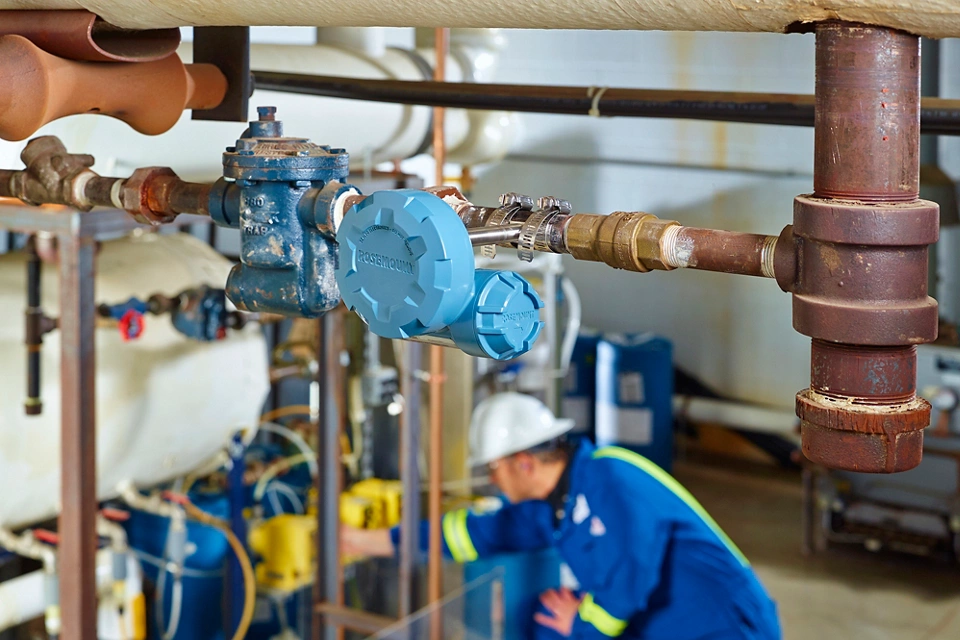
Steam traps are devices used in steam distribution systems to remove condensate and non-condensable gases while allowing the passage of steam. They are designed to accumulate condensate and release it in slugs, so the frequency of their action depends on the immediate steam flow and heat loss in the system. Ideally, they should be matched to the application so they operate within a comfortable frequency determined by the manufacturer. After several years in service, many exhibit wear and can malfunction, hence the need for Emerson’s acoustic transmitter to ensure they are cycling correctly. Regular maintenance is necessary to ensure a steam trap’s proper functioning and prevent energy losses and equipment damage.
Steam pressure reduction is the lowering of the steam pressure at the boiler plant by means of the pressure setting on the boiler plant master control.
Steam pressure reduction affects mainly the high-pressure part of the steam system. Within practical limits, pressure-reducing valves (PRVs) will adjust the pressure at lower levels to the previous set points. This means that most of the savings' benefits from pressure reduction occur in the high-pressure section of the steam system.