



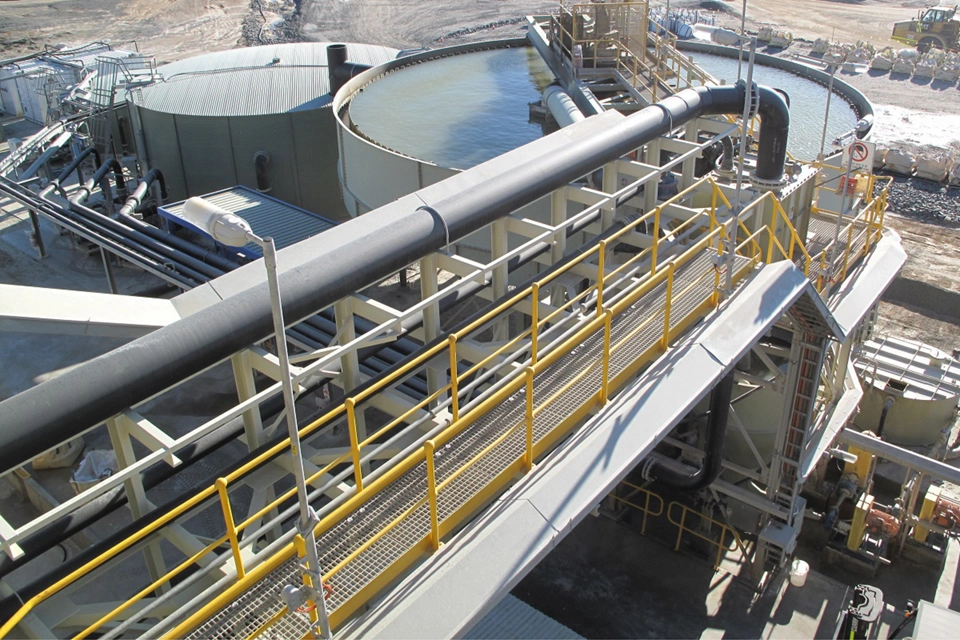
Optimizing Lithium Refining with Advanced Automation and Intelligent Process Control
Increase purity, yield, and sustainability with smart automation across your refining operations
Emerson enables lithium refiners to achieve higher purity, increased yield, and sustainable operations through advanced automation, precise measurement, and intelligent analytics.
EVB Solutions in Action
Emerson’s solutions harness automation technology, software, and services to help industries achieve greater efficiency, enhanced safety, and sustainable operations across the value chain.
Monitor Valve Performance to Optimize Production and Reduce Costs

Chemicals and fuel gases are costly. Inaccurate and unresponsive control of valve movement can cause off-spec product and unnecessary cost. Emerson Smart Positioners and valve analytics software continuously analyze performance data and maintain accurate and responsive control of valves. They also recommend corrective action to restore valve performance.
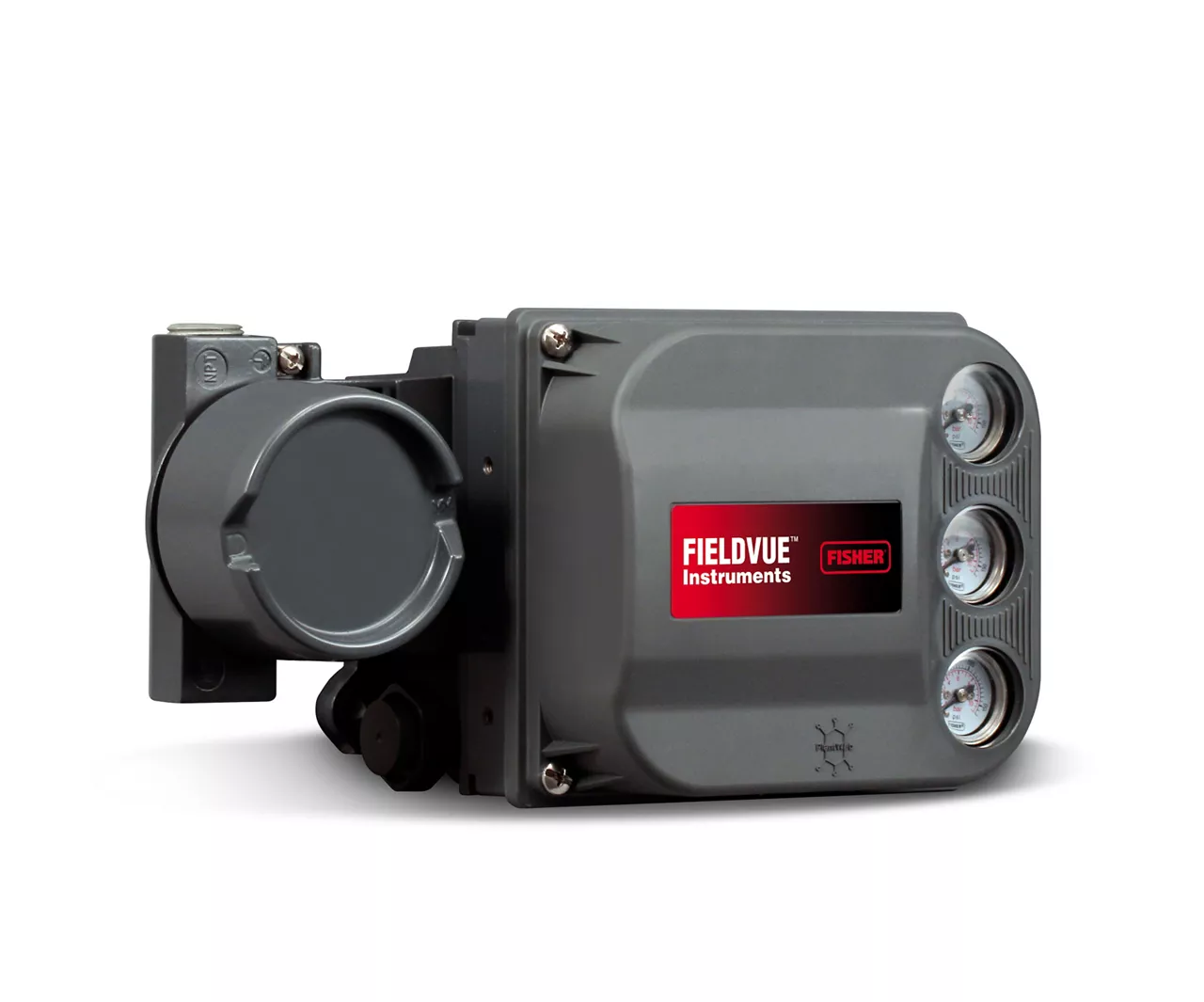
Fisher DVC6200 (or DVC2000)
The Fisher FIELDVUE DVC6200 instrument allows for your operation to run closer to setpoint, improving product quality with more accurate control. Using FIELDVUE performance diagnostics, valve operation is monitored online to evaluate performance and reliability.
Fisher™ FIELDVUE™ ValveLink™ Software
Fisher FIELDVUE ValveLink software allows your maintenance and operations personnel to monitor control valve health and performance online to improve reliability by spotting problems before they affect your process.
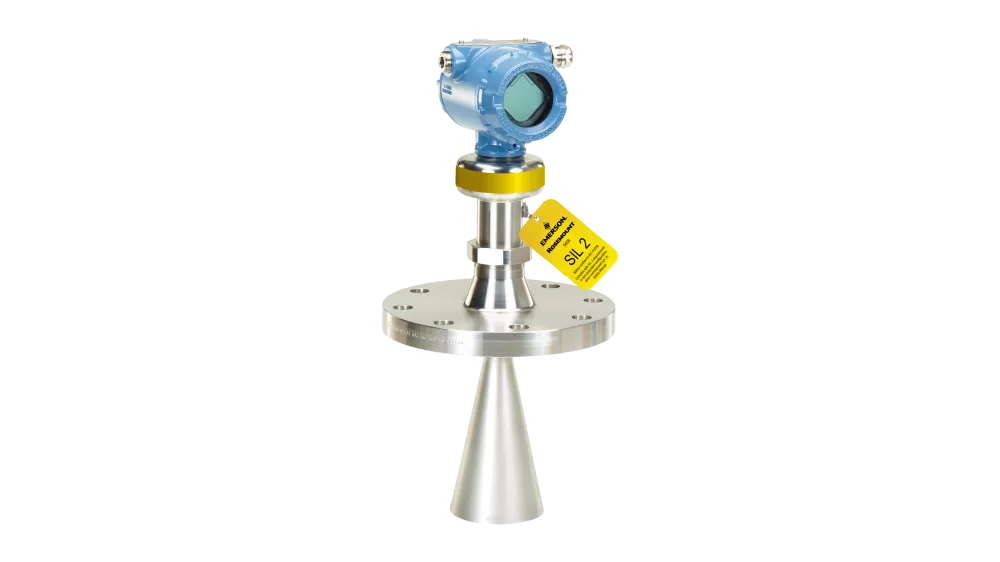
Rosemount™ 5408 Level Transmitter - Non-Contacting Radar
The Rosemount™ 5408 Non-Contacting Radar Level Transmitter uses enhanced technology and Human Centered Design to deliver accurate, reliable measurements on both liquid and solid materials.
Frequently Asked Questions (FAQs)
As global demand for battery-grade lithium accelerates, refining operations face growing pressure to scale efficiently, reduce environmental impact, and ensure product quality. This FAQ section addresses common questions.
Lithium is isolated and refined through a series of chemical processes that transform raw lithium into a saleable form. The process begins with the extraction of lithium-rich minerals from the earth, which can be from hard rock mining or brine extraction. The raw materials are then concentrated to separate lithium from other minerals, using techniques like crushing and grinding, flotation, and leaching. The refined lithium is then purified through precipitation and filtration to achieve high purity levels, making it suitable for use in batteries and other applications.
Critical raw materials used in manufacturing Li-ion batteries (LIBs) include lithium, graphite, cobalt, and manganese. As electric vehicle deployments increase, Lithium EV battery production for vehicles is becoming an increasingly important source of demand.
Lithium battery component (or battery cell) manufacturing is done in sets of electrodes and then assembled into battery cells. To produce electricity, lithium EV batteries shuttle lithium ions internally from one layer, called the anode, to another, the cathode. The two are separated by yet another layer, the electrolyte.
Every generation of battery design – cylindrical, prismatic, polymer pouch, and now, solid state - challenges technical limits and demands more from battery assembly technology. Ultrasonic welding solutions reliably bond the thinner, more delicate metals and advanced hybrid films needed to build more energy-dense batteries.
The extraction of lithium is currently restricted to Australia, Chile, and Argentina and to a few companies, with only four businesses controlling almost 60% of global production. However, the boom in lithium over recent years has demonstrated that the lithium market is facing major changes. Alongside the expansion of existing facilities, large-scale projects are being planned and implemented in other countries, such as Canada, Mexico, and Bolivia. Europe also has significant potential.