


Driving Precision, Quality, and Scalability in EV Battery Component Manufacturing
Streamline manufacturing processes with intelligent automation and digital insights to meet evolving EV demands
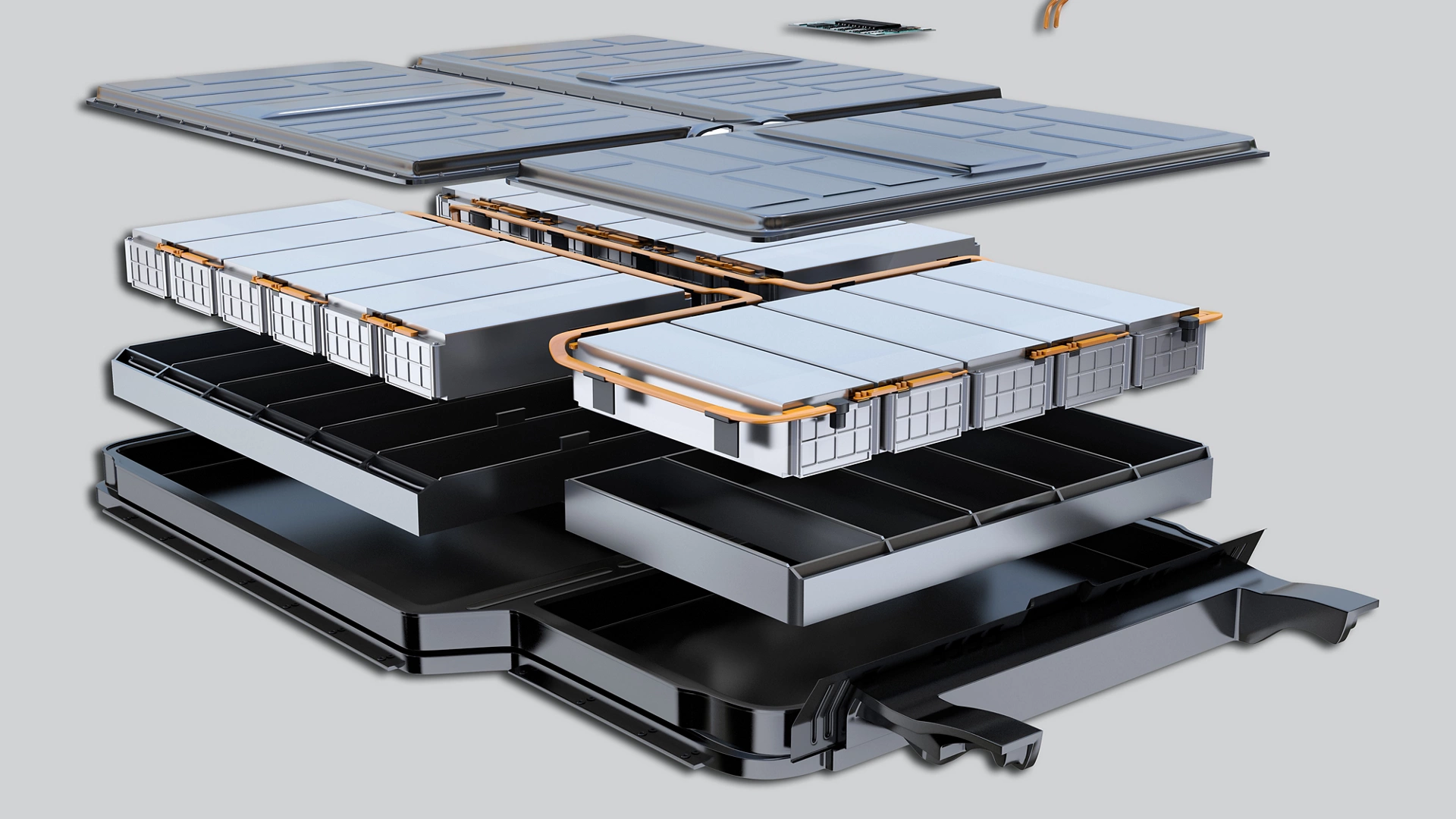
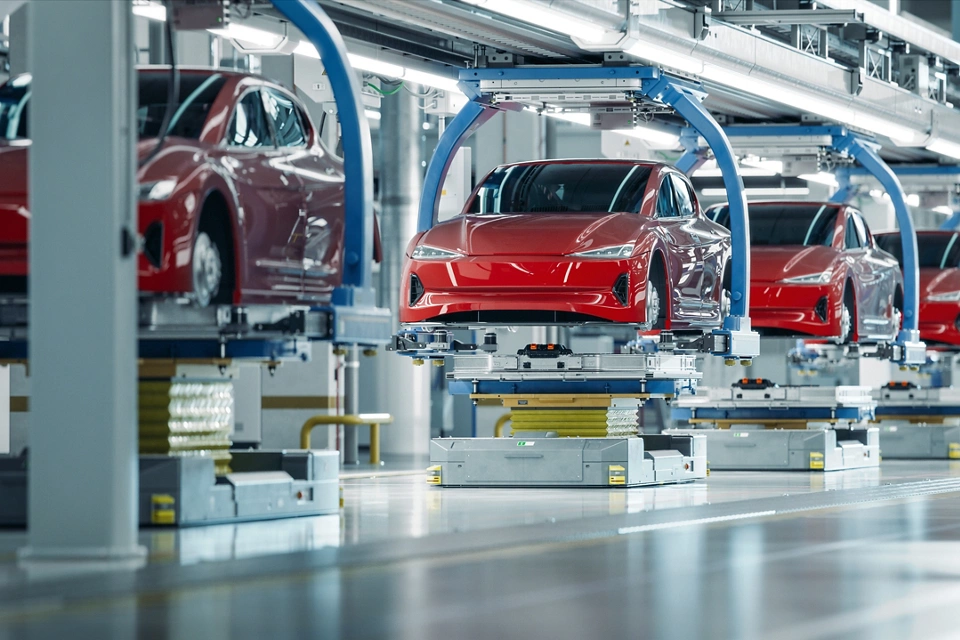
Emerson empowers EV battery component manufacturers with precise automation, real-time quality control, and digital innovation—driving efficiency, safety, and sustainability to meet the growing demands of the electric vehicle market.
EVB Solutions in Action
Emerson’s solutions harness automation technology, software, and services to help industries achieve greater efficiency, enhanced safety, and sustainable operations across the value chain.
Ensure every phase of production delivers flawless components through advanced monitoring and control
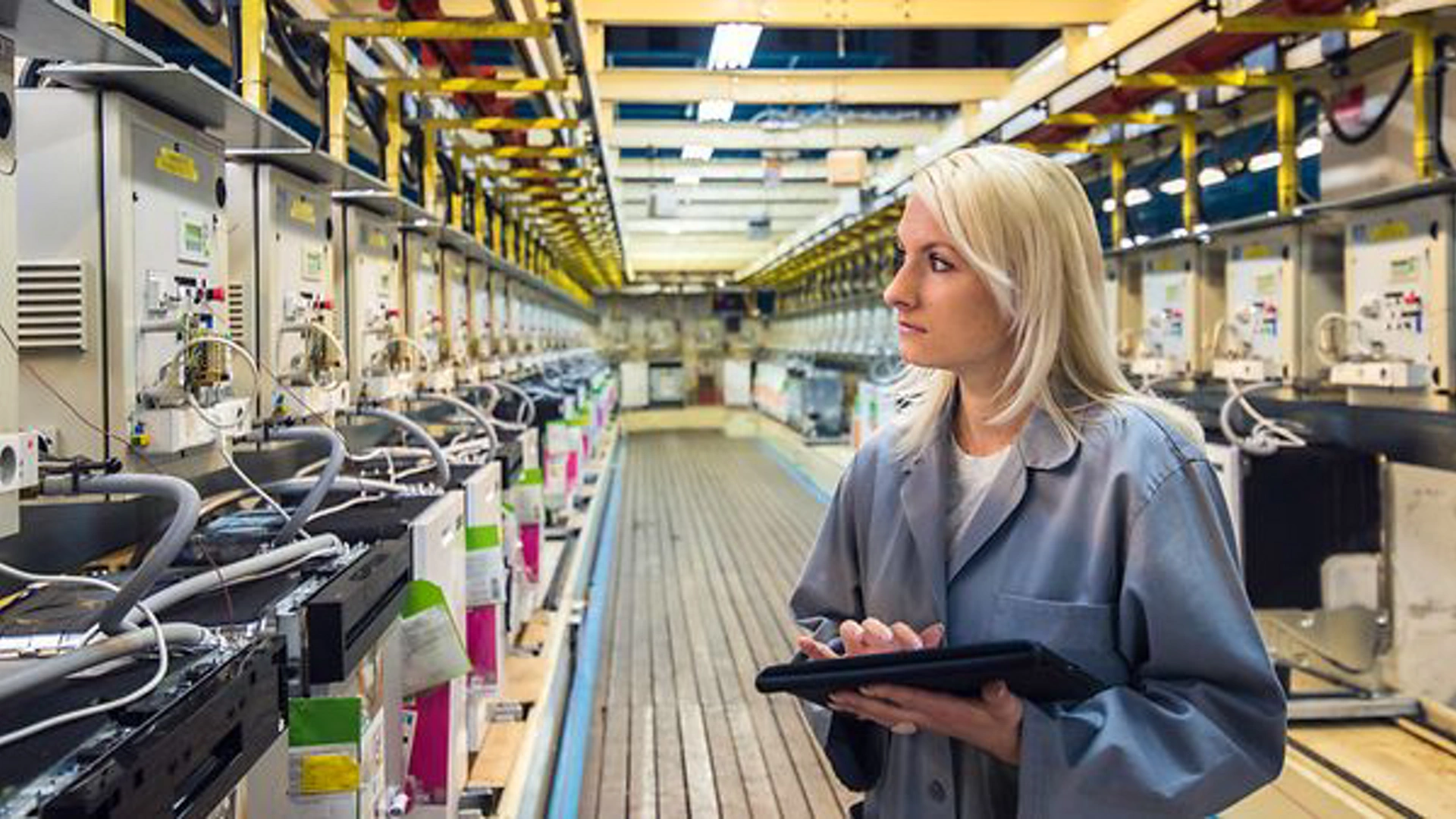
Battery component manufacturers must not only deliver consistent overall quality – they must deliver it throughout the manufacturing process. The continuity of the manufacturing process means errors or impurities at an early stage will accumulate, resulting in much larger consequences further down the production line. Quality needs to be monitored at every stage – from raw materials through to cell assembly – to maintain production efficiency and minimize waste. Emerson advanced measurement solutions ensure accurate batch control for consistent product quality.
Control Anode, Cathode, and Electrolyte Batch Quality
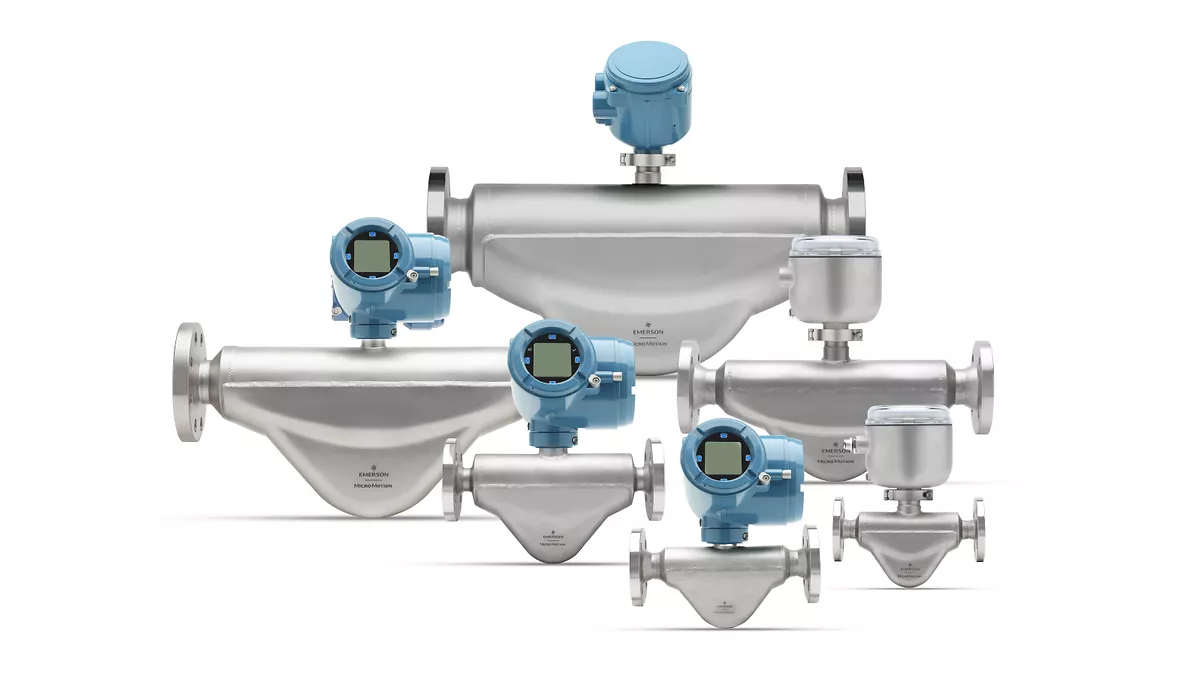
Ensure on-spec product with direct mass and density measurement of ingredients in mixing and reacting tanks.

Control Quality with Reliable Precursor pH Measurement
Optimize the pH parameter of your precursor with sensors designed to withstand high sulfide content.
Monitor Electrode Slurry Quality Using Viscosity Meters
Ensure the correct thickness of the anode and cathode slurry with automated, in-line viscosity measurement in the mixing, coating, and drying stages of production.
Frequently Asked Questions (FAQs)
The lithium battery manufacturing industry is rapidly evolving, driven by increasing demand and technological innovation. This FAQ section addresses common inquiries related to production.
Critical raw materials used in manufacturing Li-ion batteries (LIBs) include lithium, graphite, cobalt, and manganese. As electric vehicle deployments increase, Lithium EV battery production for vehicles is becoming an increasingly important source of demand.
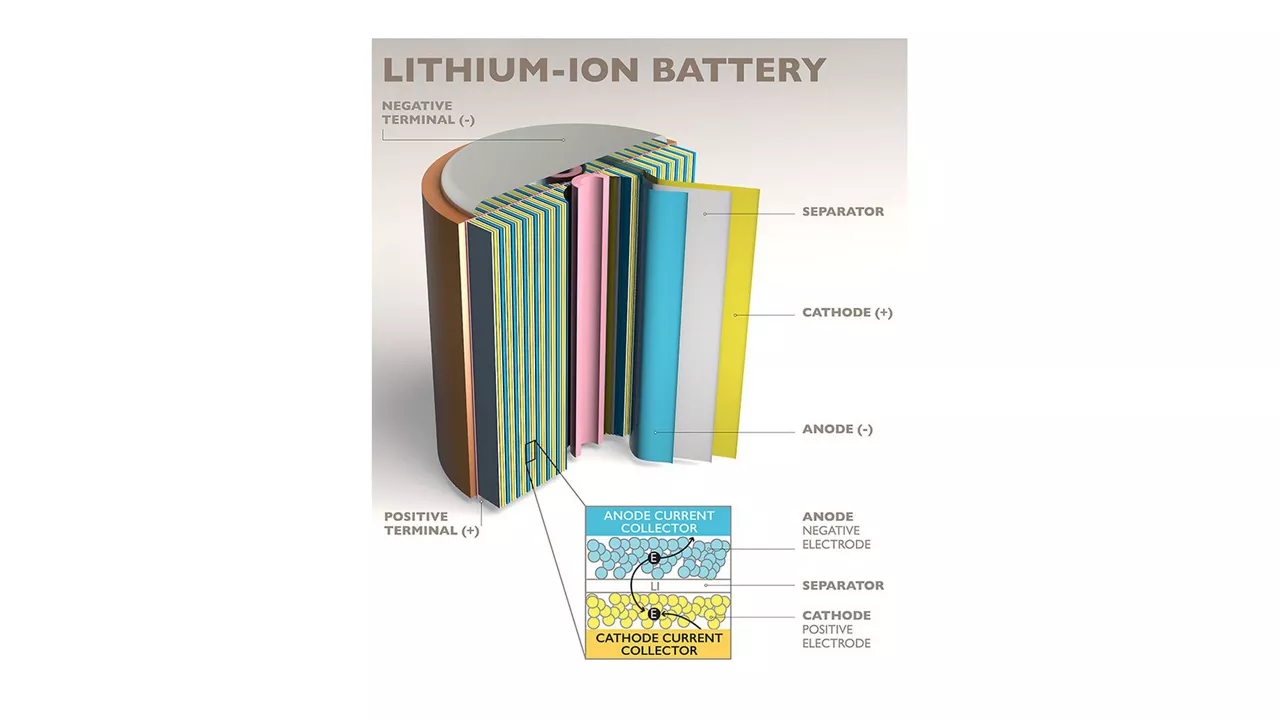
Lithium battery component (or battery cell) manufacturing is done in sets of electrodes and then assembled into battery cells. To produce electricity, lithium EV batteries shuttle lithium ions internally from one layer, called the anode, to another, the cathode. The two are separated by yet another layer, the electrolyte.
Every generation of battery design – cylindrical, prismatic, polymer pouch, and now, solid state - challenges technical limits and demands more from battery assembly technology. Ultrasonic welding solutions reliably bond the thinner, more delicate metals and advanced hybrid films needed to build more energy-dense batteries.
Typical cathode materials, such as NCA and NMC, are produced through co-precipitation of transition-metal hydroxide precursor materials, followed by calcination (lithiation and oxidation) with a lithium compound.
Cathode active materials are composed of lithium and metal. Active materials have different characteristics depending on type and ratio of metals. For example, Ni (Nickel) has high capacity, Mn (Manganese) and Co (Cobalt) have high safety, and Al (Aluminum) increases the power of a battery.
The anode (or negative electrode) in a lithium-ion battery is typically made up of graphite, coated in copper foil. Graphite is a crystalline solid with a black/grey color and a metallic sheen. Due to its electronic structure, it is highly conductive and can reach 25,000 S/cm2 in the plane of a single crystal.