


Advanced Boiler Control Solutions
Comprehensive systems for precise boiler management
Achieving optimal boiler performance requires a harmonious integration of control systems, instrumentation, and monitoring tools. By implementing advanced solutions, operators can maintain consistent steam quality, manage fuel consumption efficiently, and ensure safe operations under varying load conditions.
Boiler Solutions in Action
Across the industry, plants have adopted integrated boiler solutions to enhance operational efficiency, reduce downtime, and meet stringent environmental standards. These implementations showcase the tangible benefits of modernizing boiler control and monitoring systems.
Maintaining Optimal Steam Conditions
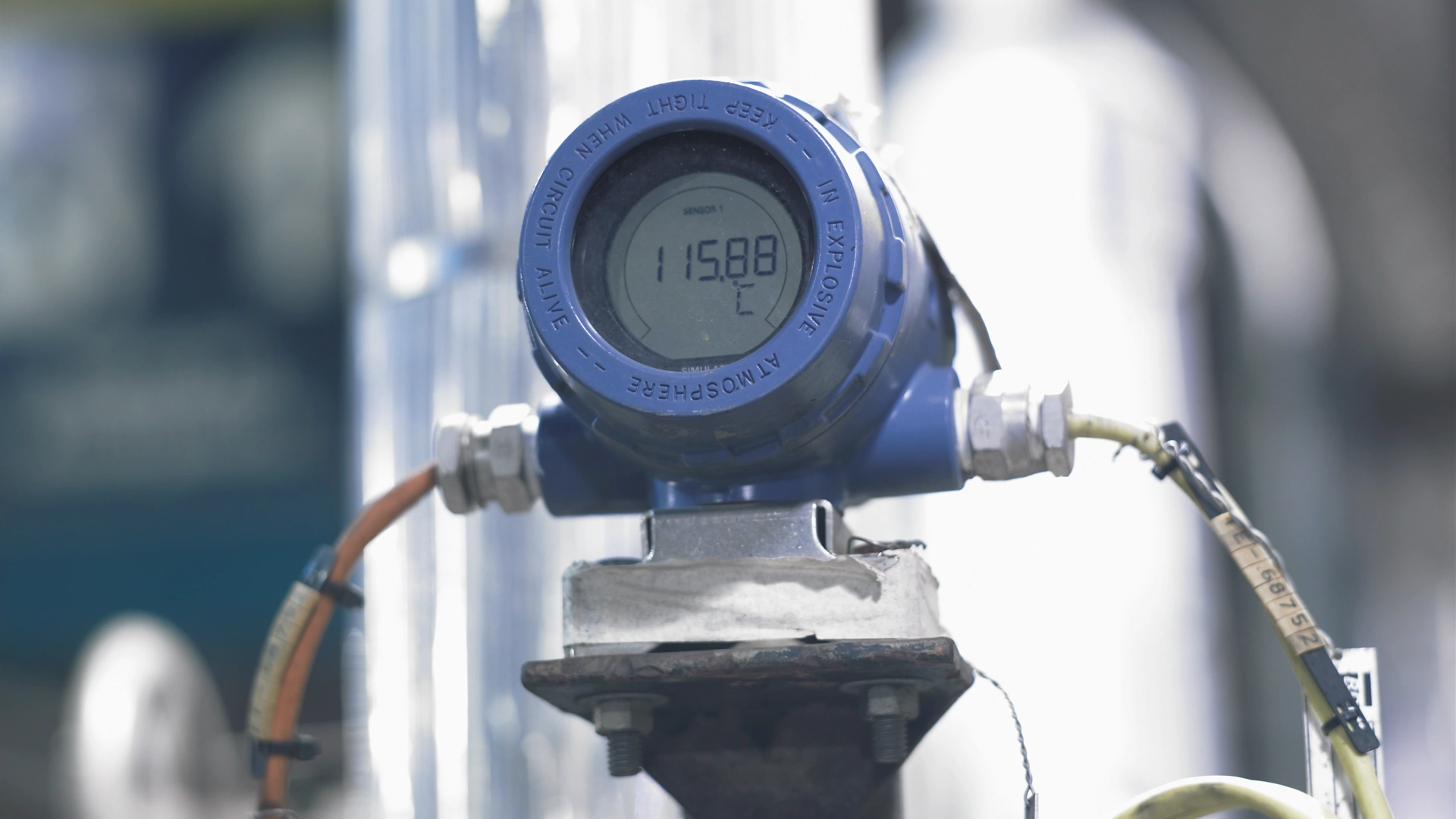
Many plants use PID control which is not ideal for frequent cycling operations. Boiler tube leaks and temperature excursions can be minimized with a better approach to controlling attemperation and steam temperature. By working with Emerson, you can address the common causes of poor steam temperature control and minimize the chance of an outage resulting from a tube leak.
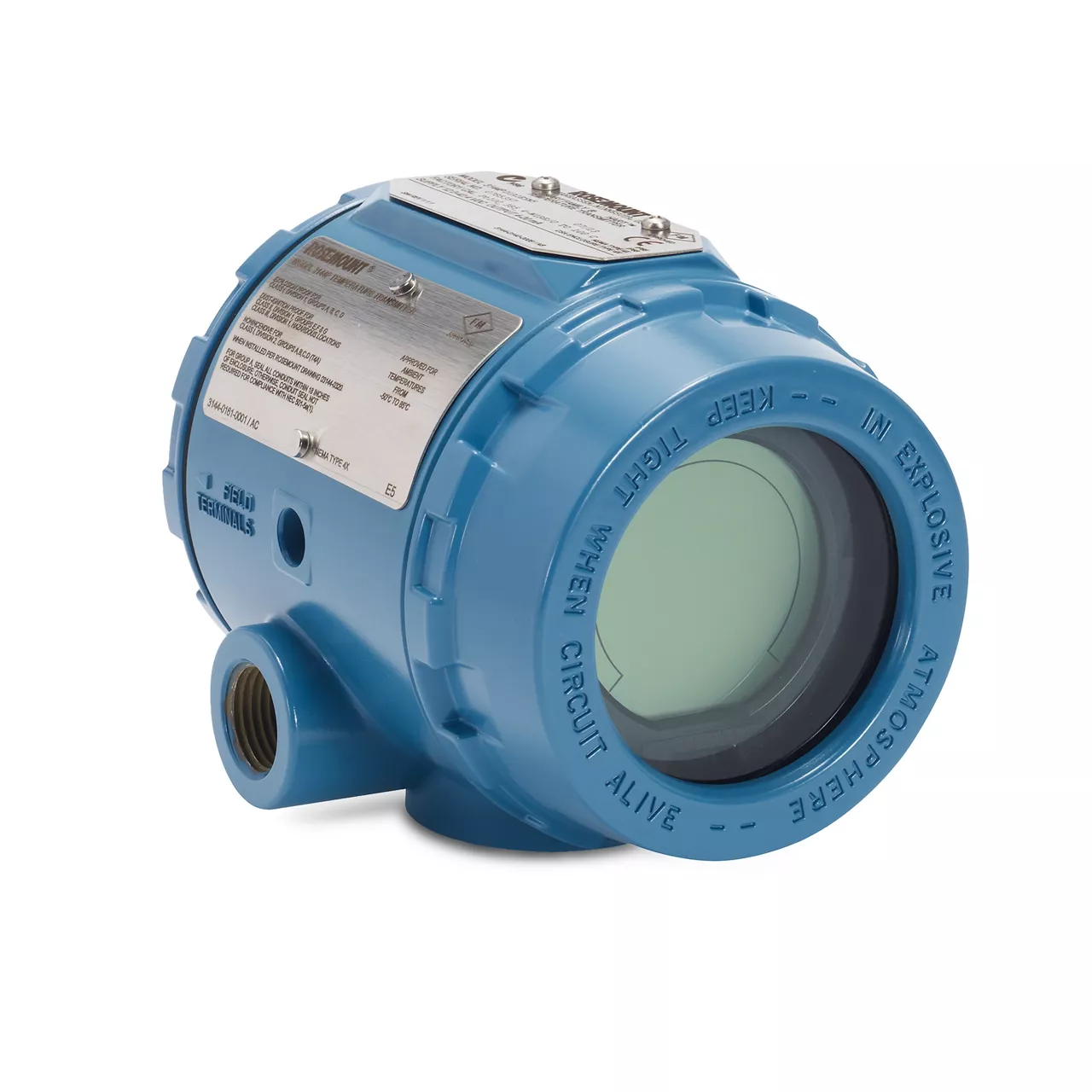
Rosemount™ 3144P Temperature Transmitter
Advanced solutions for accurate and reliable temperature measurements for boiler control, ensuring optimal combustion efficiency and safe operation.
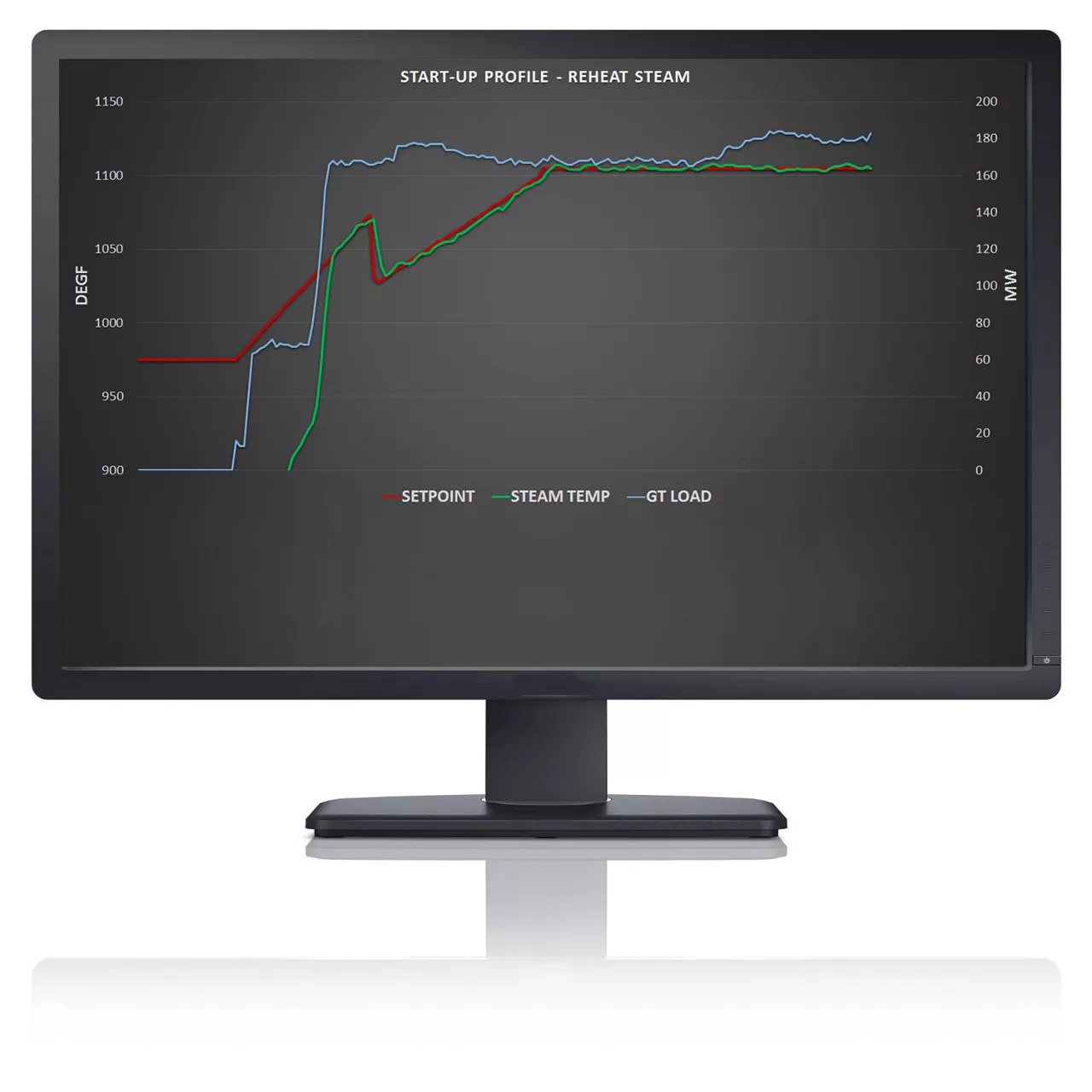
Ovation Advanced Power Plant Optimization and Application
Advanced Process Control (APC) to enable precise attemperation by anticipating plant behavior during cycling, improving efficiency and reliability.
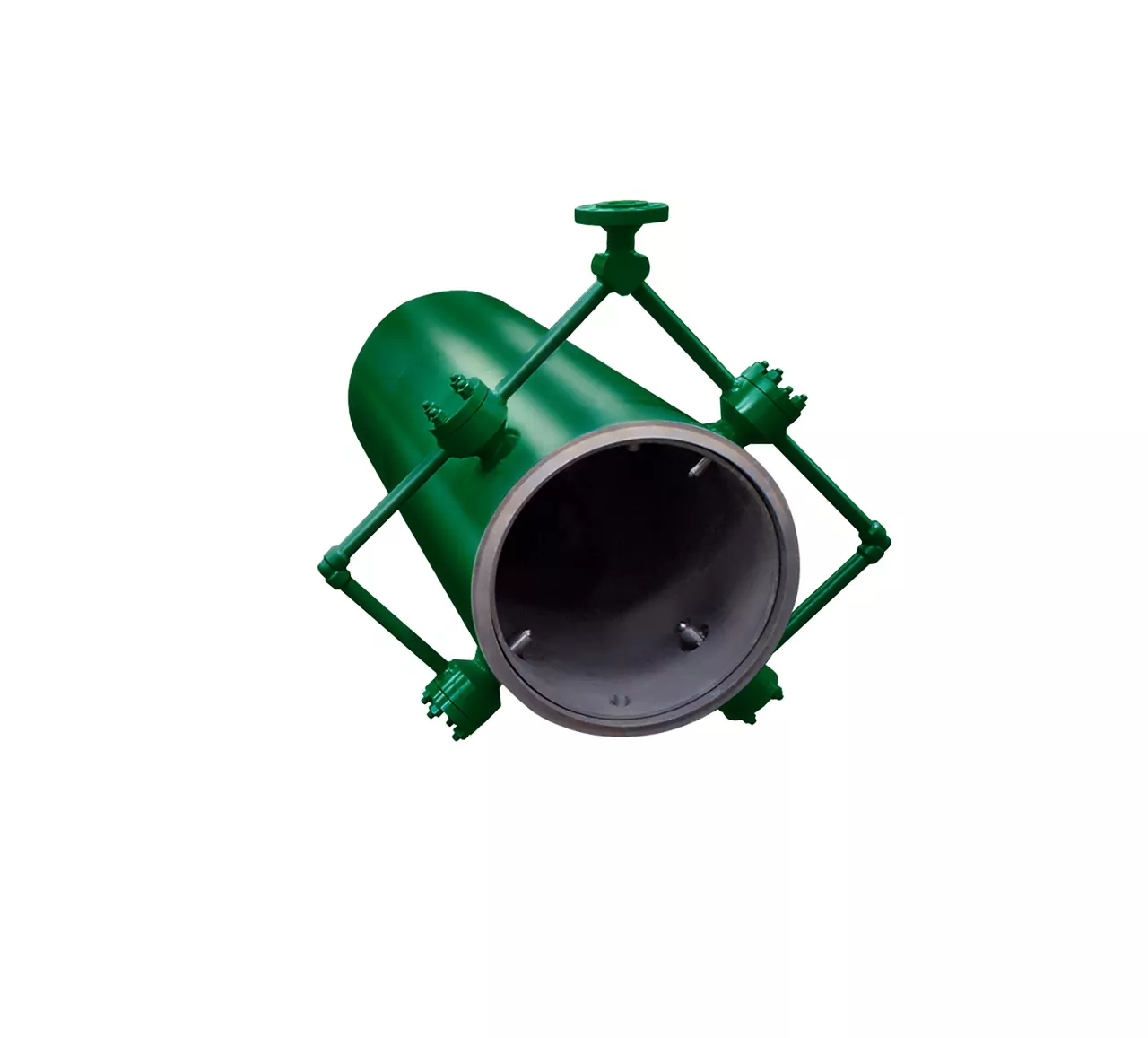
Steam Conditioning and Desuperheating
Advanced solutions and valve expertise enhance loop performance and durability, minimizing thermal excursions caused by imprecise spray control and poor maintenance.
Solution-Related Documents for Boiler Optimization
Discover how Emerson’s advanced boiler control solutions help power plants adapt to dynamic load demands while minimizing thermal stress and equipment wear.


Frequently Asked Questions (FAQs)
Boilers impact power generation efficiency, emissions, and plant availability. This section answers common questions about coal-fired boiler operation, control strategies, maintenance best practices, and how digital technologies and automation are transforming performance in modern coal power generation facilities.
A boiler uses fuel, such as coal, to reach high temperatures and convert water into high-pressure steam to drive steam turbines and generate electricity.
Key components include the furnace, superheater, economizer, air preheater, burner, and control systems for pressure, temperature, and combustion.
Efficiency can be improved through optimized combustion control, sootblowing, flue gas heat recovery, and advanced control systems that reduce excess air and minimize heat losses.
Automation enhances safety and performance by providing real-time data, advanced process control, and alarm management to maintain optimal operating conditions and develop preventive maintenance strategies.
Emissions typically include carbon dioxide (CO₂), sulfur oxides (SOₓ), nitrogen oxides (NOₓ), and particulate matter. Emission control systems are required for regulatory compliance.
Slagging and fouling are caused by ash deposits in boilers and heat exchangers. They can be managed with proper coal selection, sootblowers, and chemical additives. These deposits reduce heat transfer efficiency, increase fuel consumption, and can lead to unplanned outages, making their control essential for reliable and efficient boiler operation.