
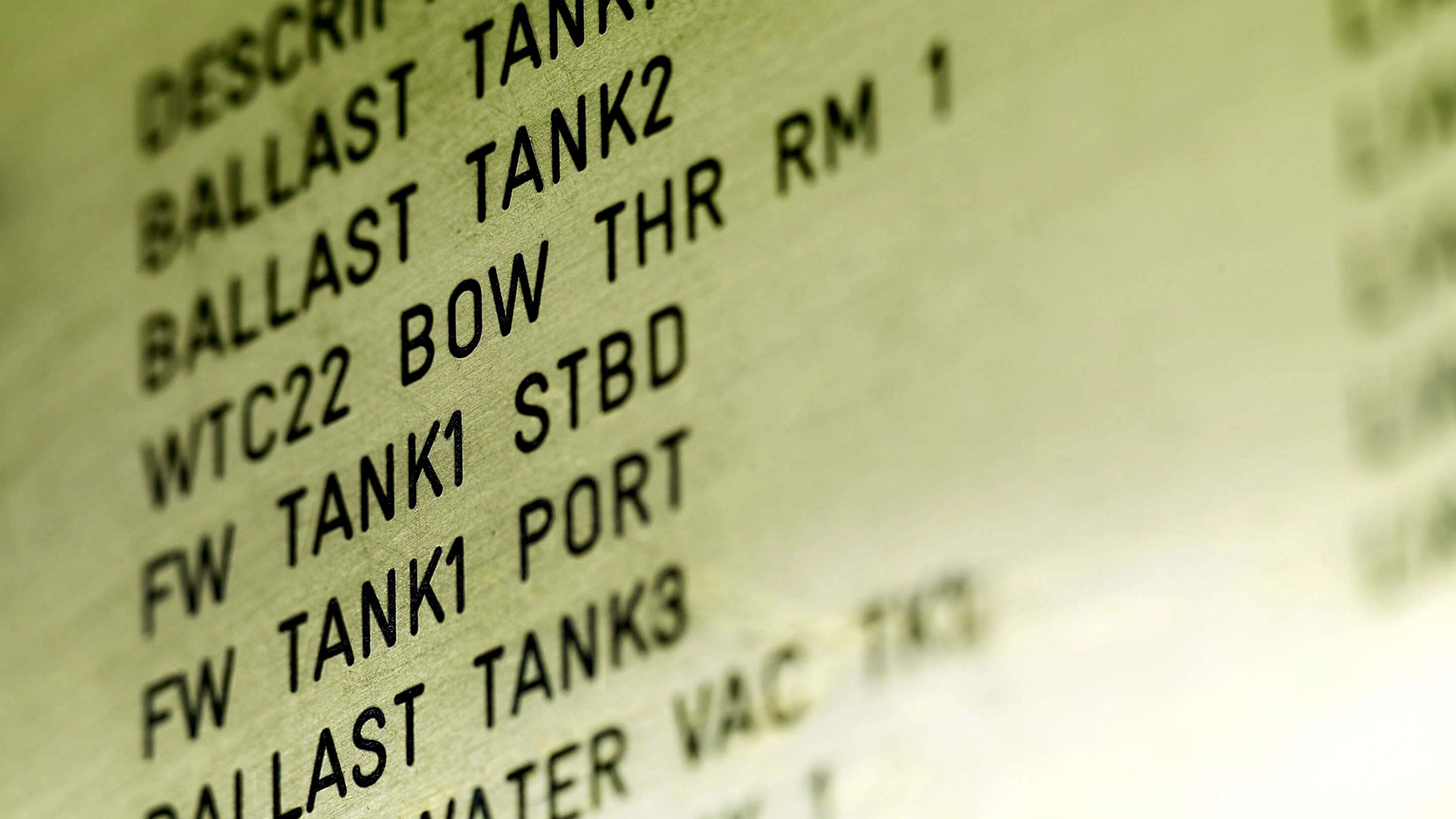
Flexible and efficient Marine Tank Level Gauging
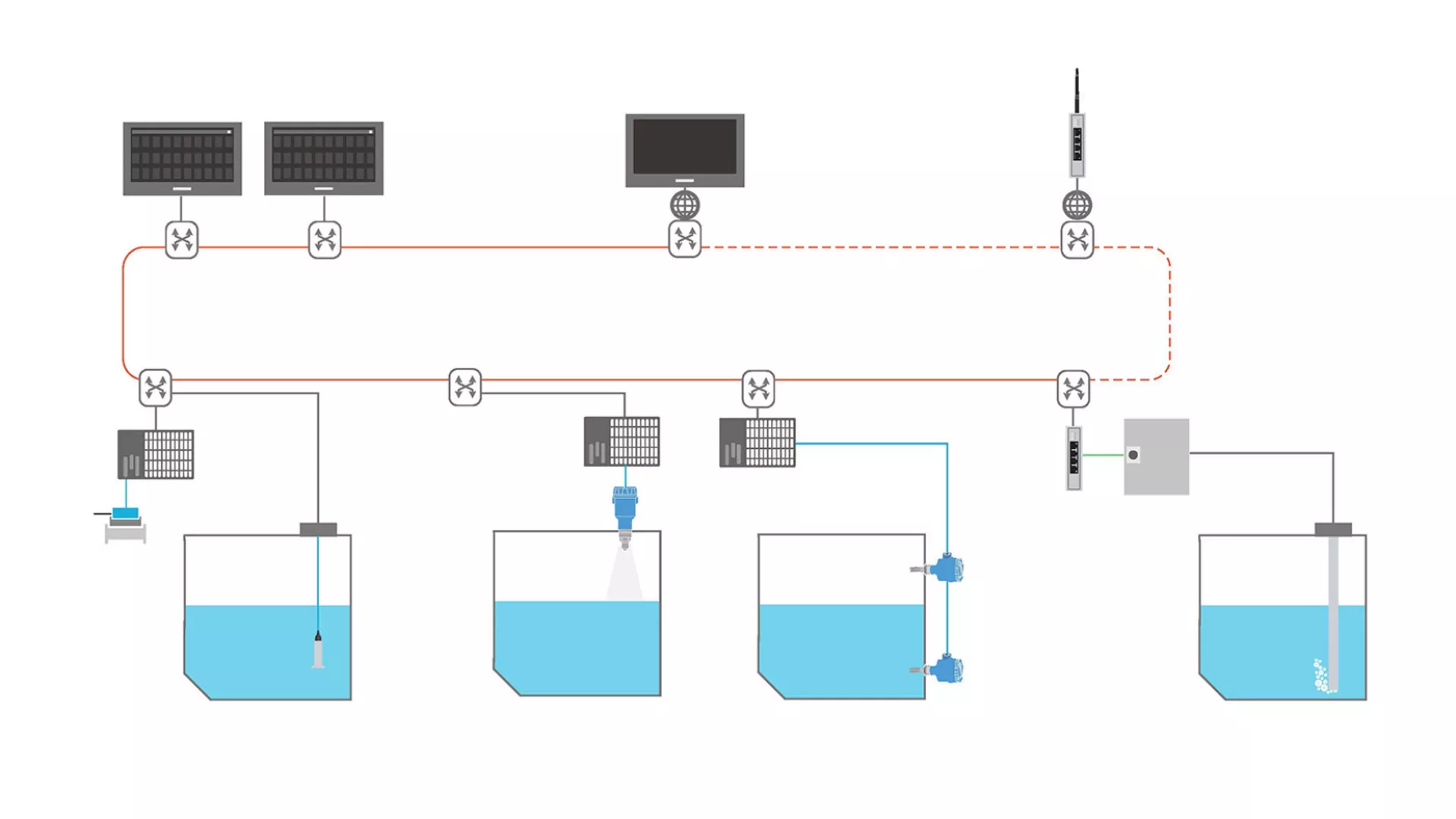
How It Works
Pressure Based Measurement
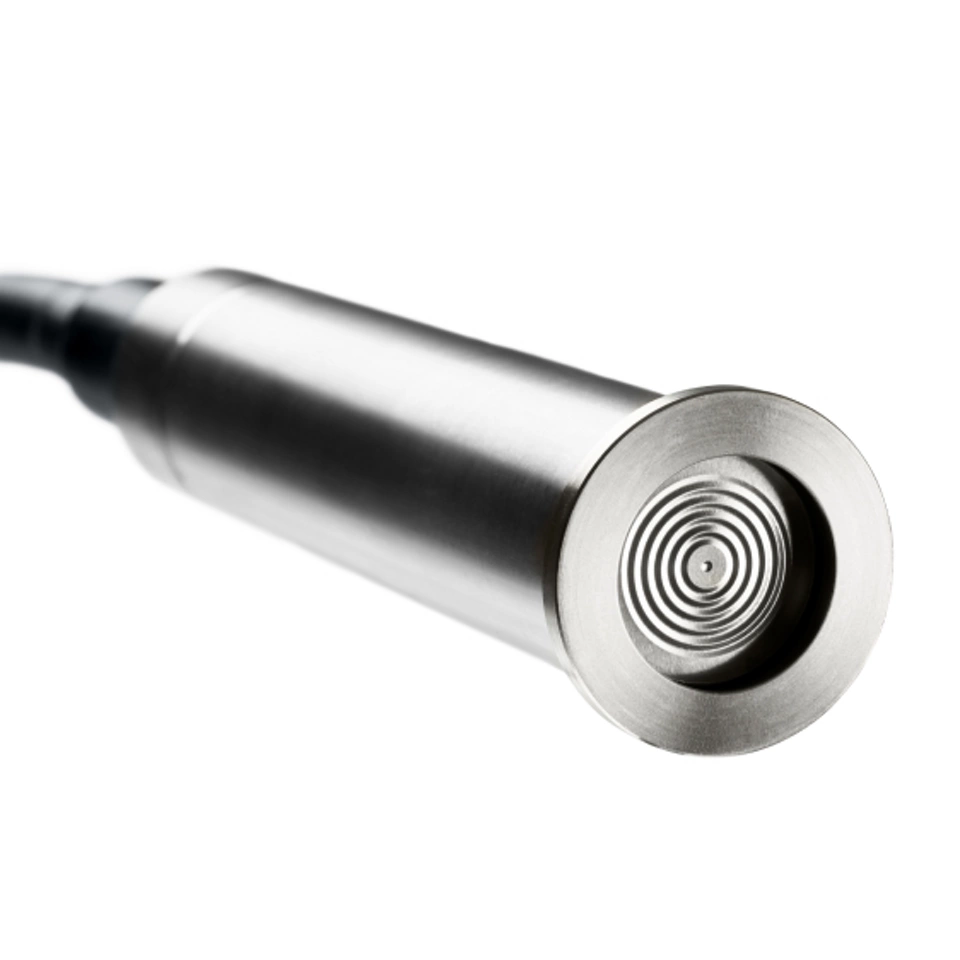
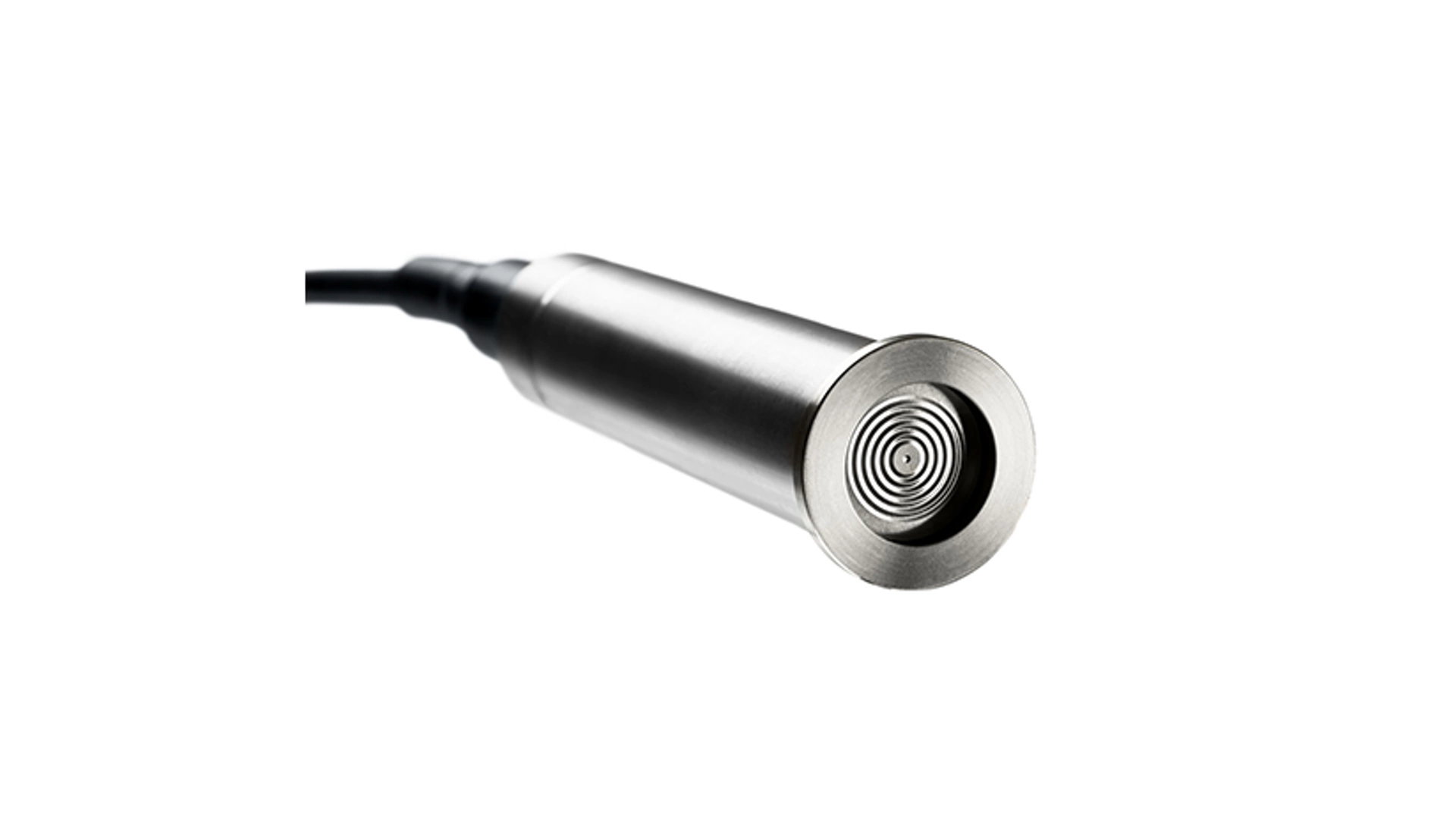
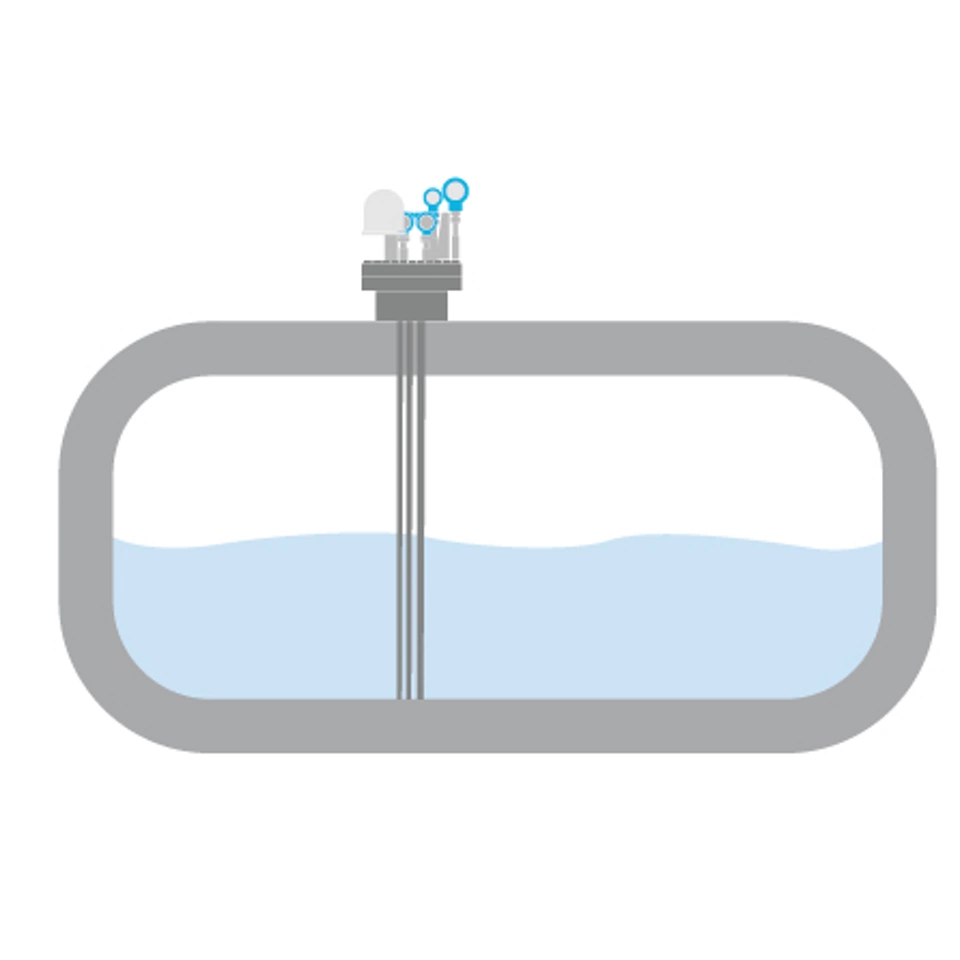
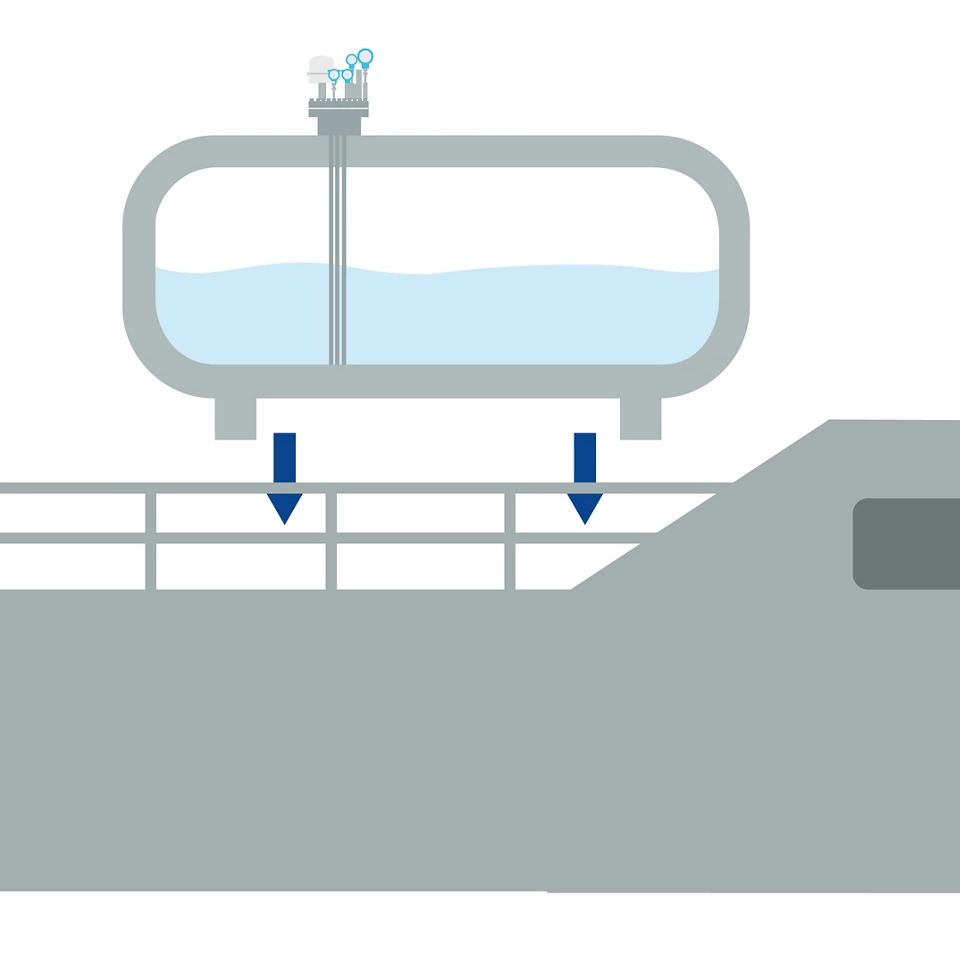
Our flexible pressure-based technology measures hydrostatic pressure to determine liquid levels, offering reliable, real-time monitoring for various liquids. The robust transmitter features all-welded titanium housing, designed to ensure continuous operation with minimal maintenance to reduce downtime.
The system offers trouble-free and accurate reading, reducing operational costs.
Product Applications

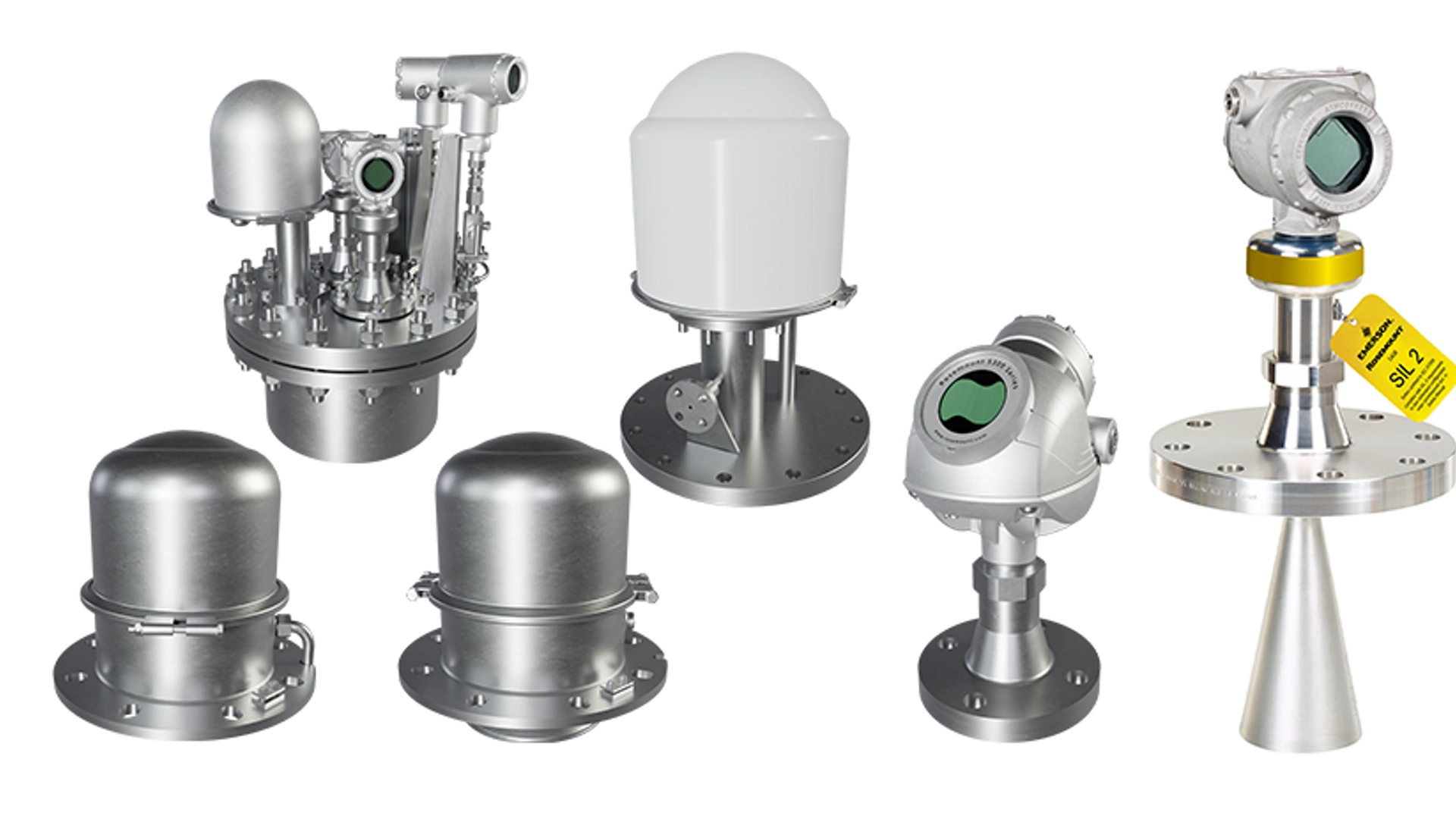
Alternative Fuel Level Measurement
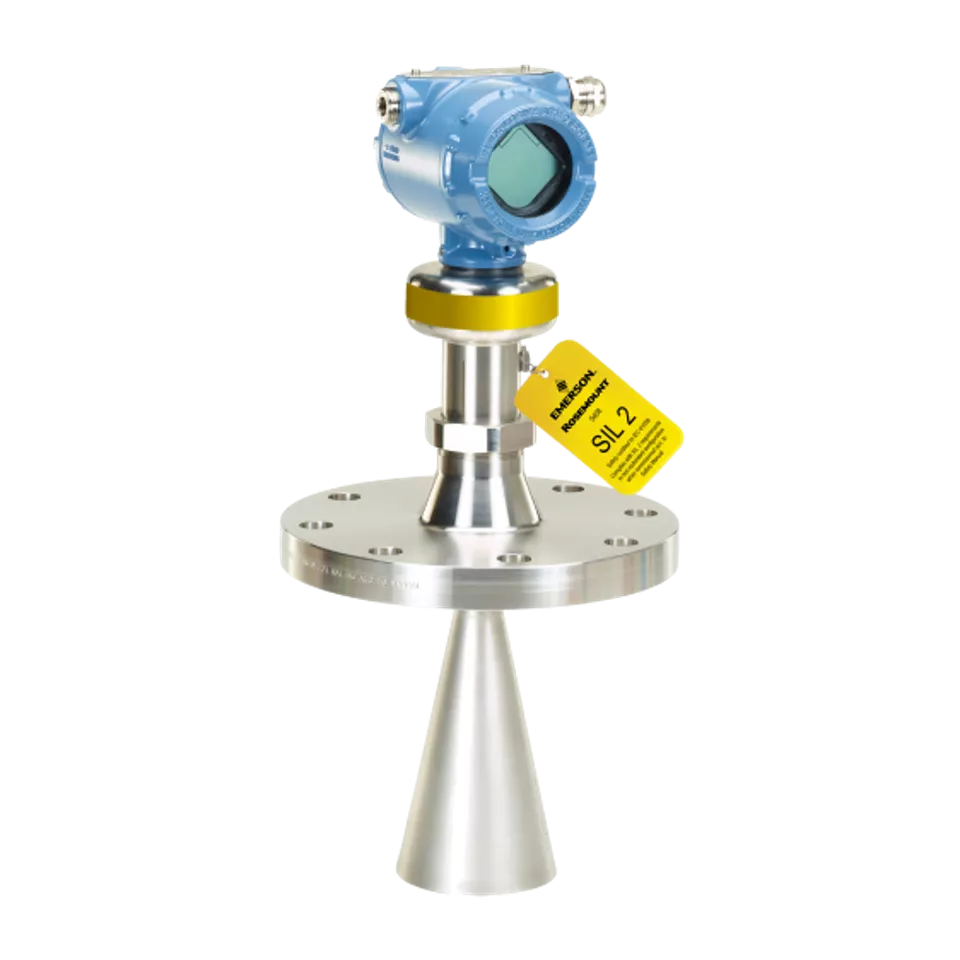
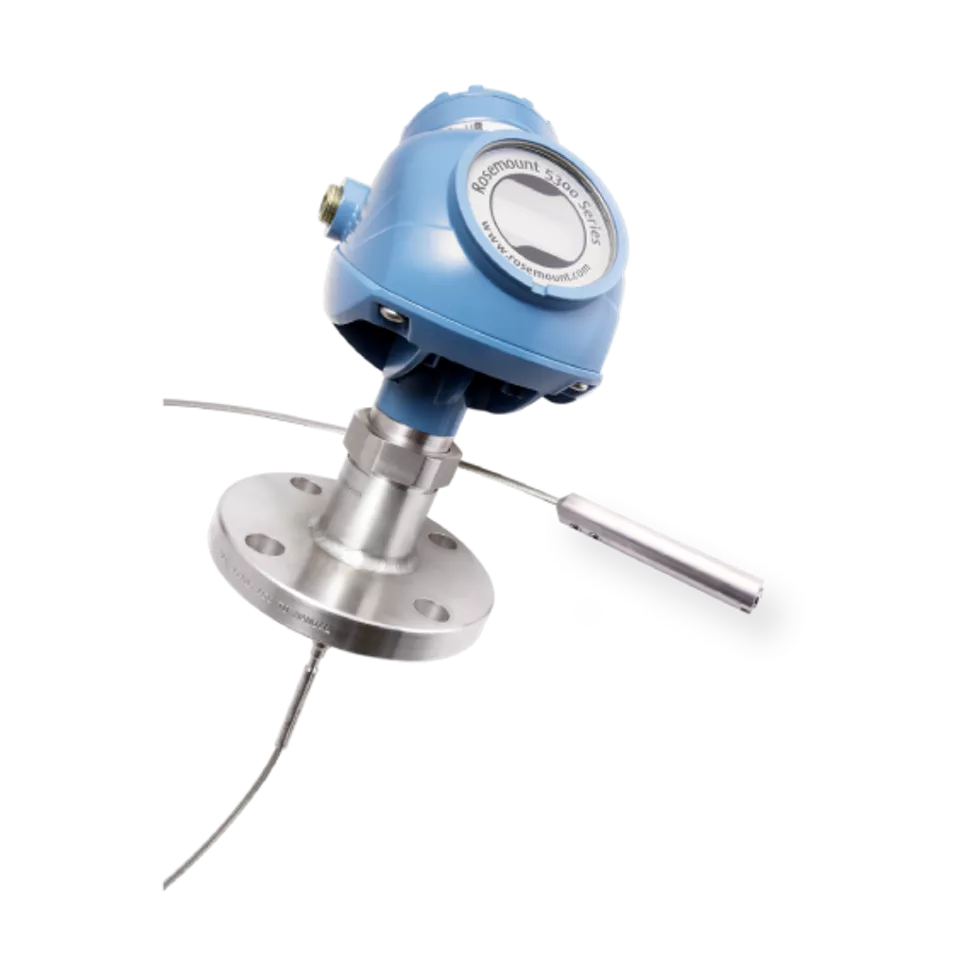
Our alternative fuel level measurement for marine applications offers precise and reliable solutions. Built for harsh marine conditions, our robust FMCW radar ensures accurate monitoring across all tank types while meeting IGF Code compliance, boosting safety, efficiency, and confidence at sea.
Resources
Video: Alternative Fuel Level Measurement
Flyer: MIF 61 multi-instrument flange solution
Case: The world's first retrofitted methanol dual-fuel container vessel
Frequently Asked Questions
This FAQ addresses key questions around how marine tank level monitoring systems work onboard for safe and efficient fuel and cargo management, and how Emerson’s solutions ensure accuracy, compliance, and peace of mind at sea.
The choice between electropneumatic and electric pressure technologies inmarine tank gauging dependson your application needs:
Electropneumatic systems are ideal for rugged, harsh environments, offering low maintenance with centralized sensors and air supply, and are cost-effective for installation and maintenance. They’re well-suited for tanks with variable fluids and temperatures.
Electric pressure systems provide high precision and real-time data transmission, with advanced features like remote monitoring, diagnostics, and system integration—ideal for applications requiring detailed control and visibility.
Measuring the mass of the contents offers several advantages over traditional volume-based methods, particularly in terms of accuracy and reliability. It is independent of temperature changes, often non-intrusive, and does not require direct contact with the tank contents, making it safer and easier to maintain. Additionally, it provides immediate and conclusive results, which are crucial for real-time monitoring and decision-making. Mass-based measurement systems require minimal tank preparation and no stabilization time, allowing for continuous operation with minimal downtime. They are also suitable for various types of fluids, including those with different viscosities and densities, ensuring versatility across a wide range of applications.
Radar technology is ideal for environments with extreme temperatures, high pressure, or corrosive conditions. It can operate reliably in these harsh conditions without being affected by the properties of the tank contents.
Radar technology provides non-contact measurement, making it suitable for applications where the tank contents are hazardous, sticky, or prone to buildup. It offers highly accurate measurements unaffected by temperature, pressure, vapors, foam, or sticky and corrosive contents. Radar excels in fuel and alternative fuel tanks, tall tanks, and those with complex shapes or internal obstructions—delivering reliable data with minimal maintenance.
There are several installation methods for these sensors, each serving specific purposes. One common method is side mounting, where the sensor is attached using a flange or threaded connection on the side of a tank. Another method is submersible installation, where the sensor is directly submerged into the liquid. This is ideal for open tanks, bilge monitoring, and reservoirs, allowing for direct measurement of liquid levels.
Additionally, inline installation places the sensor directly in the flow path of the liquid within a pipe, making it suitable for process control applications on ships that require continuous monitoring of liquid levels and pressure. Bulkhead mounting is another method, where the sensor is installed on the bulkhead of the vessel, commonly used for monitoring levels in integral tanks like ballast tanks.
Maintaining accurate tank level measurements is critical for safe vessel operation. Traditional sensors can drift over time, requiring frequent recalibration. Emerson’s Rosemount™ 520 Level Transmitter offers long-term stability, needing adjustment only every five years. It’s easy to install and configure, with built-in over pressure protection for demanding marine conditions. By combining it with draft, trim, and list measurements—along side inclinometer data and the Aperio™ Tank Level Gauging Control and Monitoring System—you gain reliable, real-time insights to optimize performance and ensure onboard safety.