

Driving Efficient, Reliable, and Low-Carbon Hydrogen Production with Advanced SMR Automation Solutions
Optimize SMR performance and advance your low-carbon hydrogen strategy with scalable automation technologies
Emerson’s proven automation, control, and safety solutions enable steam methane reformers to operate more efficiently, reliably, and safely—while supporting emissions reduction strategies critical to low-carbon hydrogen production.
Hydrogen Solutions in Action
Emerson’s solutions harness automation technology, software, and services to help industries achieve greater efficiency, enhanced safety, and sustainable operations in hydrogen production, transport, and usage.
Hydrogen Production with Advanced Technologies for Natural Gas Reforming
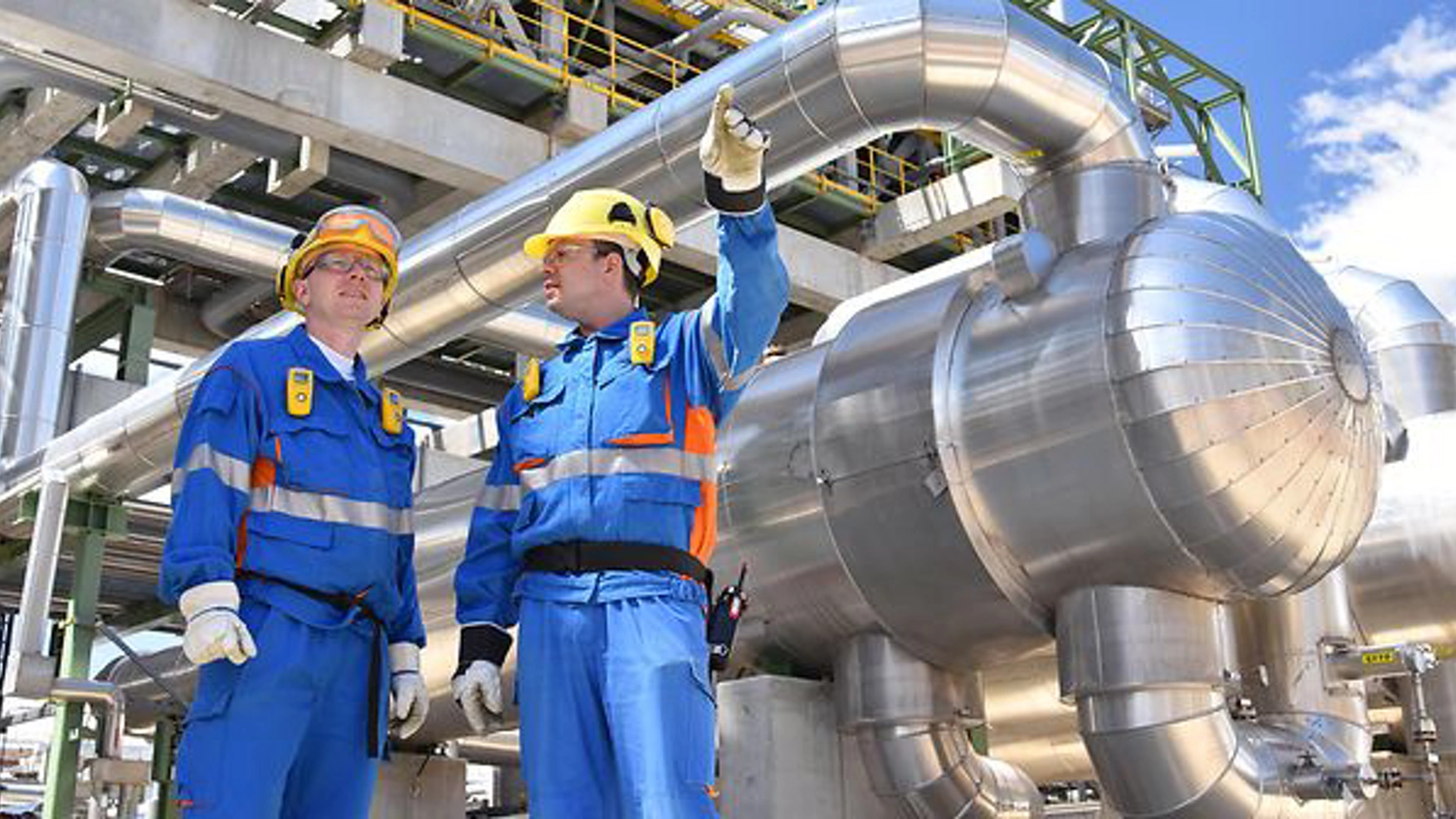
Natural gas reforming uses an advanced and mature process that builds upon the existing natural gas availability and infrastructure. In the United States, 95% of the hydrogen produced utilizes natural gas reforming to enable and meet the demand for hydrogen production. Emerson supports operators through advanced technologies in steam methane reformer, amine treatment, and vacuum swing adsorption.
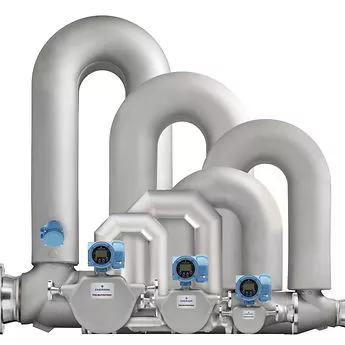
ELITE Coriolis Meter
ELITE Coriolis flow meters are designed to deliver accurate, repeatable flow measurement for even the most challenging environments and applications.
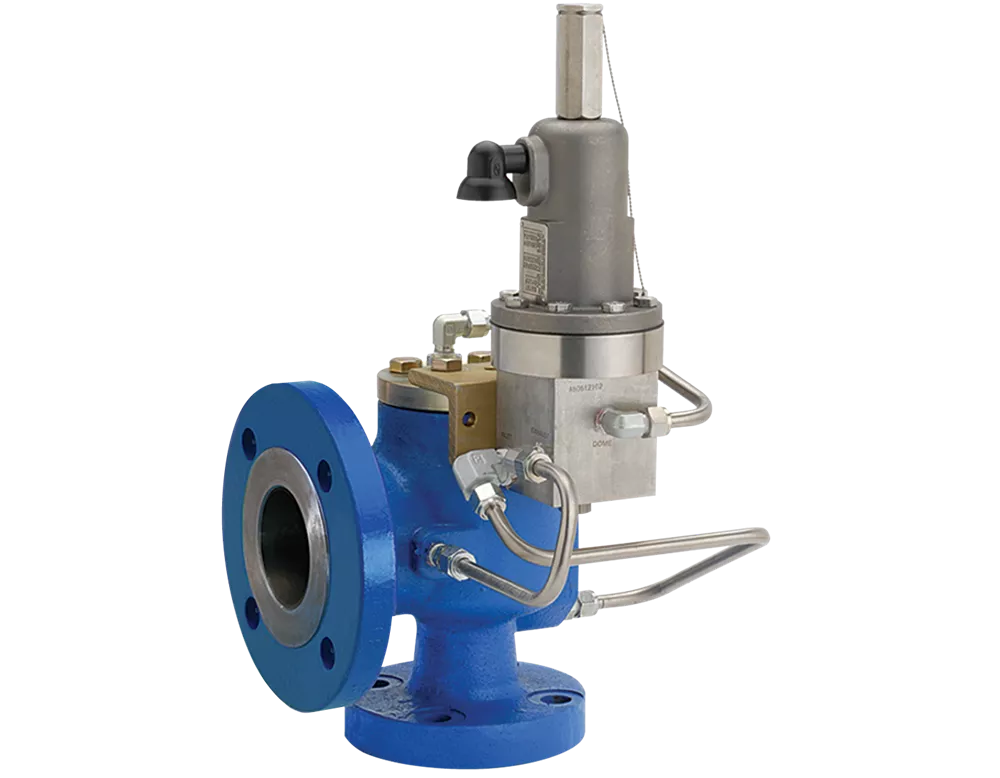
Anderson Greenwood Type 400 and 800 Safety Valves
Get premium performance and advanced technology for overpressure protection
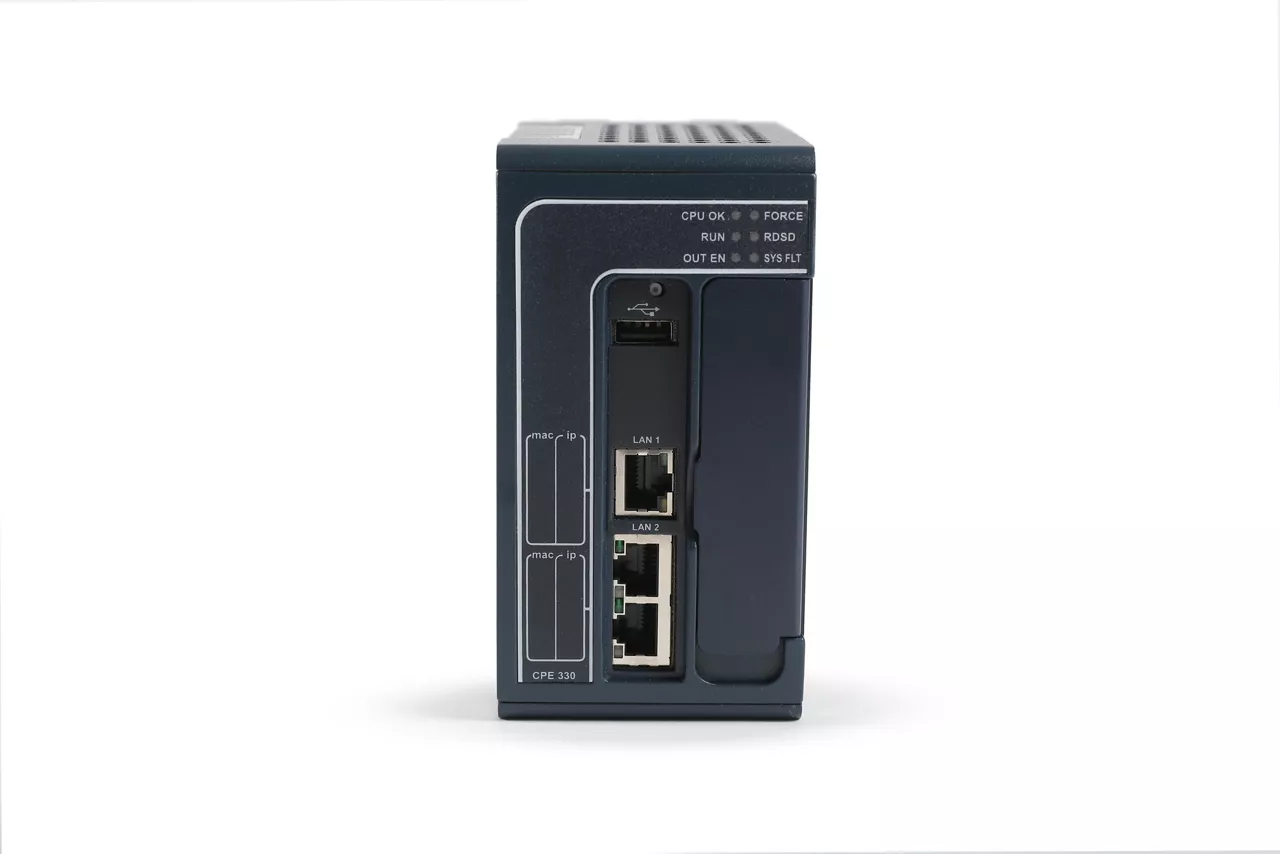
RX3i PLC (additional integration to DeltaV via MTP)
Emerson-supported MTP integration enables more modular manufacturing, reduces capital and operating costs, and accelerates digital transformation deployment.
Frequently Asked Questions (FAQs)
As interest in low-carbon hydrogen production grows, so do the questions around its technologies, challenges, and opportunities. Whether you're exploring blue hydrogen for the first time or scaling existing operations, our insights help support informed decision-making and long-term success.
The term blue hydrogen refers to hydrogen produced from natural gas or coal using steam methane reforming (SMR) or other methods, and separated from CO2, which is sequestered using carbon capture, utilization and storage (CCUS), reducing the levels of greenhouse gas emitted into the environment. The blue color denotes the far cleaner energy stream that results, which is currently less costly and more commercially viable than fully renewable green hydrogen.
Blue hydrogen is not only several orders of magnitude less carbon intensive than gray hydrogen, which is produced from fossil fuels without CCUS, but the processes used are more easily scaled and well-tested than those available to make renewable hydrogen from electrolysis. These factors and the abundance of raw hydrocarbon feedstock could give blue hydrogen a cost advantage in the market as companies and consumers, particularly in transportation and heavy industries, weigh uncertainty in near-term energy prices against long-term sustainability goals.
Existing fossil fuel-based hydrogen generation methods and CCUS all require energy, capital resources, and workforces to operate--and there will likely always be industrial processes that emit some positive net level of carbon. The primary concerns for blue hydrogen producers and users today are safety, efficiency, and reliability. Ensuring purity, precisely controlling process units, achieving the highest possible CO2 capture rates, optimizing storage capacity, and managing energy and maintenance costs are all necessary to make sure a steady supply of hydrogen is available to meet quickly rising demand.
The most common method of manufacturing hydrogen from natural gas is steam methane reforming, which is integral to the industrial-scale commercial production of blue hydrogen. SMR applies steam under tremendous temperature and pressure to a chemical catalyst that separates hydrogen from feedstock and binds carbon to oxygen atoms from water, forming CO2 as a byproduct. The throughput and efficiency of the process depends on maintaining an optimal ratio of steam to carbon entering the reformer, protecting the catalyst from coking and managing energy usage.
CCUS refers to various greenhouse emissions reduction technologies applied to the energy value chain. In the case of blue hydrogen, three of the most used and well-understood methods of carbon capture are vacuum swing adsorption (VSA), pressure swing adsorption (PSA), and amine-based adsorption. While VSA and PSA are capable of capture rates above 90%, both methods face similar challenges – ensuring safety, purity, and reliability despite very high cycle rates, and preventing leaks that cause lower capture efficiency. Amine-based adsorption involves a trade-off between the energy needed to regenerate the chemical solvent used in the carbon capture process and the rate of efficiency of the process itself.
A key selling point for decarbonized (blue) hydrogen is that the kinds of automation technologies needed to drive costs down and keep efficiency up already exist and are relatively inexpensive. Automation can improve the efficiency and profitability of SMR units by controlling the steam-to-carbon ratio with greater precision using advanced process control systems, online asset monitoring, and mass flow meters. It’s possible to extend the life of the catalyst using continuous chemical composition analysis, which is essential for improving the performance of the above-mentioned CCUS methods as well. When applied to evaluate energy-related KPIs, energy management information systems (EMIS) make it easier for hydrogen plants to hit their operations’ optimal steam and electricity usage targets