
Empowering Lithium Mining with Precision Automation and Sustainable Digital Solutions
Drive productivity and sustainability across lithium extraction with advanced automation and digital intelligence
Emerson empowers lithium miners with advanced automation, precision measurement, and digital intelligence—helping drive greater productivity, sustainability, and profitability across every stage of lithium extraction and processing.
EVB Solutions in Action
Emerson’s solutions harness automation technology, software, and services to help industries achieve greater efficiency, enhanced safety, and sustainable operations across the value chain.
Enhance Production Efficiency in the EV Battery Value Chain
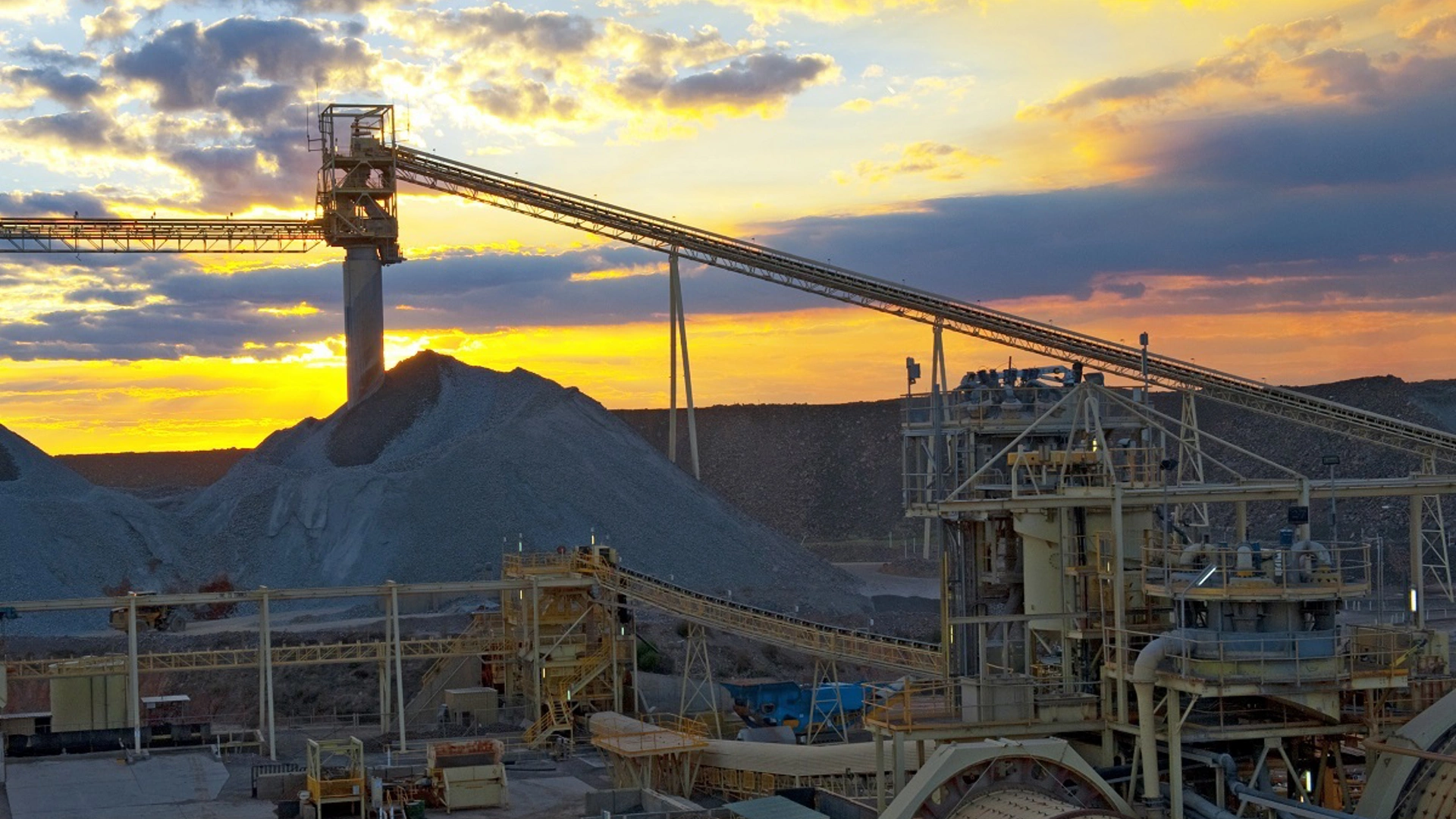
Emerson mining controls experts have developed technologies and solutions that increase the efficiency of your mining operations so you can meet your production goals—from optimizing hydrocyclones to avoid plugging and roping, to reducing loss with improved transfer chute monitoring, and improving recovery with flotation cell reagent control. Plus, real-time online vibration monitoring and model predictive control can address production loss and improve recovery.
AMS 6500
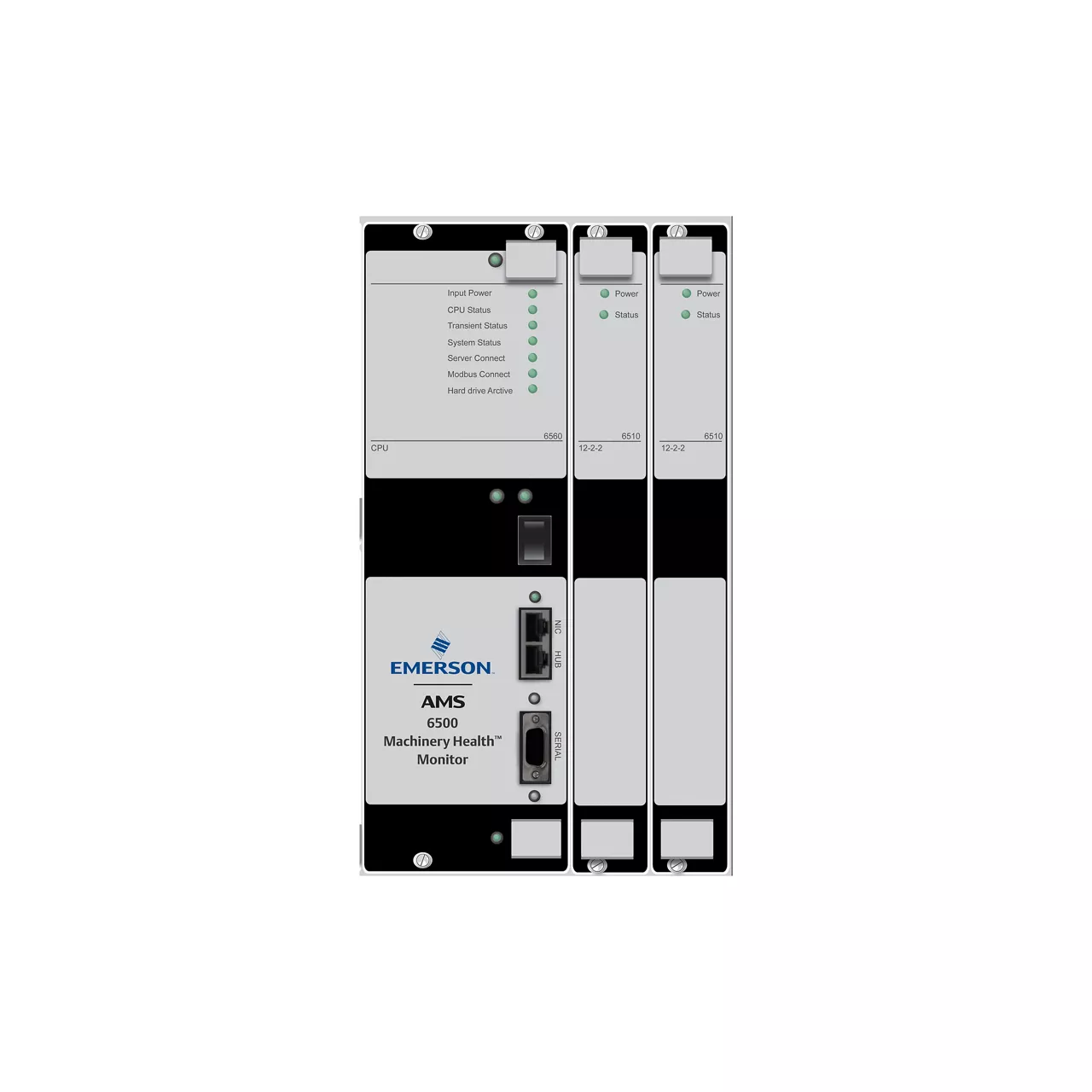
Emerson’s AMS 6500 Machinery Health Monitor is a versatile, scalable system that can be deployed in a variety of configurations to deliver online condition monitoring exactly as needed for the application.
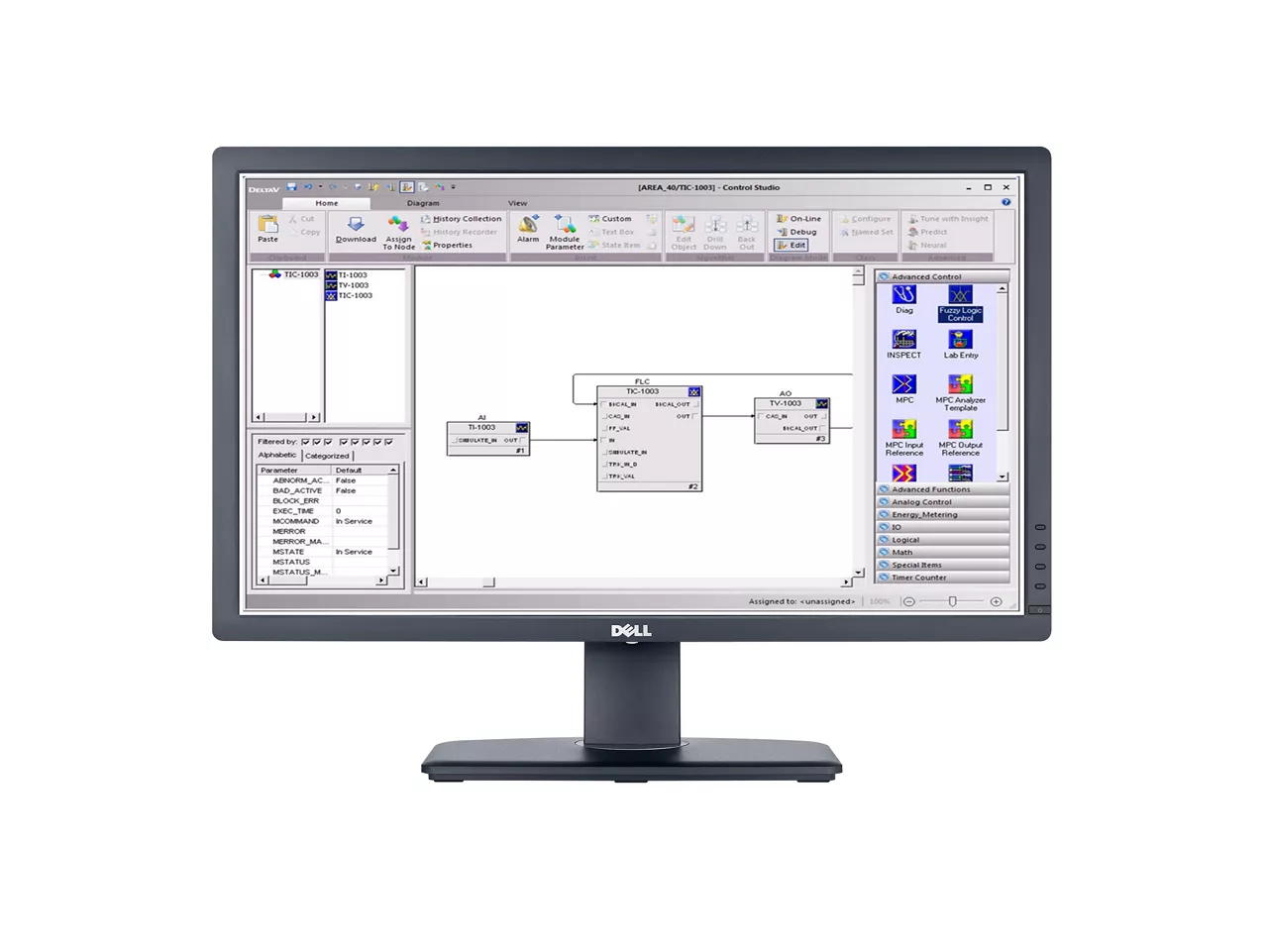
DeltaV™ Fuzzy
The DeltaV Fuzzy function block offers a practical, field-proven substitute for PID control.
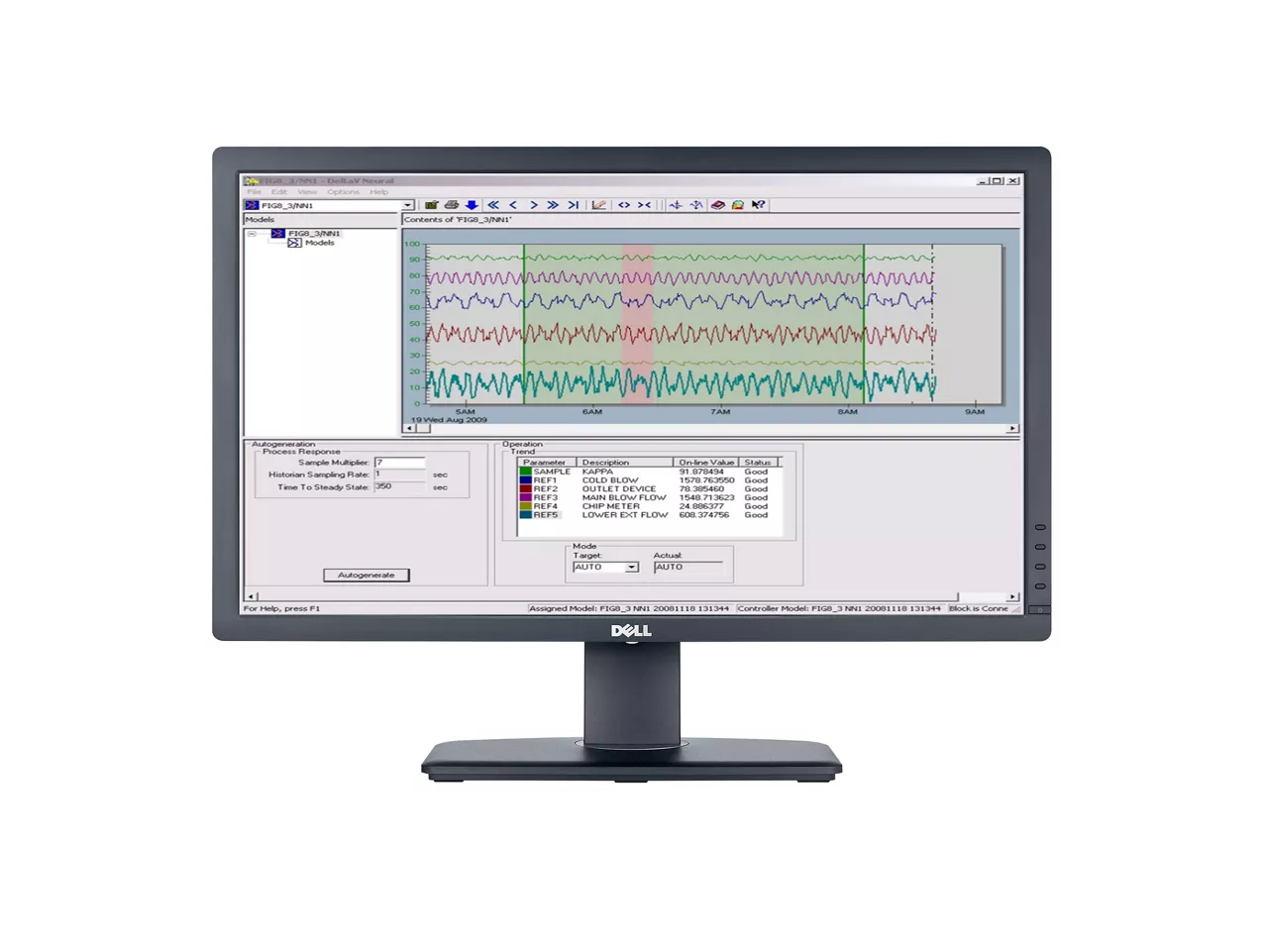
DeltaV™ Neural
DeltaV Neural gives you a practical way to create virtual sensors for measurements previously available only through the use of lab analysis or online analyzers.
Prevent Downtime with Continuous Real-Time Monitoring
The most common cause of downtime in mining operations is critical equipment failure. These failures can cause risks to personnel, unplanned downtime, and reactive maintenance practices. Continuous real-time monitoring of equipment using wireless vibration monitoring, predictive analytics, combined with reliable valves ensure your critical mining equipment like hydrocyclones keep running reliably and safely.
AMS 6500
Emerson’s AMS 6500 Machinery Health Monitor is a versatile, scalable system that can be deployed in a variety of configurations to deliver online condition monitoring exactly as needed for the application.
DeltaV™ Fuzzy
The DeltaV Fuzzy function block offers a practical, field-proven substitute for PID control.
DeltaV™ Neural
DeltaV Neural gives you a practical way to create virtual sensors for measurements previously available only through the use of lab analysis or online analyzers.
Improve Tailing Dam Safety to prevent Environmental Hazards
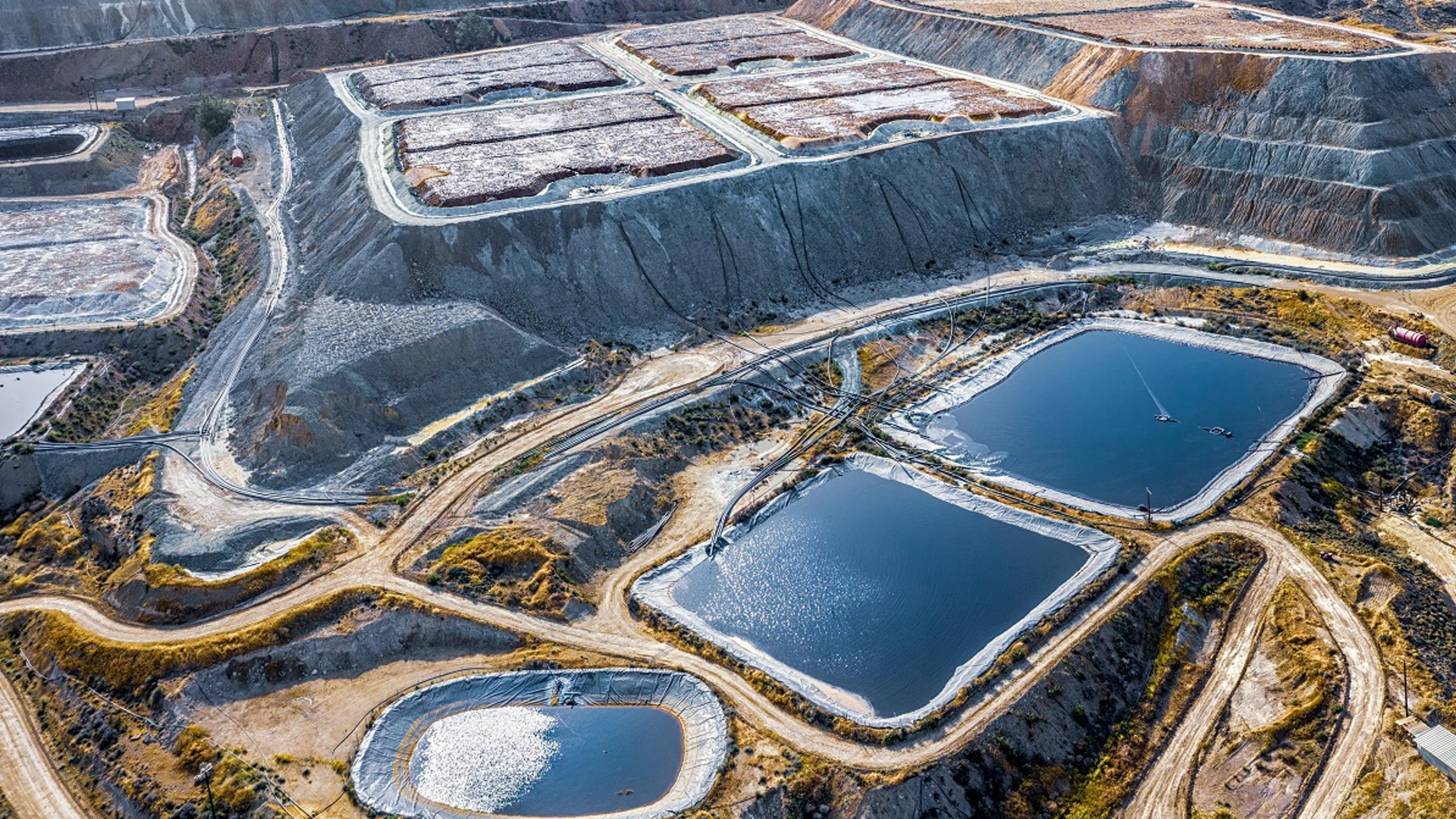
Because lithium mines cover vast areas that make traditional manual surveillance monitoring or large dams impractical, there is risk of overflow that can damage the environment and become a hazard to the community. However, wireless radar level sensors that monitor the tailings level allows personnel to redirect tailings to another pond when the pond is full.
Enardo Series 950 PRV with Flame Arrestor
Enardo Series 7 In-Line Flame Arrestors are designed to stop the propagation of confined low-pressure deflagrations.
Fisher 1098-EGR and 1098H-EGR Pressure/Backpressure Regulators
Fisher 1098-EGR and 1098H-EGR regulators provide economical and accurate pressure control in a wide variety of applications including natural gas and fuel gas supply.
Rosemount 3308 Wireless Radar Level Transmitter
The Rosemount 3308 Wireless Level Transmitter enables automation of level and interface measurements in previously inaccessible locations.
Maximize Efficiency with Remote Monitoring Solutions
Reaching operational goals often depends on the ability of your maintenance staff to continuously monitor your fixed and mobile assets. Lithium mines cover large vast areas that makes traditional manual monitoring of remote equipment like storage tanks, costly and could put your people in hazardous situations. Emerson’s automated condition and asset monitoring solutions can provide accurate and reliable asset data from anywhere inside or outside your operation, keeping your people safe from harm and your goals still within reach.
AMS 6500
Emerson’s AMS 6500 Machinery Health Monitor is a versatile, scalable system that can be deployed in a variety of configurations to deliver online condition monitoring exactly as needed for the application.
AMS Machinery Manager
AMS Machinery Manager integrates multiple predictive maintenance techniques with comprehensive analysis tools to provide easy and accurate assessment of the machinery health across different types of mechanical assets in your facility.
Enardo Series 950 PRV with Flame Arrestor
Enardo Series 7 In-Line Flame Arrestors are designed to stop the propagation of confined low-pressure deflagrations.
Improving Energy Efficiency with Pressure-Reducing Regulators
Manufacturing and process plants use compressed air as a power supply for many devices within the plant. Instrument air is used to power instruments, such as controllers, positioners, switching valves, panel loaders, and volume boosters. Instrument air can come from the plant air line or from separate air lines throughout the plant. In either case, the air supplied to the instruments must be cleaned and dried before it enters the instruments. Emerson Fisher airsets on instrument supply systems increase energy efficiency by avoiding loss of air and ensure adequate and clean air supply to digital components.
Frequently Asked Questions (FAQs)
Lithium mining presents unique challenges that demand innovative solutions for safety, efficiency, and environmental stewardship.
While there are a wide range in lithium extraction methods, two processes make up nearly all of today's production: spodumene ore mining and evaporitic extraction from the brines below salt flats. Ore lithium mining in Western Australia is currently the largest source of production today.
Most of the world's lithium is extracted from a mineral-rich brine around 10 meters beneath the briny lakes of high-altitude salt flats. The process begins by drilling down through the crust and then pumping the brine up to the surface into evaporation pools, where it is left for months at a time.