


Life Sciences Solutions
Adaptable platforms for evolving biomanufacturing demands
The growing need for faster time to market, product purity, and batch-to-batch consistency makes single-use technologies a cornerstone in modern bioprocessing. These solutions support end-to-end workflows—from upstream to downstream—by integrating seamlessly with process automation and control, ensuring compliance with regulatory standards while maximizing throughput and efficiency.
Single-Use Technologies Solutions in Action
Real-time insights, modular automation, and purpose-built components help reduce cleaning validation, cross-contamination risk, and downtime. Single-use systems offer pharmaceutical manufacturers the ability to pivot between products, scale on demand, and support facility design with integrated, digitally enabled control.
Optimizing Single-Use Bioprocessing
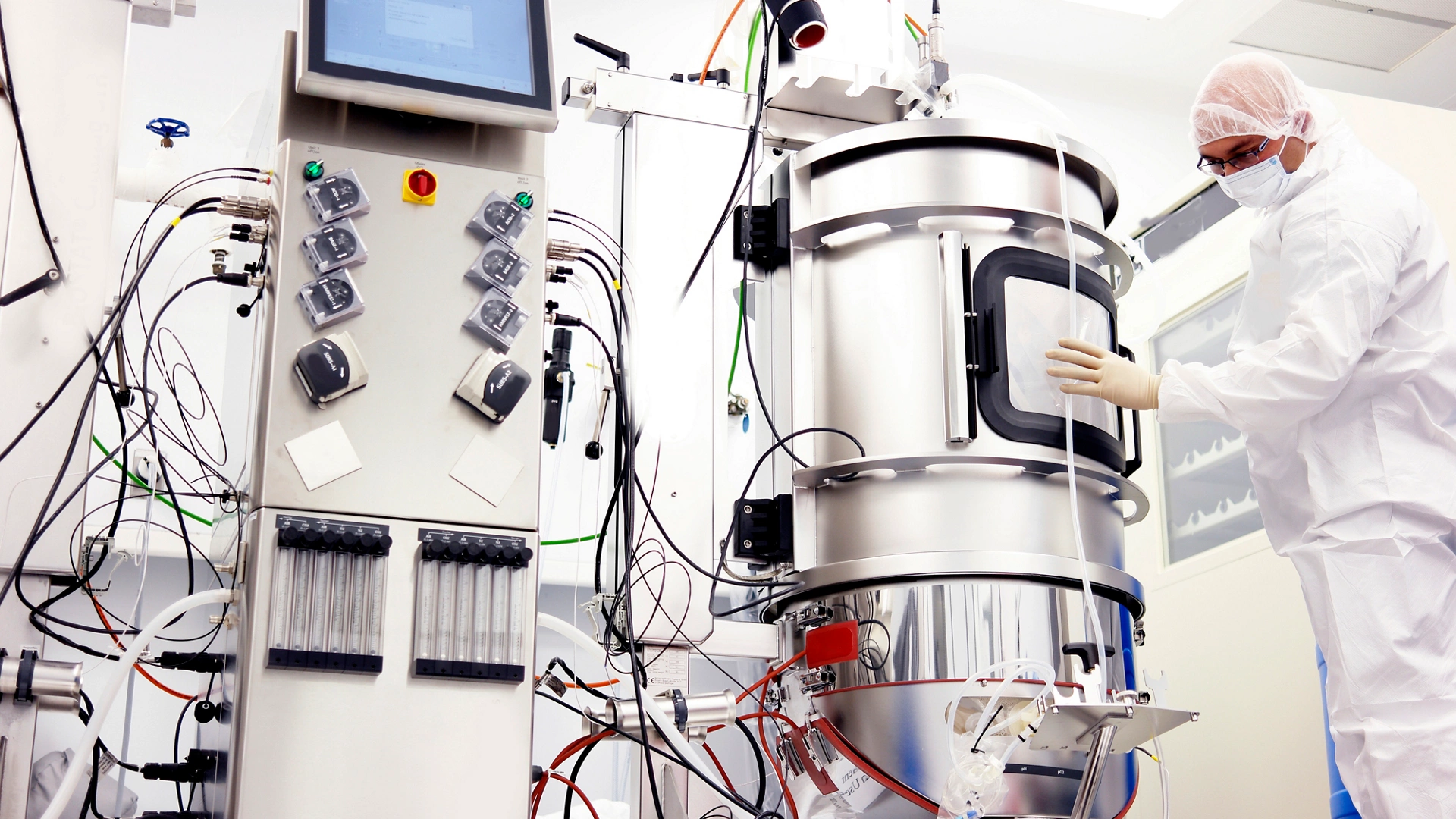
Emerson’s single-use bioreactor solutions support efficient, scalable cell culture processes for biologics and advanced therapies. Designed for flexibility and precision, our technologies enable tight control of critical parameters to ensure optimal cell growth, viability, and product yield. From process development to full-scale production, our systems help accelerate time to market while maintaining quality and compliance.
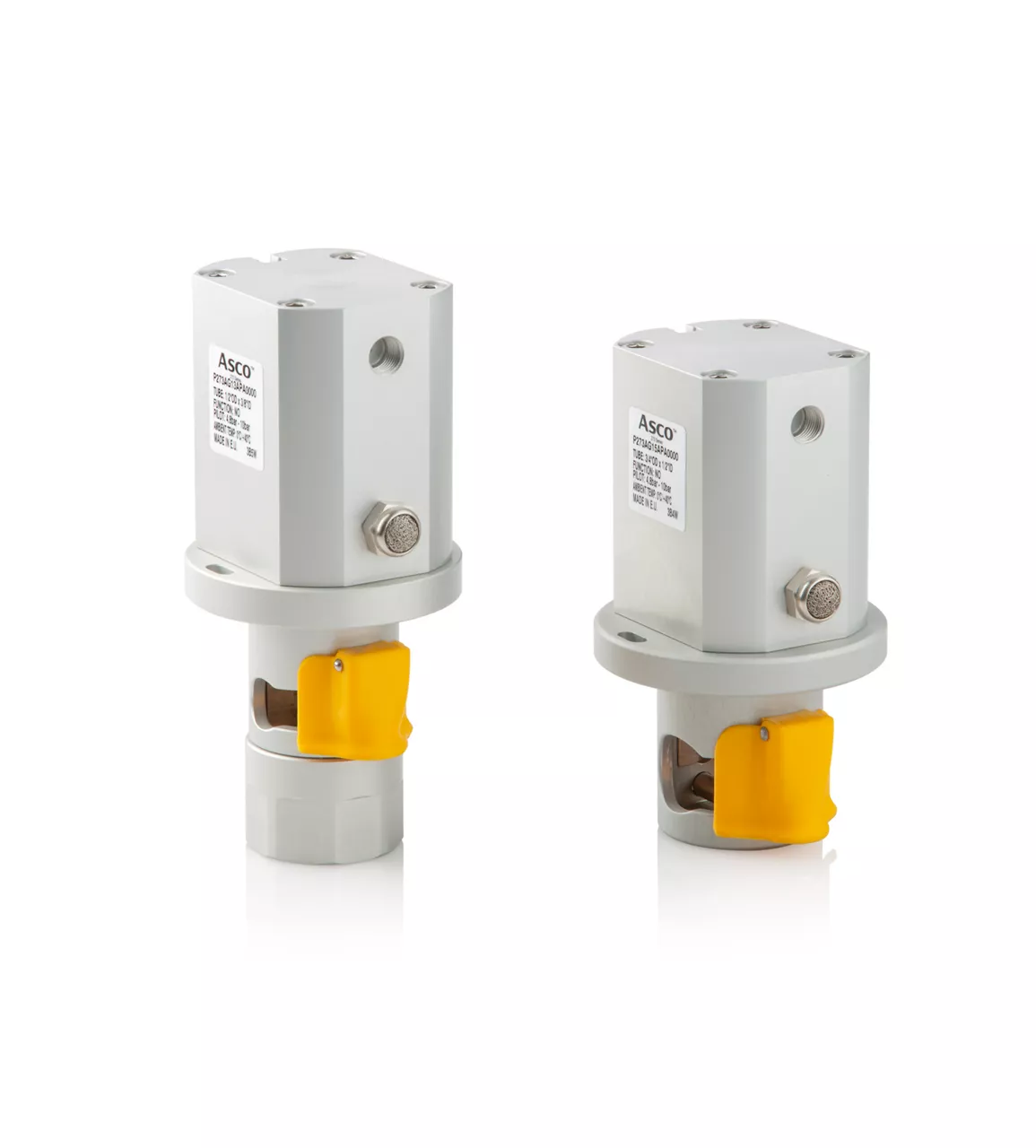
ASCO™ Series 273 Pneumatic Pinch Valve
Precision control for fluid paths in bioreactors, ensuring sterility and reducing contamination risk.
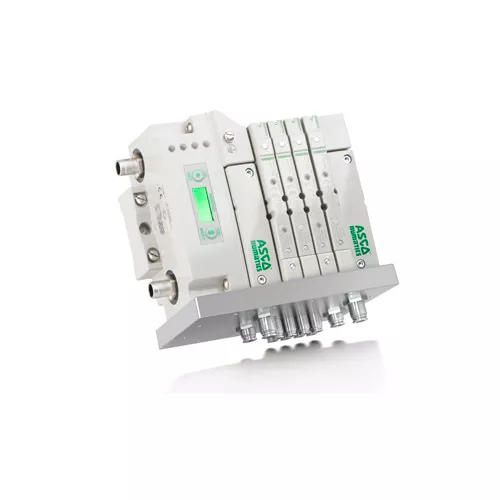
AVENTICS™ 580 CHARM Node
Supports plug-and-play integration of CHARM devices into DeltaV systems for modular automation.
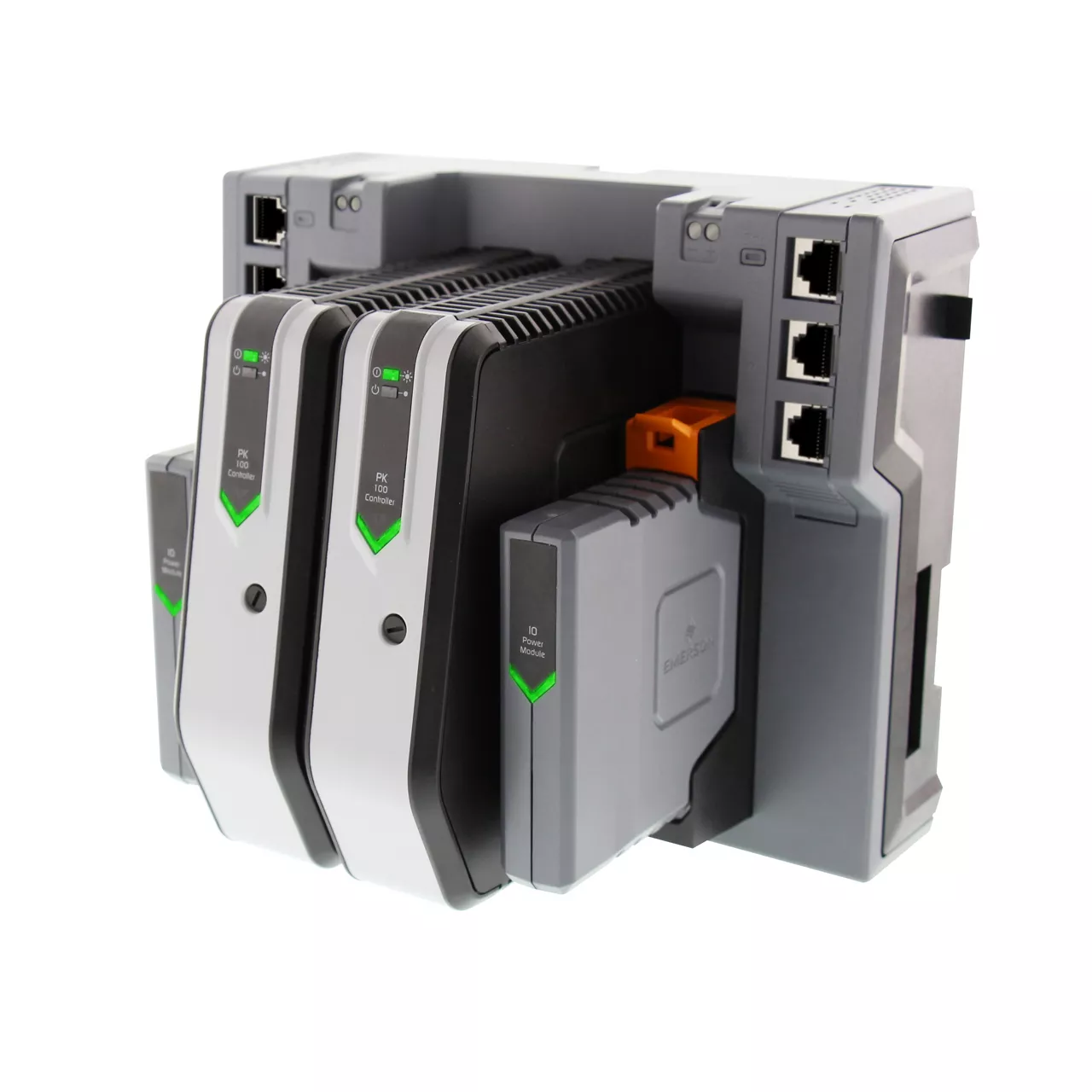
DeltaV™ PK Controller
Compact, scalable control for single-use systems with native OPC UA and batch management.
Business Groups in Single-Use Technologies
A strong solution requires collaboration across specialties. From smart instrumentation to responsive control systems, our business groups bring together the technology and domain expertise needed to support single-use biomanufacturing workflows—safely and efficiently.
Discrete Automation
Frequently Asked Questions (FAQs)
Discover answers to frequently asked questions about single-use technologies in advanced therapy medicinal products manufacturing. Learn how disposable systems can improve flexibility, reduce contamination risk, and simplify compliance.
Single-use technologies use disposable components such as bags, filters, and tubing to reduce cleaning requirements and contamination risk in cell and gene therapy production.
They provide scalability, faster turnaround, and lower cross-contamination risk compared to traditional stainless steel bioreactors, supporting flexible ATMP production.
Disposable purification systems streamline process changeover, reduce validation time, and maintain high product purity without extensive cleaning.
They minimize exposure to the environment and reduce contamination risk by using sterile disposable components during filling and packaging.
Challenges include supply chain management, waste handling, and ensuring compatibility with existing process controls and automation.
While single-use systems generate more disposable waste, they reduce water and chemical usage for cleaning, potentially lowering the overall environmental footprint.