

Reliable Performance for Gas Treatment Facilities
Solutions to improve quality, efficiency, and compliance
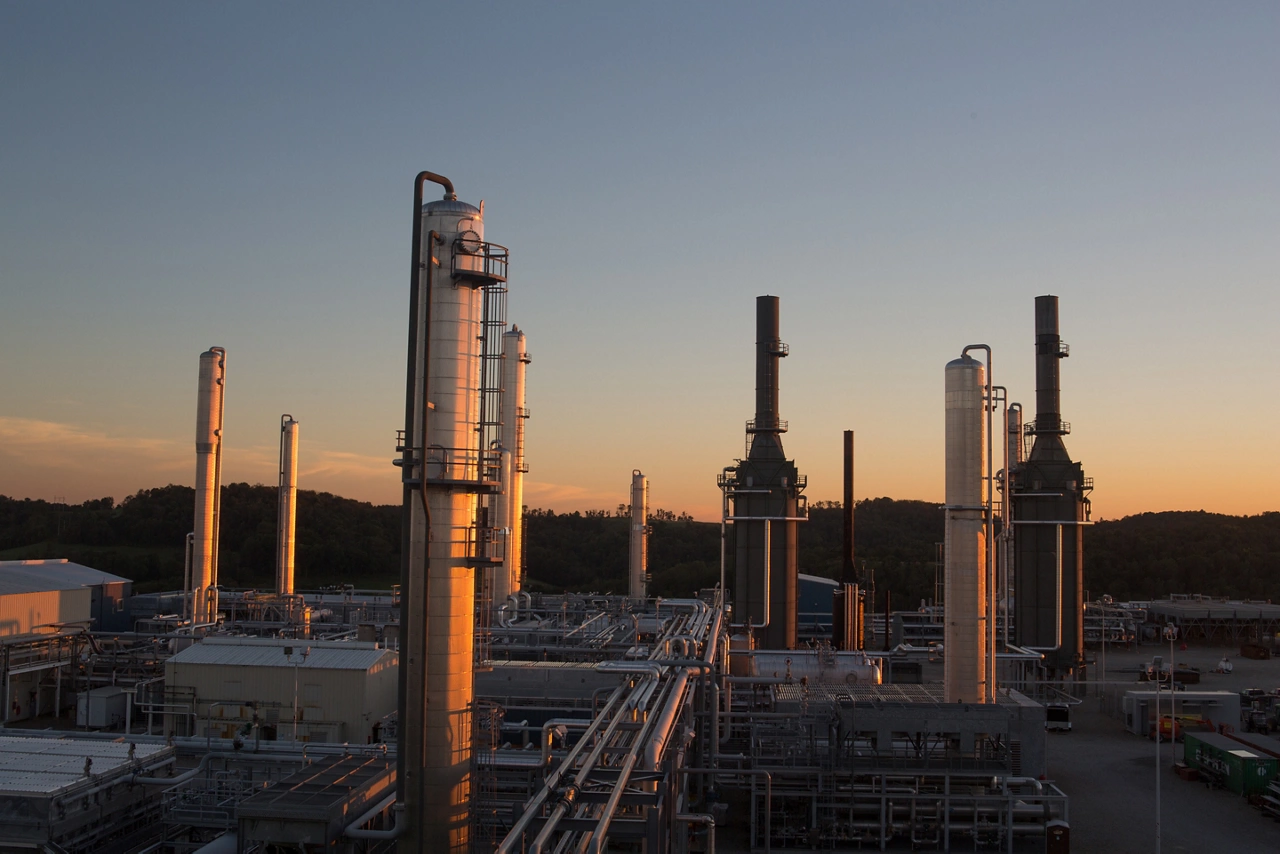
Gas treatment plays a critical role in preparing raw natural gas for transport and sale. Processing must remove impurities such as water vapor, hydrogen sulfide, carbon dioxide, and mercury to meet pipeline specifications and safety standards. Advanced automation, measurement, and control technologies enable operators to achieve higher efficiency, optimize chemical usage, and minimize environmental impact while ensuring uninterrupted operation across treating units.
Gas Treatment Solutions in Action
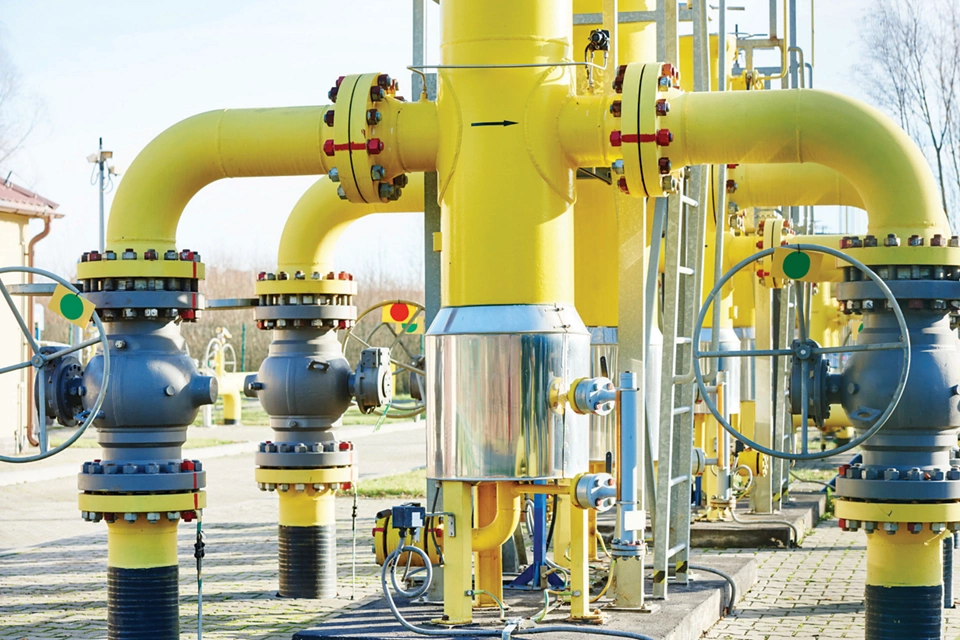
Improving uptime and treatment efficiency in amine, dehydration, and mercury removal units requires real-time data and precision control. These solutions help operators respond to changing feed conditions, optimize absorber and regenerator performance, and monitor corrosion and flow assurance parameters with confidence.
Monitor Gas Quality with Confidence
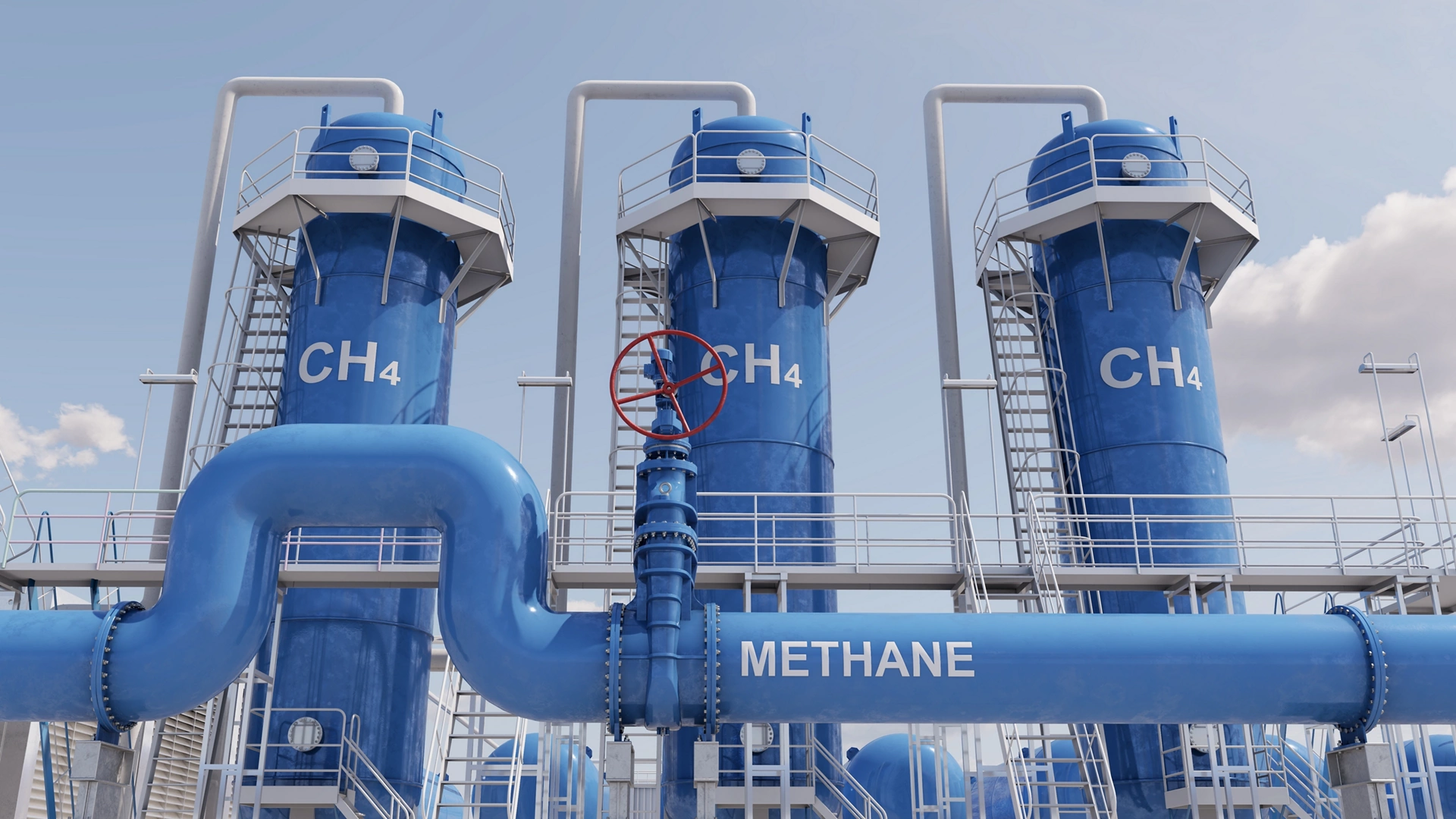
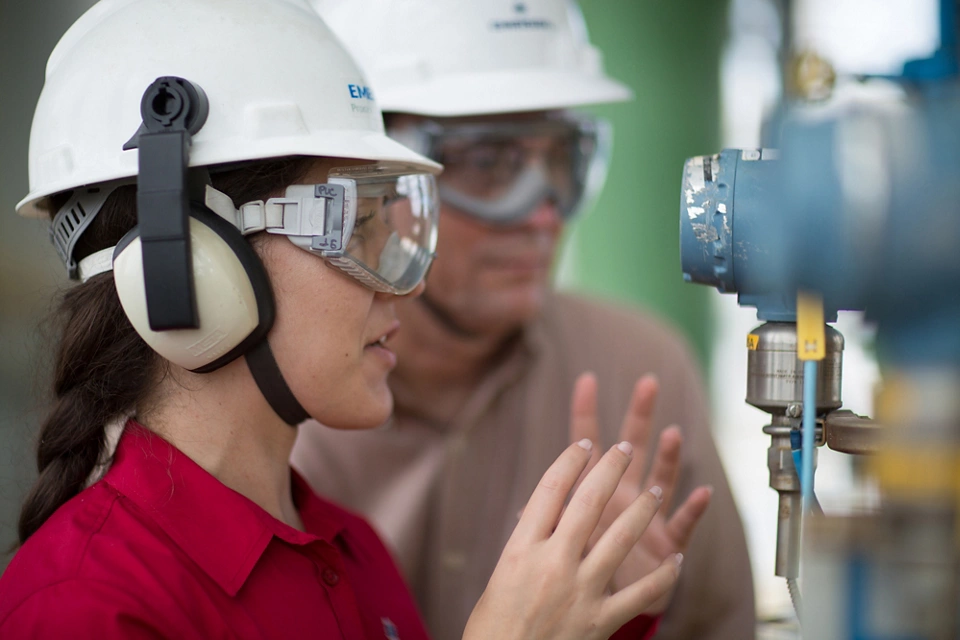
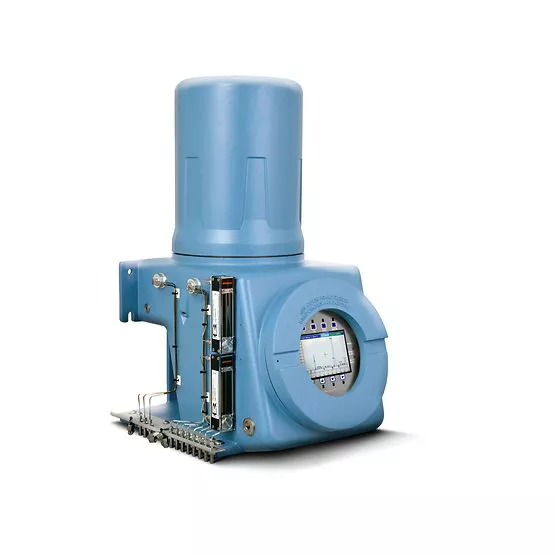
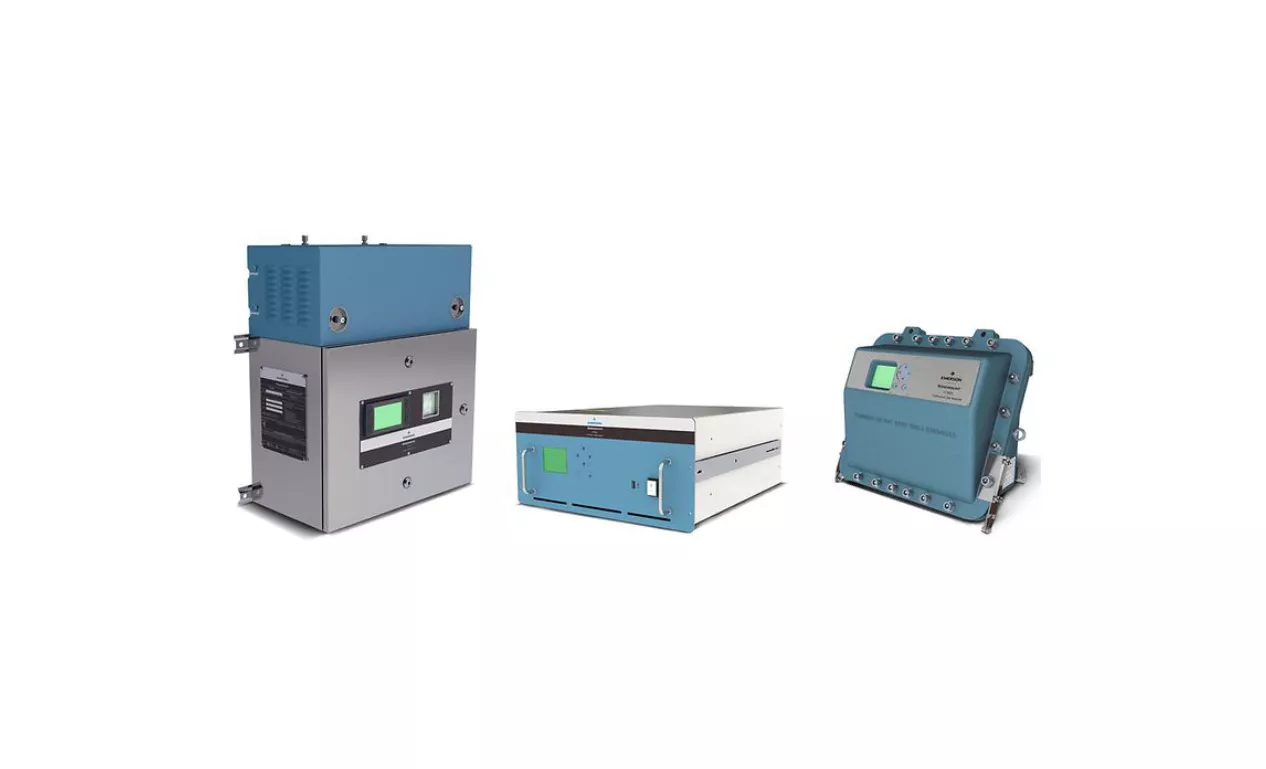
Accurate and reliable gas analysis is fundamental to optimizing gas treatment operations and ensuring regulatory compliance. Advanced measurement technologies provide real-time, precise monitoring of gas composition and contaminants—enabling proactive process adjustments, improved product quality, and minimized emissions. These tools deliver the data integrity and responsiveness operators need to maintain operational excellence across complex gas treatment systems.
Solution-Related Documents for Gas Treatment
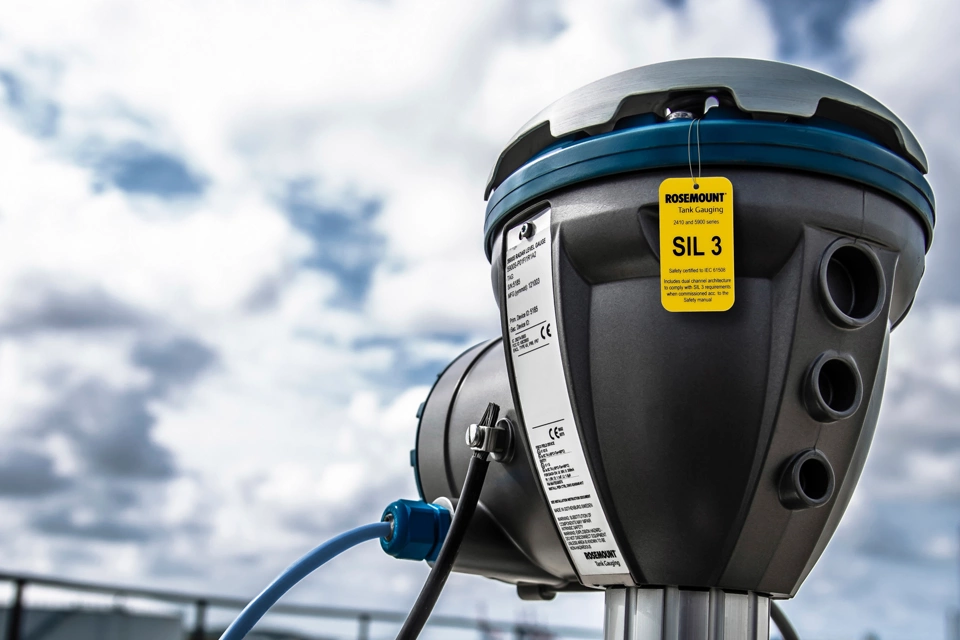
Access expert resources highlighting cutting-edge technologies that drive safer, cleaner, and more efficient gas treatment operations. From zero-emissions valve actuation and advanced radar level measurement to precision gas analysis for renewable fuel production, these insights showcase proven solutions that help reduce emissions, enhance reliability, and support sustainability objectives across the gas value chain.

Frequently Asked Questions (FAQs)
Explore key information about gas treatment processes, technologies, and safety considerations. These frequently asked questions address common concerns around contaminant removal, system performance, and environmental compliance in midstream natural gas operations.
Gas treatment is the process of removing contaminants from natural gas during midstream operations to meet safety, environmental, and pipeline quality standards. It typically includes dehydration, acid gas removal, and sulfur recovery.
Gas treatment ensures the gas meets pipeline specifications, protects downstream equipment from corrosion, and prevents environmental harm. Removing impurities like hydrogen sulfide (H₂S), carbon dioxide (CO₂), and water vapor is critical for safety and efficiency.
Gas treatment systems often include amine units, dehydration systems (glycol or molecular sieve), sulfur recovery units (SRUs), gas sweetening processes, and compression systems. These technologies ensure processed gas meets pipeline and export specifications.
Dehydration is typically achieved using triethylene glycol (TEG) or molecular sieves. These systems remove water vapor from natural gas to prevent hydrate formation and corrosion in pipelines and downstream equipment.
Facilities reduce emissions by capturing acid gases for sulfur recovery or carbon sequestration, using low-emission burners, monitoring venting and flaring, and implementing continuous emissions monitoring systems (CEMS) to meet regulatory standards.
Effective gas treatment ensures that natural gas is dry, sweet, and free of contaminants before entering pipelines or LNG processing. This protects infrastructure, improves energy content, and ensures compatibility with liquefaction and transport systems.