

Empowering Reliable, Scalable Solar Operations
Advanced automation improves operational continuity and grid responsiveness
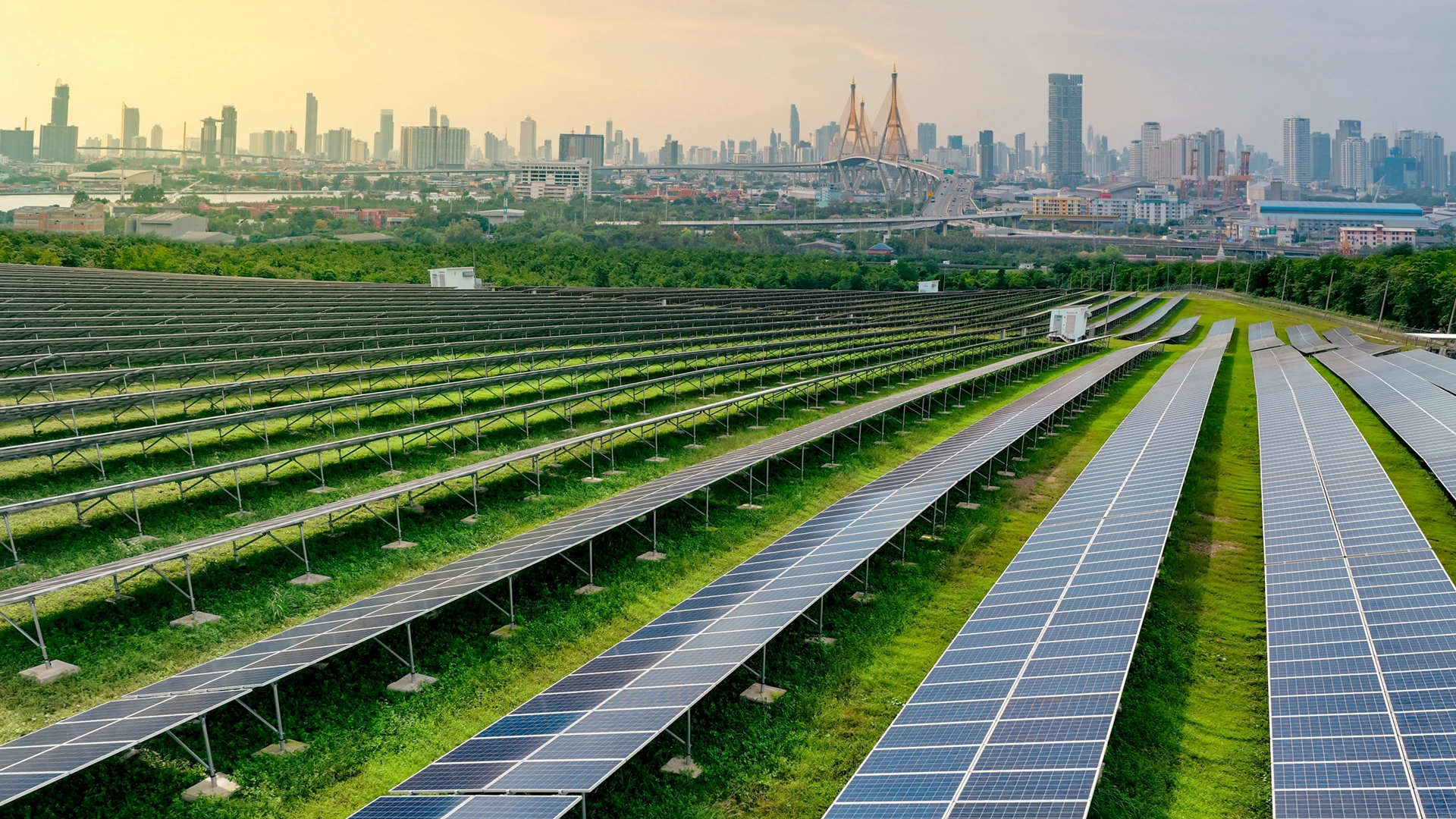
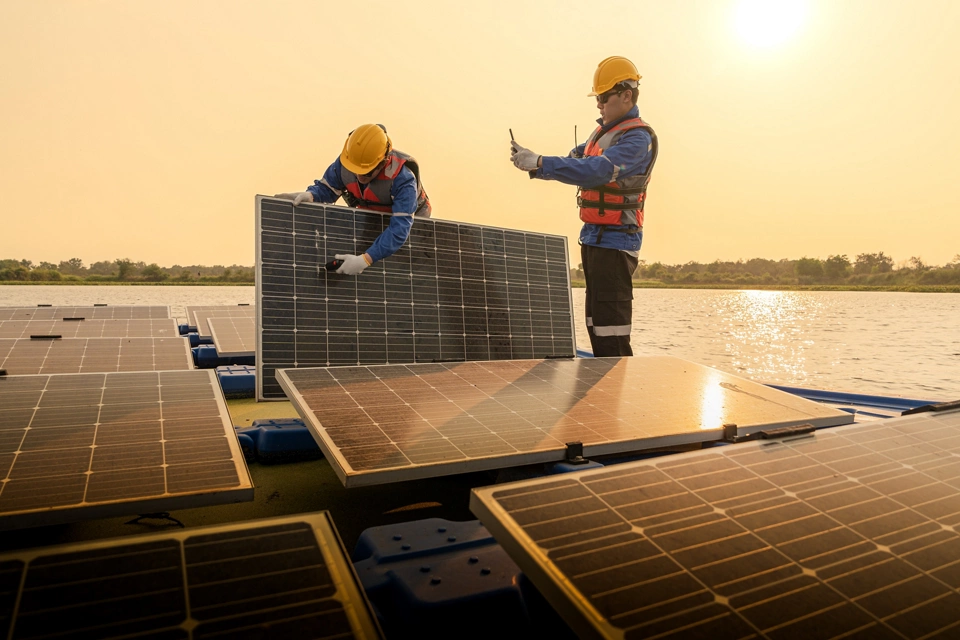
Efficient solar power production requires more than just energy capture—it demands intelligent coordination, real-time diagnostics, and reliable control systems. Integrated automation solutions enable faster response to variable conditions, minimize outages, and maximize return on investment. Whether you're developing new facilities or modernizing existing assets, these solutions provide centralized visibility, predictive maintenance capabilities, and scalable support for hybrid and distributed energy resources.
Solar Solutions in Action
Across diverse solar technologies, automation solutions enable plant operators to proactively manage performance, detect and resolve issues faster, and maintain regulatory compliance. Intelligent control strategies, SCADA integration, and cybersecure architectures enhance responsiveness while reducing complexity. From photovoltaic fields to concentrated solar power stations, operators gain the tools needed to adapt quickly and run with confidence.
Streamlined Control for Distributed Assets
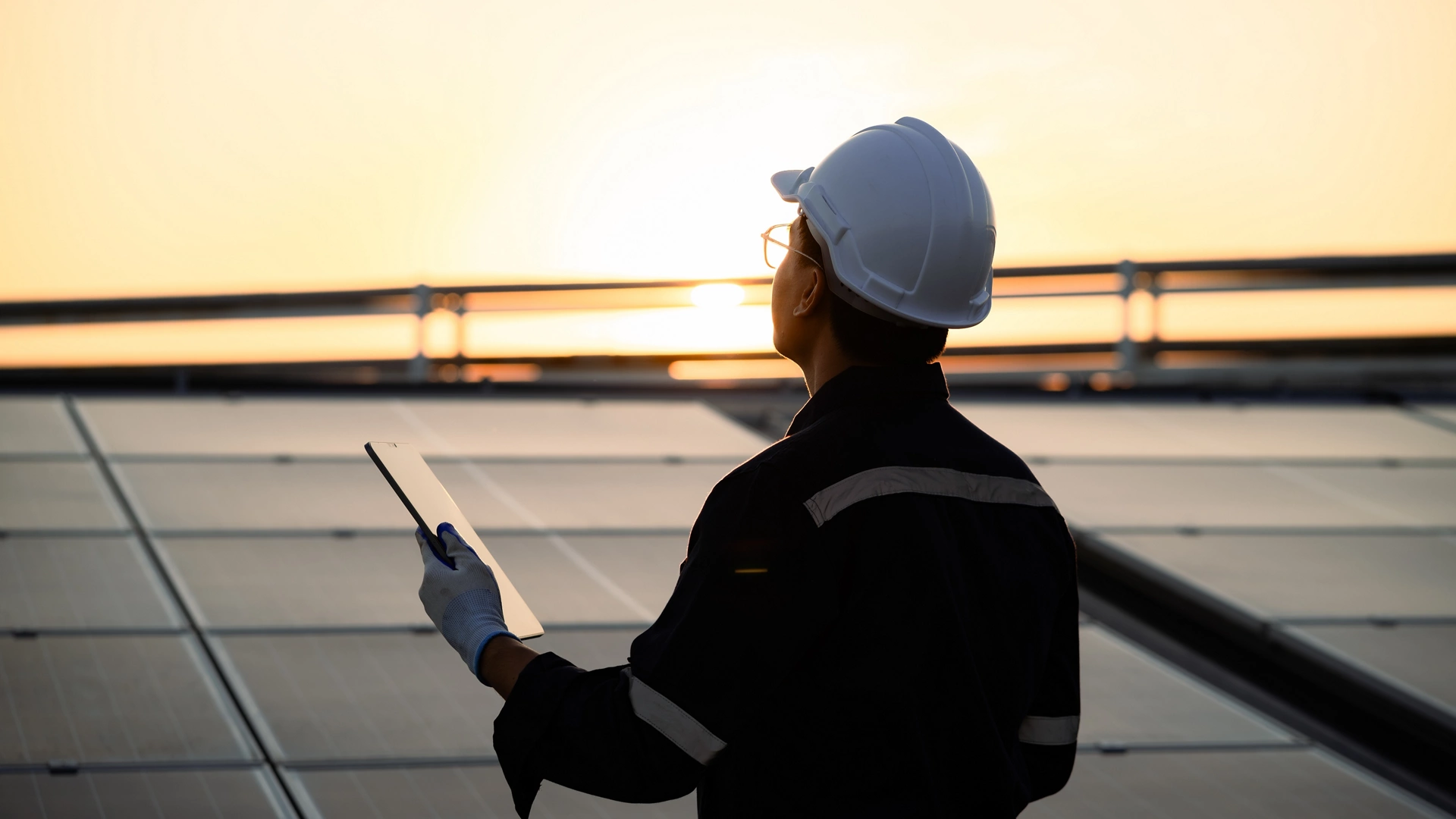
Integrated and scalable control solutions help optimize energy yield and operational profitability, while supporting grid and microgrid stability. These systems enable secure, real-time monitoring and control of PV operations—accessible from mobile devices or centralized control rooms. Designed for interoperability, they aggregate and analyze data from inverters, solar trackers, combiner boxes, meteorological stations, transformers, switchgear, and battery management systems. This unified visibility empowers operators to make faster, data-driven decisions, reduce downtime, and extend asset life.
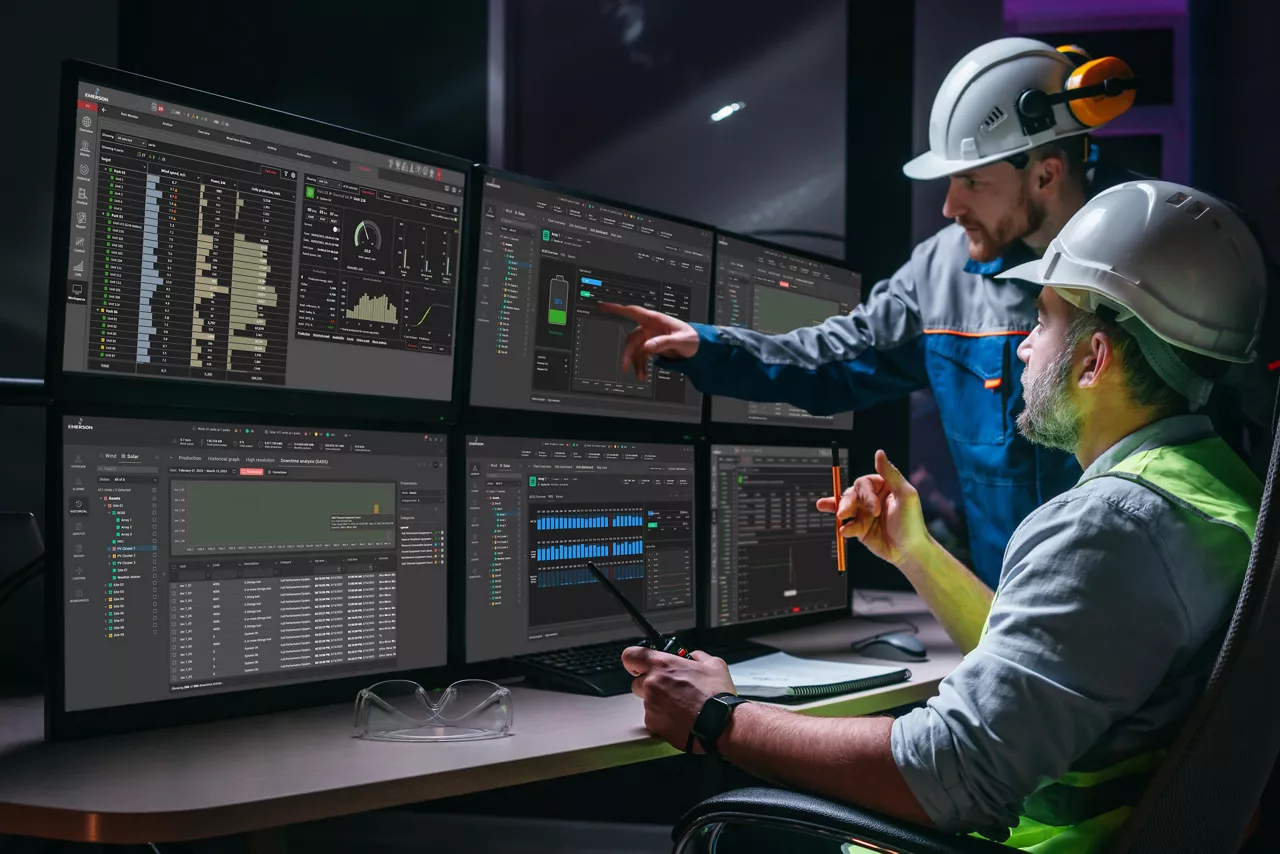
DCS with SCADA Integration
Unify control and visibility across distributed PV assets with integrated DCS and SCADA for faster, smarter decision-making.

Integrated Condition Monitoring
Proactively detect and resolve equipment issues with real-time condition monitoring across your entire PV field.

ICS Cybersecurity Solutions
Protect remote PV operations with layered, standards-based cybersecurity built for industrial control systems.
Solution-Related Documents for Solar
Discover how Emerson’s automation and control solutions help utility-scale solar facilities boost energy production, enhance grid integration, and reduce operational complexity.

Frequently Asked Questions (FAQs)
Solar energy is a rapidly growing, renewable energy source that plays a vital role in the global transition to clean power. This section provides insights into solar technologies, such as photovoltaic (PV) and concentrated solar power (CSP), solar grid integration, plant optimization, and how automation and predictive maintenance enhance performance and reliability in both utility-scale and distributed solar energy systems.
Solar energy is produced by converting sunlight into electricity using photovoltaic (PV) panels or concentrated solar power (CSP) systems.
The two main types are photovoltaic (PV) systems, which convert sunlight directly into electricity, and concentrated solar power (CSP) systems which use mirrors to generate thermal energy.
Automation boosts solar plant efficiency by optimizing power output, monitoring solar panel health, tracking environmental conditions, and reducing manual operations through real-time data.
Several factors can reduce the efficiency of solar energy systems, including weather conditions (cloud cover, rain, snow), anel orientation and tilt angle, shading from trees or buildings, dust and dirt accumulation on panels and system degradation over time due to aging components. Regular maintenance and smart system design can help mitigate these issues.
Predictive maintenance uses real-time data and analytics to identify potential issues before they lead to equipment failure, reducing unplanned downtime and costs.
Grid-tied solar systems use smart inverters, energy storage, and control technologies to stabilize voltage and ensure reliable power delivery.