


Optimize Performance Across the WTE Lifecycle
Boost reliability, cut emissions, and streamline operations across plant assets
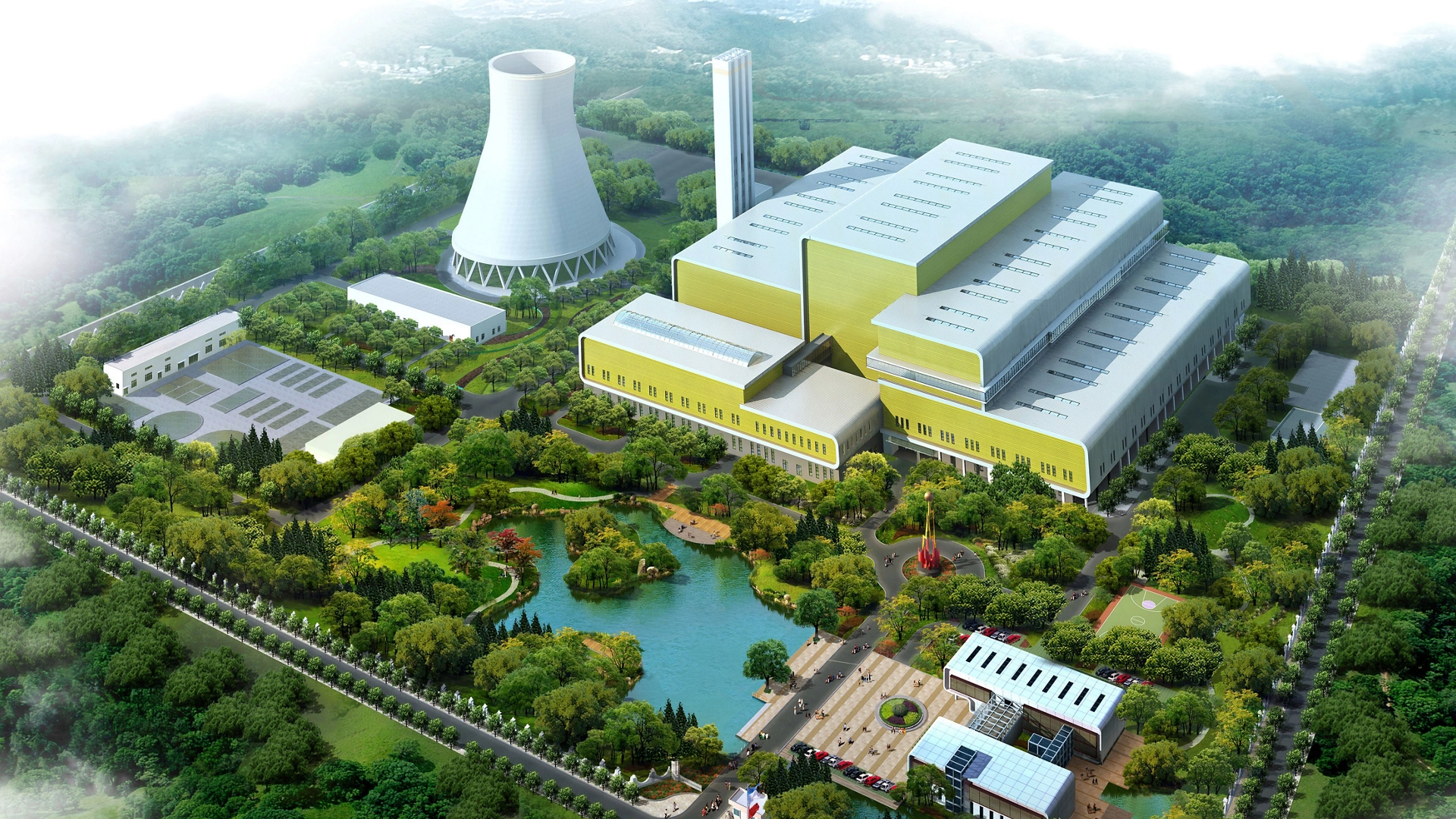
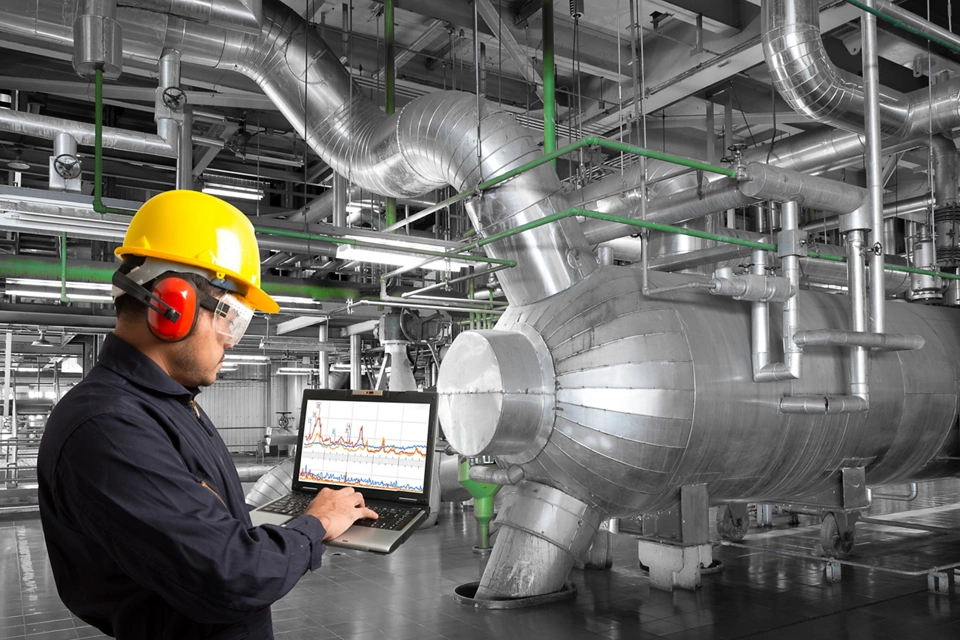
Waste-to-energy plants operate under demanding conditions, managing variable feedstocks and adhering to stringent emissions standards. Integrated automation, control, and safety systems empower operators to maintain process stability, comply with environmental regulations, and respond swiftly to changes in equipment performance or combustion dynamics. From fuel handling and combustion to steam generation and emissions monitoring, advanced automation technologies drive consistent performance, efficient resource recovery, and long-term operational resilience.
Waste-to-Energy Solutions in Action
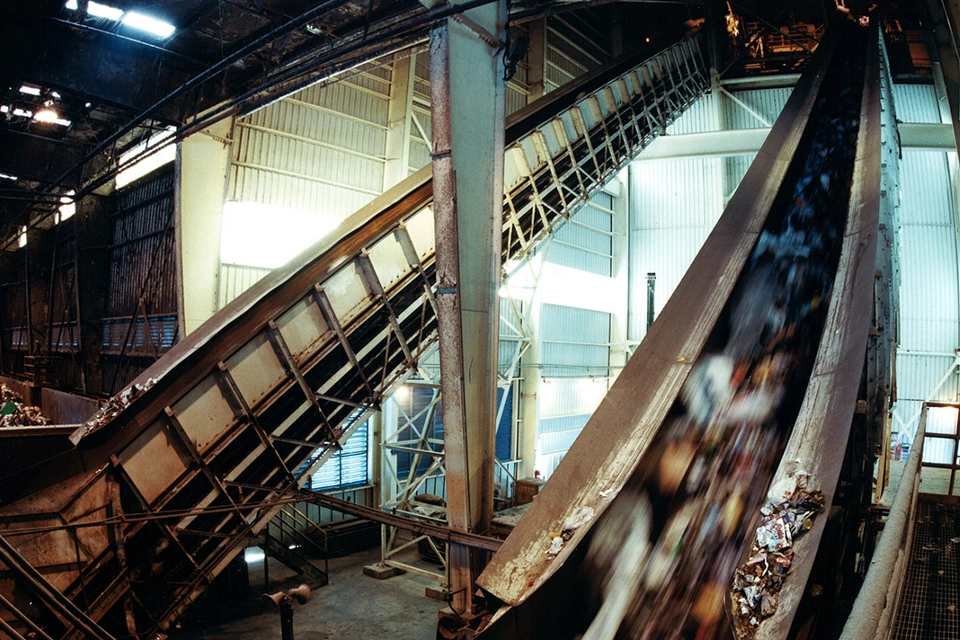
Waste-to-energy plants benefit from centralized platforms that unify data and control across the entire process. Scalable automation systems deliver precise, coordinated responses to combustion variability, while digital tools enable predictive maintenance, remote diagnostics, and real-time compliance monitoring. These integrated solutions empower operational teams to minimize downtime, extend asset life, and optimize performance from the tipping floor to the turbine.
Unify Control and Safety Across Systems
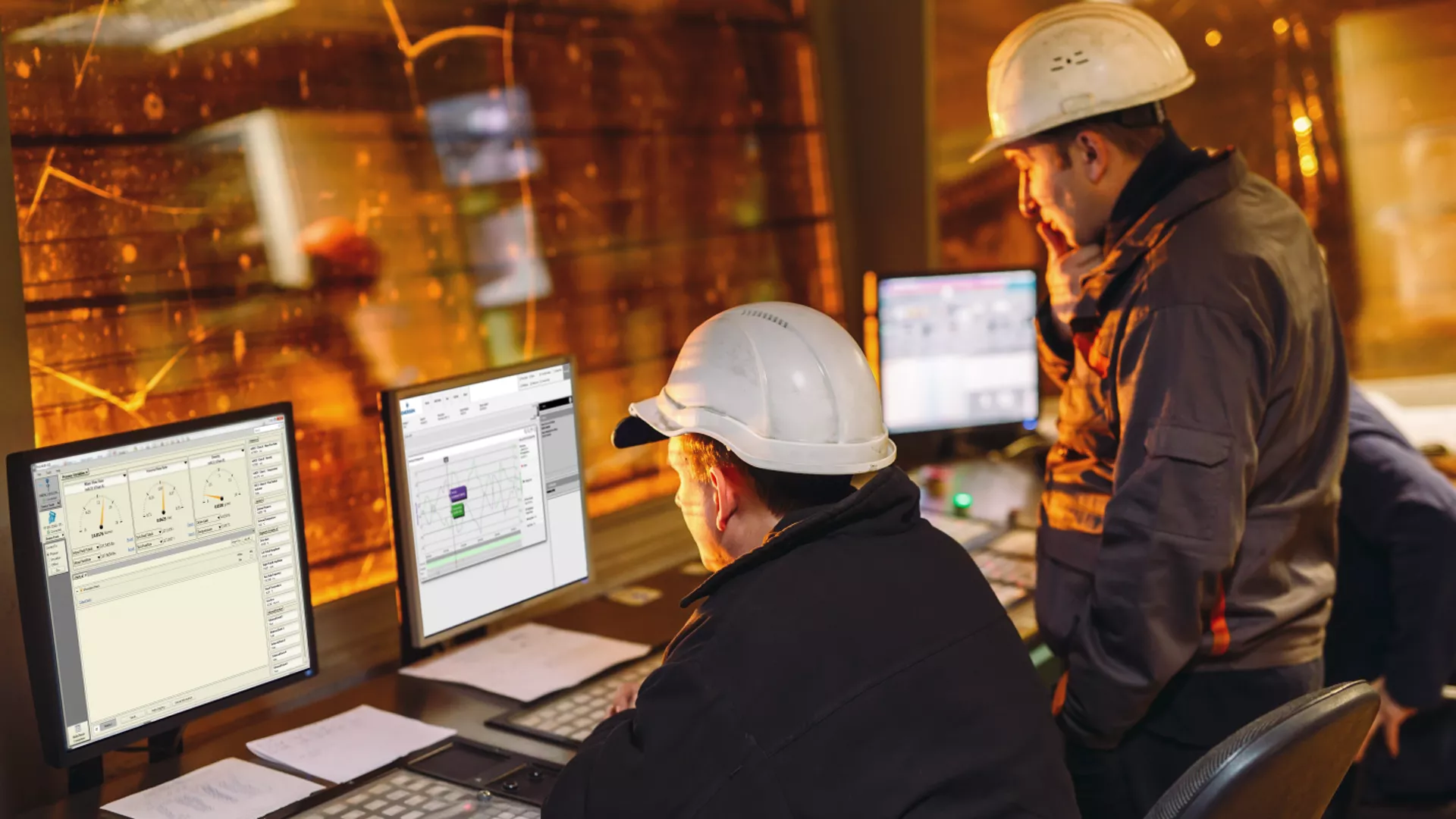
Integrated control and safety systems form the backbone of plant automation, enabling real-time monitoring and coordinated response across all operations. These systems ensure safe, stable performance while protecting personnel, equipment, and the environment.
Solution-Related Documents for Waste-to-Energy
Discover how Emerson’s automation and control solutions help waste-to-energy facilities convert refuse into reliable power while meeting environmental and efficiency goals.
Frequently Asked Questions (FAQs)
Waste-to-energy (WTE) technology plays a pivotal role in sustainable power generation by converting municipal solid waste (MSW), industrial refuse, and other non-recyclable materials into electricity and heat. This FAQ section addresses key questions about how WTE works, the types of waste used, environmental considerations, and how automation and digital technologies enhance plant efficiency, safety, and regulatory compliance. As cities and industries seek cleaner energy solutions, WTE offers a reliable method to reduce landfill use, lower greenhouse gas emissions, and recover valuable energy from waste streams.
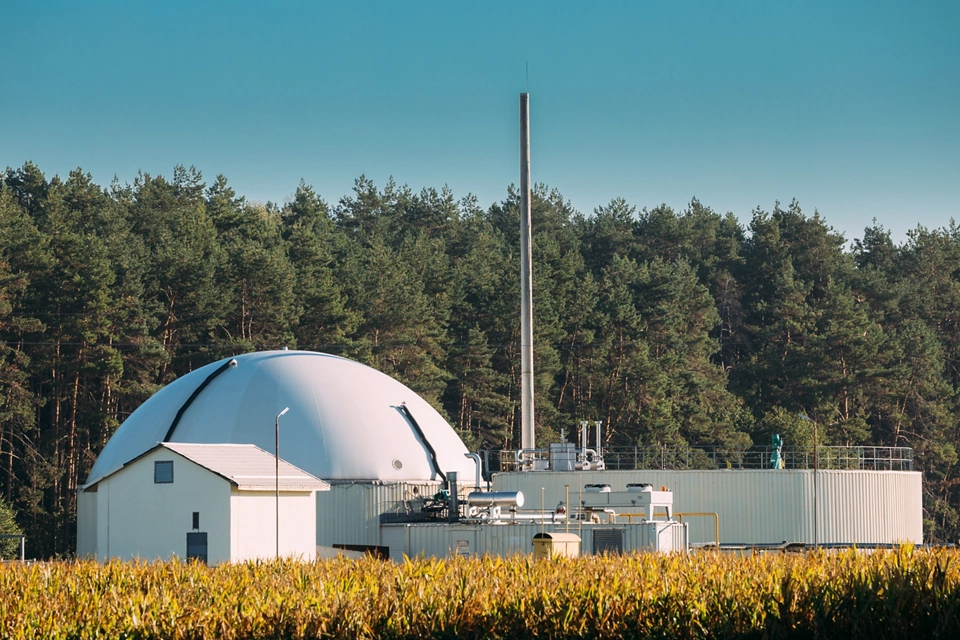
Waste-to-energy is a process that converts non-recyclable waste into usable energy—typically electricity or heat—through methods like incineration, gasification, or anaerobic digestion, helping reduce landfill volume and generate renewable power.
WTE plants process municipal solid waste (MSW), industrial waste, biomass, and other non-recyclable materials that would otherwise be sent to landfills.
Energy is recovered by burning waste to produce steam that drives turbines for electricity, or by capturing biogas from anaerobic digestion to generate heat and power.
When equipped with advanced emissions control systems, WTE facilities reduce methane emissions from landfills, recover energy from waste, and meet strict environmental standards for air quality and sustainability.
WTE plants provide renewable energy, reduce landfill dependency, lower greenhouse gas emissions, and enhance local energy security by turning waste into a reliable power source.
Automation improves WTE plant performance by enabling real-time monitoring, optimizing combustion processes, enhancing emissions control, and supporting predictive maintenance for safer, more efficient operations.