


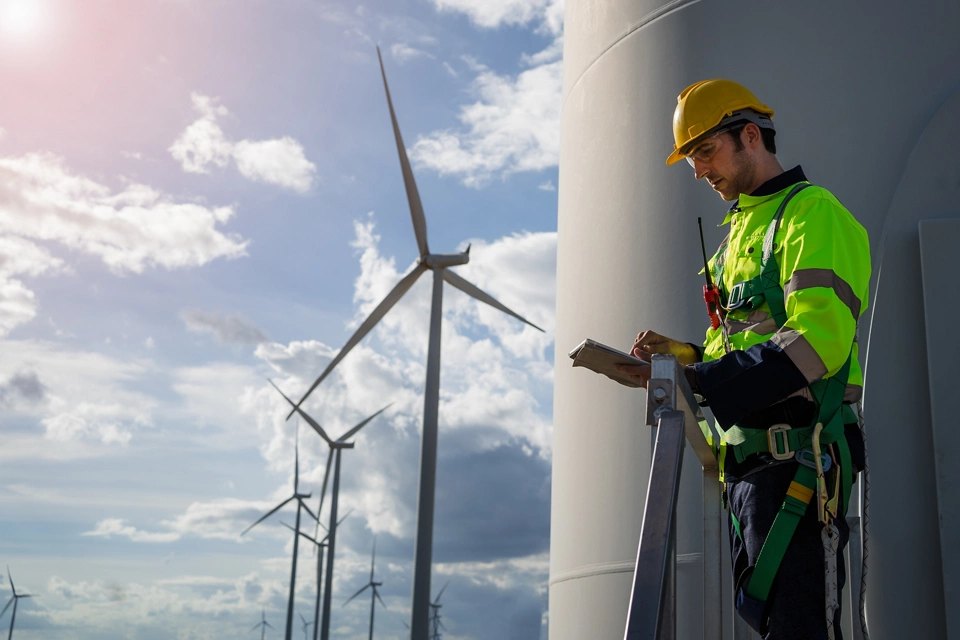
Optimize Wind Farm Performance With Integrated Control
Enable smarter, more reliable operations with scalable digital solutions
Effective wind operations demand a unified approach to turbine control, failure prediction, and asset variability management. Centralized control systems and condition monitoring streamline wind farm operations and support continuous performance optimization. By leveraging advanced diagnostics, predictive analytics, and SCADA integration, operators can minimize unplanned downtime and maximize energy capture throughout the asset lifecycle.
Wind Solutions in Action
Whether managing legacy turbines or modern fleets, operators often face challenges with system integration, data management, and aging infrastructure. By leveraging solutions that range from retrofit controls to advanced analytics, wind farms can unlock untapped value from existing assets. Remote access, secure SCADA systems, and centralized control platforms empower faster decision-making, more efficient maintenance, and improved turbine availability.
Wind Generation Optimization
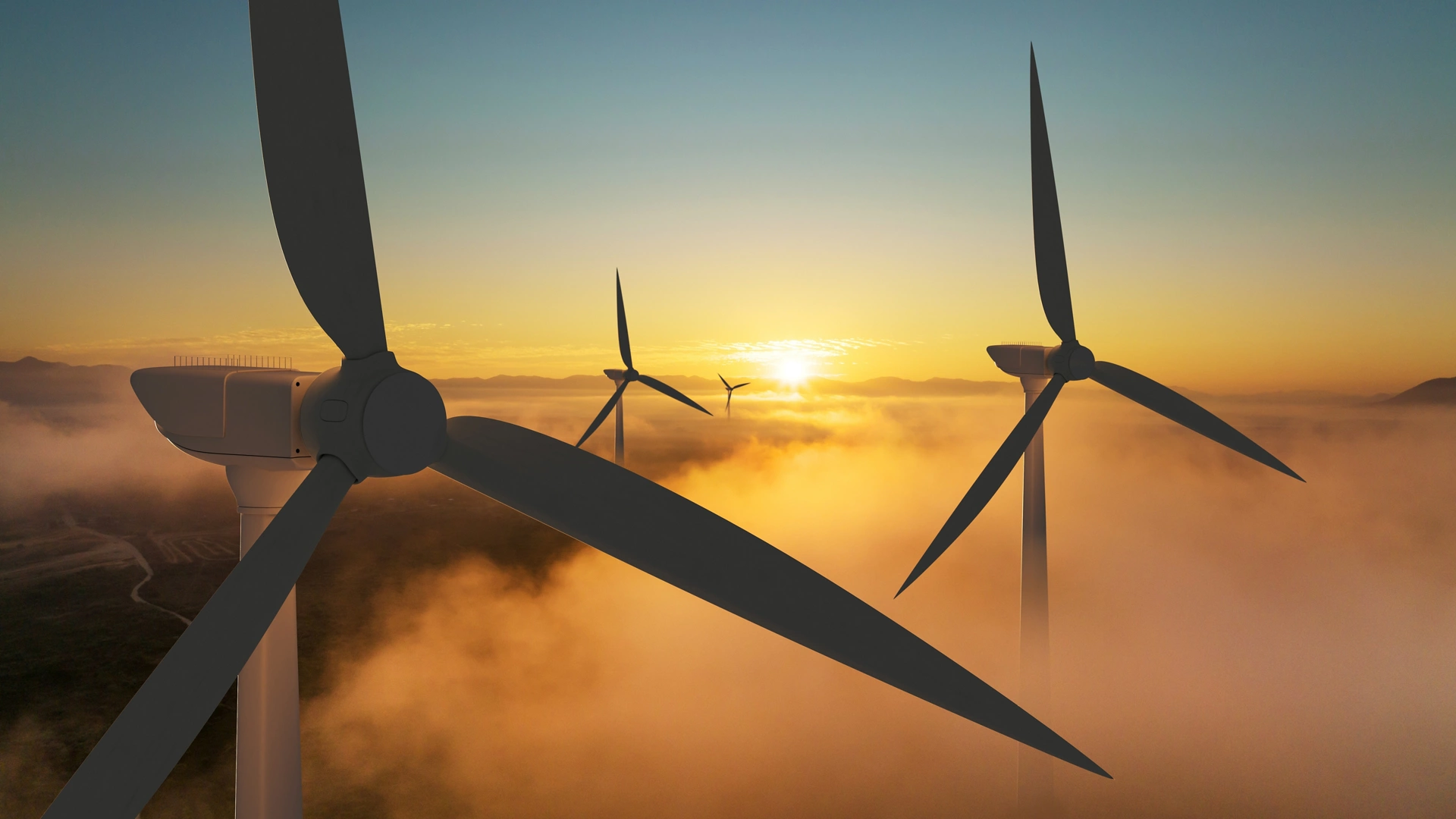
Deliver reliable, low-cost wind-generated energy regardless of location or weather challenges with scalable automation software and technologies that increase wind turbine or farm performance. Emerson's built-for-purpose, integrated solutions leverage more than 50 years of innovation and experience embedded in over 60,000 installed systems worldwide. Our high-yield, cost-optimized portfolio includes turbine and pitch control, farm optimization, SCADA, condition monitoring, and retrofit solutions.
Solution-Related Documents for Wind
Start exploring the collection to see how Emerson’s automation and control solutions help wind power operators maximize turbine performance, reduce downtime, and improve grid reliability.

Frequently Asked Questions (FAQs)
Wind energy is a key pillar in the global transition to renewable power, offering clean, scalable electricity generation from a natural resource. This FAQ section explores how wind turbines work, the components that drive wind power systems, and how digital technologies like automation, predictive maintenance, and real-time monitoring can enhance efficiency, reliability, and return on investment in both onshore and offshore wind energy projects.
A wind turbine captures kinetic energy from the wind using rotor blades, which spin a shaft connected to a generator that converts mechanical energy into electrical power.
Key components include rotor blades, a nacelle housing the gearbox and generator, a control system, and a tower—each essential for converting wind energy into electricity.
Automation systems monitor turbine performance, optimize energy output, and support predictive maintenance by analyzing real-time data and enabling remote diagnostics.
Wind farm efficiency can be improved through advanced SCADA systems, power forecasting, optimized turbine placement, and condition-based maintenance strategies.
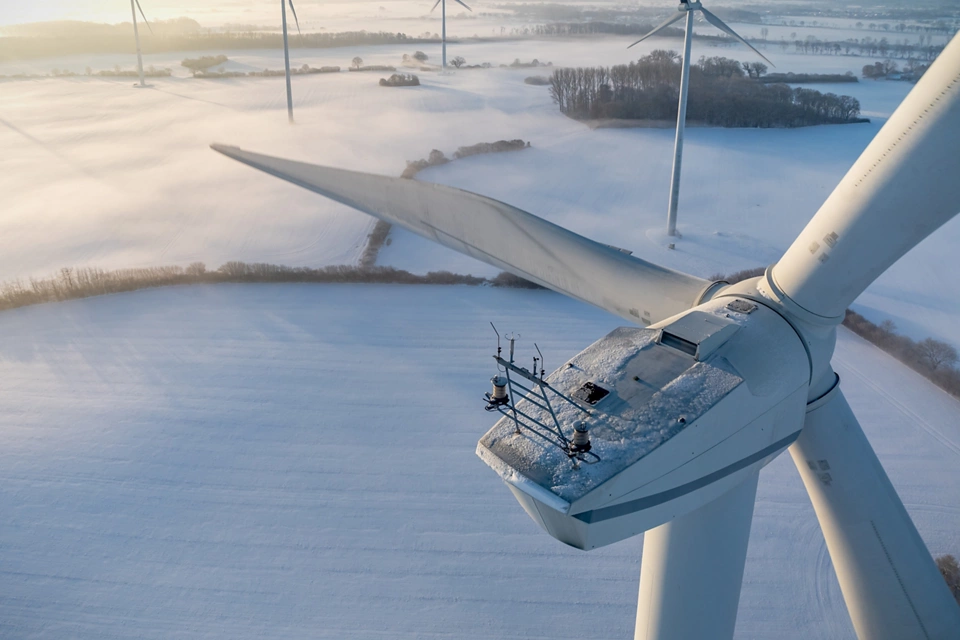
Maintenance challenges include exposure to extreme weather, mechanical fatigue, and remote site access--all of which require robust asset monitoring and predictive analytics.
Standards like IEC 61400, UL certification, and ISO 9001/14001 ensure wind turbine safety, quality, and environmental compliance for global deployment.