

Remote Offshore Operations: How Real-Time Data and Automation Enable Safer, Efficient Production
Emerson's automation and real-time data analytics empower offshore teams to operate production facilities remotely from land. This improves safety, reduces downtime and addresses workforce challenges across global locations.
To the unfamiliar, offshore oil rigs might conjure a certain image: the sun setting over the rippling ocean, a helicopter or boat ride away from land, as a group of workers breathe the sea air while bringing in oil.
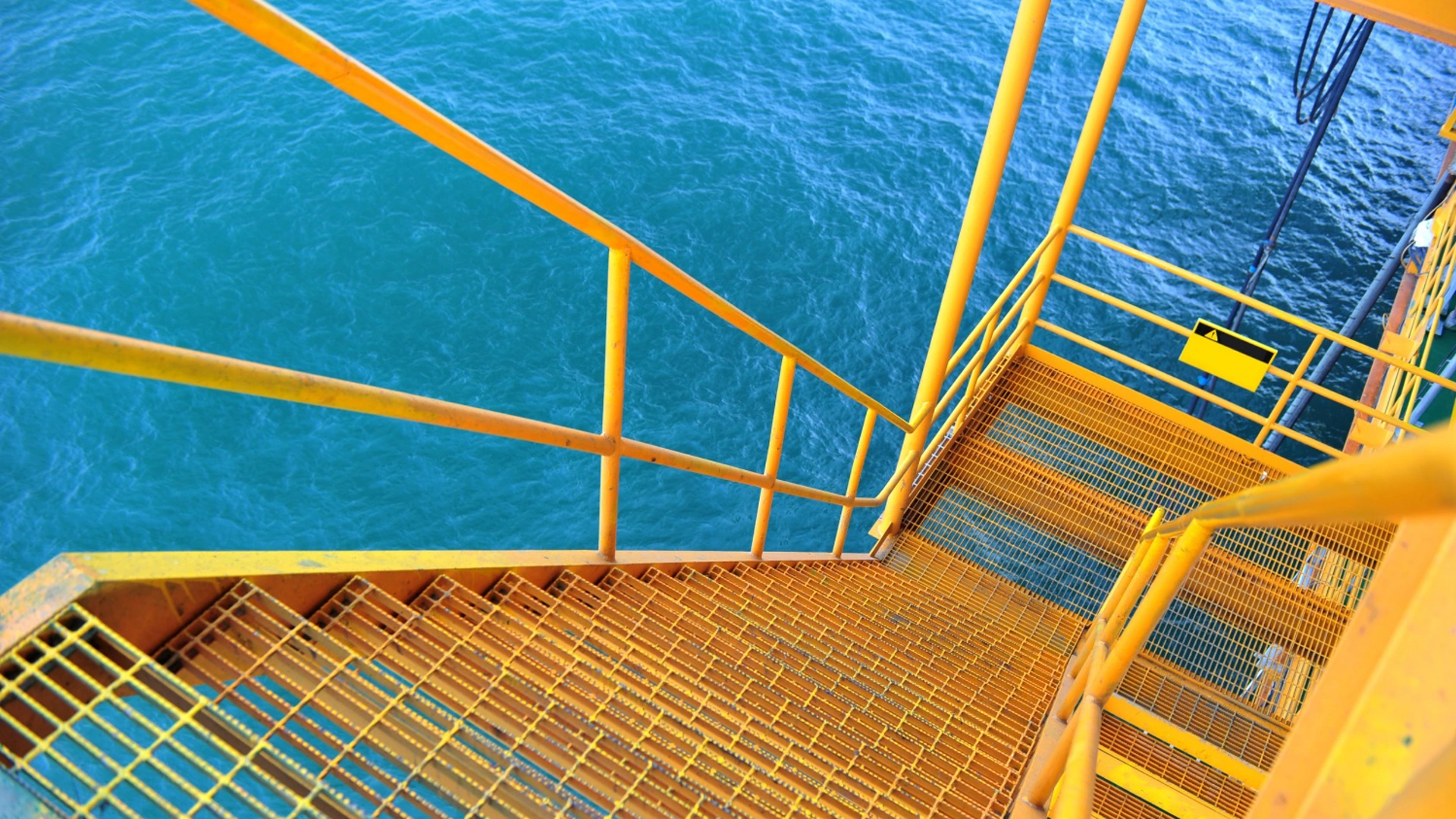
This is just one facet of life on offshore platforms, which are located in “4D” environments: dull, dirty, dangerous and distant. Even reaching these offshore platforms requires a treacherous journey, maneuvering helicopters onto windy production platforms that are being installed further away from land - making the trips longer and more costly.
Safer, Remote Operations
Fortunately, there’s a better – and safer – way to operate offshore platforms. Emerson technology makes it possible to operate offshore production facilities like platforms and vessels from the safety and comfort of dry land..
Of course, the nature of offshore facilities means there will always be a need to have experienced workers onboard periodically to keep things running smoothly. But by installing small, advanced sensors throughout the platform and leveraging secure Industrial Internet of Things communications and analytics software, experts can have real-time access to operations and performance data from all over the world.
Real-Time Date Drives Better Decisions
Sensors constantly send data where it’s analyzed by specialists who use the information to anticipate issues and make adjustments to maximize key performance indicators. The technology – which makes it possible for a controls expert in Louisiana and a flow expert in Nebraska to both share their insights at the same time – enables companies to bring the right real-time data to the right expert, regardless of geography.
Enabling experts across the globe to view and interpret the data addresses another challenge the oil and gas industry is experiencing: a drastic upswing in retirements of experienced engineers. The complex operations of an offshore platform require in-depth knowledge of operations and trends. The ability to transmit data globally enables experts to provide actionable insights and reassurance.
This integrated business approach, using advanced automation technologies, is bolstered by advancements in control technologies, field devices and robust networks that enable remote monitoring, resulting in better and faster decision-making is bolstered by advancements in control technologies, field devices and robust networks that enable remote monitoring, resulting in better and faster decision-making.
Why It Matters
Remote offshore operations powered by real-time data and automation deliver measurable business value:
- Reduced downtime and faster decision-making through instant, global expertise access
- Improved safety by minimizing onboard personnel exposure to hazardous environments
- Operational continuity across geographic and generational workforce transitions
By leveraging today’s smart instruments and automation technologies, we see experts collaborating from across the world, making offshore platforms safer and more efficient.