

Crosby™ EM: The Trusted OMNI-Trim® Sentinel
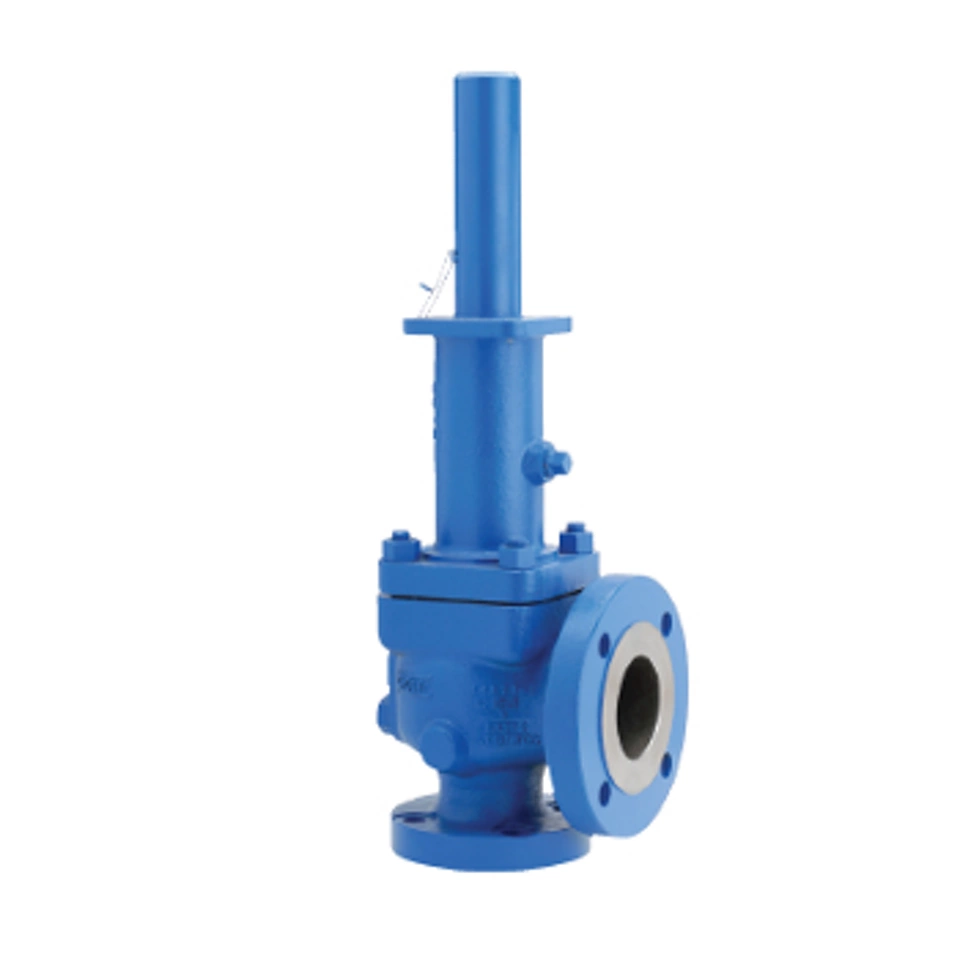


Proven Overpressure Protection backed by 150 years of engineering & application expertise
The Crosby EM Series pressure relief valve delivers fast, accurate overpressure protection for gas, liquid, and multi-phase applications. With a robust, modular design and OMNI-Trim® technology, it ensures reliable performance, enhanced seat tightness, and reduced maintenance costs across all industrial applications.
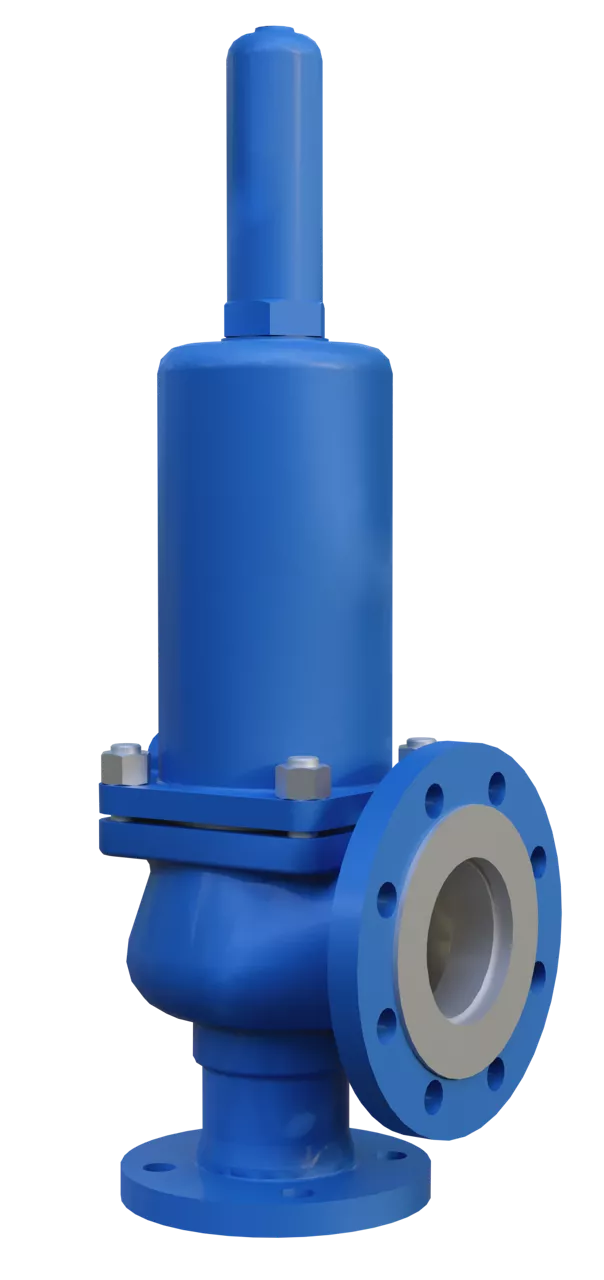
Built Simple. Works Hard.
Conventional Closed Bonnet, Open Bonnet, or Balanced Bellows

OMNI-Trim®
OMNI-Trim®: works on gas, liquid and multi-phase

Enhanced Seat Tightness
No more than 50% of the API 527 allowable leakage.

Pop Action:
Fast and accurate over pressure protection.

Full Flow
Full flow within 5% over pressure
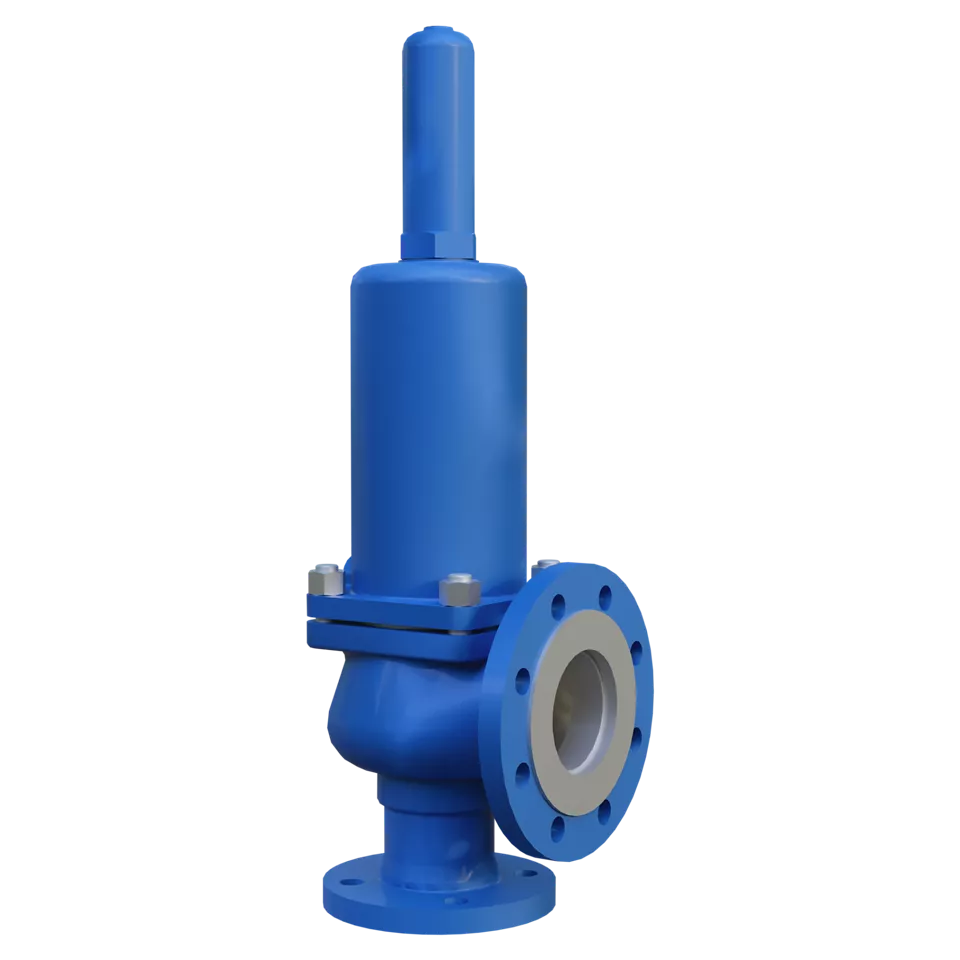

Balanced Bellows
Balanced bellows design for reliable operation with back pressure.

Simple & Modular Design:
Optimize spare part inventory and reduce cost.

Restricted Lift
Restricted lift with a single ring reducing risks associated with an oversized valve.

Selected Applications
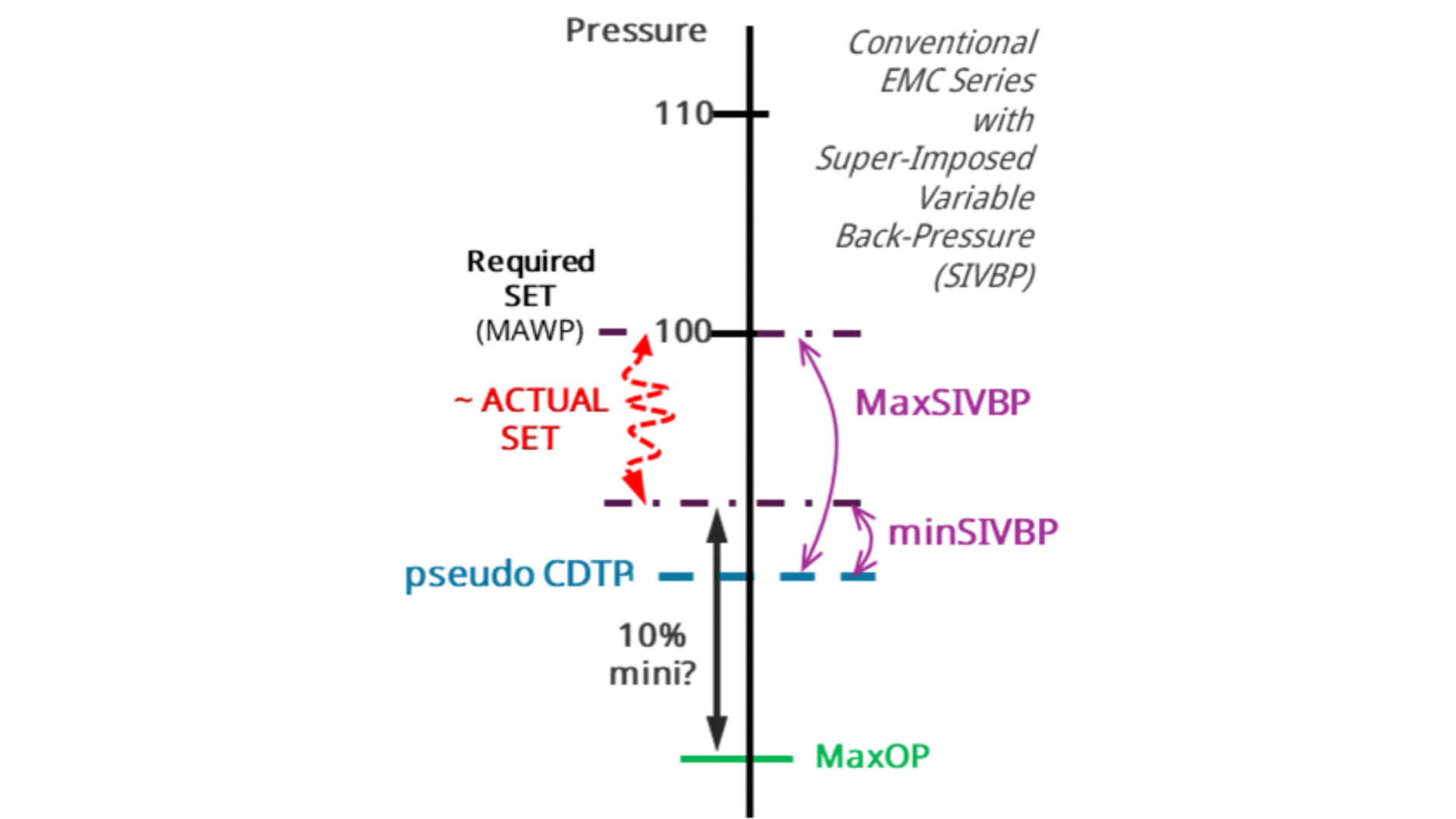
Use CDTP to your Advantage
If super-imposed variable backpressure exists, you should use an EMB balanced valve.
Although a Conventional EMC could be used if:
- Set pressure less maximum super-imposed variable backpressure: SET–MaxSIVBP
- Max operating pressure plus minimum super-imposed variable backpressure: MaxOP+minSIVBP
- If: MaxOP+minSIVBP ≤ 0.9 x (SET–MaxSIVBP)
- Then use pseudo CDTP = SET–MaxSIVBP
This ensures the valve opens safely between SET and SET+minSIVBP, with ≥10% margin above MaxOP. - If not met, use EMB to avoid leakage and ensure proper opening.
Frequently Asked Questions about the Crosby™ EM
The Crosby EM Series is a true full-lift safety valve that opens rapidly and delivers its certified capacity within just 5% over its set pressure. In contrast, most spring-loaded safety valves require up to 10% overpressure to achieve full capacity.
This tighter overpressure means better protection for your equipment, reducing the risk of damage during overpressure events. Additionally, when multiple safety valves are used, the lower overpressure allows for more flexibility in setting staggered set pressures, minimizing valve interaction.
With enhanced seat tightness and fast-acting performance, the Crosby EM Series ensures reliable pressure relief in critical gas applications.
The Crosby EM can be fitted with an optional lifting lever, either open or packed.
- The open lever allows process media to escape and is suitable only for steam or air.
- The packed lever is sealed against the process and recommended for hazardous or aggressive fluids.
Lifting levers are commonly specified per the American pressure vessel code ASME Section XIII (formerly Section VIII), which mandates them for valves on air, steam, or hot water (> 60ºC), though Code Case 2203 allows exceptions.
Note that lifting levers are not required by the European Pressure Equipment Directive 2014/68/EU or the safety valve standard EN ISO 4126-1.
Like any spring-loaded safety valve, the Crosby EM may begin to leak at 90% of its set pressure. However, its leakage rate remains exceptionally low—no more than half the limit specified by API Standard 527.
Excessive seat leakage can lead to premature wear, increased maintenance frequency, and higher operational costs. Thanks to its superior seat tightness, the Crosby EM not only extends service life but also helps reduce fugitive emissions, supporting both reliability and environmental compliance.
Gasket Replacement - We recommend replacing all gaskets during each service. A complete gasket kit is available, which includes all necessary gaskets as well as the ball located in the disc beneath the spindle tip.
Disc Maintenance - Thanks to its removable disc deflector, the disc can be easily lapped and polished to correct minor scratches or damage. This allows for multiple reuses, reducing replacement frequency. For detailed procedures, please refer to the Crosby™ EM Maintenance Manual available on our website.
Wear-Prone Components - The deflector and its circlip are exposed to flow and potential corrosion, as is the bellows in the EMB style. To ensure readiness during servicing, we recommend keeping at least one spare of each for every five identical valves.
Recommended Insurance Spares - For added reliability, consider stocking the following critical components:
Spindle, Collar, Guide, Set pressure adjusting bolt, Springs with washers
These parts are essential to maintaining optimal performance of your Crosby™ EM valve.
Originally developed by Crosby in 1990 for the Series 900 relief valve, the OMNI-Trim® is a unique design that enables reliable performance across all fluid types—gas, liquid, and multi-phase. This versatility made the Series 900 ideal for small flow applications requiring a compact and robust solution.
Building on this proven concept, the OMNI-Trim® has been successfully integrated into the Crosby EM valve. Like the Series 900, the Crosby EM delivers consistent performance across gas, liquid, and multi-phase applications. This flexibility not only enhances operational efficiency but also helps reduce inventory requirements by minimizing the need for fluid-specific valve configurations.
When sizing and selecting a safety valve, our goal is to choose the smallest valve that meets the required capacity. This approach helps minimize cost and reduce the risk of oversizing, which can lead to valve cycling or chattering—both potentially dangerous and damaging.
However, in some cases, even the smallest available valve may exceed the required capacity.
To address this, the Crosby EM safety valve offers a lift restriction option, allowing the valve capacity to be precisely limited to match the application’s needs—preventing oversizing.
This adjustment can also be retrofitted to existing valves.
⚠️ Important: Because lift restriction alters the valve certified capacity, it must only be implemented by Emerson engineers or certified third parties.
Remote monitoring of the Crosby EM is simple and effective using the optional Rosemount™ 708 wireless acoustic transmitter. This device is externally clamped onto the valve’s exhaust pipe and provides:
- Instant notifications of valve opening and closing
- Leak detection, such as when the valve seat fails to reseal due to grit or scale from a contaminated process
Real-time insight into safety valve activity enables immediate response to pressure events, helping to mitigate hazardous situations and reduce emissions, and data collection for predictive maintenance planning, improving reliability and operational efficiency.