


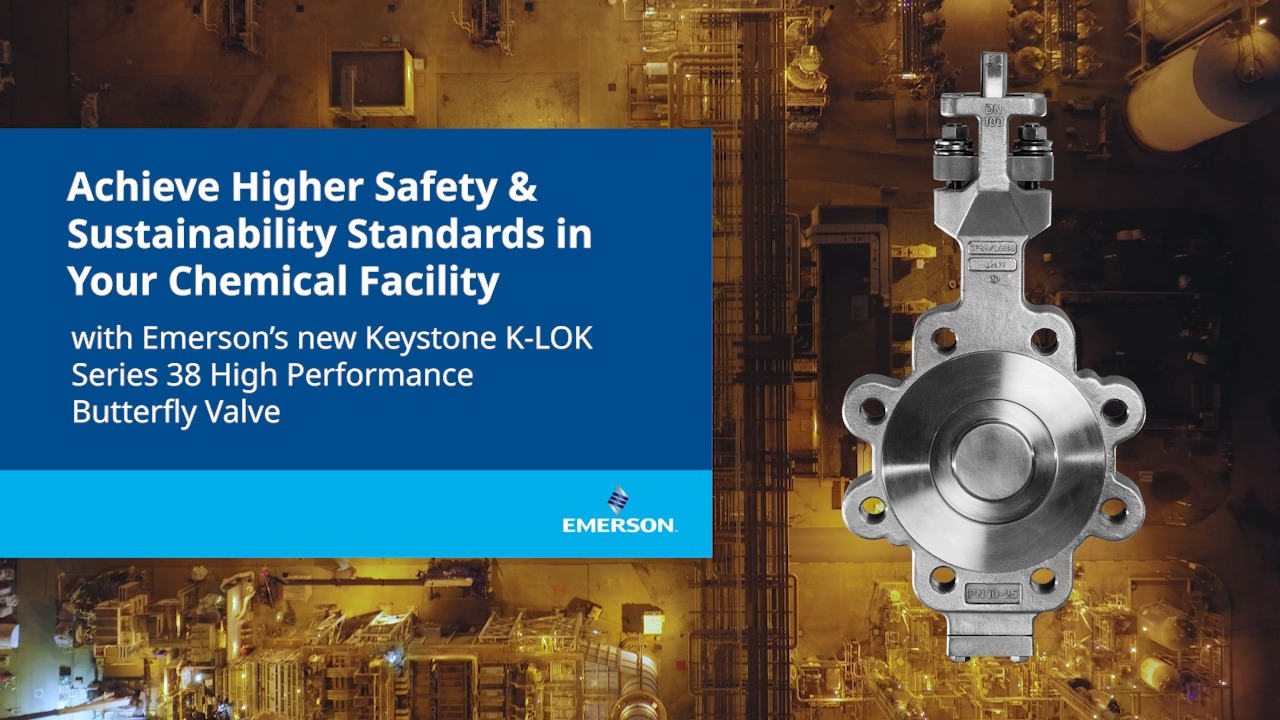
How Do Butterfly Valves Impact Your Chemical Facility Performance?
As a chemical producer, you rely on your valves to ensure a safe work environment for your personnel, reduce fugitive emissions and maximize plant productivity. Installing valves designed to the latest NAMUR Recommendation NE 167 can move your facility to higher levels of performance. And yet, not all high performance butterfly valves can deliver.
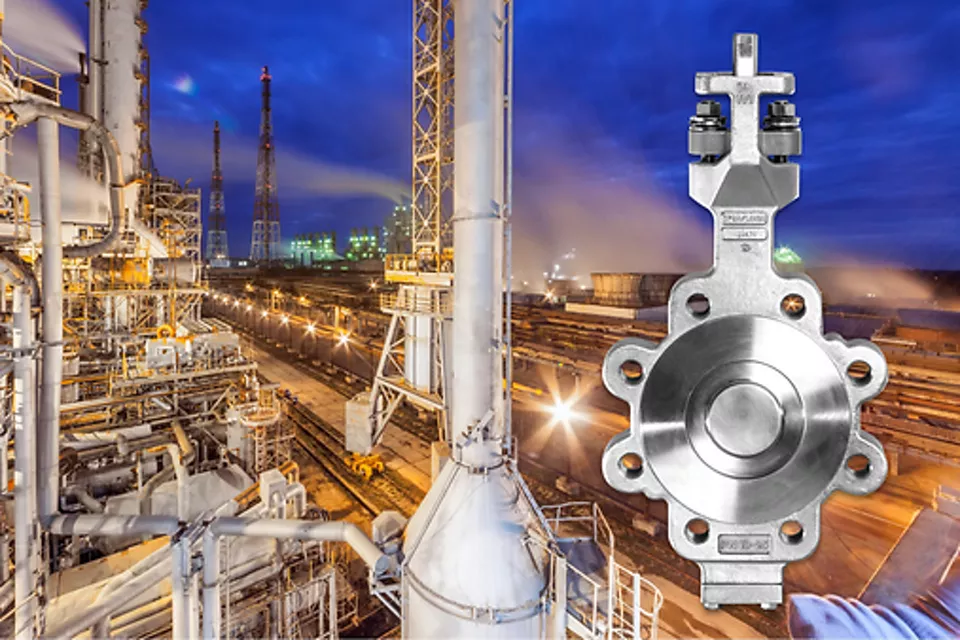
Chemical Butterfly Valve Challenges
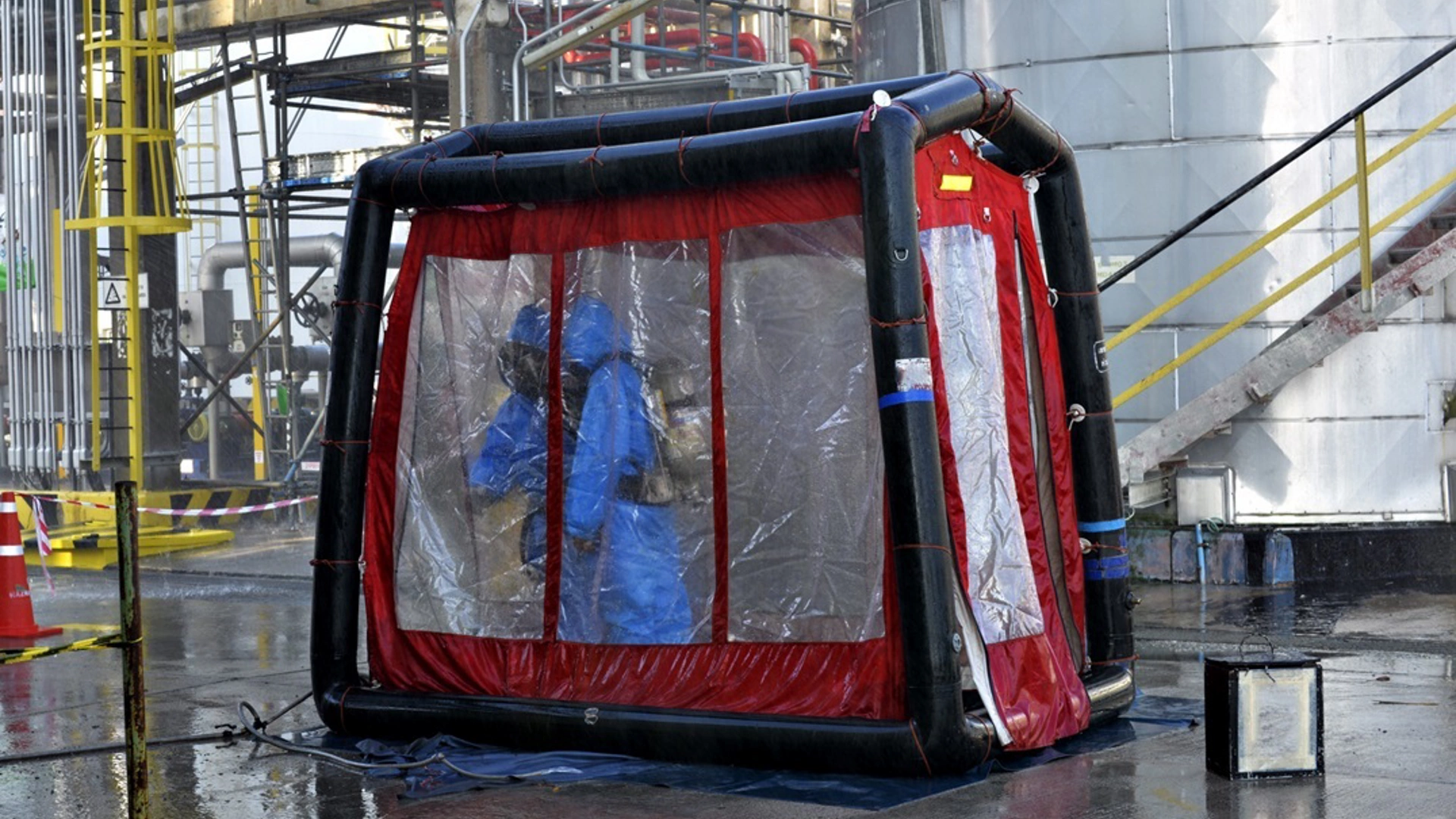
Valve Seat Leakage
An ineffective seal at valve closure, particularly in dead-end service can put your personnel at risk, result in valuable product loss and cause unplanned downtime. The risk is heightened in chemical processes where media escapes can cause serious safety concerns.
What does a superior chemical butterfly valve look like?

ISO 5211 Mounting Pad
An integrally cast mounting pad to ISO 5211 enables direct mounting of actuators, eliminating the need for costly brackets.

High Flow Rate
Stub shaft designs allow for higher flow coefficients (Kv) and a greater range of control.

Dead End Service
Lug body must provide full rated bidirectional dead-end service.

Uninterrupted Sealing Surface
Lug body must provide full rated bidirectional dead-end service.
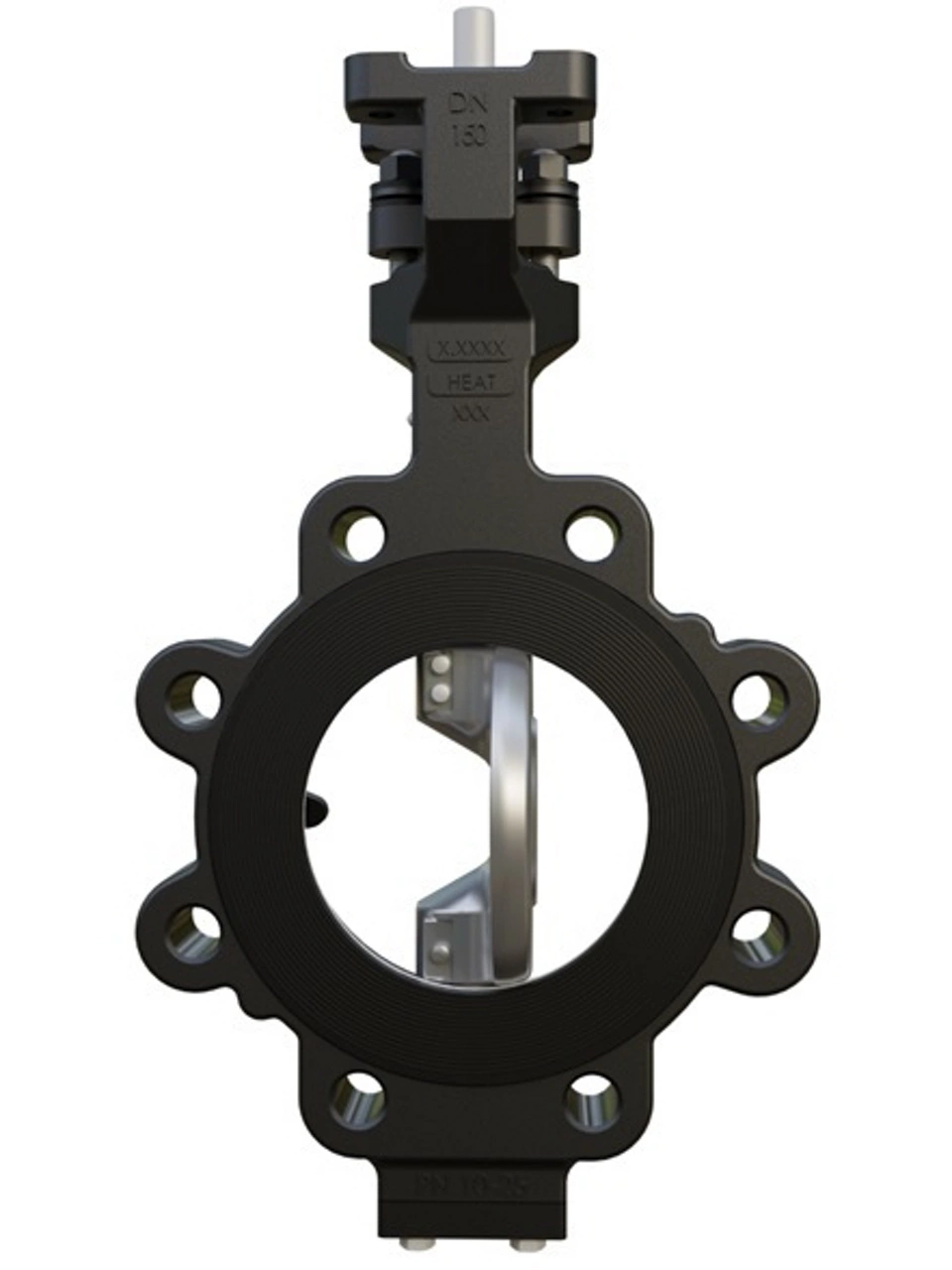

Design Standard Compliance
Comply to the latest valve design specifications and certifications including NAMUR NE 167, ISO, EN, PED and CE as standard.

Fugitive Emissions Certification
Proven performance to the most stringent testing criteria, ISO 15848-1 BH C03.

Interference Fit Seat
A true interference fit design does not rely on line pressure to assist the sealing.

Increased Cycle Life
A double offset design minimises wear while precise disc alignment ensures long life, tight sealing performance.
A New Chemical Butterfly Valve: The Keystone K-LOK Series 38
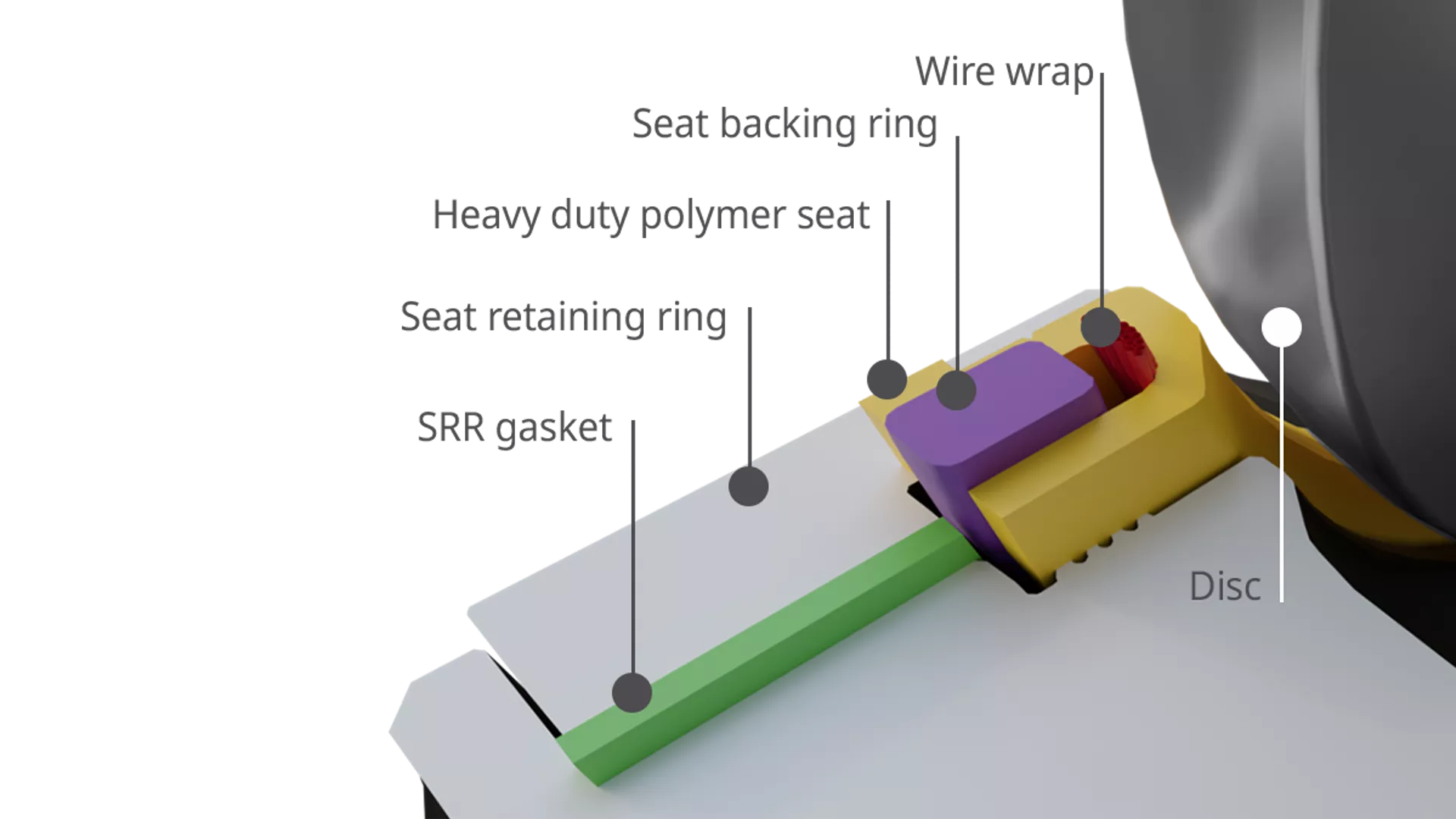
Enduring Sealing Performance
Deploy the proven K-LOK seat design that delivers zero leakage shut-off to EN 12266, independent of line pressure. The design eliminates almost all voids and with it, the possibility for media to accumulate. This allows the valve to deliver the same, superior sealing performance at very low pressure, and in challenging services that contain particulate.
Chemical Butterfly Valve Frequently Asked Questions
Butterfly valves engineered specifically for the chemical and petrochemical industry meet the unique design standards required by producers to safeguard personnel safety, protect the environment from harmful emissions and to ensure the efficient operation of chemical processes.
NAMUR Recommendation NE 167 was released in April 2021 and describes the common technical specifications to be observed for industrial valves and other devices in the chemical and petrochemical industry. This recommendation contains new technical requirements and is adapted to the technical state of the art for the design and function of valves.
A dead end service valve can be installed at the end of a pipeline or at a point where downstream piping may need to be removed for maintenance or realignment. Valves designed for dead end service are capable of sealing against the valve’s maximum design pressure, eliminating the need for blank flanges which can simplify and shorten maintenance events. Typically, these valves are butterfly valves with a lugged body design.
An uninterrupted flange sealing surface on a valve eliminates any extrusions (usually retaining screws) that would compromise the sealing integrity against the adjoining pipe flange. Ensuring an uninterrupted connection between valve and pipe minimises the possibility of process media escaping the system in the form of potentially harmful fugitive emissions.