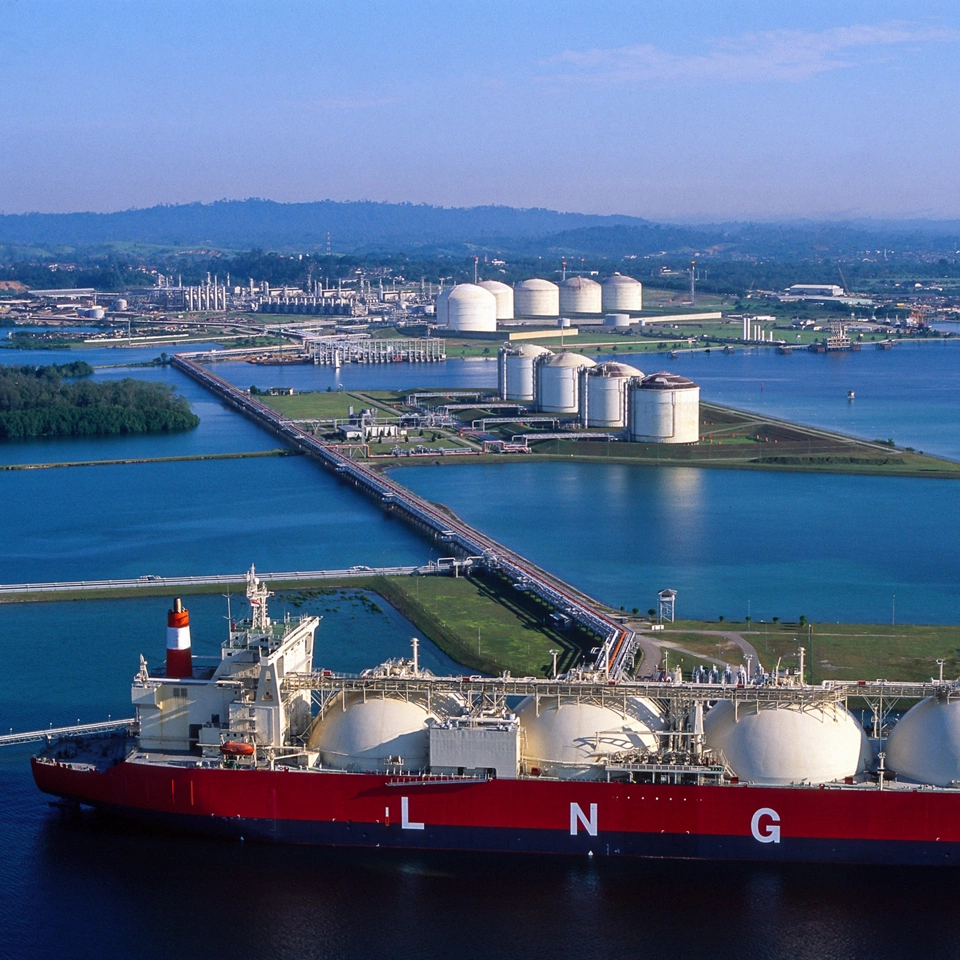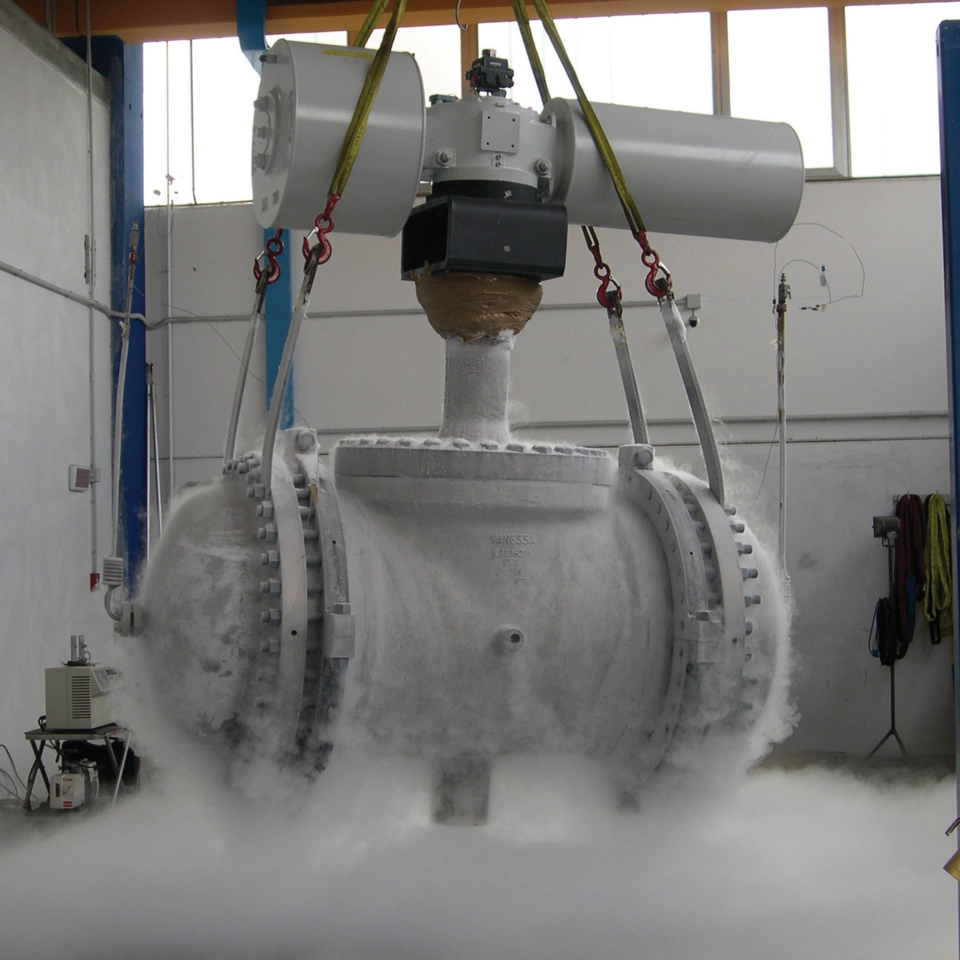

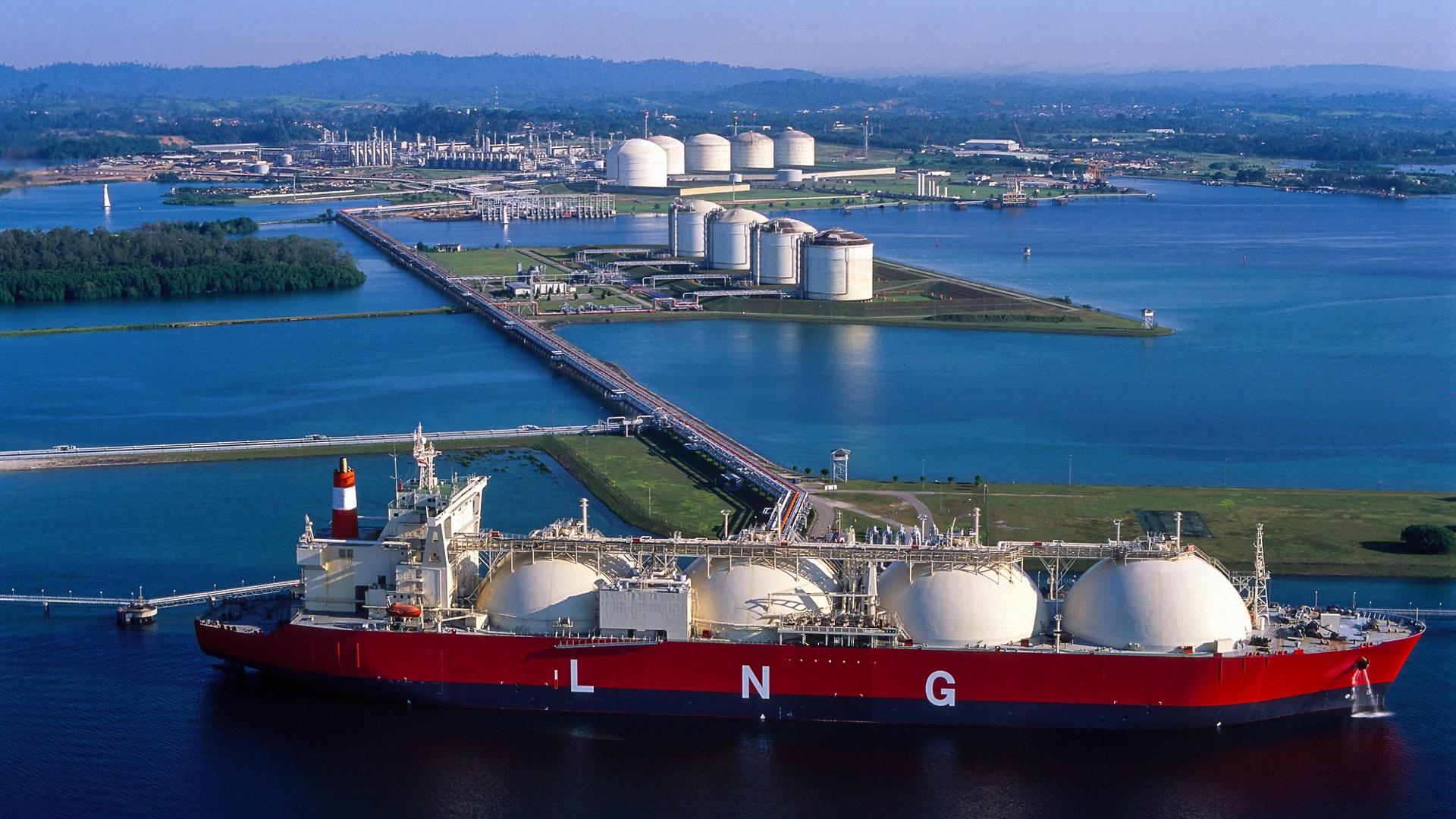
Proven Performance in Cryogenic Environments
Cryogenic processes demand precision, durability, and safety under the most extreme conditions. Emerson delivers a comprehensive portfolio of valves, actuators, and regulators engineered to perform in ultra-low temperature environments across industries like LNG, hydrogen, air separation, and chemical processing.
From -196°C (-321°F) liquefied gases to high-pressure isolation and control applications, our cryogenic solutions are built to minimize leakage, reduce maintenance, and ensure operational continuity. With decades of field-proven performance and global support, Emerson helps you meet your safety, emissions, and uptime goals—no matter how cold the challenge.
Key Cryogenic Applications


Solution
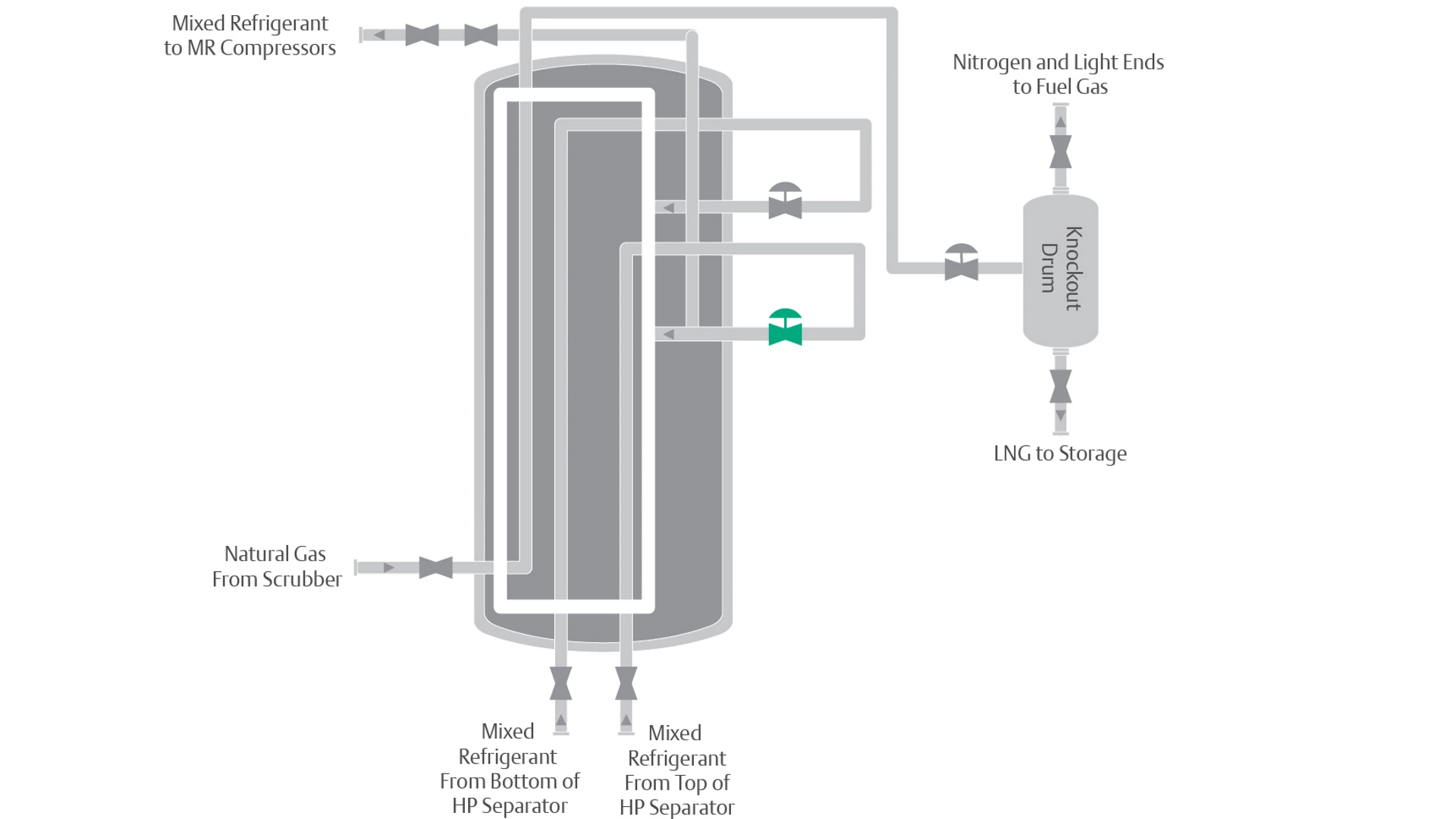
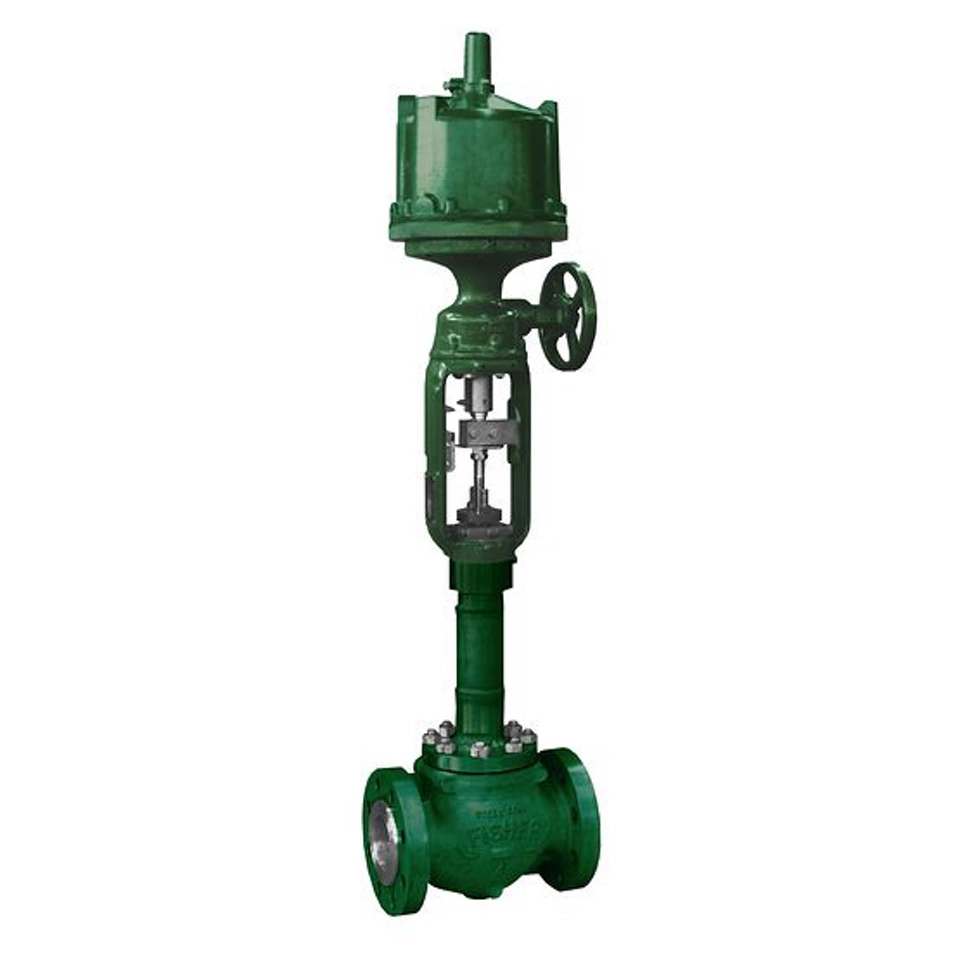
Warm Joule-Thomson Valve
When the mixed refrigerant moves up the tubes between the inlet to the main heat exchanger and the warm Joule-Thomson valve, it loses its heat to the colder mixed refrigerant fluids moving countercurrent through the shell. Therefore, when the mixed refrigerant reaches the inlet to the warm Joule-Thomson valve in the lower section of the main heat exchanger, it is typically at cryogenic temperatures, around −200F (−130C). The mixed refrigerant fluid that flows through the valve may turn into a liquid and vapor mix as it exits the valve. The proper trim must be selected. Balanced cryogenic valves are preferred. If a large percentage of refrigerant by volume is converted to a vapor when the valve takes its pressure drop to spray the bundles, then the drilled-hole or slotted trim in a flow up direction is used to eliminate flashing related noise, vibration and erosion.
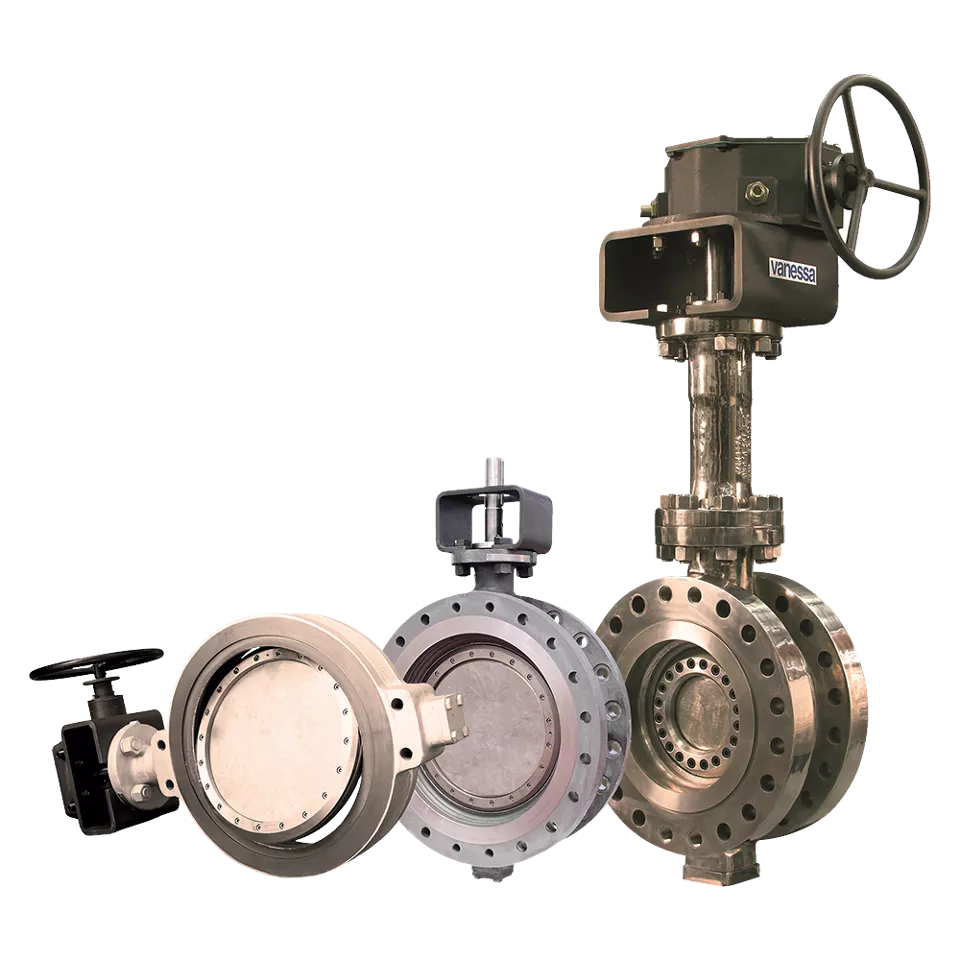
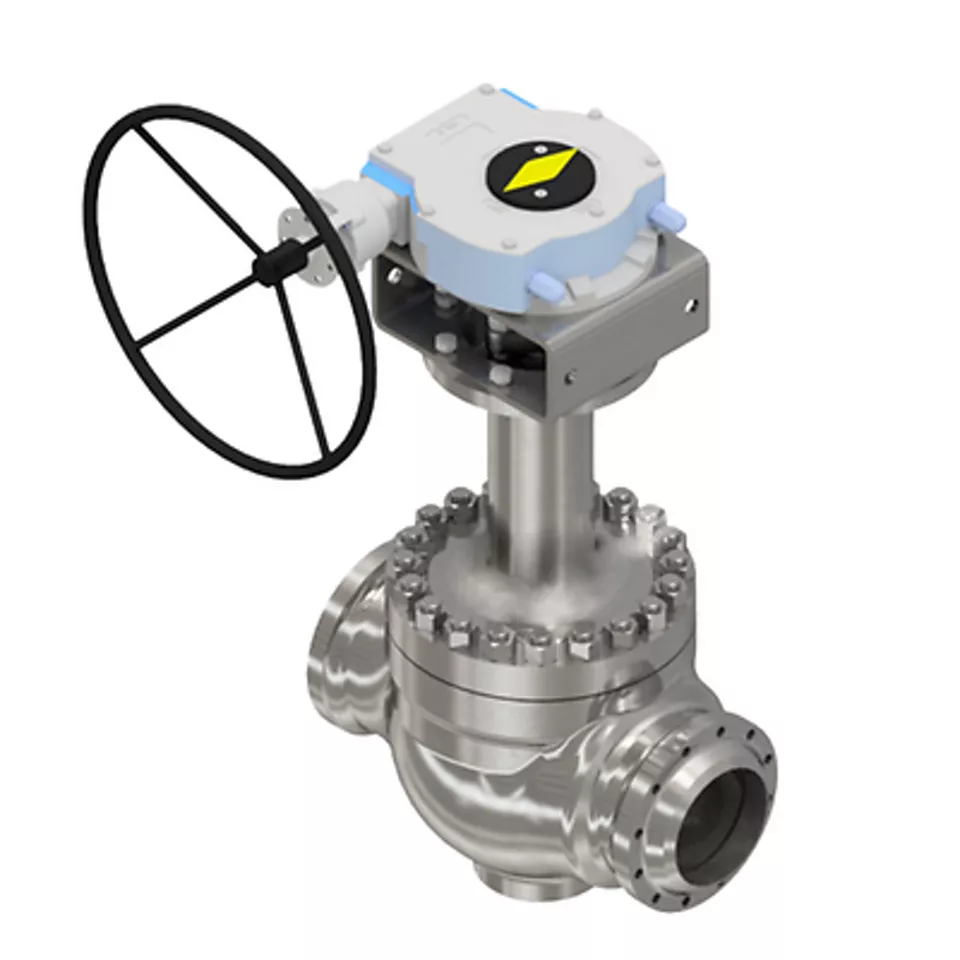
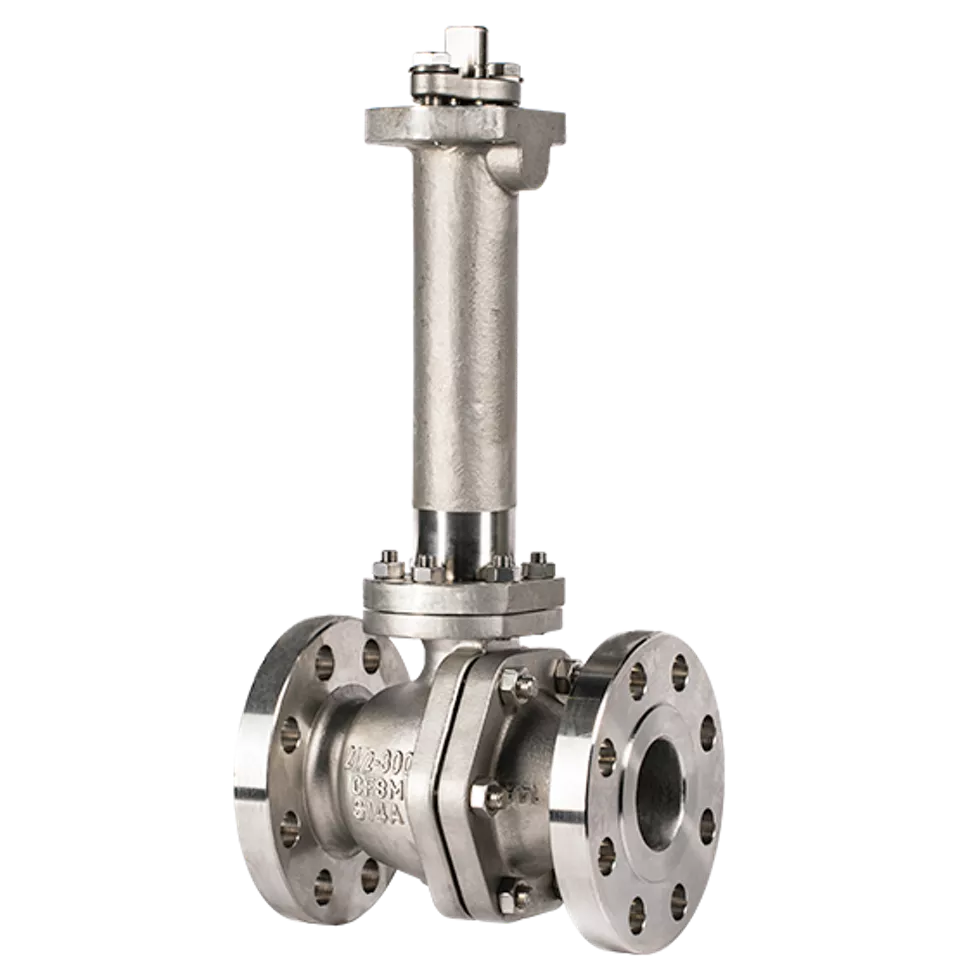
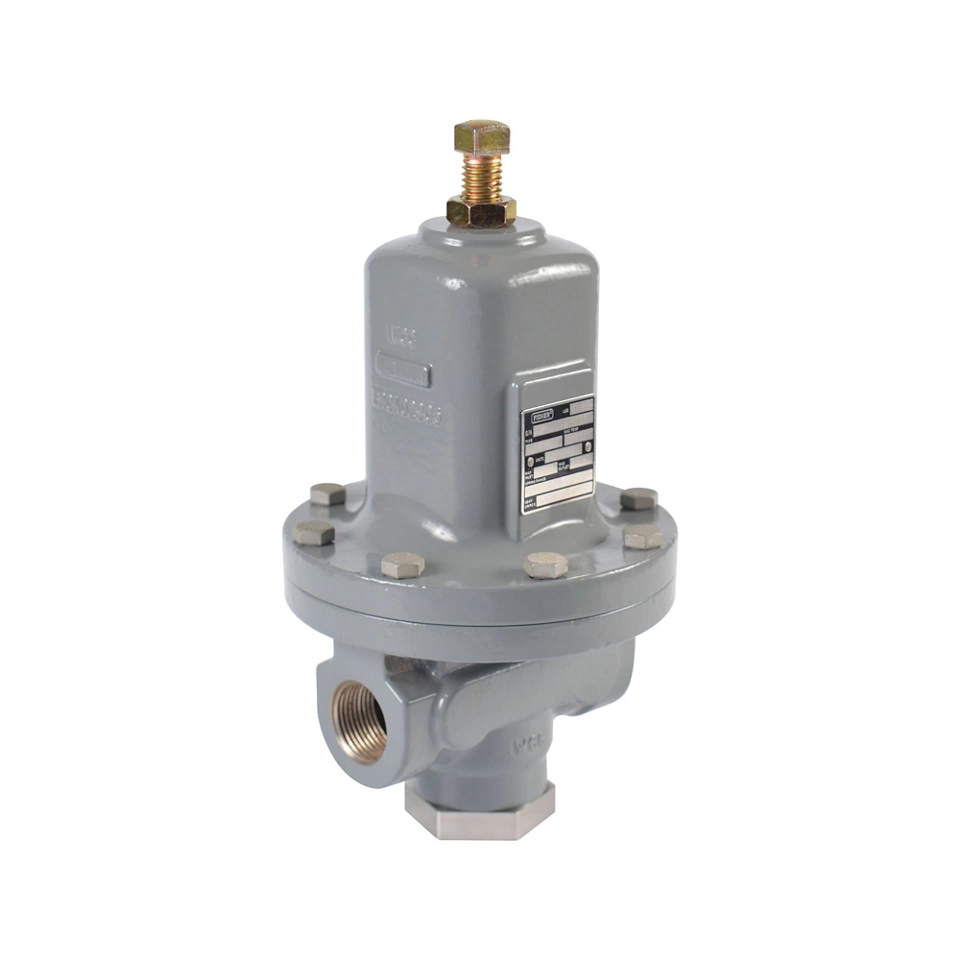
Featured Products
Critical Safety Considerations in Cryogenic Service
Cryogenic applications present unique safety challenges that demand specialized equipment design and operational protocols. Material selection becomes critical as standard materials can become brittle and fail catastrophically at ultra-low temperatures.
- Thermal Shock Protection: Rapid temperature changes can cause material stress and component failure. Emerson's cryogenic valves incorporate design features that accommodate thermal expansion and contraction cycles.
- Fire Safety Systems: Cryogenic facilities require specialized fire protection. Emerson's emergency shutdown valves and safety systems are engineered for rapid response in emergency situations.
- Leak Prevention: Even small leaks in cryogenic systems can create safety hazards through rapid vaporization and oxygen displacement. Our metal-seated and soft-seated valve designs provide reliable sealing performance.