

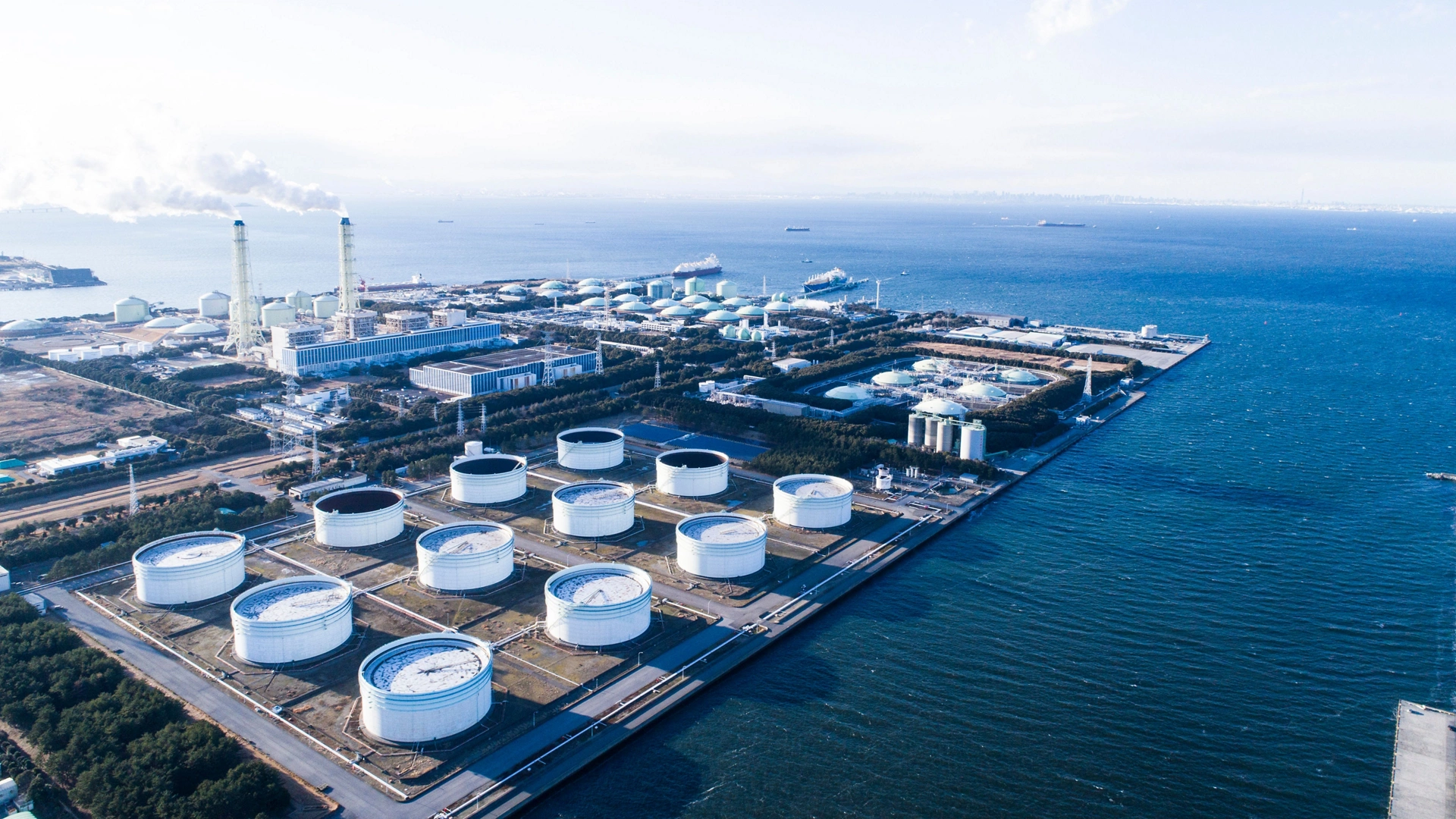
Strategies for Successful LNG Startups



Liquefied natural gas (LNG) megaprojects represent some of the most complex engineering endeavors in the energy sector. These facilities serve as critical transition points between natural gas pipelines and ocean transport, enabling economical global energy distribution.
Major LNG projects are enormous investments, with thousands of valves, instruments, and other automation components. Our article in the August 2026 issue of Gas Processing & LNG, titled “Mastering LNG startups: Strategies to reduce risk and keep megaprojects on schedule,” outlines proven approaches to improve equipment management, minimize startup risk, and avoid project delays.
Large-scale construction challenges
Managing an LNG startup requires coordinating vast amounts of equipment and extensive documentation. Each component has accompanying paperwork to document receipt, verification, material certification, testing, commissioning, and more.
The challenge intensifies with modular construction, in which components are assembled in multiple locations before being shipped to the site for installation. With these projects, establishing a standardized tracking and documentation system is essential to coordinate geographically dispersed teams.
Low-risk equipment selection
Successful LNG startups depend on prudent equipment tracking and installation.
If valves are being globally sourced, the team should make sure that the installation information is clearly stamped on the device or documented in construction drawings and installation packages. Engaging a multinational firm that understands the common markings at the construction site can be helpful.
For isolation valves, effective projects often standardize on a small set of valve actuators and positioning accessories across the site to simplify maintenance throughout the facility’s operational life.
Logistics, warehousing, and documentation strategies
Upon delivery, every piece of equipment must undergo rigorous management, including verification of items and materials, visual quality inspection for shipping damage, functional testing and/or calibration, and secure storage in protected areas.
Effective equipment management can prevent delays caused by missing or damaged equipment. Several key lessons include:
For specialty equipment, expert vendors can verify receipt of the correct parts and carry out testing and calibration.
Detailed material tracking is essential to prevent loss and misplacement.
An online database should be used to track documentation throughout project execution.
Protecting high-value components
Specialty valves are often expensive and may have long lead times, so they warrant particular attention, including detailed verification and extensive functional testing by a team with specialized training.
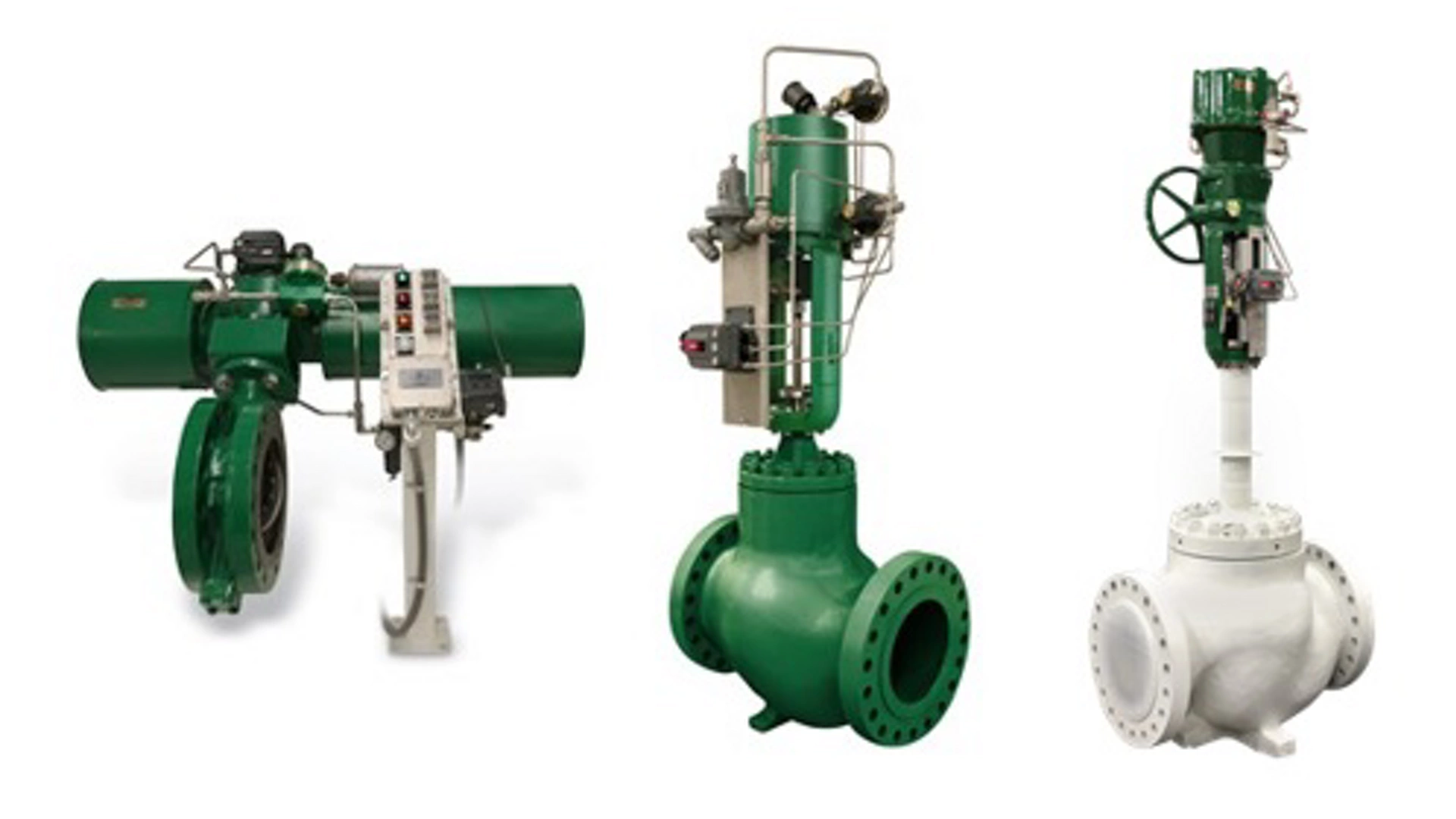
While every attempt is made to thoroughly clean debris from piping prior to startup, invariably stray bolts, nuts and other items will remain in piping systems and can ultimately damage the trims of these valves. To address this issue, inexpensive startup trims can be installed for use during flushing and pressure integrity tests, and they can then be replaced with the final trim components once the system is ready for normal operation.
Modular construction advice
Modular construction can significantly reduce startup time, but it introduces distinct risks:
- Documentation passing between sites raises the chance of loss or gaps.
- Functional testing may be incomplete before shipment.
- Large modules are more difficult to store.
- Effective oversight and coordination of multiple companies can be difficult.
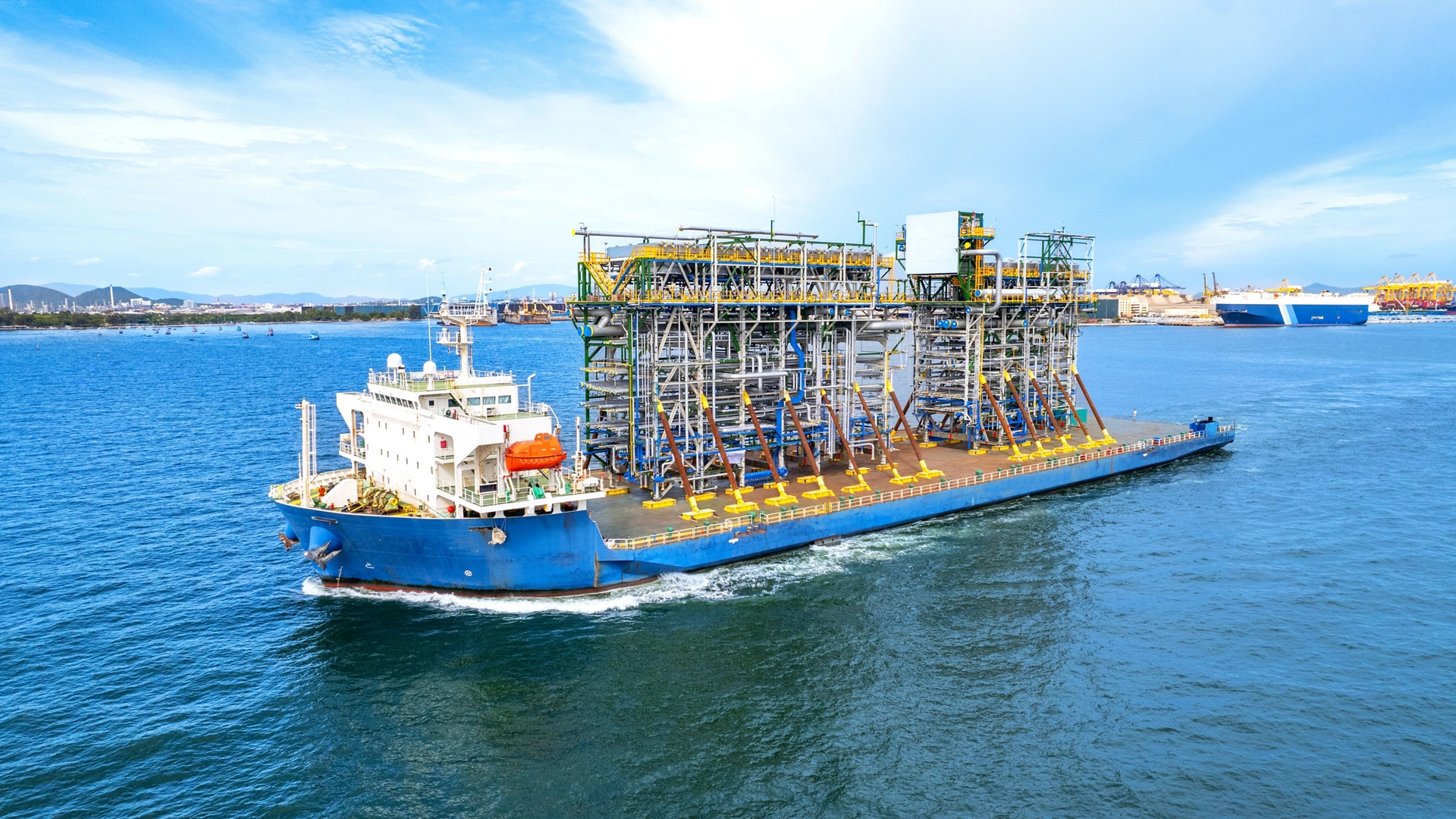
To address these issues, a central coordination team should ensure that each module manufacturer procures equipment from approved vendors and uses a shared documentation repository. Knowledgeable technicians should verify proper installation, testing, and documentation before modules leave their fabrication sites. Finally, adequate protection during shipping is crucial to prevent damage from prolonged exposure to the elements.
Choosing the right partners
Given the massive scale of many LNG projects, partnering with carefully selected contractors is essential. A capable service provider can help specify components, manage testing and verification, and support installation and commissioning activities.
Even if the automation equipment comes from multiple vendors, a single service provider can often handle instrumentation and valves for the entire project, easing the logistics to promote smooth commissioning and startup.
More Related Insights





Unifying Industrial Operations: How the Enterprise Operations Platform Accelerates Modernization
Why this matters now. As detailed in his recent article in Control Engineering, Emerson’s Brian LaMothe, a recognized industry expert, explains that operators can no longer rely on plant‑level improvements alone.