

Ball Mill Rejects Line Isolation
Maximize mill uptime and decrease water usage with isolation solutions that perform in the rigors of rejects processing.
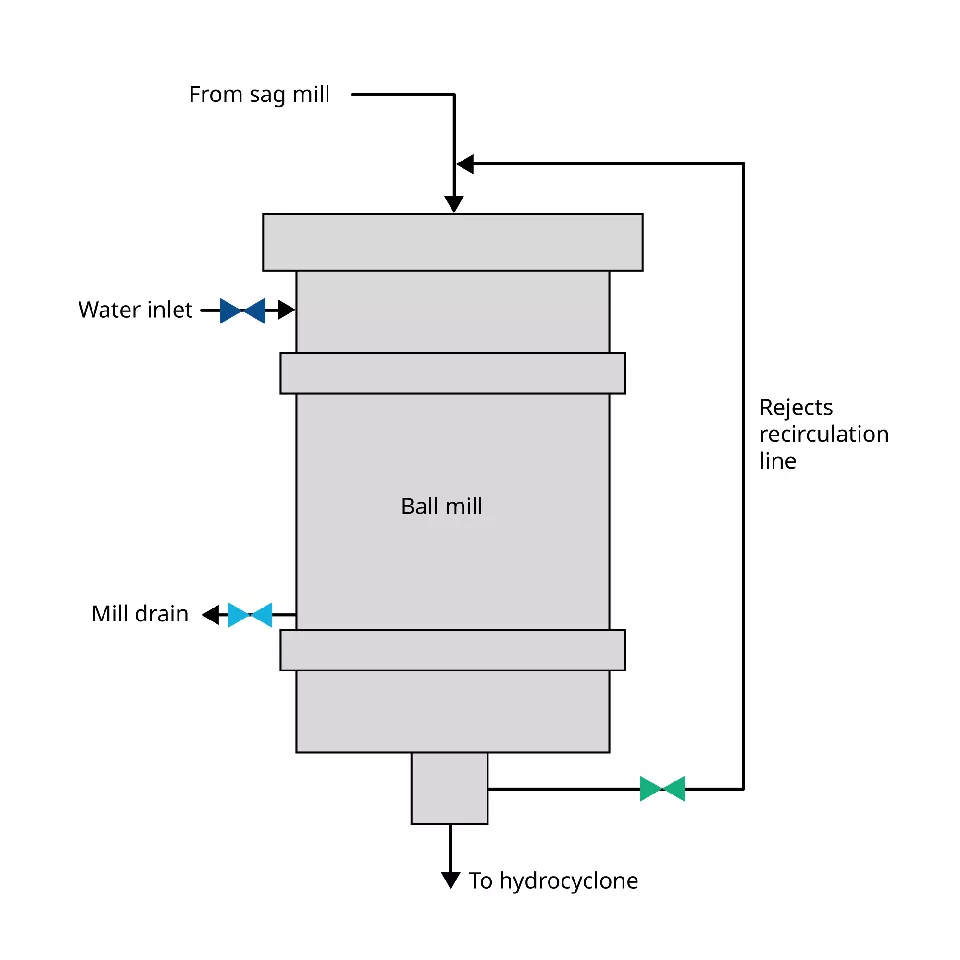
More Productive Ball Mills With Reliable Rejects Handling
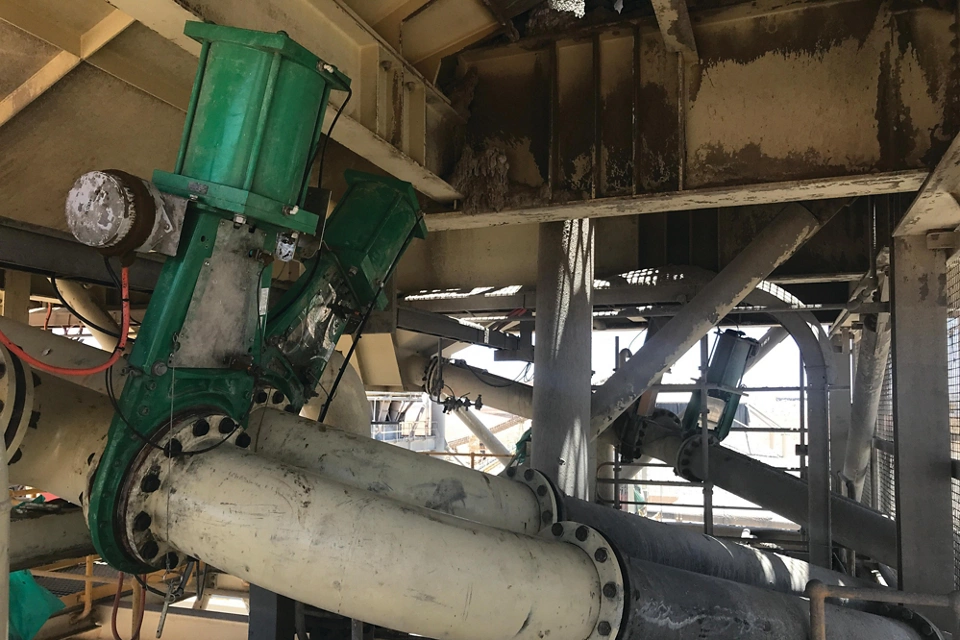
After grinding in the ball mill, fragments of ore remain that are too large to pass through the screen to the next phase. These fragments, along with foreign matter that can include broken balls from the mill, are ushered to the rejects line. Valves isolating these lines must provide zero leakage shutoff to prevent valuable water loss, while also being robust enough to resist severe impact damage.
Ball Mill Rejects Resources
Maximize mill uptime and reduce water usage in your mill processing.
Improve production output with innovative knife gate valve advancements
Optimize your slurry equipment isolation with Emerson’s Clarkson KGA+
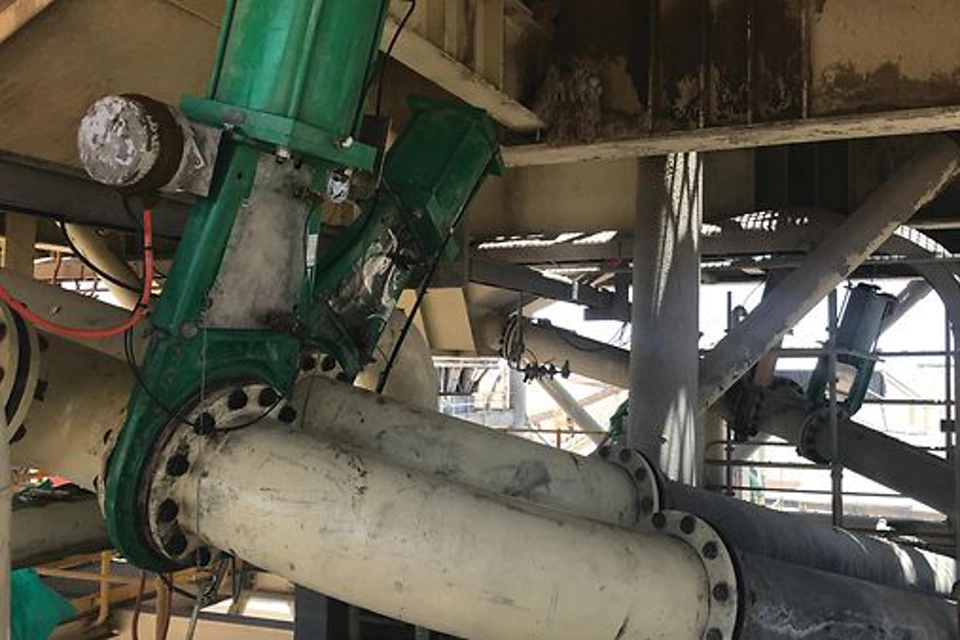
Recommended Ball Mill Rejects Products
The following products are capable of providing zero leakage shutoff of ball mill reject lines. They are also engineered to resist heavy impact damage and extend the uptime of your mill.
Loading...
Loading...
Ball Mill Rejects Expert Insights


Ball Mill Rejects Frequently Asked Questions
A valve on the ball mill rejects line is responsible for isolating the line while oversized ore fragments collect when they are rejected mill. This allows the mill to continue operating efficiently while maintaining sufficient water levels.
Valves in this service must withstand highly abrasive slurries, frequent cycling, the risk of jamming and impact damage from large fragments and foreign matter such as broken balls. They also need to maintain tight shutoff under high-pressure conditions and endure significant wear over time.
By enabling zero leakage isolation of the rejects line, these valves help maintain consistent mill performance, reduce unplanned downtime, and minimize water loss.
Isolation is essential for efficient operation of the ball mill, effective handling of rejects and routing for regrinding, as well as preventing the loss of valuable water.