

Hydrocyclone Underflow Control & Isolation
Maximize hydrocyclone throughput with isolation valves that provide zero leakage isolation for longer in abrasive slurry conditions to enable uninterrupted ore particle classification.
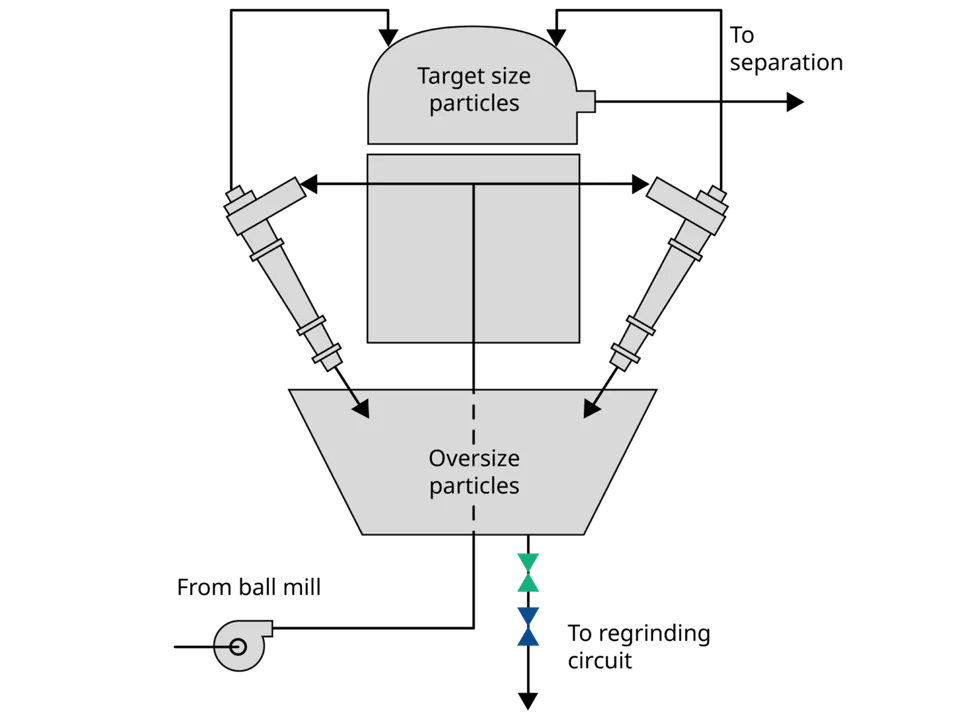
Maximize regrind circuit efficiency and recovery rates
Oversized mineral ore is directed to the bottom of the cyclone, collecting in a hopper for coarse particles. Meanwhile, a dedicated underflow line channels slurry to a regrinding circuit, where particles undergo further comminution and re-enter the classification phase. This system features a crucial isolation valve on the underflow line, facilitating maintenance, alongside a control valve designed to modulate and balance flow rates, harmonizing the hydrocyclone's performance with the regrind mill's capacity.
Hydrocyclone Underflow Control & Isolation Resources
Maximize throughput, reduce downtime & improve recovery rates.
Maximize Uptime of Heavy Slurry Processes
Maximize Uptime of Heavy Slurry Processes
Consult a Hydrocyclone Underflow Control & Isolation Expert

Recommended Hydrocyclone Underflow Control & Isolation Products
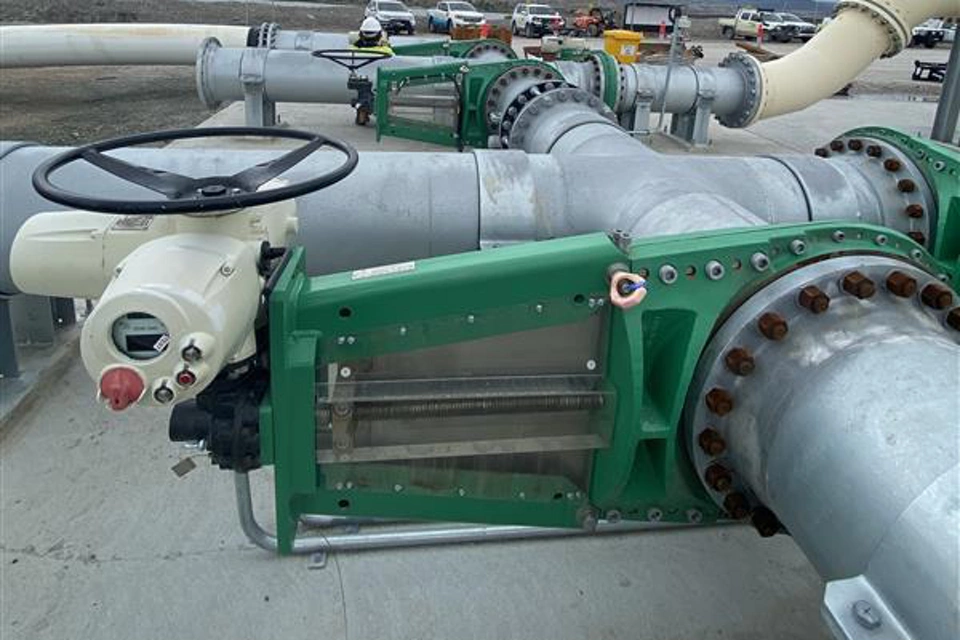
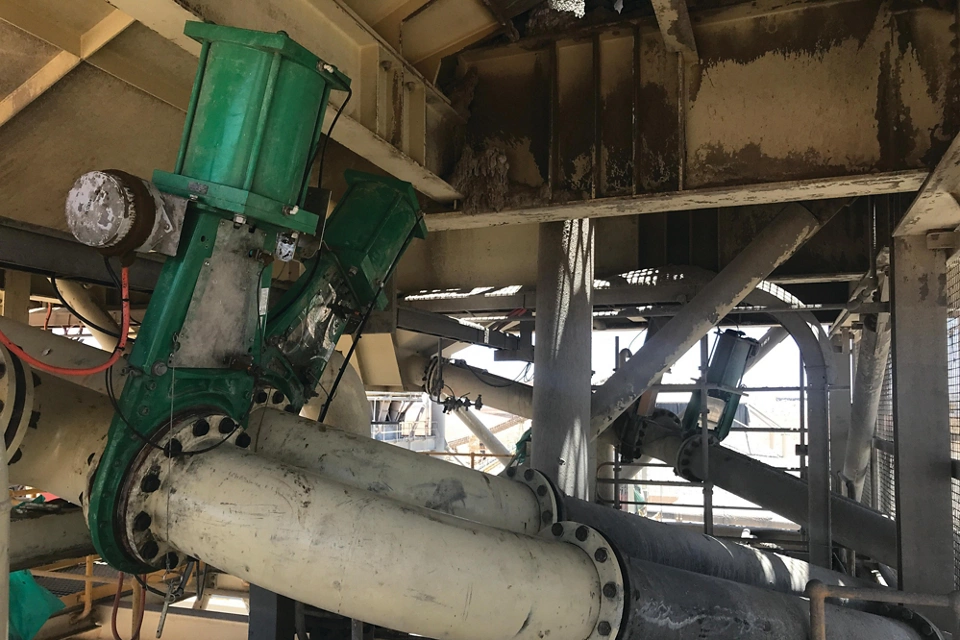
The following products are capable of providing zero leakage shutoff of hydrocyclone feed and discharge lines. They are also engineered for rapid, on-site repair with convenient spare parts kits to minimize downtime and maintenance costs.
Loading...
Loading...

Hydrocyclone Underflow Control & Isolation Expert Insights


Hydrocyclone Underflow Control & Isolation Frequently Asked Questions
The primary purpose is to optimize the separation process by ensuring consistent underflow quality and volume. Isolation can also be used for maintenance purposes, allowing parts of the system to be serviced without shutting down the entire process.
Proper control of the underflow can enhance the efficiency of particle separation by maintaining the appropriate pressure and flow rates. It can also prevent undesirable outcomes like excessive wear or system failure.
Isolation allows for selective shutdowns for maintenance, repairs, or adjustments. It minimizes disruptions in production and can help prevent cross-contamination between different streams in complex processing systems.