



Reduce Emissions and Energy Usage in Chemical Operations
Reduce environmental impact through continuous insight and control
Achieving meaningful reductions inenergy and emissions begins with reliable, real-time measurement and automation. Across heat exchangers, furnaces, boilers, tanks, and distillation columns, precise monitoring and control are essential for managing process variability, fuel efficiency, and potential emission sources. Scalable, integrated solutions help improve visibility, enhance decision-making, and maintain compliance without compromising throughput.
Chemical Solutions in Action for Emission Reduction
Target critical assets and processes with advanced monitoring and control. Chemical manufacturers face challenges from multiple fronts—thermal inefficiencies, venting losses, and poor combustion control. Targeted upgrades to instrumentation and automation infrastructure enable better detection and response across these areas. By using proven technologies to monitor key parameters like temperature, pressure, and flow, producers can reduce both energy waste and environmental impact while increasing operational reliability.
Monitor Heat Transfer Performance
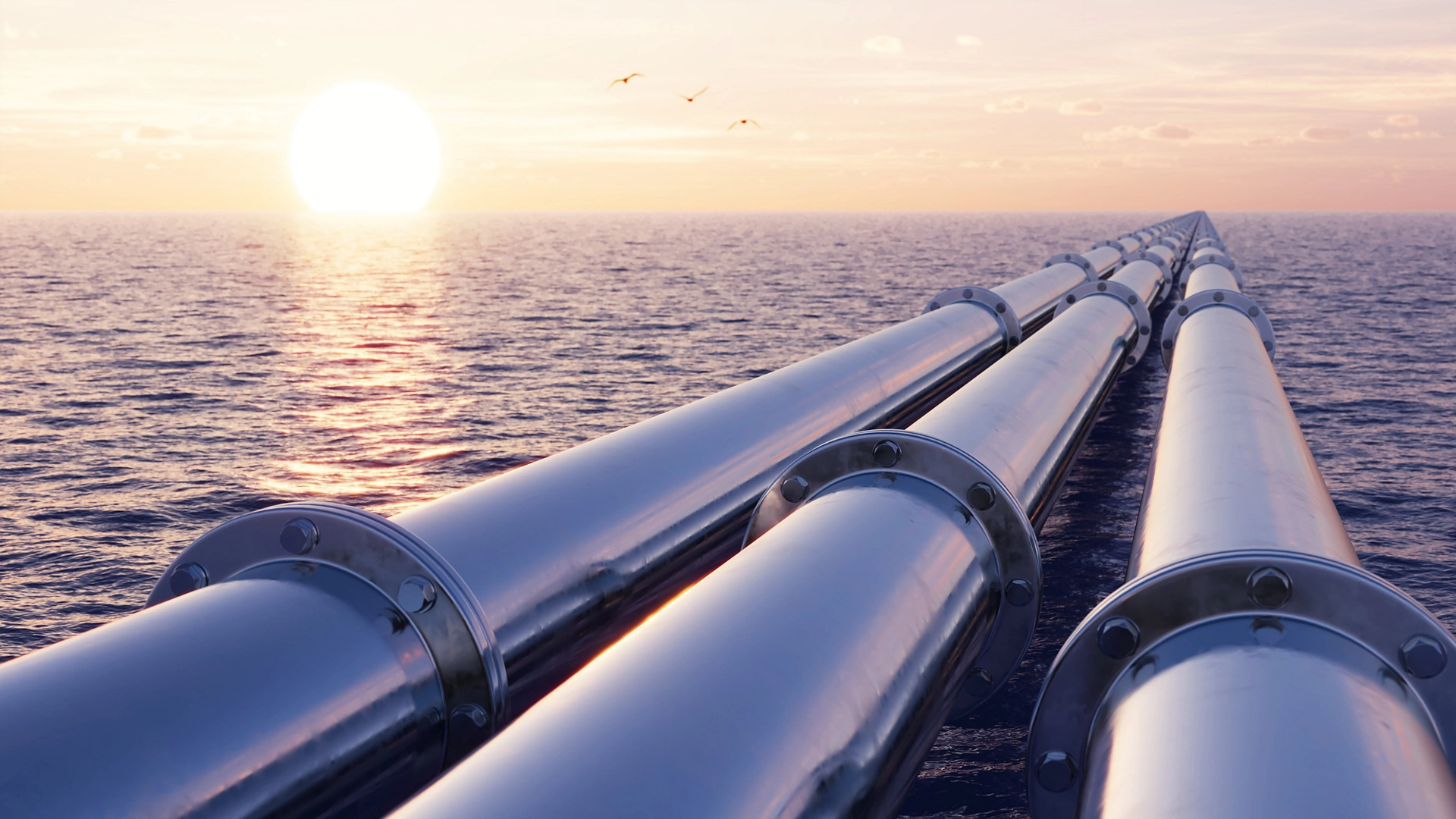
Meeting your performance goals means accurately tracking product inventory and product movements. At the same time, tanks and tank farms present their own unique safety and compliance challenges. Emerson offers solutions to fully automate your storage systems, making it easier to manage inventory, gauge tank levels, adhere to regulations, and integrate data from the field into your enterprise planning efforts.
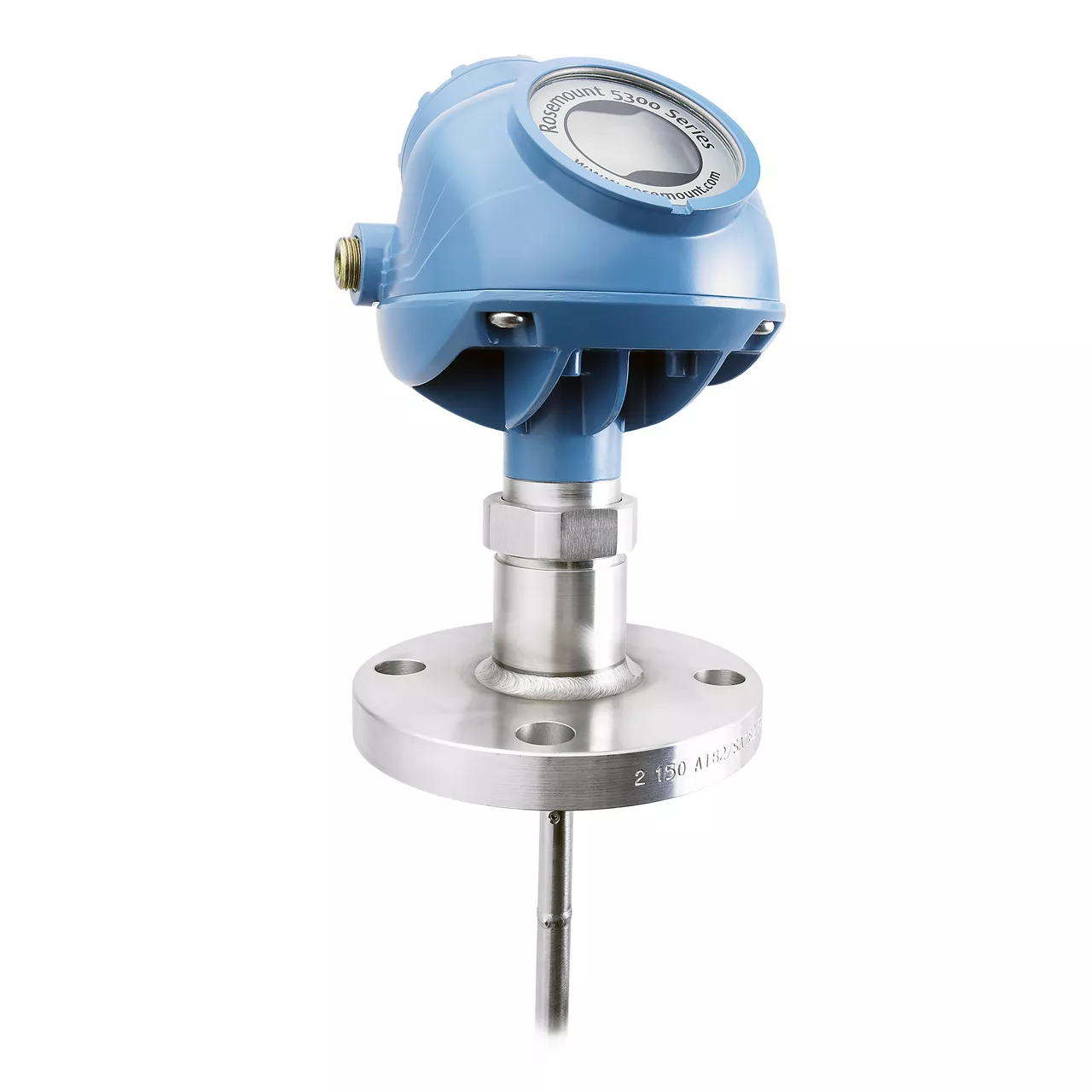
Temperature Measurement with Emerson X-Well Technology
Accurate temperature measurement can balace cooling loads and reduce total maintenance costs
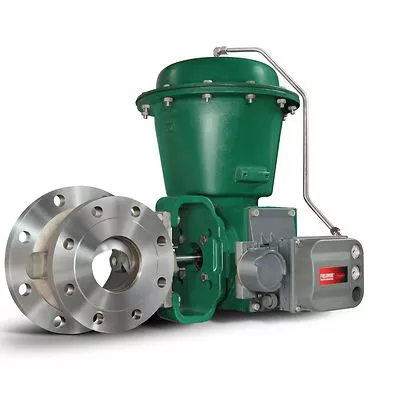
Rosemount™ 848T Wireless Temperature Transmitter
The Rosemount 848T Wireless Temperature Transmitter is the premier choice for high-density measurements via a WirelessHART® device.
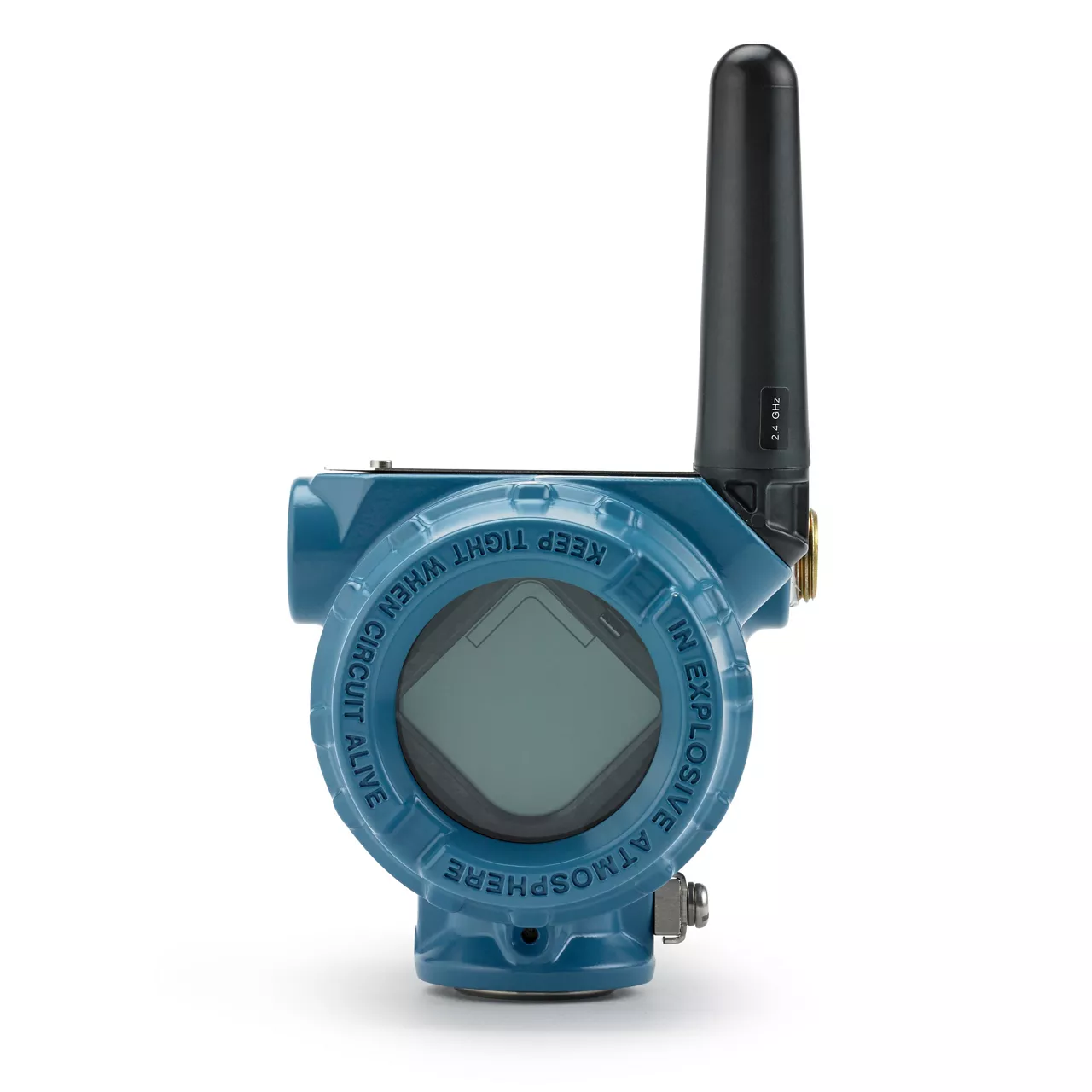
Rosemount™ 648 Temperature Transmitter
The Rosemount 848T Wireless Temperature Transmitter is the premier choice for high-density measurements via a WirelessHART® device.
Business Groups with Methane Emissions Solutions
Business groups play a pivotal role in providing the expertise, products, and solutions necessary for addressing methane emissions in the oil and gas industry. Each group delivers specialized technologies that help operators detect, measure, and mitigate emissions throughout the value chain, improving both operational efficiency and sustainability.
Final control
Measurement instrumentation
Solution-Related Documents for Emission Control
Gain deeper insights into emission control technologies with our comprehensive library of solution-related documents. These resources include white papers, technical specifications, case studies, and more—designed to help you understand the latest emissions management strategies and their applications in real-world settings. Download and explore our documents to stay ahead of regulatory requirements and optimize your emission reduction efforts.
Frequently Asked Questions (FAQs)
Learn more about the sources of methane emissions, regulatory compliance, and detection technologies. Discover how Emerson solutions help identify leaks faster, improve reporting accuracy, and support your sustainability goals
Methane (CH4) is a colorless, odorless gas that exists both naturally in the atmosphere and as a byproduct of human activities. Methane is emitted during the production of coal, natural gas, and oil but also as a byproduct of livestock and other agriculture. It is also emitted as organic waste decays, in facilities such as municipal solid waste landfills and wastewater treatment plants.
CO2 emissions occur in a variety of ways. It can originate from burning or combusting fossil fuels such as coal, natural gas, and oil or chemical reactions from biological materials like trees. While CO2 makes up about 75% of the anthropogenic greenhouse gas emissions methane makes up about 17%.
Although methane emissions are much lower than carbon dioxide, methane is about 25 times more capable of trapping heat than carbon dioxide over a 100-year period. In a shorter timeline (about 20 years) methane can trap about 80 times as much heat as CO2. Methane is much less abundant in the atmosphere and lasts for a significantly smaller amount of time—decades vs. centuries—compared to CO2. However, methane traps more heat and is more harmful than CO2.
Tackling methane emission sources can have a dramatic effect on the overall concentration of methane present in the atmosphere, and subsequently reduce its warming effects and present short-term gains in the world’s fight against climate change.