

Intelligent Combustion Control for Safe Operations
Improve safety, reduce emissions, and enhance fuel efficiency across fired heaters
In refining, petrochemical, and industrial processes, burner management plays a critical role in protecting people, equipment, and the environment. A comprehensive solution brings together smart sensors, advanced control strategies, and predictive maintenance tools to mitigate risks and reduce operational costs. From flame monitoring to emissions compliance, ensure consistent performance through real-time data and actionable insights.
Burner Management System Solutions in Action
Safe, reliable, and efficient furnace operation is challenging. The most important objectives include optimizing the fuel to air ratio, operating safely, reducing emissions, and complying with environmental regulations. Emerson combines advanced process control, best-in-class instrumentation, safety systems, and software to improve and optimize fired heater performance and reduce emissions.
Combustion Control
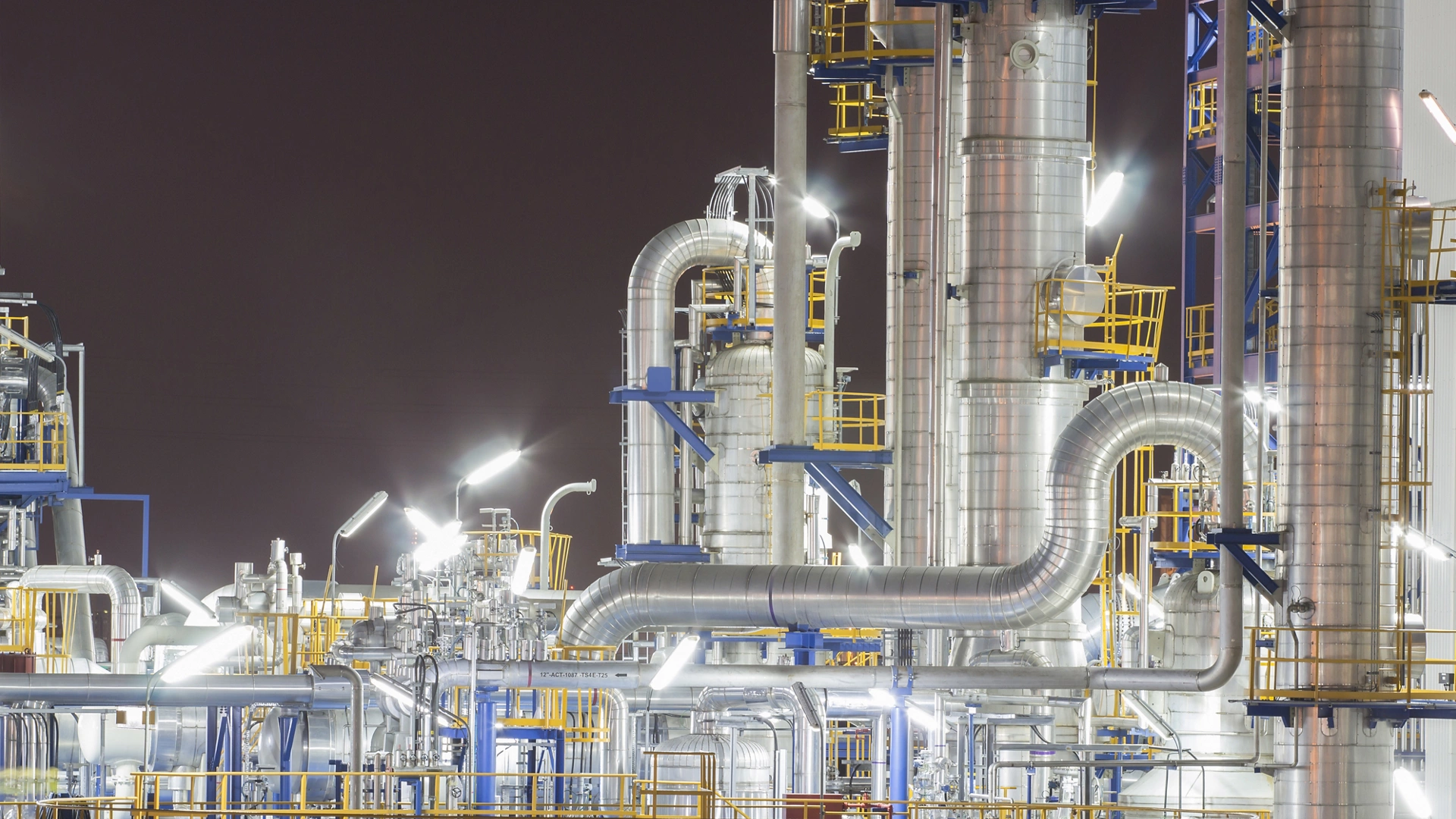
Achieve optimal combustion control while minimizing energy consumption and emissions. Intelligent burner management solutions combine automated diagnostics, safety instrumented systems, and advanced analytics to keep fired heaters operating within tight parameters. Gain confidence in every phase of the combustion lifecycle—from startup to steady-state to shutdown.
-3?fmt=webp-alpha)
Rosemount™ OCX8800 Oxygen and Combustibles Transmitter
Ensure safer, cleaner combustion with real-time oxygen and combustibles measurement.
DeltaV™ Advanced Control
Optimize burner performance with model predictive control and adaptive tuning.
Field Device Management
Centralize visibility into field assets for faster diagnostics and configuration.
Business Groups in Burner Management System
Achieving high-performance burner management requires collaboration across automation, measurement, final control, and safety domains. Each business group contributes specialized technologies and knowledge that help deliver reliable, scalable burner management systems for energy-intensive industries.
Discrete Automation
Solution-Related Documents for Burner Management System
Access technical resources, best practices, and case studies to help you enhance burner management system reliability, safety, and compliance. These documents provide actionable strategies to improve system performance, reduce risk, and ensure adherence to industry standards in critical combustion applications.
Frequently Asked Questions (FAQs)
Learn more about how burner management systems support safe startup, shutdown, and operation of fired equipment. Discover how Emerson solutions help improve compliance, reduce risk, and ensure reliable performance in combustion applications across industrial facilities.
In most facilities, alternative fuels are chosen because they’re cheaper, and that usually means variability of quality and energy value. Most fired heater combustion control systems use a volumetric flow or pressure to control combustion, however measuring heat content of the fuel is faster and more efficient. This can be solved by using Emerson’s Micro Motion Coriolis mass flow meters or a Rosemount Gas Chromatograph in the fuel supply. Pairing either measurement with precise flow controls, including Fisher control valves, allows for an optimized solution.
Measuring residual oxygen is critical in order to make sure there is the optimal amount of air, because too much combustion air reduces efficiency and too little makes process unsafe.
Thermal efficiency is the ratio of useful heat output to the total fuel energy input. It can be improved by several methods, such as pre-heating the combustion air, recovering waste heat, or optimizing burner performance.
In the chemical industry, various types of fired heaters are commonly used for heating applications. Pyrolysis furnaces are versatile heaters used in cracking applications such as ethylene production. Reforming furnaces are employed in catalytic reforming processes like those found in hydrogen production via steam methane reforming (SMR). Steam boilers produce high-pressure steam for power generation and heat exchange. Thermal fluid heaters use a heat transfer fluid for precise temperature control. Incinerators are used for waste disposal, while regenerative heaters recover and reuse waste heat. Direct fired heaters directly expose the process fluid to the flame. The choice of heater depends on process requirements, fuel availability, and environmental considerations.