



Achieve Peak Performance and Reliability
Improve reliability and minimize energy losses through compressor performance insights
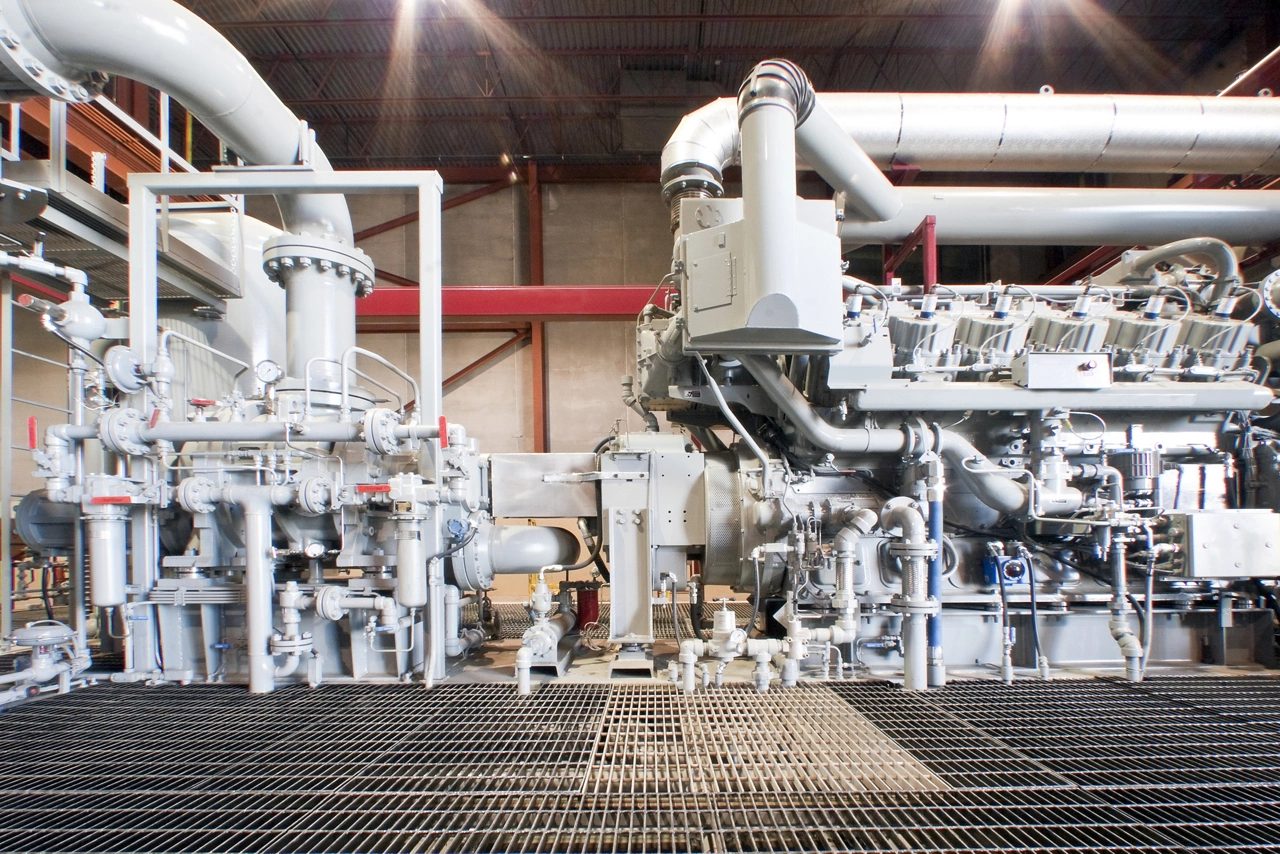
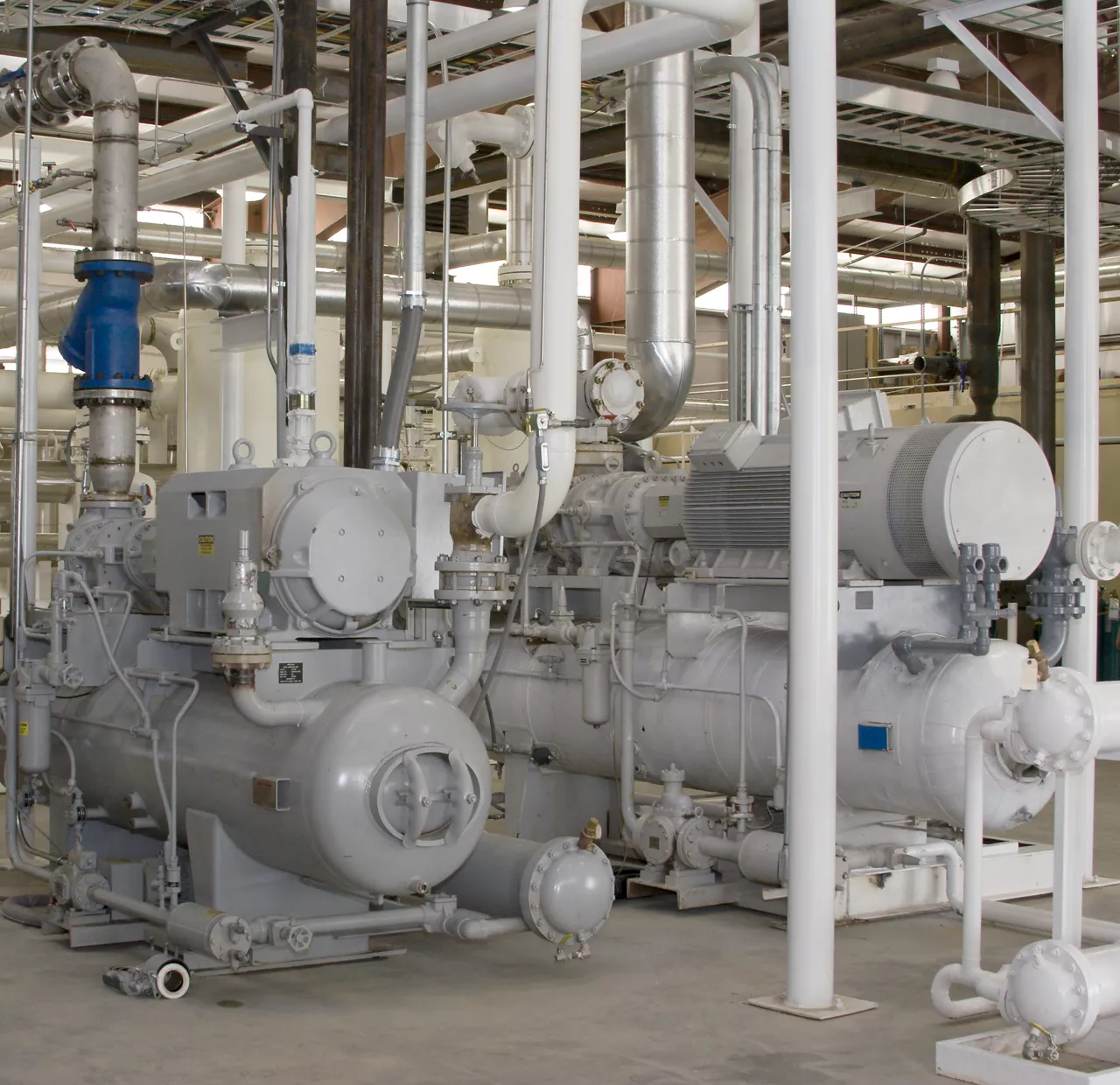
Whether rotary screw or reciprocating, compressors are susceptible to vibration, misalignment, and performance degradation over time. Implementing condition monitoring and control strategies allows teams to detect early signs of wear or surge events, reduce energy waste, and optimize performance. With the right instrumentation and analytics, operators can quickly identify root causes, make data-driven decisions, and improve compressor availability.
Industrial Air Compressor Solutions in Action
Monitor compressor conditions and respond to anomalies before failures occur. Proactively identifying issues like bearing wear, misalignment, or pressure surges is essential for maintaining the integrity of air compressors. Integrated solutions provide continuous condition data, empower predictive maintenance, and drive efficient operations. Operators gain insight into asset health and performance, enabling informed responses that reduce unscheduled outages and extend equipment life.
Identify Vibration Trends and Bearing Degradation Early

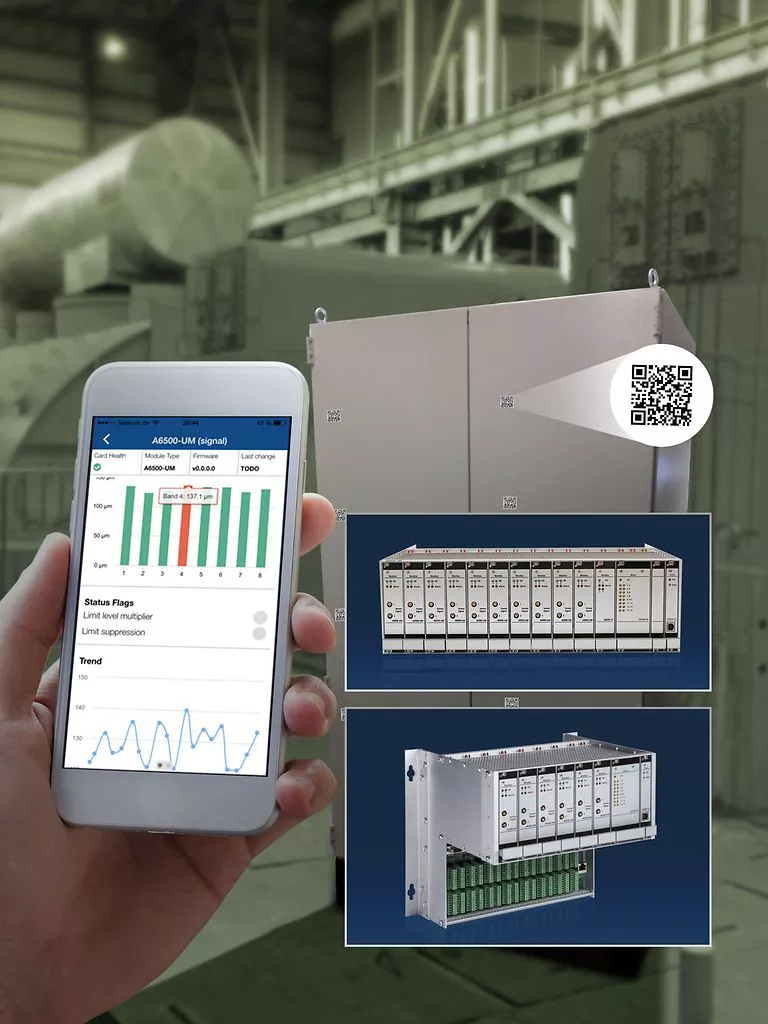
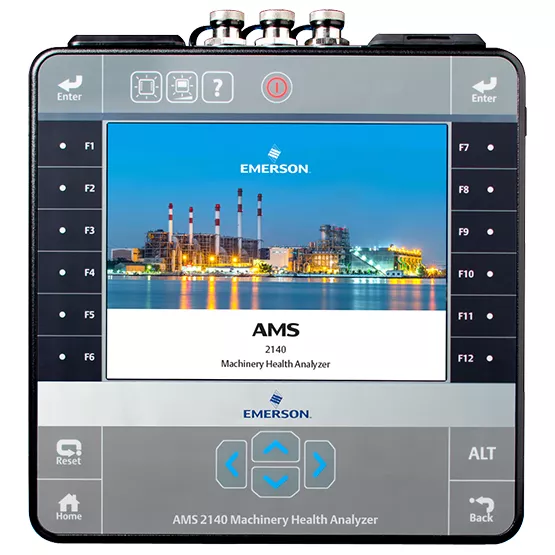
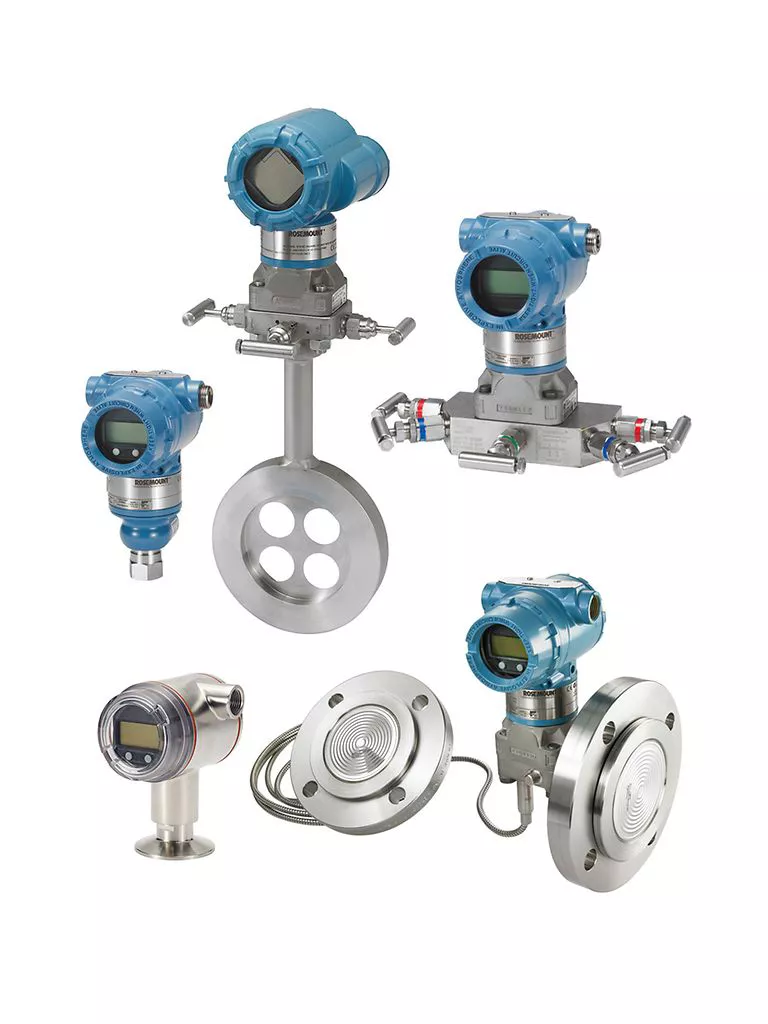
Whether a small compressor for instrument air or a huge cracked-gas compressor for an ethylene plant, all compressors have rotating elements. And where there’s rotation, there’s vibration. Excessive vibration creates costly problems—such as bearing, shaft, or coupling issues—leading to compressor failure and a potential unit shutdown. Emerson’s online compressor monitoring solutions provide a reliability team with early warning alerts of excessive vibration and bearing wear, allowing technicians to perform repairs or adjustments to prevent equipment damage and avoid lost production.
Avoid Damage from Shaft Misalignment and Imbalance

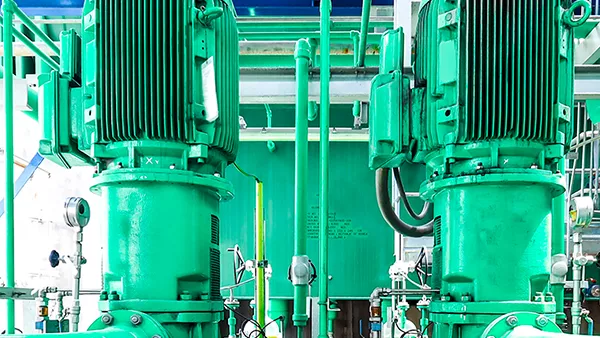
Improper installation starts a chain of shaft misalignment issues, causing excessive vibration, resulting in compressor damage and eventual premature failure. With Emerson’s asset health monitoring technology, technicians can identify and respond to the root causes of misalignment and detect effects related to bearing and lubrication issues early to avoid breakdowns and minimize maintenance costs.

Prevent Costly Damage Caused by Surges
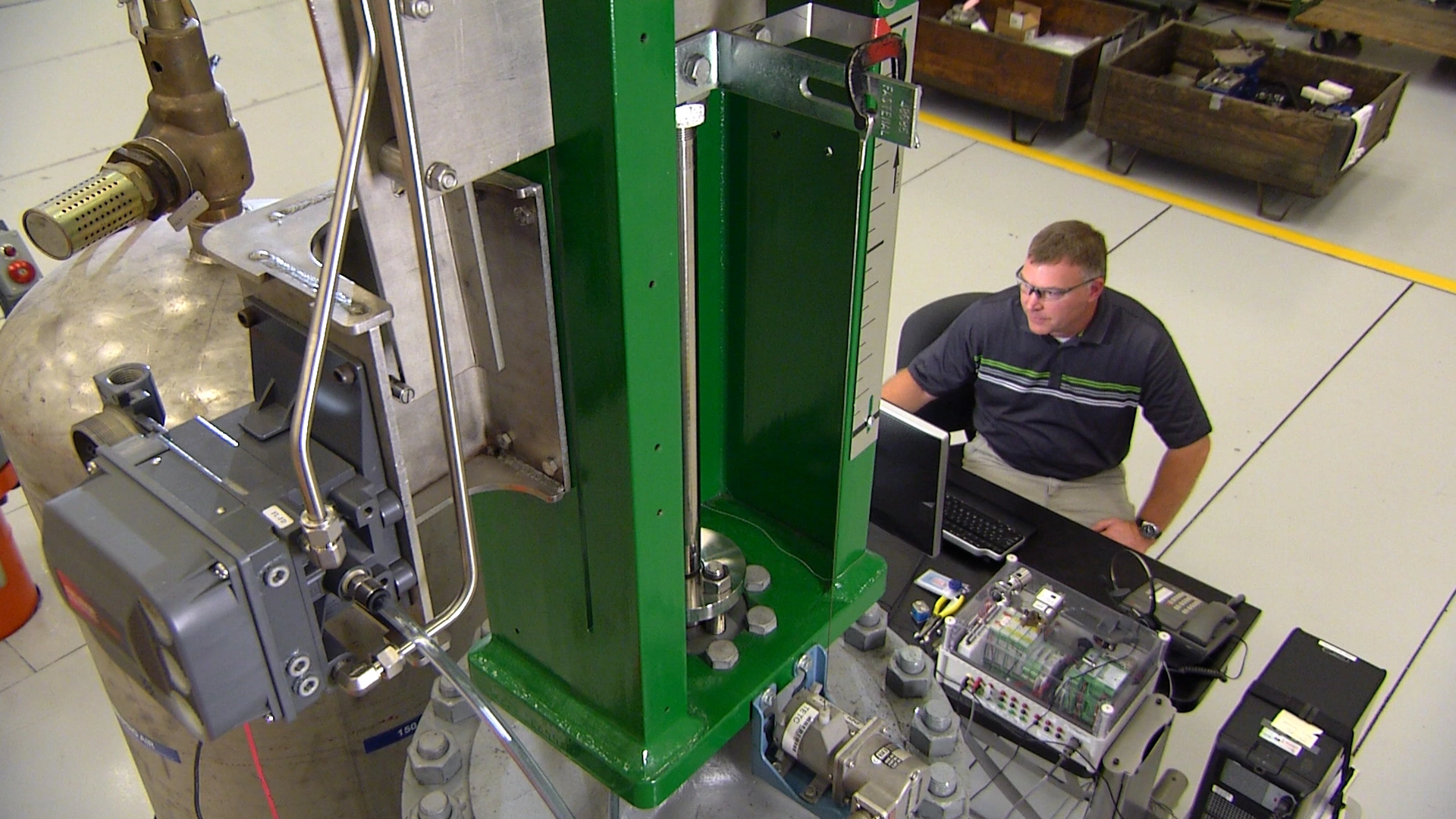
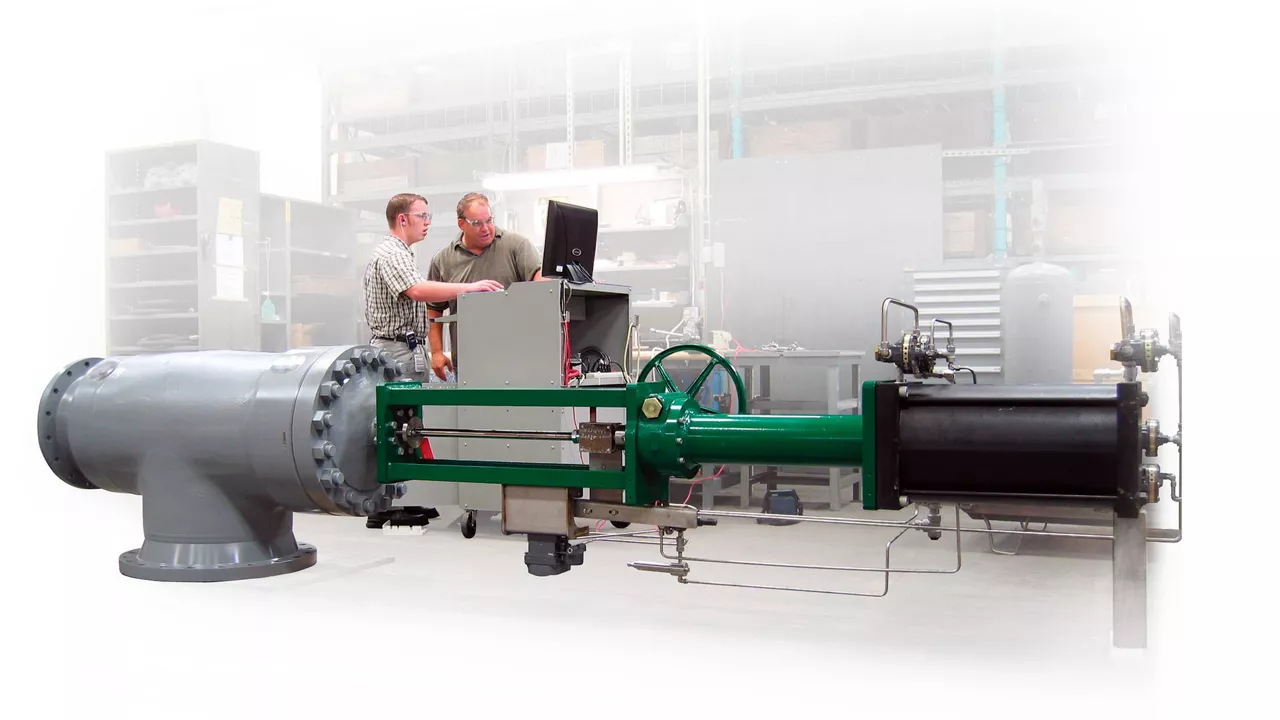
Turbine compressors are sensitive to inlet pressure, and sudden changes in composition, flow, or suction pressure can trigger surge, which, if uncontrolled, can cause catastrophic mechanical damage. With Emerson’s compressor monitoring solutions, operators can analyze pressure data in real time to detect pre-surge conditions and implement anti-surge control strategies to ensure safe operation, while improving energy efficiency. Emerson also provides a variety of Fisher control valves designed for surge protection.
Monitor And Control to Reduce Energy Costs

As with all rotating equipment, when there is a lack of adequate maintenance, compressor performance deteriorates over time. This results in increased energy usage, reduced throughput, and eventually early failure. Ineffective control algorithms and manual intervention can further reduce efficiency. However, with the predictive diagnostics and advanced control algorithms provided with Emerson’s compressor monitoring solutions, facilities can reduce energy consumption, improve efficiency, and increase operational profitability.
Business Groups in Industrial Air Compressor
Maintaining efficient and dependable compressor systems requires collaborative technologies spanning instrumentation, control, and diagnostics. Discover how each business group contributes targeted innovations that improve compressor uptime, energy use, and maintenance effectiveness.
Discrete Automation
Measurement Instrumentation
Solution-Related Documents for Industrial Air Compressor
Explore a focused set of resources designed to help you enhance the performance, protection, and operational integrity of industrial air compressor systems. These documents highlight how innovative technologies and proven strategies can strengthen system reliability, ensure safe operation, and support efficient maintenance practices. Leverage Emerson’s expertise to drive measurable improvements across your compressed air applications.

Frequently Asked Questions (FAQs)
Explore frequently asked questions about compressor types, energy efficiency, maintenance best practices, and system integration. Learn how Emerson technologies help improve uptime, reduce energy consumption, and ensure consistent air delivery for industrial operations.
Critical compressor measurements include monitoring pressure (suction and discharge), temperature (suction and discharge), flow rate, motor current and power, vibration levels, and conducting oil analysis. These measurements provide essential information about the compressor's performance, efficiency, and overall health. Deviations from expected values can indicate issues such as valve leaks, mechanical problems, electrical irregularities, or contaminants in the system. Regular monitoring of these parameters enables early detection of potential problems, optimizing operation, and preventing costly failures or downtime.
Surge is a condition in dynamic compressors, particularly centrifugal compressors, where there is a sudden decrease in the compressor's delivered flow caused by an increase in the pressure at the compressor discharge or loss of feed at the intake/suction. This can lead to violent fluctuations in flow and pressure, potentially causing damage to the compressor.
Compressor surge is a critical phenomenon that requires careful monitoring and control to ensure safe and efficient compressor operation, minimize downtime, and prevent damage to the compressor and associated equipment.
Compressor performance is typically measured in terms of its capacity (the volume of gas it can move per unit of time), pressure increase (also known as head), and power consumption. Other important metrics include efficiency and reliability.
One common mistake is aligning equipment cold without making allowance for thermal growth. When motors, pumps, and compressors reach operating temperature, they expand unevenly. Similarly, when piping gets hot, it expands and causes strain on the equipment that it is attached to. What was aligned is now out of position. The solution is either calculating the amount of thermal growth expected or performing alignment measurements immediately after shutting down. Emerson’s vibration monitoring sensors detect changes in vibration patterns after an installation warms up, informing decisions regarding alignment.
The purpose of alignment is to limit vibration and avoid excess strain on the shafts. The ultimate test is to see if vibration is lower when running at full operating temperature, after an alignment procedure. Emerson’s vibration monitoring sensors will answer that question.