


Comprehensive Solutions for Oil & Gas Production
Optimizing fluid management, maximizing recovery, and enhancing operational safety
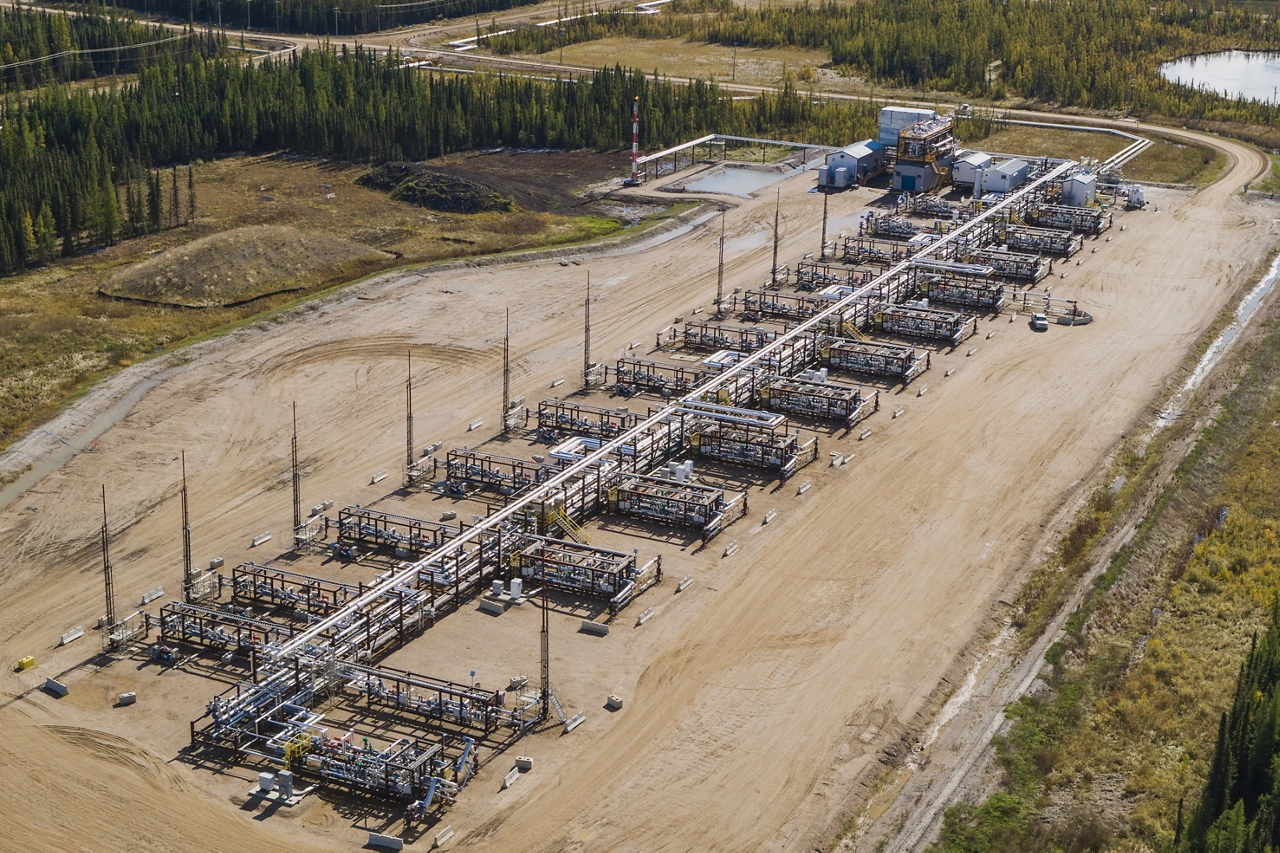
Oil and gas production faces growing challenges to optimize fluid handling, maximize recovery from mature fields, and meet stricter environmental regulations. From improving well performance to enhancing the reliability of fluid transfer systems, solutions in the oil and gas production sector are designed to support cost-effective operations. With advanced monitoring systems, automation technologies, and process control solutions, companies can enhance efficiency, maintain uptime, and optimize every step of the production cycle.
Oil & Gas Production Solutions in Action
In today’s competitive oil and gas industry, companies are focused on maximizing production while minimizing risk. Applied solutions in oil and gas production include technologies that monitor and control key variables in real time, helping operators detect and mitigate risks early, reduce unplanned downtime, and improve overall recovery efficiency. From automation systems that enable remote monitoring to advanced sensors that track well integrity, these solutions enhance operational performance while driving significant cost savings.
Inventory & Fiscal Transfer Measurement

Accurate inventory and fiscal transfer measurement are essential for maintaining compliance and optimizing operational performance. Ensure accuracy in your fiscal transfer and measurement systems by leveraging precision measurement solutions designed to provide reliable data for inventory tracking and financial transactions. Advanced technologies enhance measurement integrity, minimize discrepancies, and support regulatory requirements, ensuring seamless reporting and reconciliation. By integrating high-precision systems, you can improve accountability, reduce risks, and streamline fiscal transfer processes for greater efficiency and transparency.
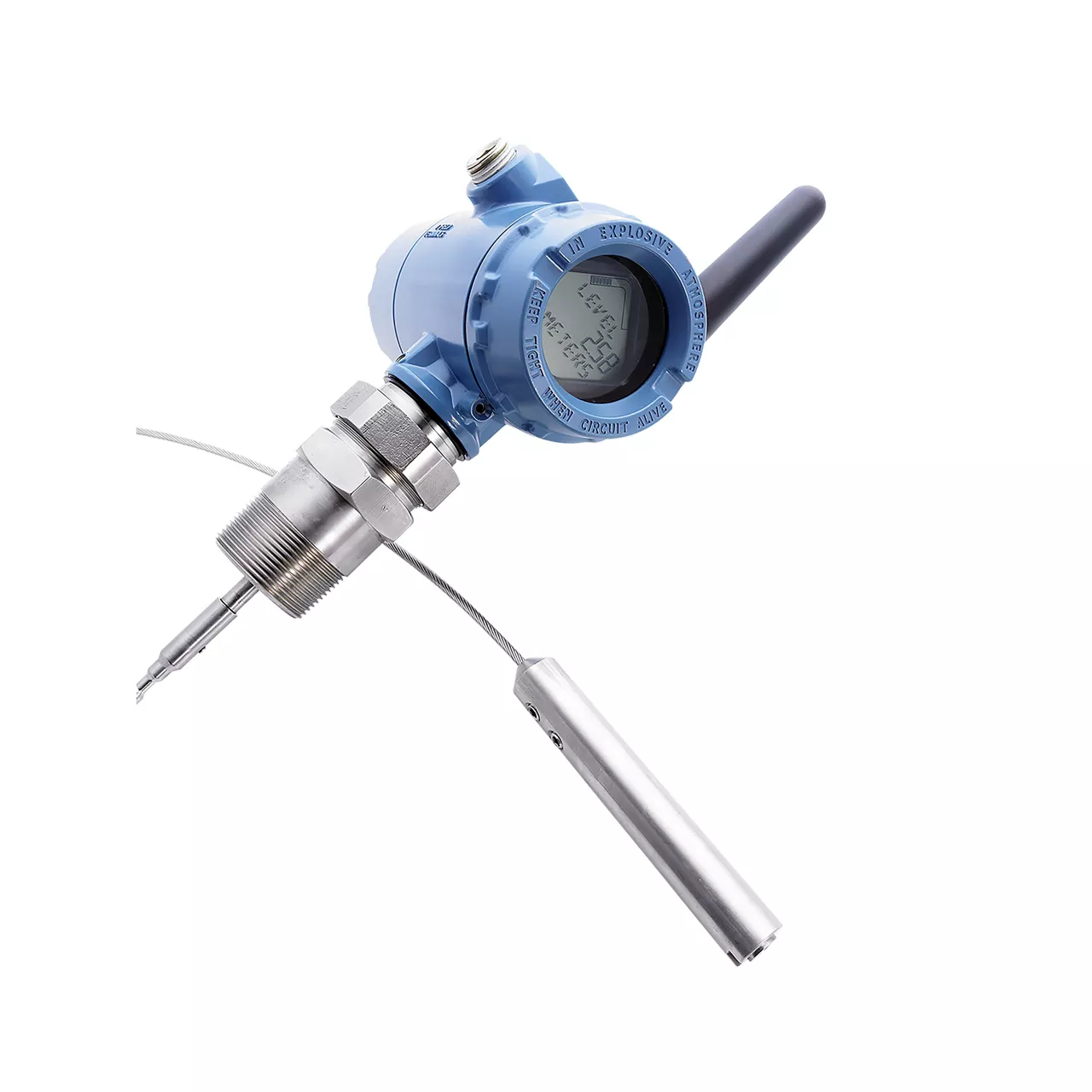
Rosemount™ 3308 Wireless Level Transmitter - Guided Wave Radar
Achieve precise, real-time level measurement in tanks and vessels with this robust radar technology, designed for accurate inventory management.
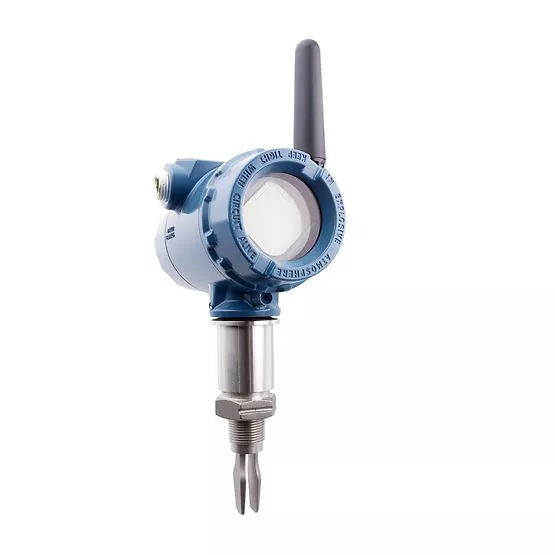
Rosemount™ 2160 Wireless Level Detector - Vibrating Fork
This vibrating fork level detector offers high reliability and accuracy for detecting liquid levels in tanks and process vessels.
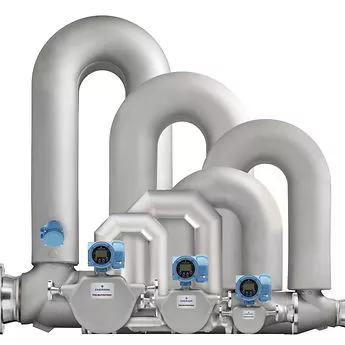
Micro Motion ELITE Peak Performance Coriolis Flow and Density Meter
Accurate, real-time flow and density measurements for critical custody transfer applications. This solution improves measurement accuracy and reduces operational risks.
Business Groups in Oil & Gas Production
Oil and gas production requires a holistic approach to managing complex operations. Each stage of production—whether it’s drilling, fluid handling, or recovery—requires specialized solutions that work together seamlessly. The following business groups offer tailored solutions for optimizing production efficiency, enhancing safety, and ensuring environmental compliance across oil and gas production systems.
Automation Systems
Measurement Instrumentation
Solution-Related Documents for Oil & Gas Production
Get the Insights You Need to Enhance Your Oil & Gas Production Operations

Frequently Asked Questions (FAQs)
Learn more about the challenges, technologies, and best practices that drive efficiency and safety in oil and gas production by reviewing these frequently asked questions.
Upstream production refers to the exploration and extraction of crude oil and natural gas. This includes locating reservoirs, drilling wells, and bringing hydrocarbons to the surface for processing and transport.
Common challenges include maintaining well performance, managing flow assurance issues, minimizing downtime, operating in remote or offshore environments, and complying with safety and environmental regulations.
Automation technologies are used to remotely monitor and control wellheads, separators, pumps, and other field equipment. This improves operational efficiency, reduces the need for manual inspections, and enhances worker safety.
Reducing downtime involves using predictive maintenance, condition monitoring, and real-time data analytics to identify issues before they lead to equipment failure. Early detection helps avoid costly shutdowns and repairs.
Vibration monitoring is accomplished using sensors and advanced diagnostics that detect imbalance, misalignment, or wear in rotating parts. Emerson’s predictive monitoring tools help prevent unplanned shutdowns in power generation plants.
Safety is ensured through rigorous monitoring, emergency shutdown systems, compliance with industry standards, and the use of reliable instrumentation in hazardous environments. Training and automated systems also play key roles in incident prevention.