


What are Steam Traps?
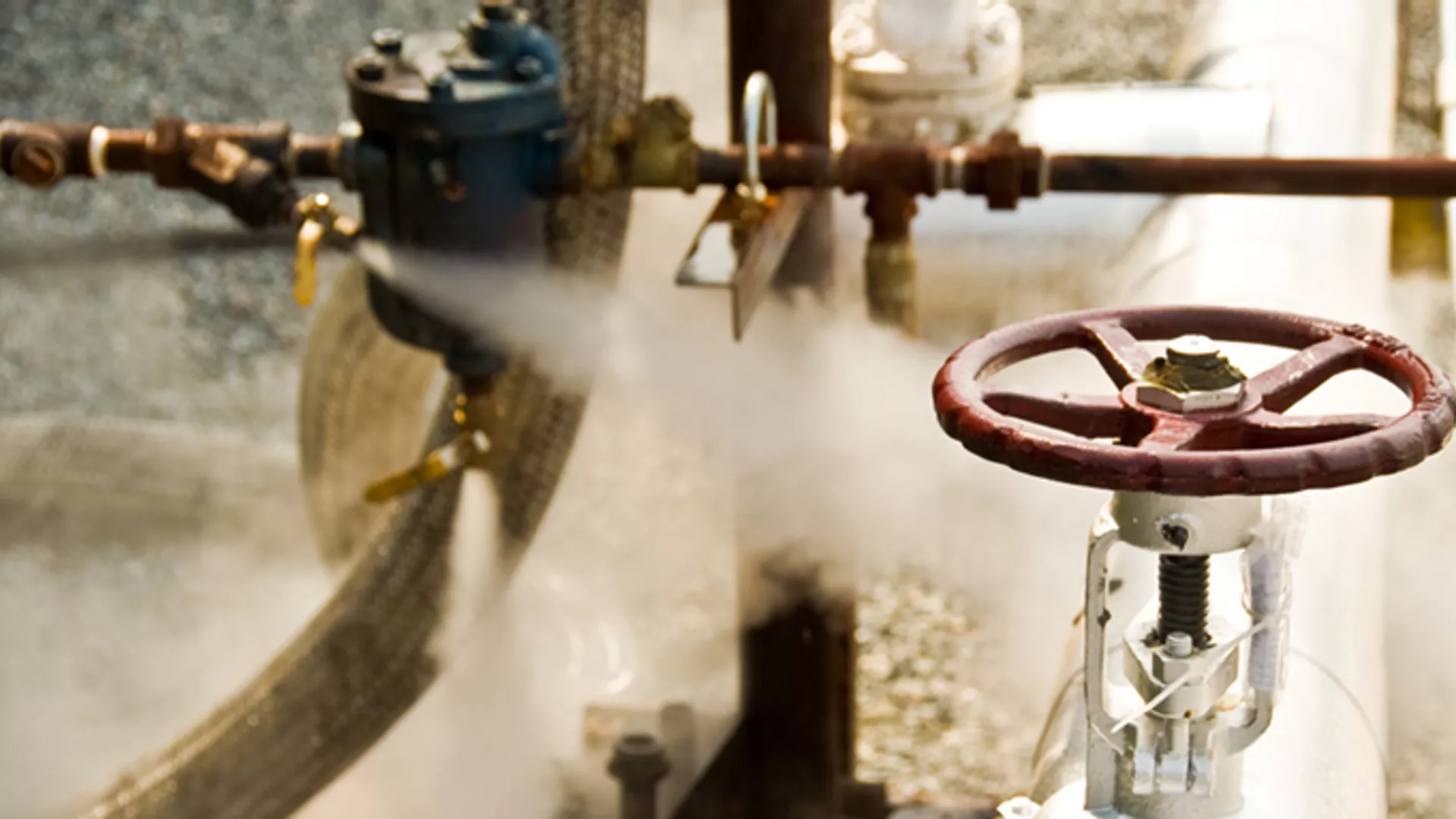
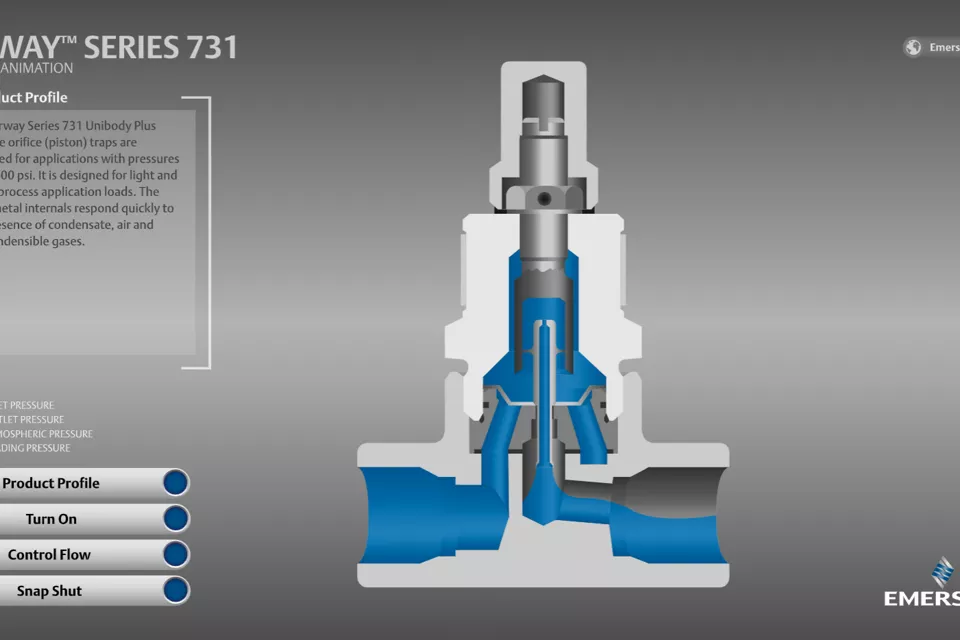
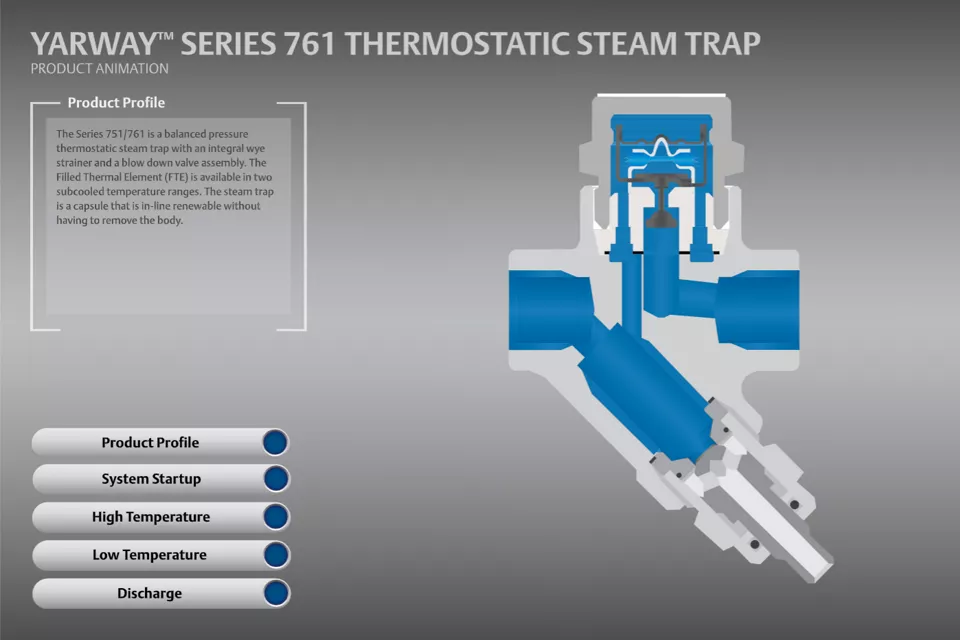
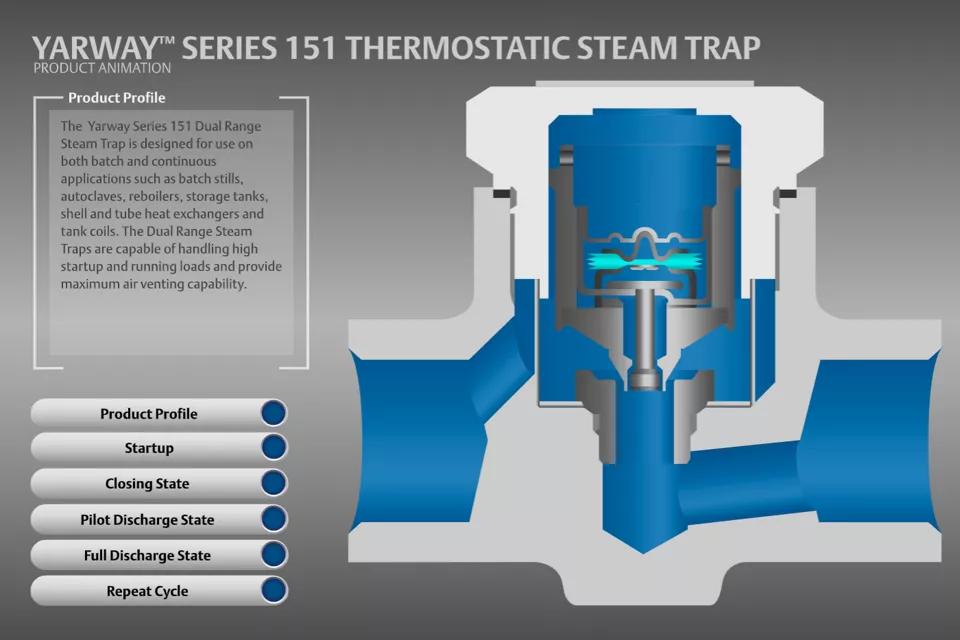
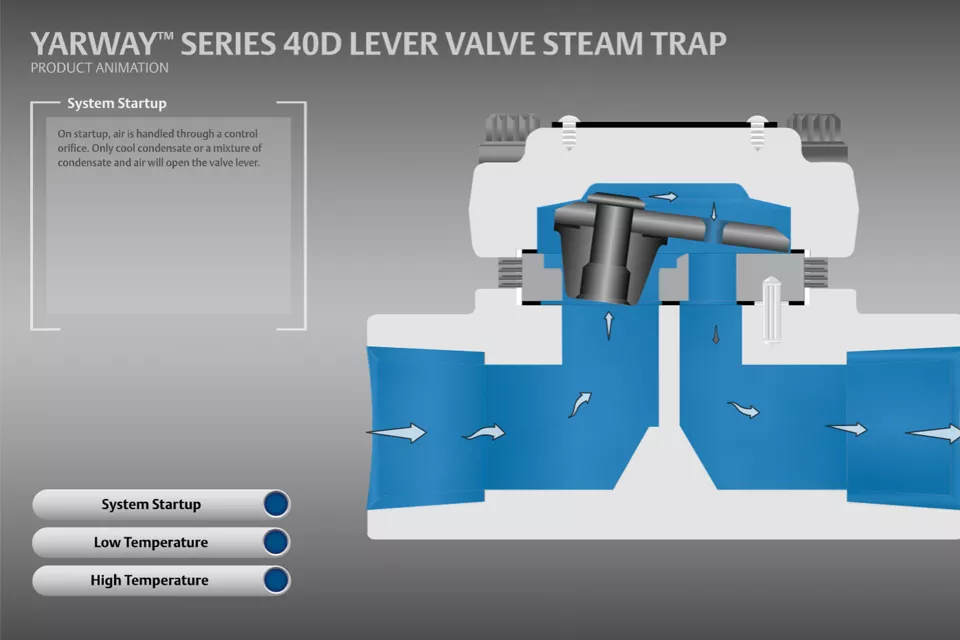
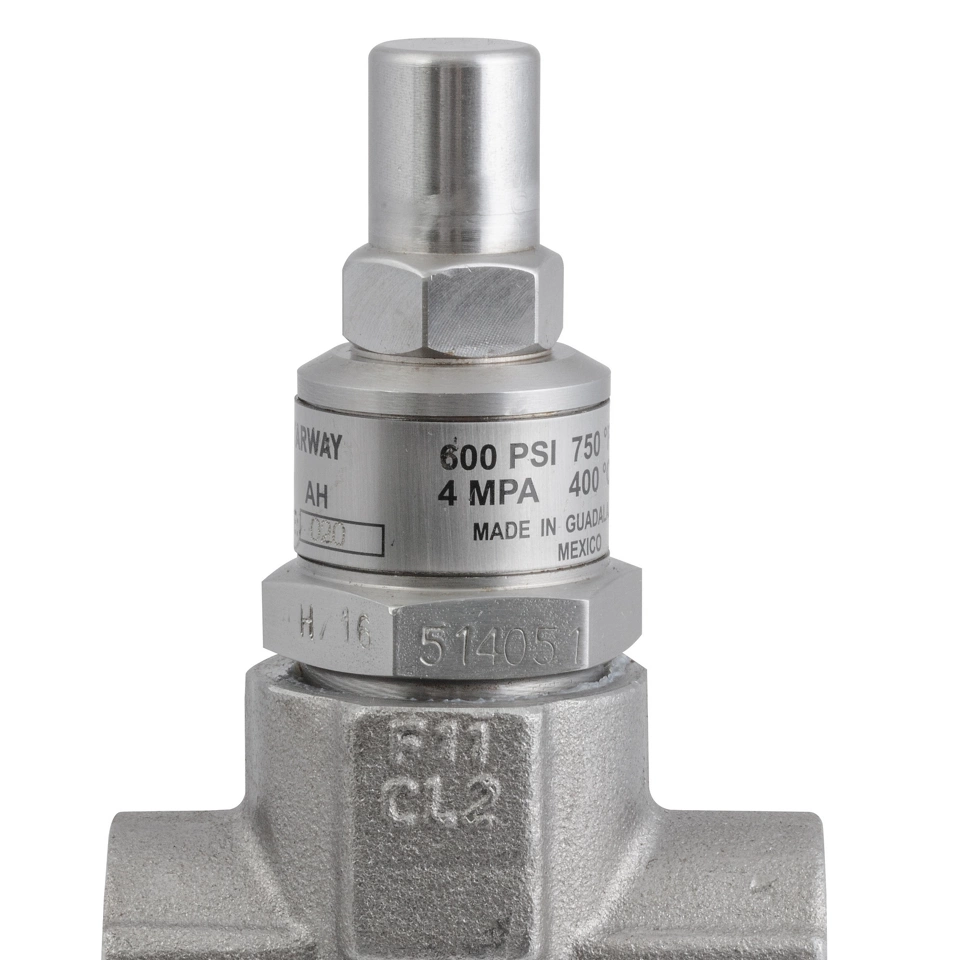
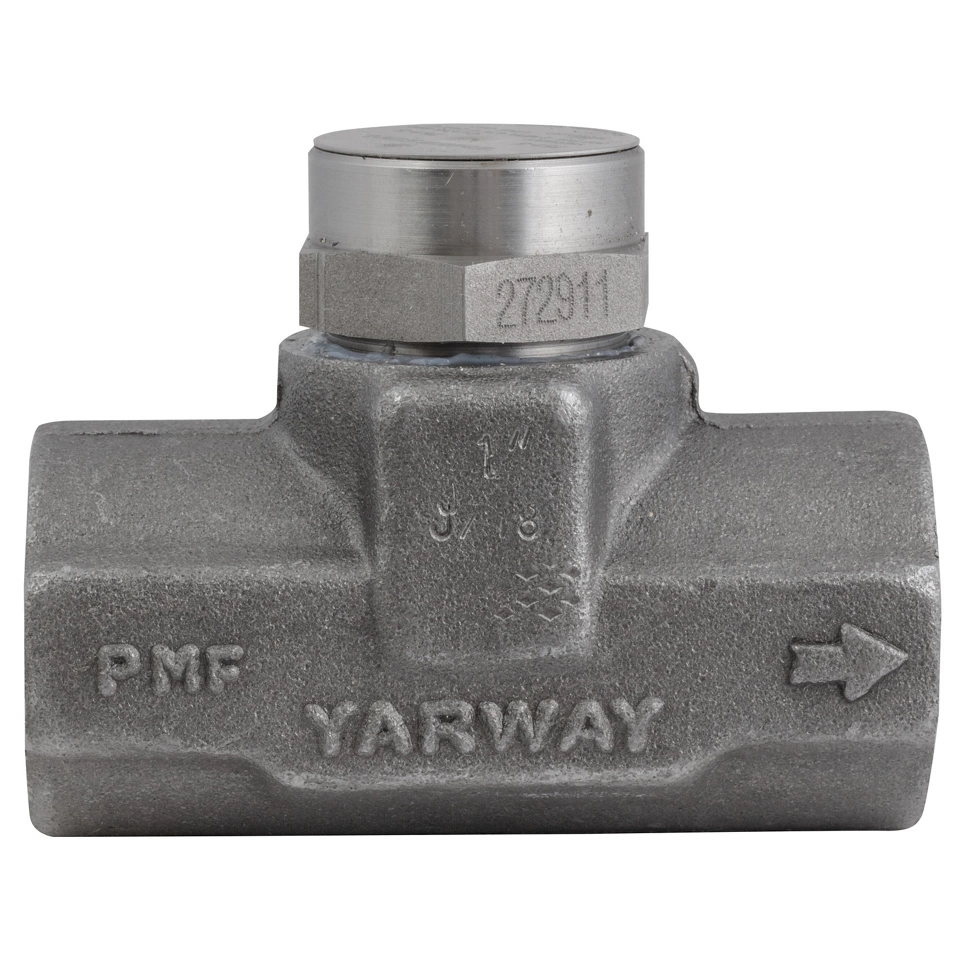
Steam traps are self-actuated valves used to release condensate and air from steam distribution systems without allowing the passage of steam. Due to a wide range of process requirements, steam traps come in a variety of technologies, each with their own advantages and trade-offs. Steam traps play a large role in optimizing plant efficiency and environmental emissions, increasing the criticality when sizing and selecting the ideal steam trap for each application.
Learn more about Steam Traps
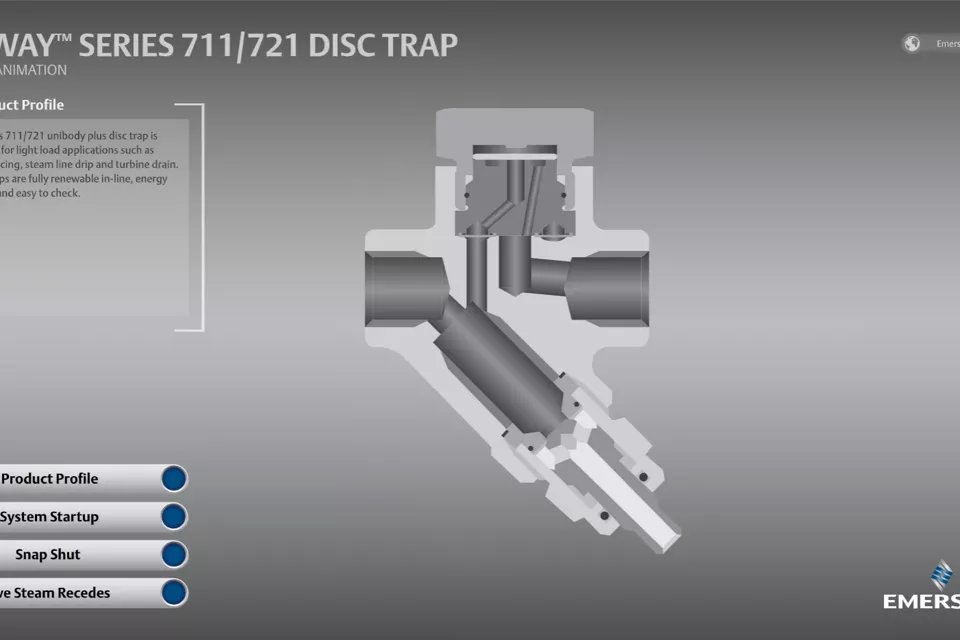
Steam Trap Animations
Steam traps, boiler trim valves, level gauges, and other reliable steam solutions.
Blogs by Emerson Experts

FAQs
Industrial steam traps can be divided into two major groups: (1) traps designed for draining process equipment such as tire presses, drying rolls, air heaters, and heat exchangers (often referred to as process traps); (2) traps designed for draining steam mains or tracing systems. The latter serve as a protection function and are sometimes referred to as protection traps. Protection services, such as steam main drips and tracer heating, are by a wide margin the most common trap application. They generally see very light condensate loads, often less than 50 pounds per hour. Process traps are generally designed for condensate loads of several hundred pounds per hour to several thousand pounds per hour.
The three types are:
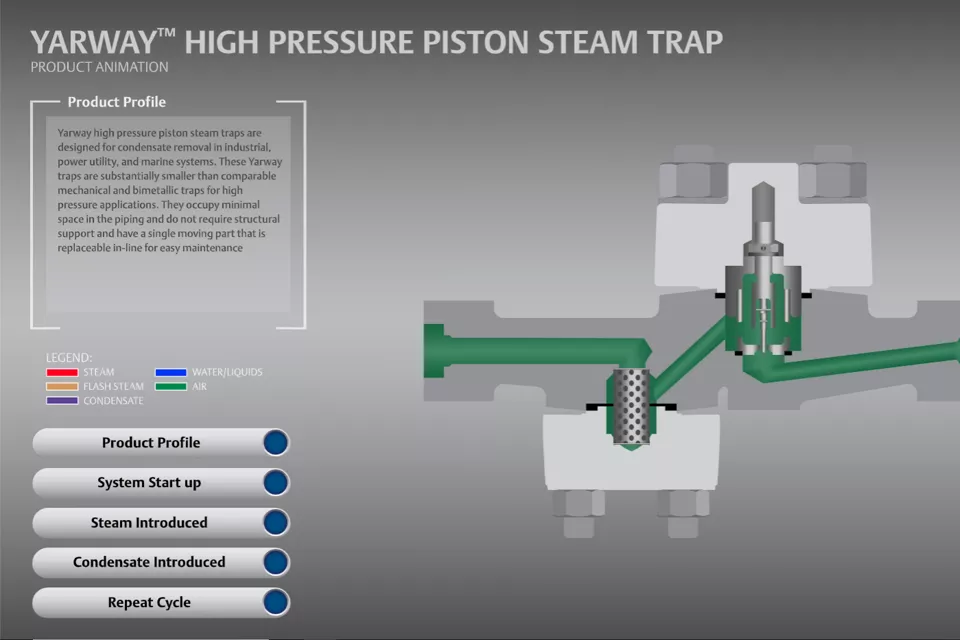
- Thermodynamic traps: traps that are actuated by the principles of thermodynamics and fluid dynamics.
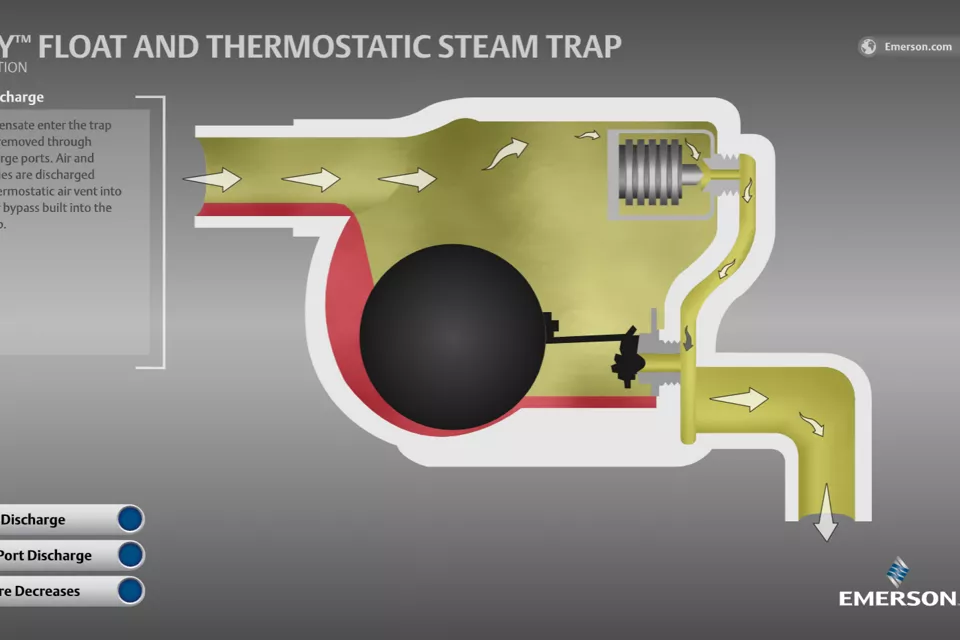
- Mechanical traps: traps that are actuated by a float, responding to changes in condensate level.
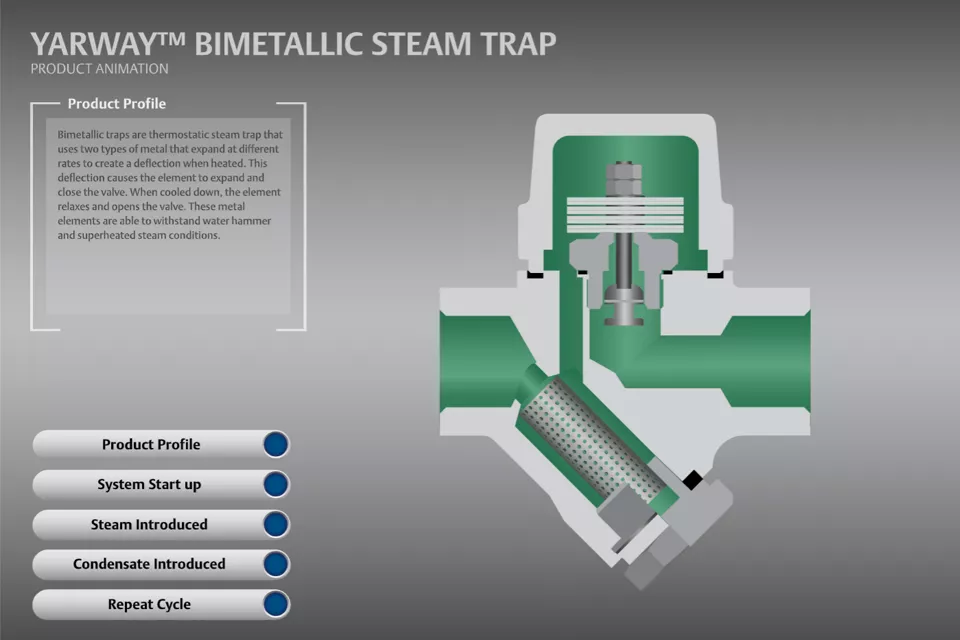
- Thermostatic traps: traps that are actuated by temperature-sensitive devices, responding to changes in condensate temperature.