



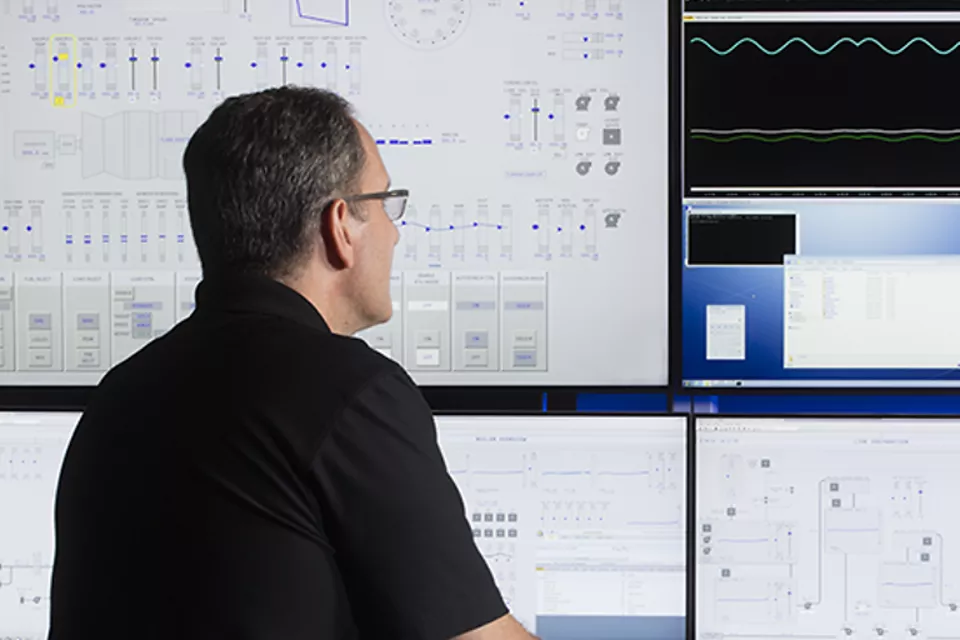
Enhancing Selective Catalytic System Performance
Achieve optimal NOx reduction with precise control strategies
Implementing advanced control systems and real-time monitoring tools enables precise management of ammonia injection and catalyst activity within SCR units. This approach ensures effective NOx reduction, minimizes ammonia slip, and extends catalyst life, leading to improved environmental
Accurate Measurement for Optimal Performance
Overwhelming a reactor with too much feedstock reduces effectiveness, so monitoring feedstock flows is critical to meeting quality standards and delivering on-spec, high-value chemicals. Having the right measurement and control strategy to measure material addition or feed flow, and to detect composition changes, enables operators to optimize conversion efficiency, and frees technicians to perform higher value-added work. Emerson’s measurement devices avoid errors that affect reaction rates and resulting off-spec product, which requires costly reprocessing.
Measuring Material Feed Additions
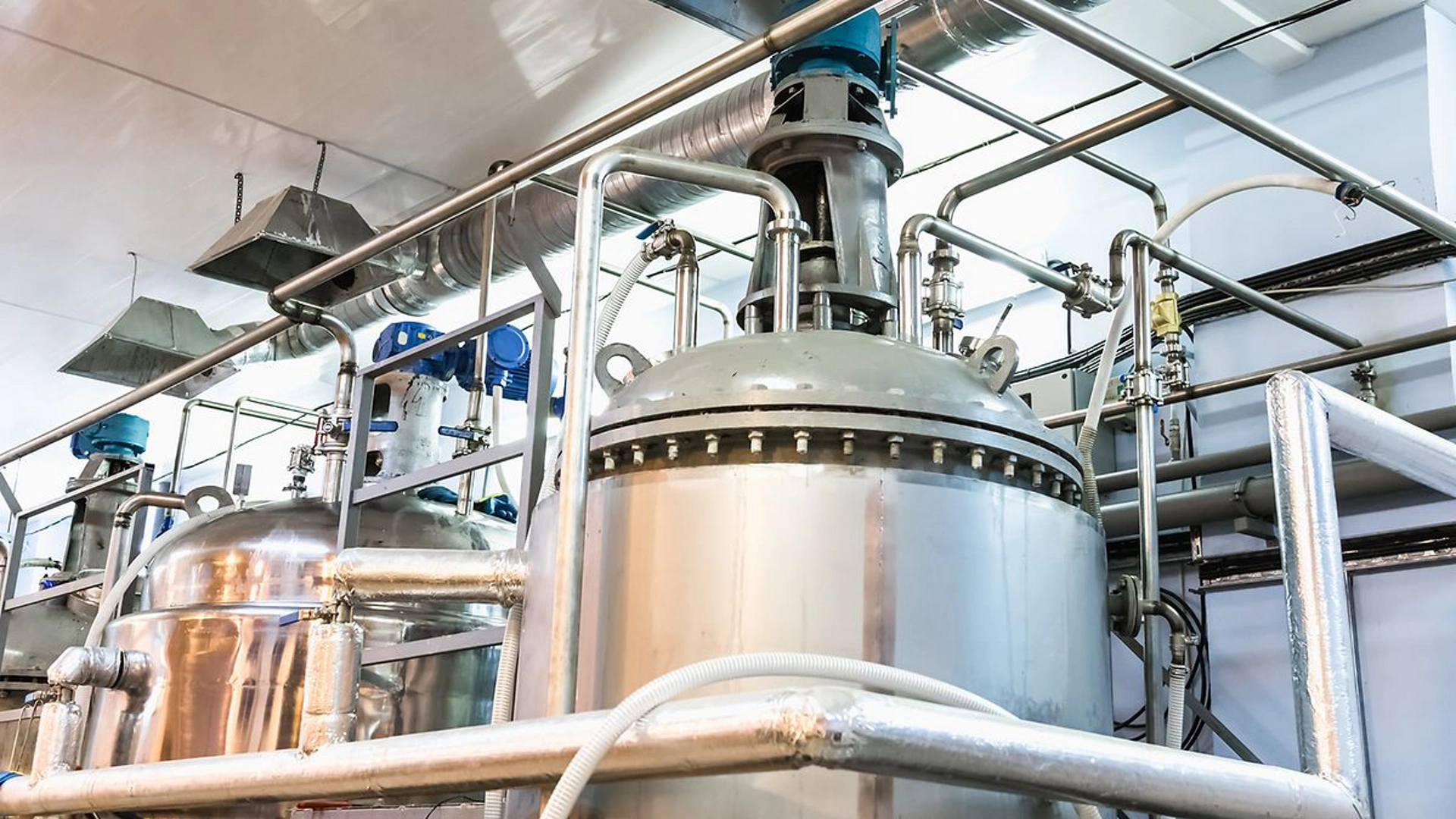
Overwhelming a reactor with too much feedstock reduces effectiveness, so monitoring feedstock flows is critical to meeting quality standards and delivering on-spec, high-value chemicals. Having the right measurement and control strategy to measure material addition or feed flow, and to detect composition changes, enables operators to optimize conversion efficiency, and frees technicians to perform higher value-added work. Emerson’s measurement devices avoid errors that affect reaction rates and resulting off-spec product, which requires costly reprocessing.
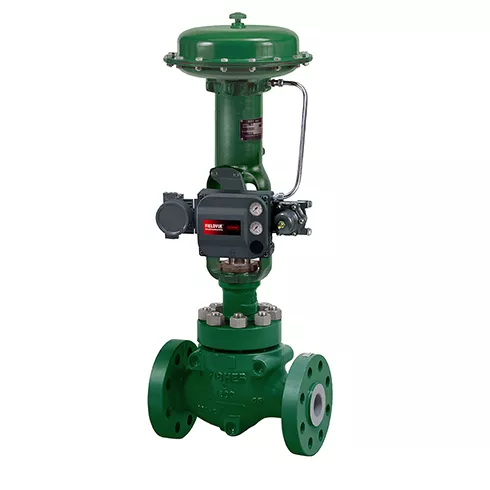
Fisher™ Control Valves
Deliver accurate flow control for ammonia injection systems.

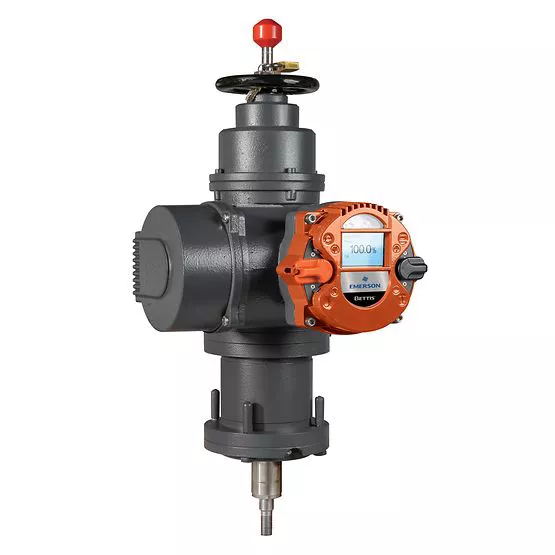
Bettis™ Electric Actuators
Provide reliable valve actuation for precise control.
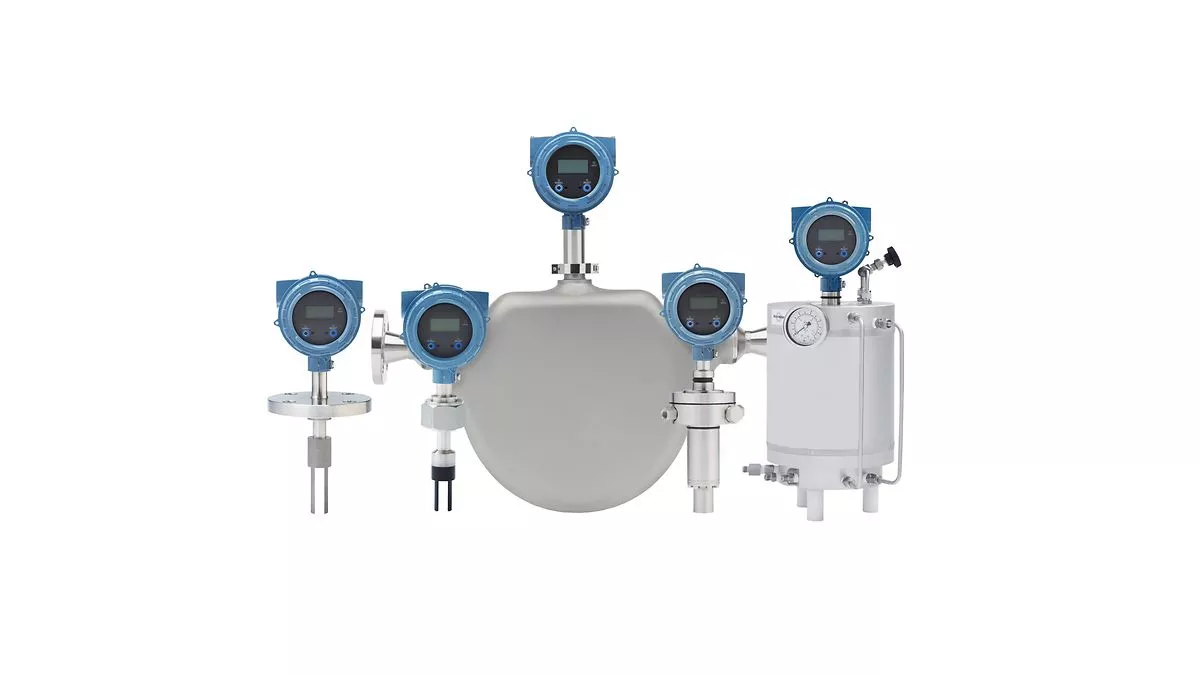
Micro Motion™ Density and Viscosity Meters
Offer real-time measurement of fluid properties to ensure correct ammonia concentration.
Maintain Optimal Reactor Temperatures

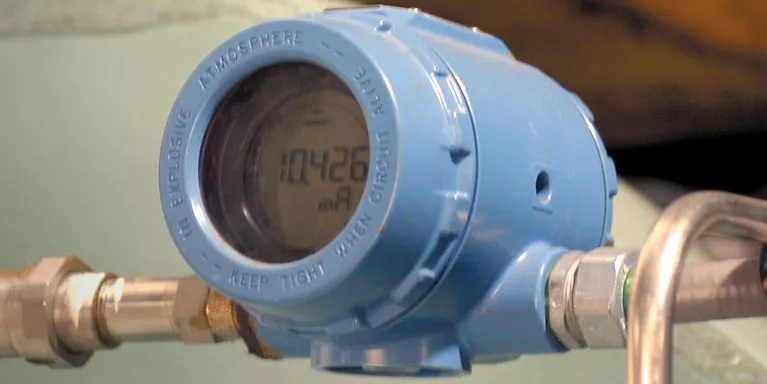
Temperature control is critical for repeatable on-spec production in both batch and continuous reactors. Emerson has a wide variety of temperature measurement solutions covering all manner of reactions. Accurate control is also a safety concern given the energy exchange in chemical reactions. For exothermic reactions, temperature spikes can lead to thermal runaway. For endothermic reactions, insufficient heat addition can cause the reaction to stall. Precise automated control ensures safe, productive, and efficient operations, whether it is switching from heating to cooling on a batch reactor, measuring heat input/takeaway, or controlling valves to run closer to temperature constraints.
Optimize SCR Reactor Performance
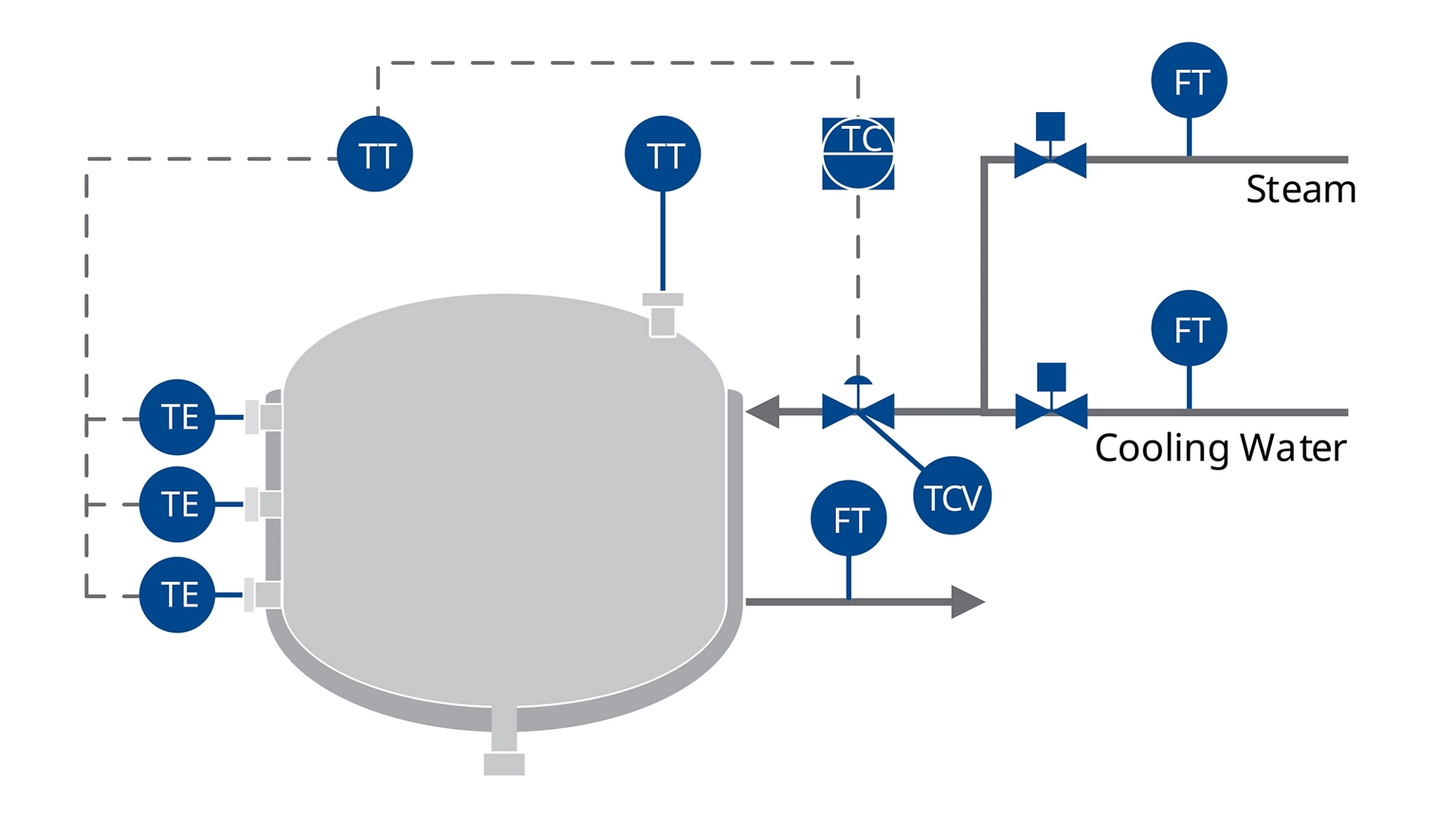
When reaction rates are unstable, operators must leave margin for spikes to avoid safety incidents. This keeps operators from running near the upper limit to maintain high production levels. Staying well below the high limit is costly, but reactors involve highly complex, multi-variable processes that make them difficult to operate manually at optimum conditions. Emerson’s measurement, data analysis, advanced control, and final control technologies enable you to accurately measure key reactor process variables, predict the best setpoint trajectory, and manipulate the process to maximize conversion efficiency and improve profitability by operating closer to constraints.
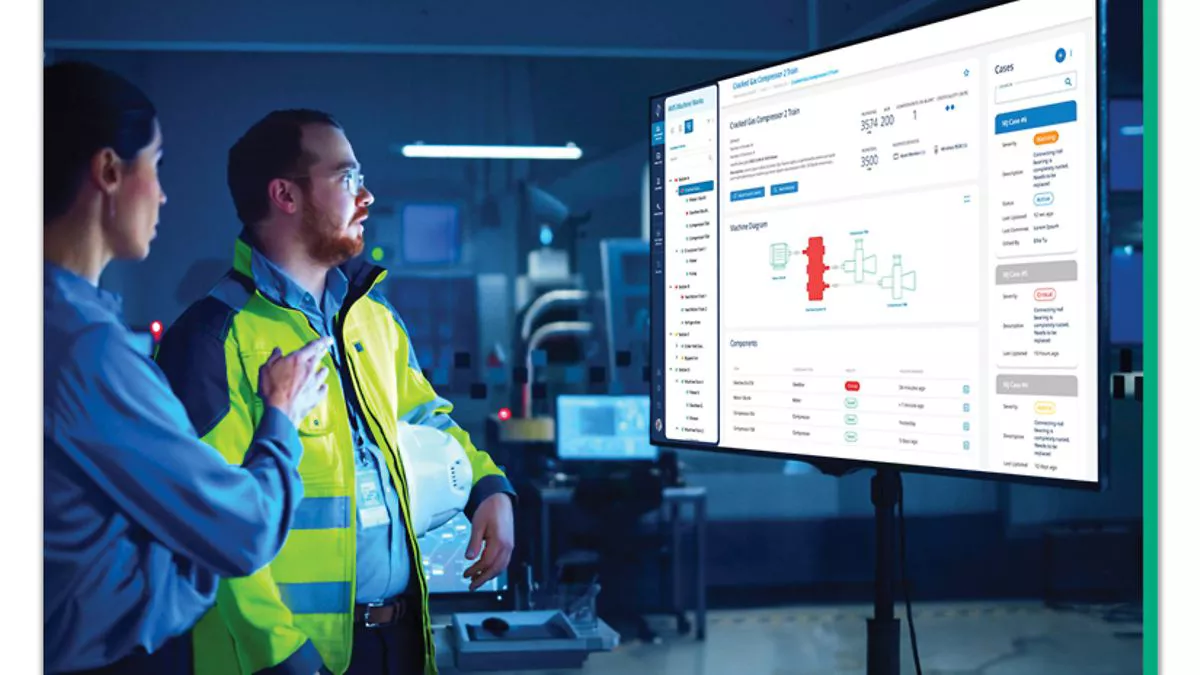
AMS™ Device Manager
Enhance control system performance through effective device management.
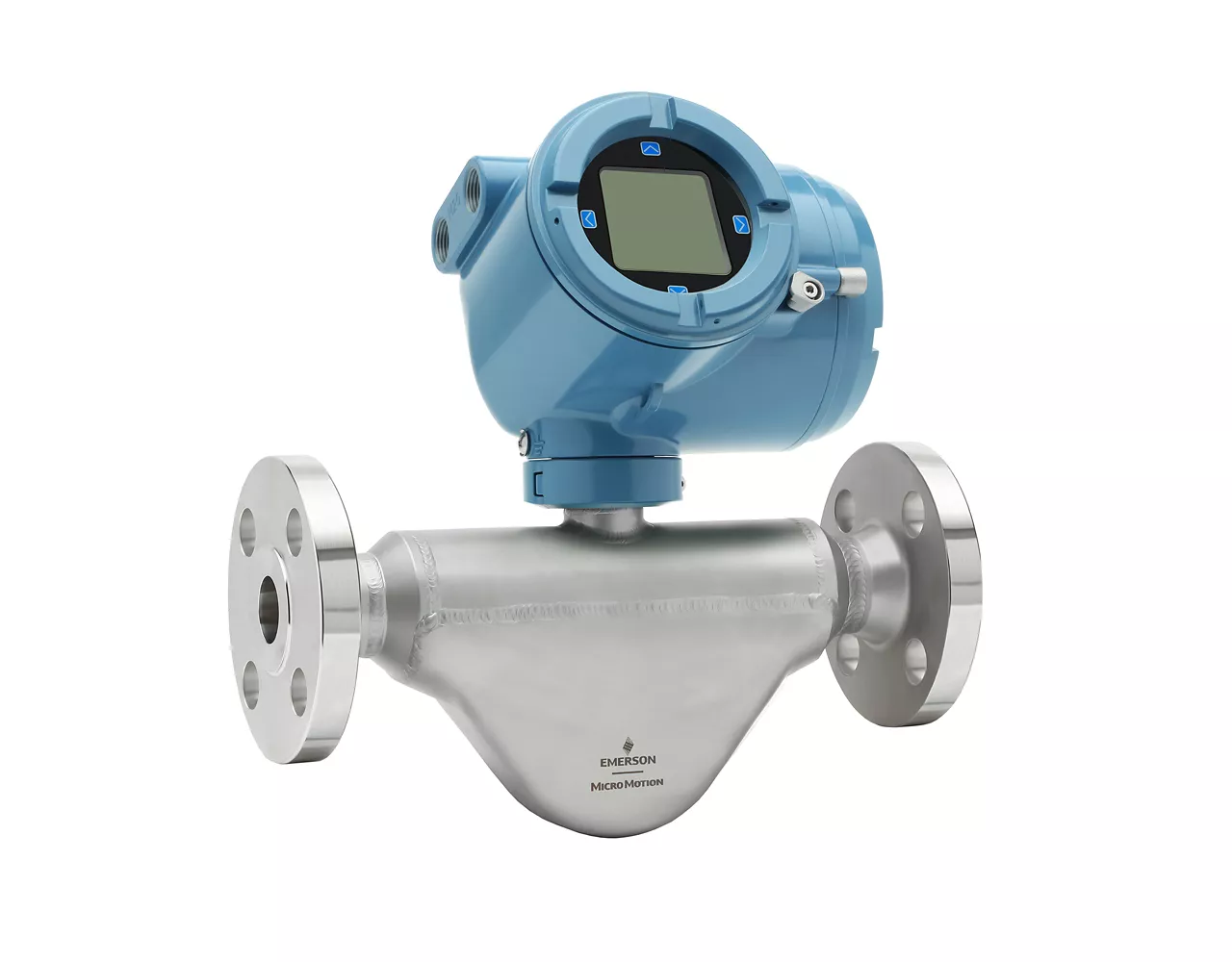
Micro Motion™ Density and Viscosity Meters
Provide critical measurements for process control optimization.
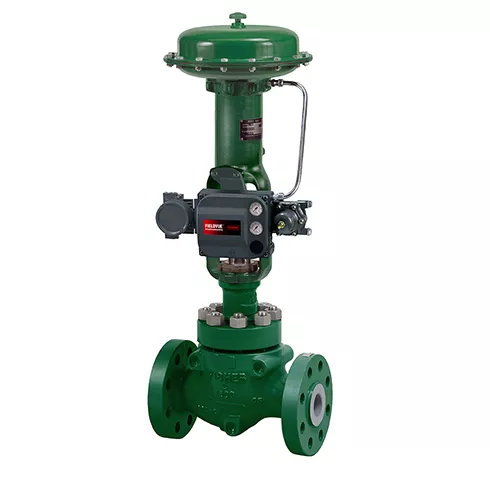
Fisher™ Control Valves
Ensure accurate control of process flows within the SCR system.
Ensure Effective NOx Conversion

Temperature and pressure excursions and feedstock impurities can disrupt reaction equilibrium and damage the catalyst. This type of damage can increase pressure-drop, which affects flow through the reactor and can reduce the amount of feed converted into product. Emerson’s process control strategies, combined with effective instrumentation, analyze reaction conditions using advanced process control, detecting process upsets early and taking timely actions to maximize conversion efficiency and extend catalyst life.
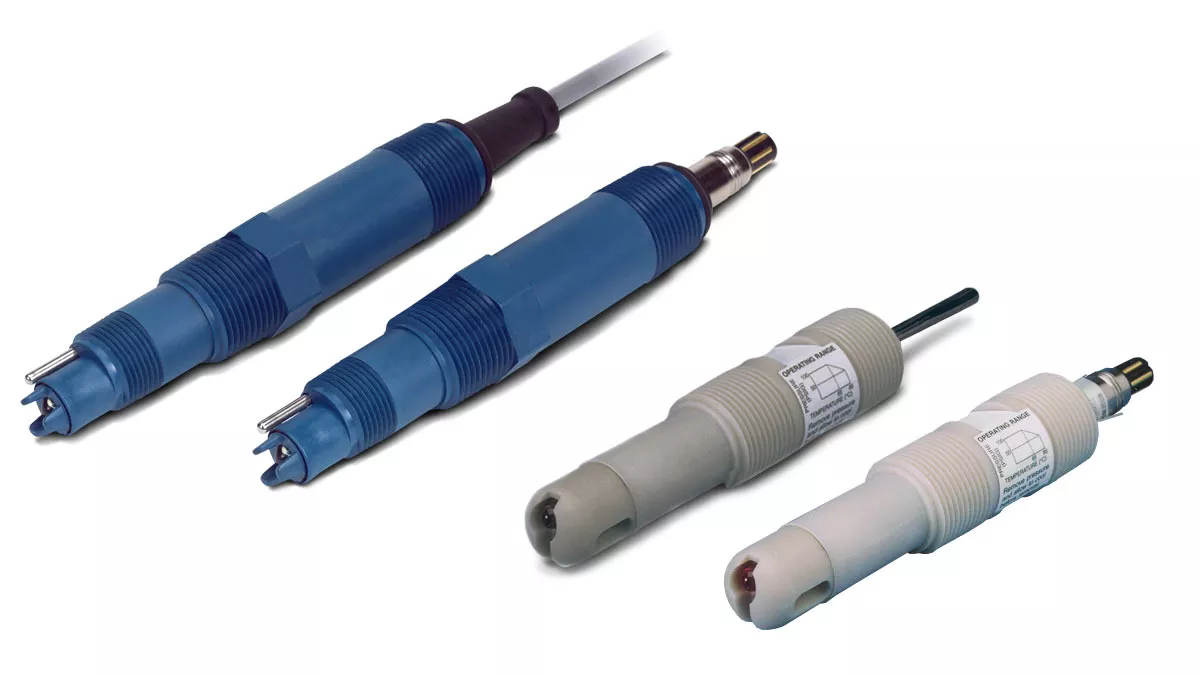
Rosemount™ pH Sensors and Analyzers
Measure pH levels to assess catalyst condition and performance.
Micro Motion™ Density and Viscosity Meters
Provide insights into process fluid properties affecting catalyst efficiency.

AMS™ Device Manager
Facilitate proactive maintenance of catalyst monitoring instruments.
Protect Personnel and the Environment

Process upsets and excess feedstock variability can lead to environmental and safety hazards that put property and personnel at risk. Automated procedural control ensures proper operations during startups, shutdowns, product changes, and other abnormal conditions. The correct process measurements, with conditional interlocking strategies, help operators detect abnormal situations early, and with partial stroke testing, safety system evaluators can verify emergency shutdown valves without disrupting the process.
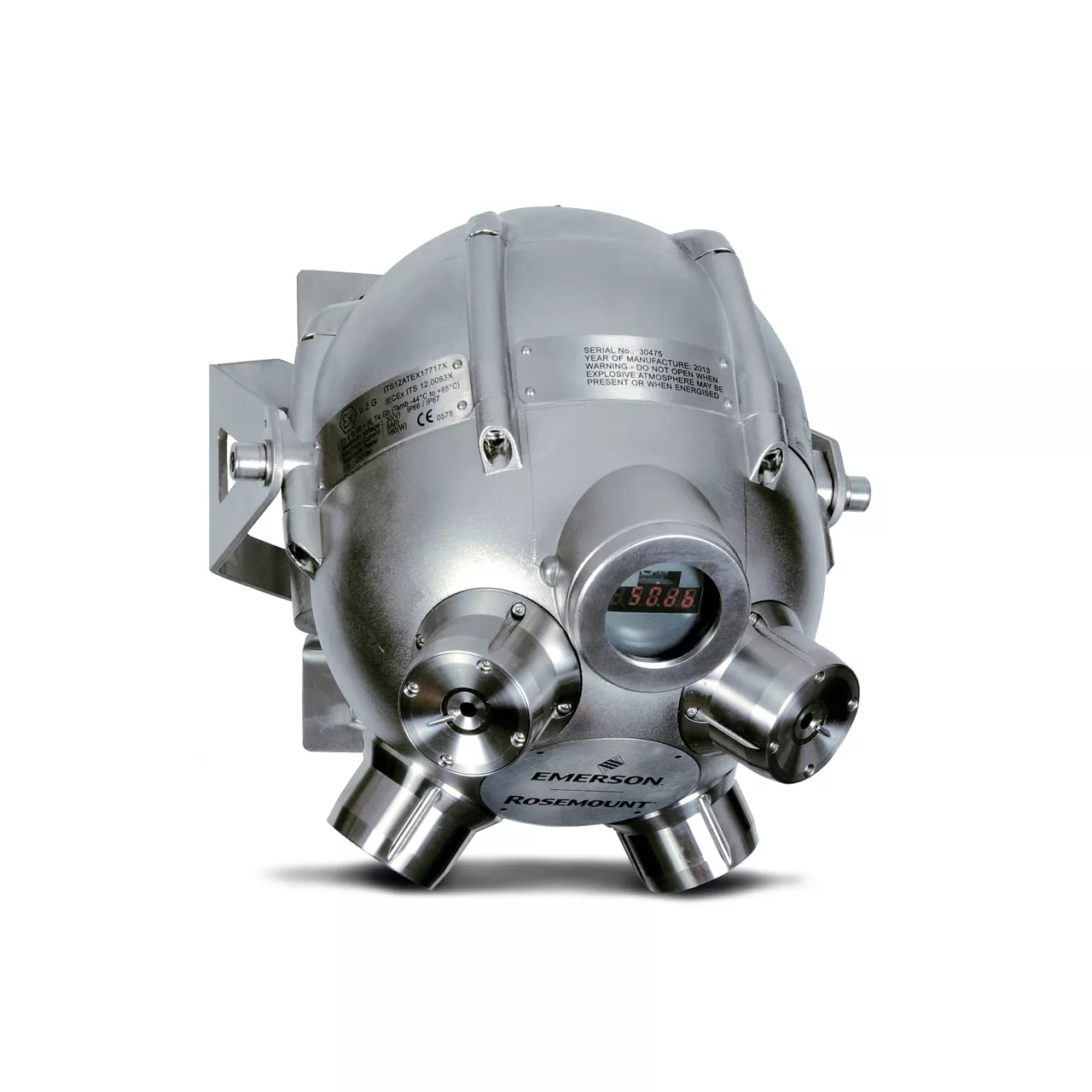
Rosemount™ Incus Ultrasonic Gas Leak Detector
Detect gas leaks promptly to prevent hazardous situations.
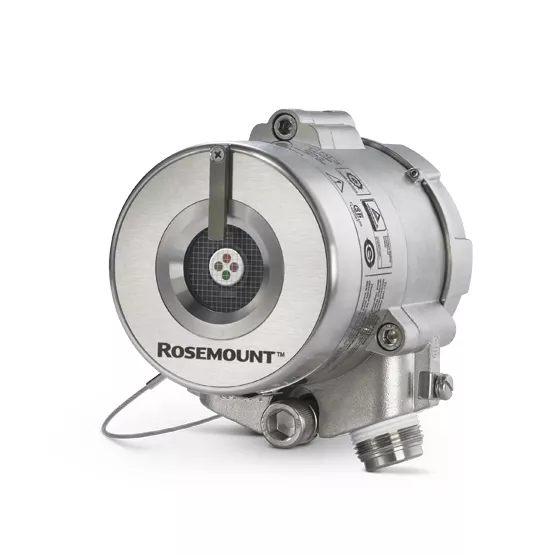
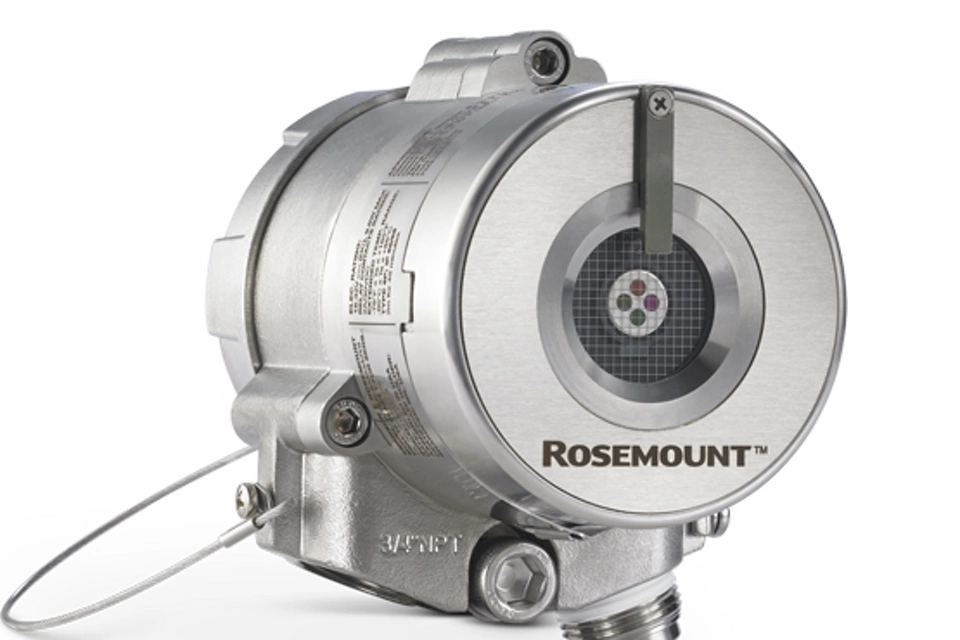
Rosemount™ Flame Detectors
Provide precise control of dampers and valves for temperature regulation.
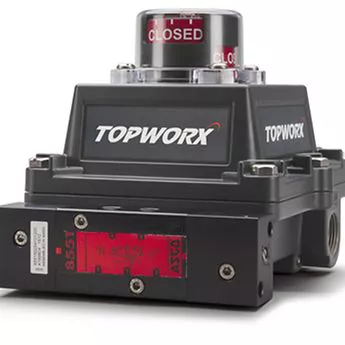
TopWorx™ ESD Valve Controllers
Enable emergency shutdown capabilities for critical valves.
Business Groups in SCR
Reducing NOx emissions efficiently requires a collaborative approach across technologies. Our business groups provide the advanced systems, intelligent devices, final control solutions, and testing tools needed to optimize selective catalytic reduction (SCR) systems. Explore how each group contributes to more sustainable, compliant operations.
Measurement Instrumentation
Solution-Related Documents for SCR
Explore a range of case studies, technical documents, and solution summaries related to selective catalytic reduction. These resources showcase how Emerson supports more effective system performance, improved reliability, and better alignment with environmental and operational goals.

Frequently Asked Questions (FAQs)
Learn more about how SCR systems reduce NOₓ emissions, what factors influence catalyst performance, and how to optimize reagent injection. Discover how Emerson solutions support compliance, reliability, and efficiency in emissions control applications.
The performance of a catalytic reactor is influenced by several key factors. Catalyst activity and selectivity are crucial, as they determine the catalyst's ability to facilitate the desired reaction and produce the desired products. Catalyst deactivation over time can impact performance, and factors such as reaction temperature and pressure affect the reaction rate and selectivity. Residence time, feed composition, and mass and heat transfer efficiency also play significant roles. Reactor design, catalyst preparation, and regeneration techniques influence performance, and understanding the specific reaction kinetics is essential. Considering and optimizing these factors are important for achieving efficient and effective catalytic reactor operation.
Safety considerations associated with catalytic reactors are crucial to prevent accidents and protect personnel and the environment. These considerations include proper handling of toxic or reactive catalysts, preventing flammability and explosiveness, managing high temperatures and pressures, ensuring material compatibility, implementing proper ventilation and gas monitoring, addressing catalyst deactivation and regeneration, establishing emergency response procedures, utilizing process control and automation, and providing adequate training and awareness. Compliance with regulations and industry best practices is essential for maintaining a safe operating environment.
Some reactors require a constant feed of catalyst to the reactor. If catalyst feed to a reactor is not carefully controlled, the process can experience increased safety risks, off-spec product, and poor utilization. But it’s a difficult thing to control: too little catalyst and the reaction doesn’t occur, but for exothermic reactions, too much can cause a temperature spike and create a safety issue. Both cases result in an unplanned shutdown and lost production. Using Emerson’s Coriolis mass flow meters with concentration measurement capability on the reactor infeed line ensures efficient reactor performance. The concentration capability uses inline density and temperature data to calculate real-time concentration of the catalyst in the feed.
In chemical engineering, various reactor types are employed depending on the reaction specifics and operational requirements. These include batch reactors, operating as a closed system where the reaction happens over time with no inflow or outflow of substances. continuous stirred-tank reactors (CSTR) and plug flow reactors (PFR) are open systems where reactants and products flow continuously, with the former involving immediate mixing of inputs and the latter having a “plug” flow mechanism. Semi-batch reactors combine features of both batch and continuous systems, allowing either continuous inflow of reactants or outflow of products. Packed bed reactors (PBR) and fluidized bed reactors involve solid catalyst particles to enhance reaction rates, with PBRs having reactants flow over packed catalysts and fluidized bed reactors suspending catalysts in a fluid. Membrane Reactors allow simultaneous reaction and separation of products, while photochemical reactors enable reactions using light energy.