

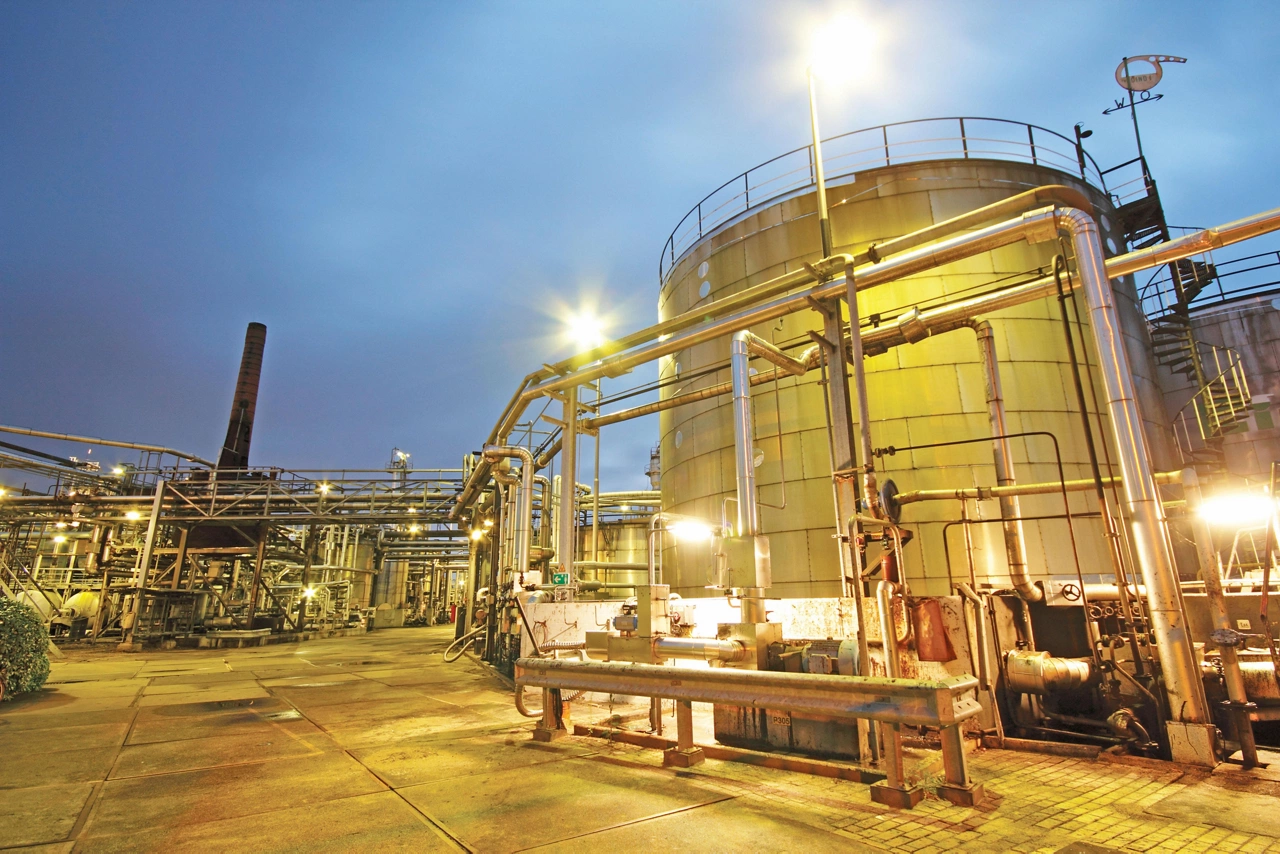
Maximum flow. Minimum pressure drop.
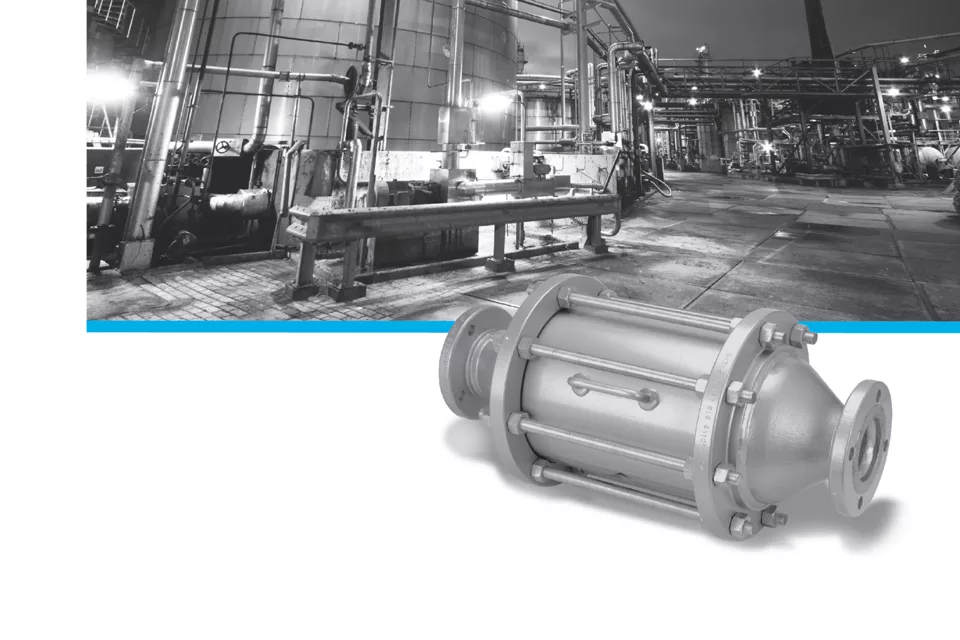
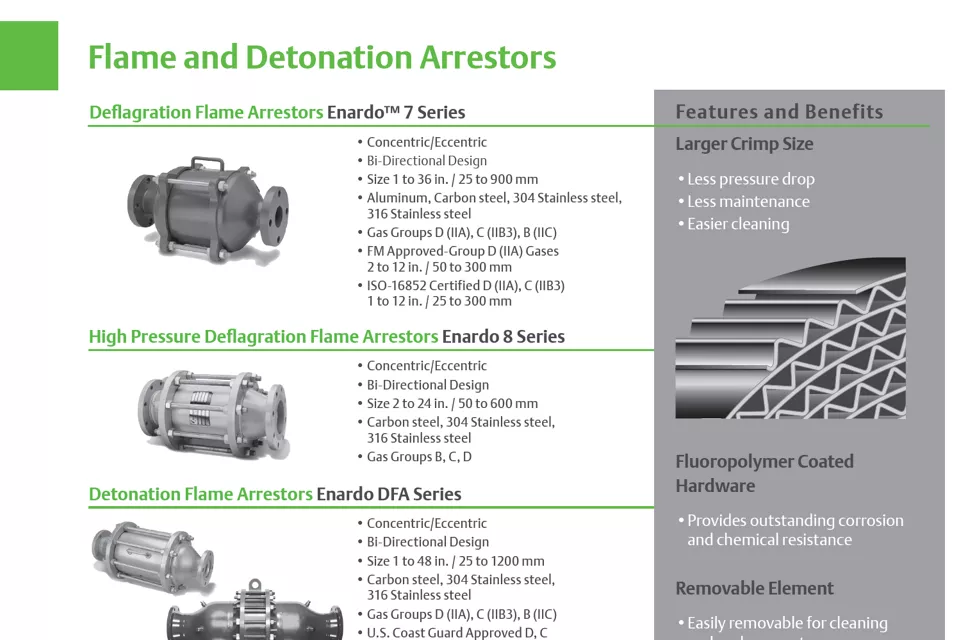
Emerson offers a wide variety of flame and detonation arrestor products with maximum flow to pressure drop characteristics. Our portfolio includes in-line, free vent, deflagration and detonation flame arrestors. Enardo™ flame arrestors use spiral wound, crimped-metal ribbon flame cell elements to inhibit flame propagation by absorbing and dissipating heat. Connection sizes range from 3/4 inch up to 36 inches.
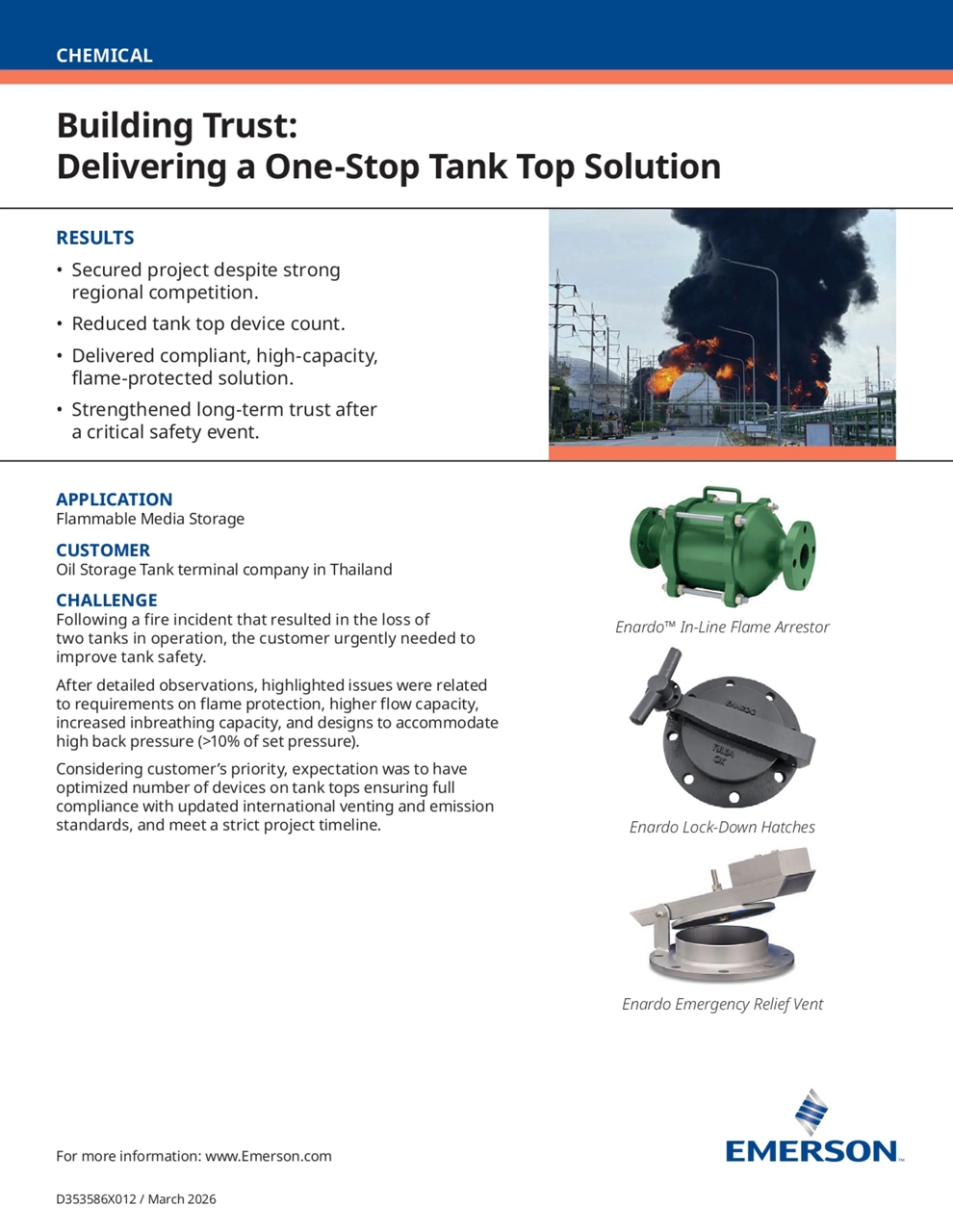
Flame Arrester Solutions
End of Line Flame Arrestors
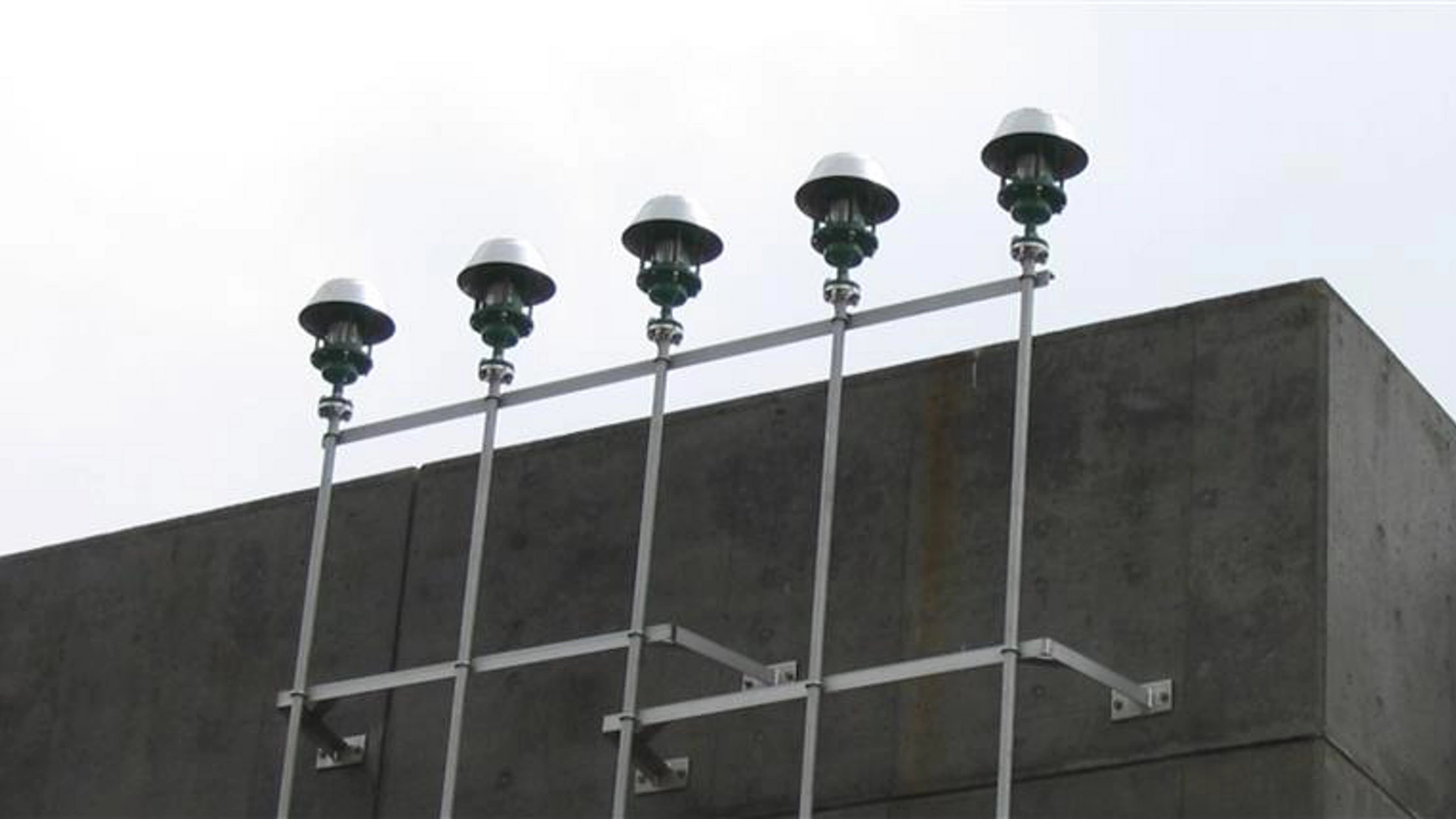
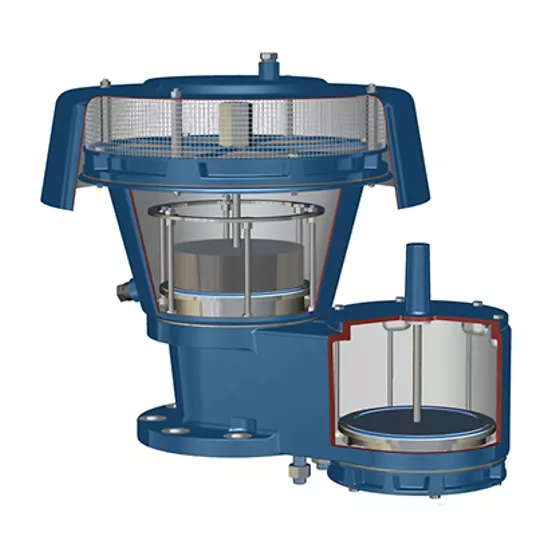
End-of-line flame arrestors, also called vent-to-atmosphere types, prevent external flames from entering tanks or enclosures. They use a single crimped metal ribbon element to cool and quench flames in unconfined, atmospheric conditions, protecting storage tanks and vents from ignition sources like lightning.
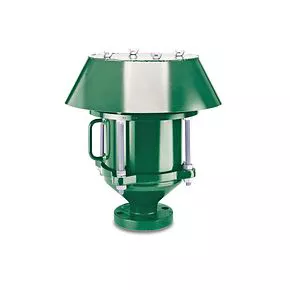
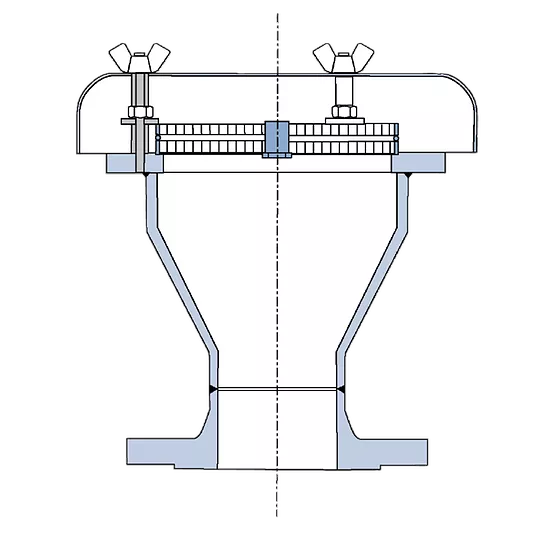
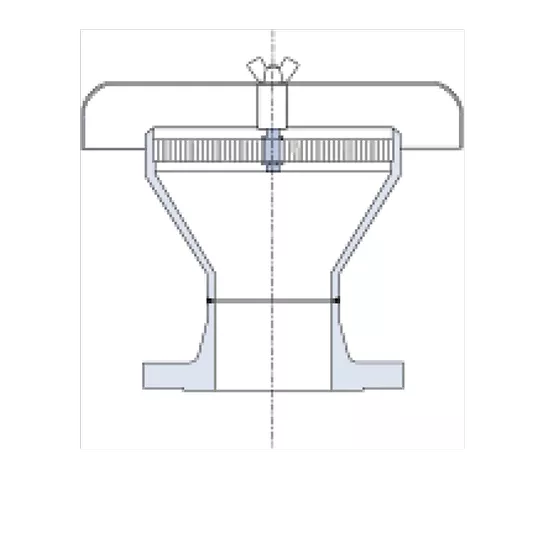
In-Line Deflagration Flame Arrestors
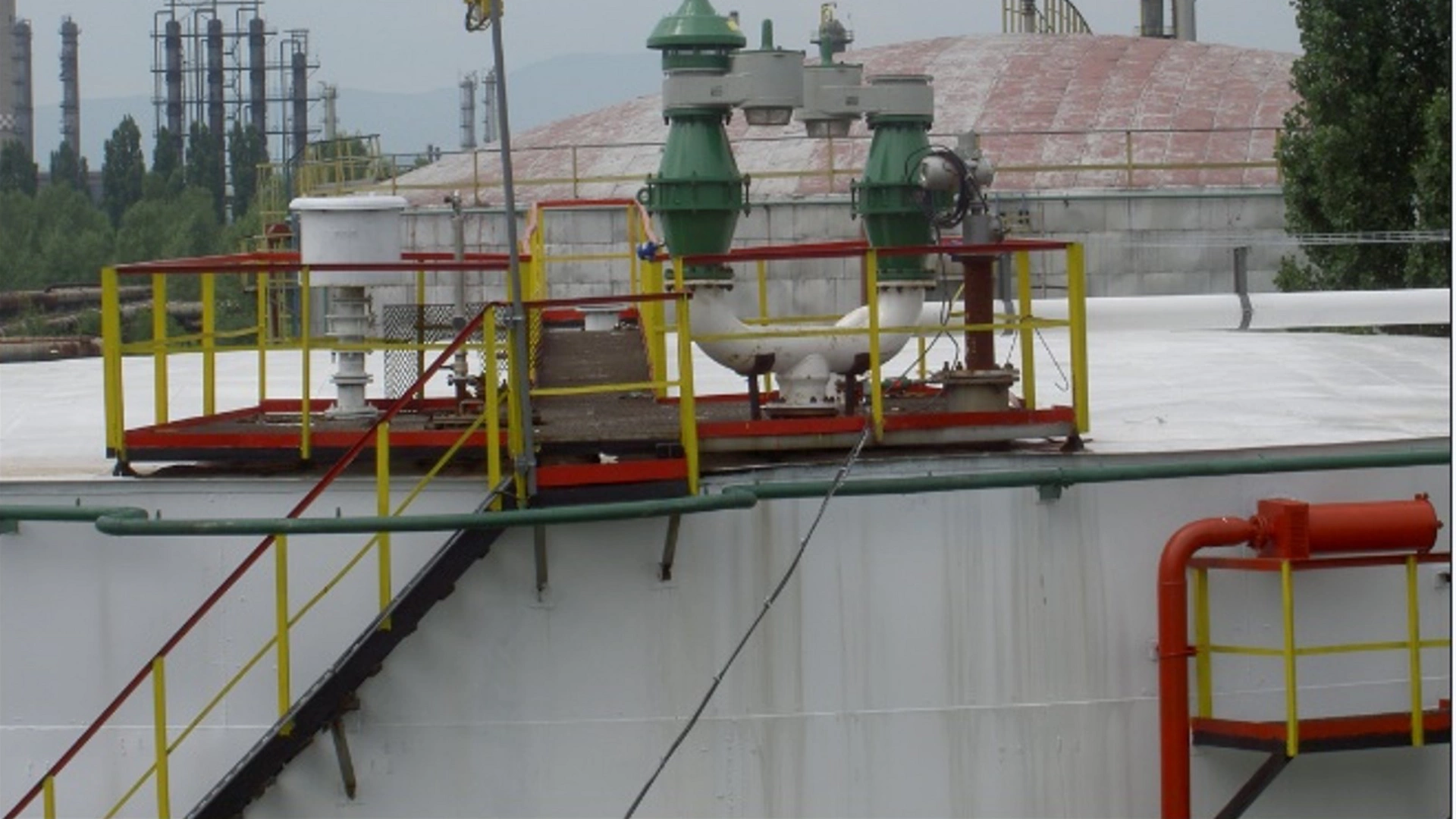
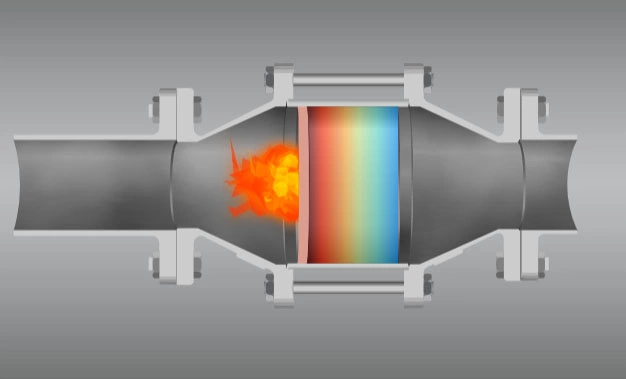
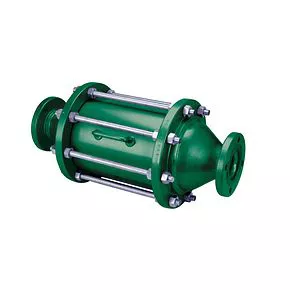
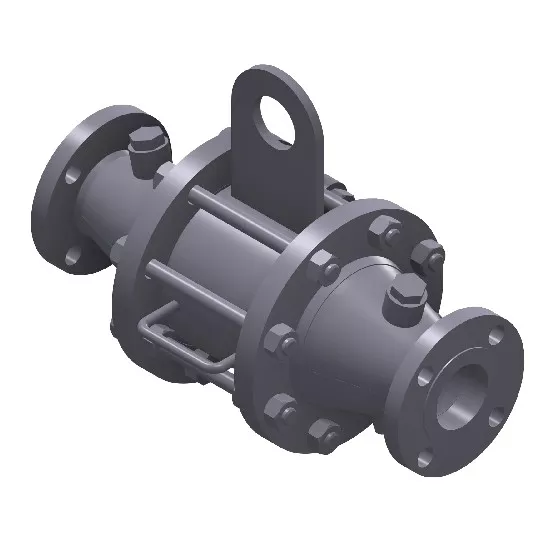
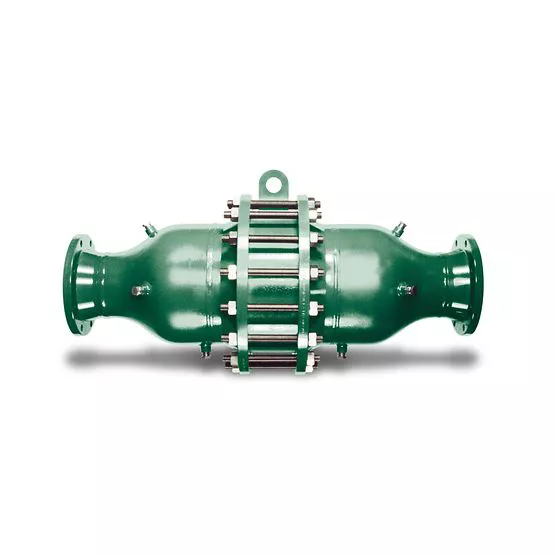
In-line deflagration flame arrestors are designed for confined flame propagation inside pipes, stopping rapid burning flames (deflagrations). They absorb intense heat and withstand higher pressures to prevent flashbacks in vapor control systems and piping.
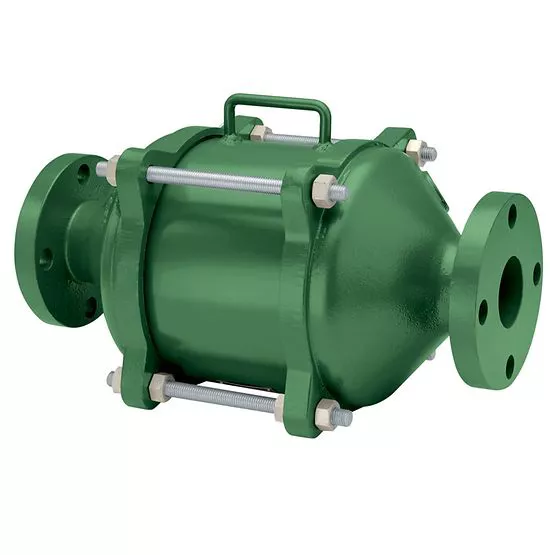
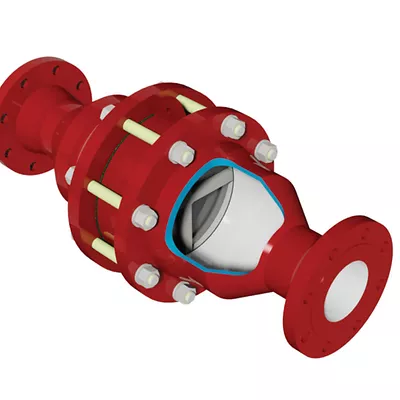
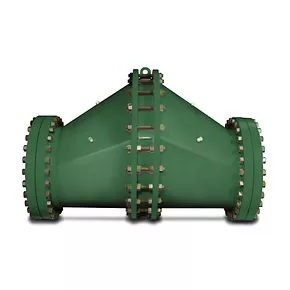
Detonation Flame Arrestors
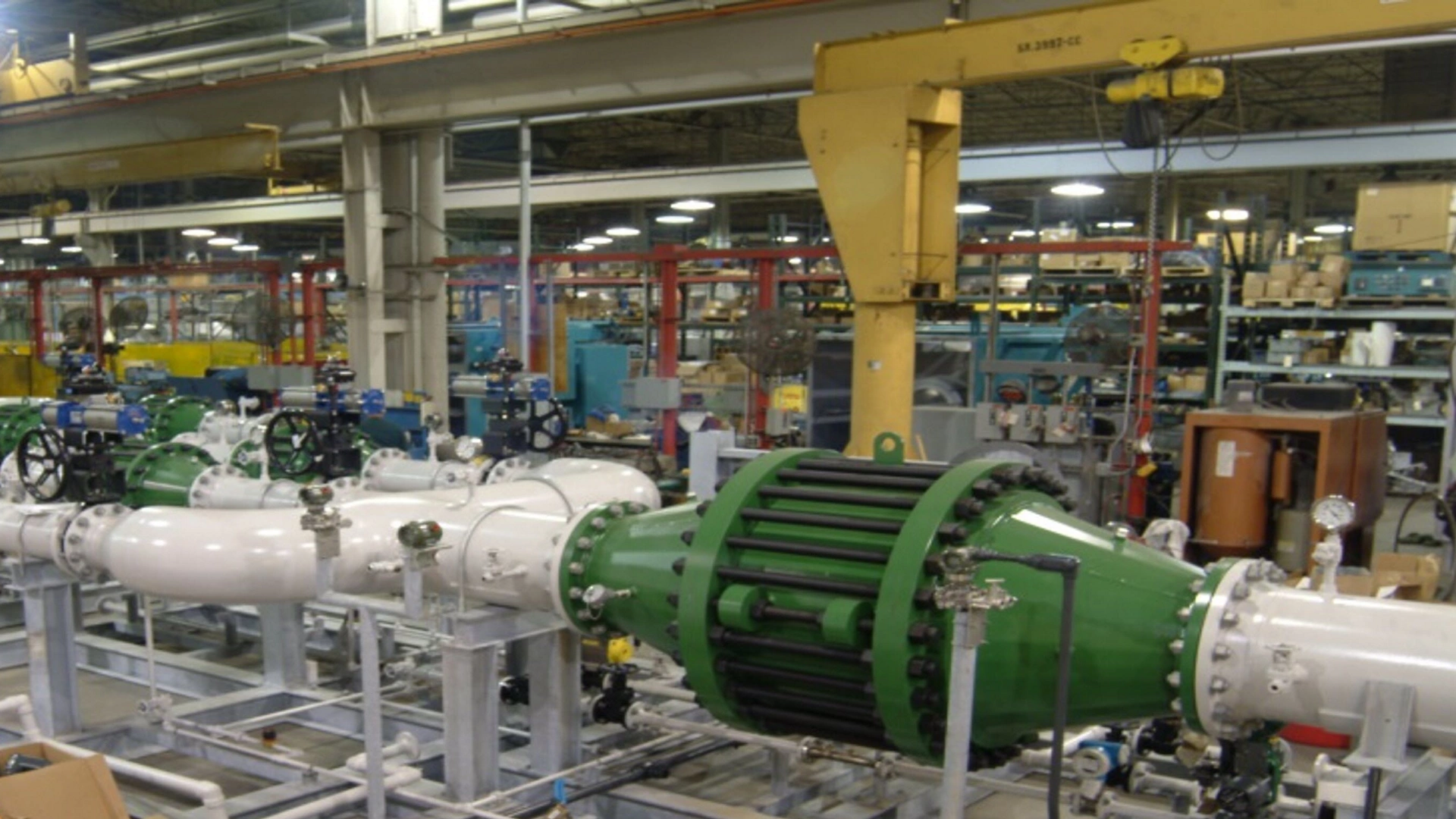
Detonation flame arrestors are engineered to stop the most severe flame conditions—detonations—where flames travel at or above the speed of sound with shock waves. These robust devices meet stringent standards, withstand extreme pressures, & provide ultimate protection in high-risk confined piping systems.
Pressure Vacuum Relief Valve / Flame Arrester Combination
Featured Product
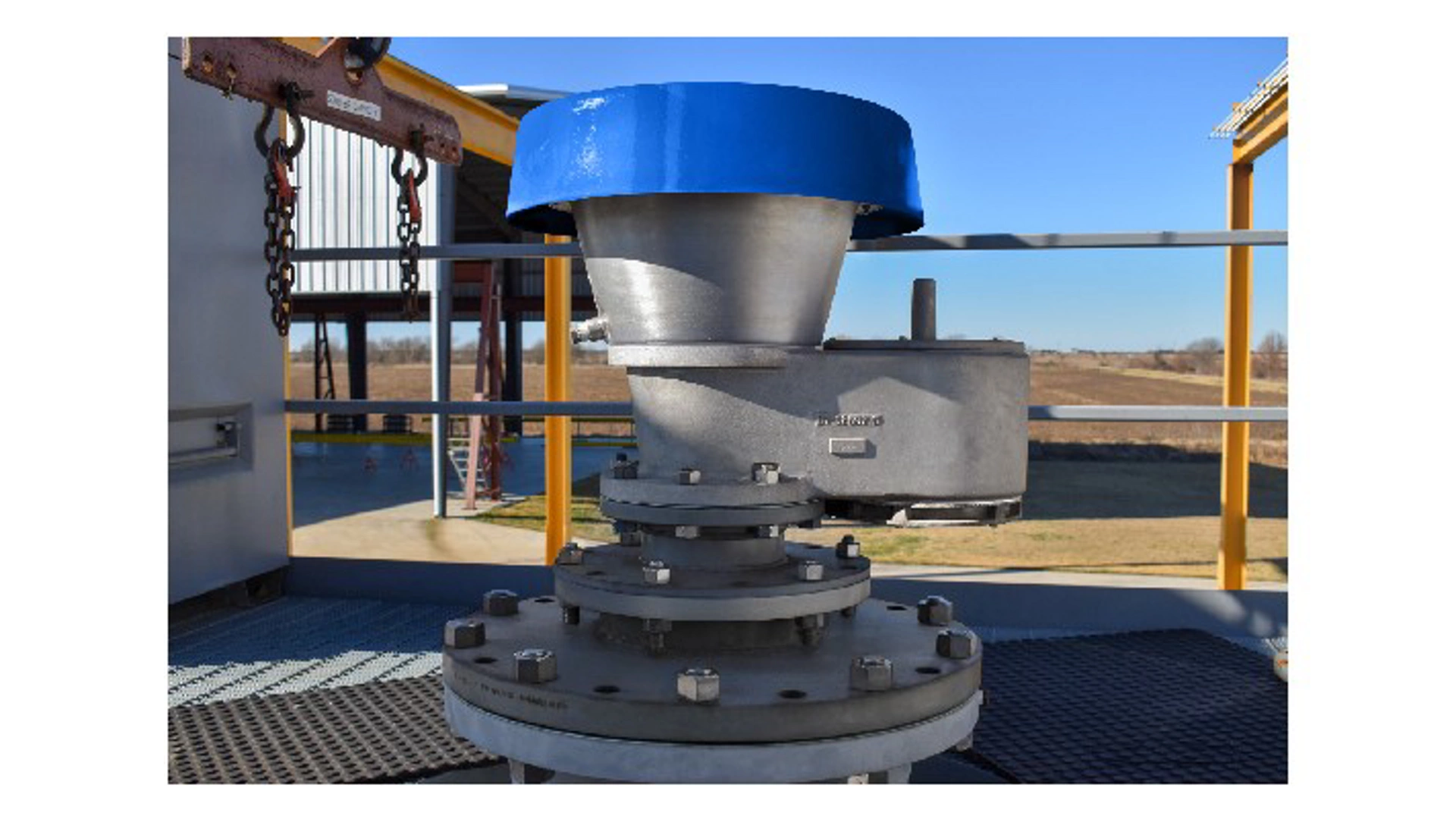
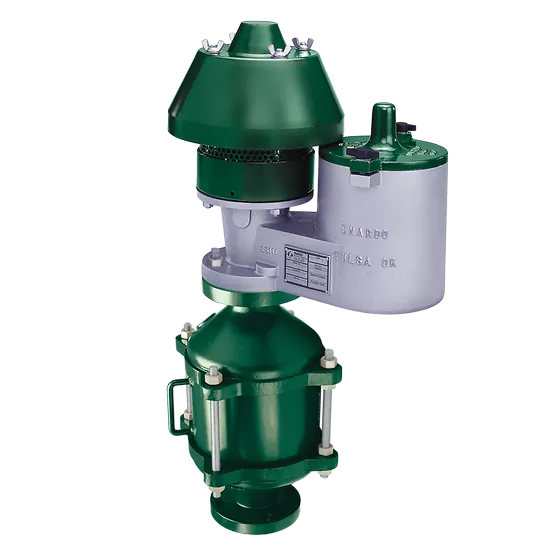
The Anderson Greenwood™ 5910C is a combined pressure vacuum relief valve and flame arrestor designed to protect storage tanks. It safely vents vapors while preventing flame propagation, using advanced flame arrestor technology that quenches flames by dissipating heat through narrow metal passages. Ideal for hazardous gas environments, it ensures reliable, passive safety without moving parts.
Flame and Detonation Arrestor Tools & Documents

Learn from the Experts


About Flame Protection
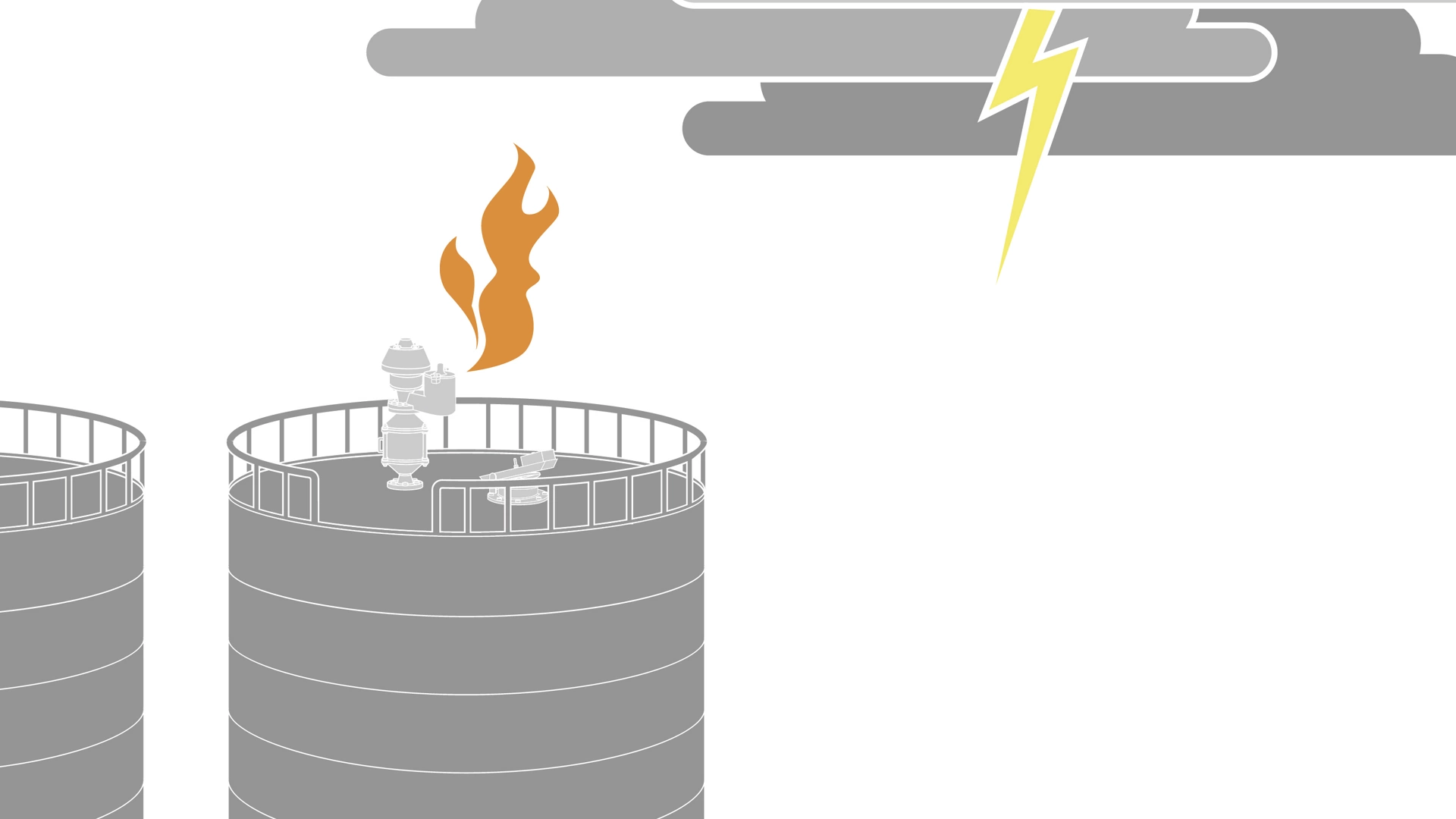
Unconfined flames are end-of-line applications that are not restricted by a physical barrier such as a pipe. Since they are not restricted, they propagate slower (below the speed of sound). Still, they require protection so that a flame is prevented from moving into a tank and igniting.

The heat and pressure energy of a confined flame is not relieved as readily as that of an unconfined flame. This makes a tremendous difference in how the flame propagates, and what kind of flame arrestor is required to stop it.
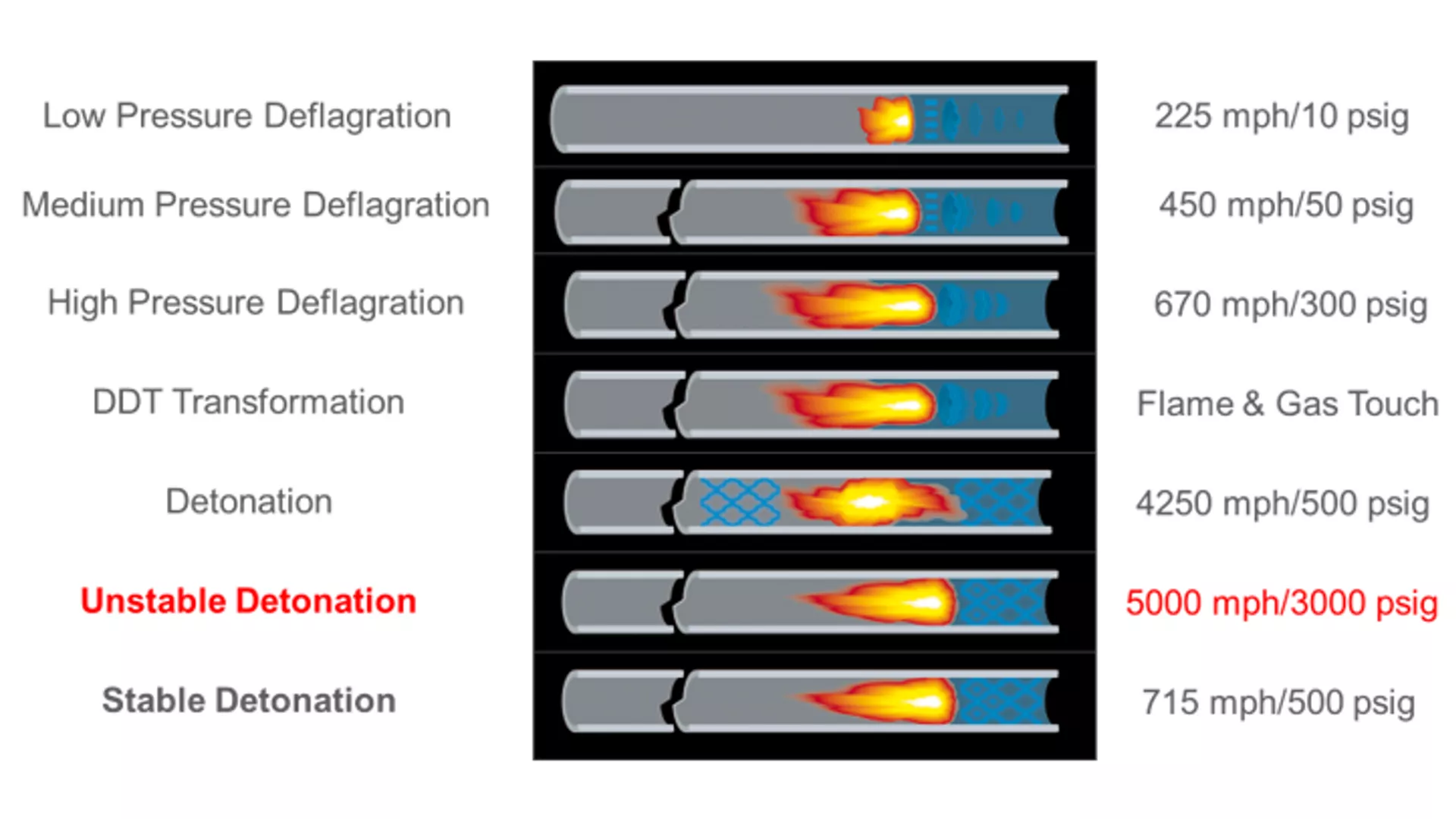
Selection of an appropriate in-line flame arrestor for confined applications depends on how intense the flame in a pipe is expected to be, in terms of velocity and pressure.There are 7 distinct phases which a flame may reach if the pipe is long enough and the combustion is fast and energetic enough.
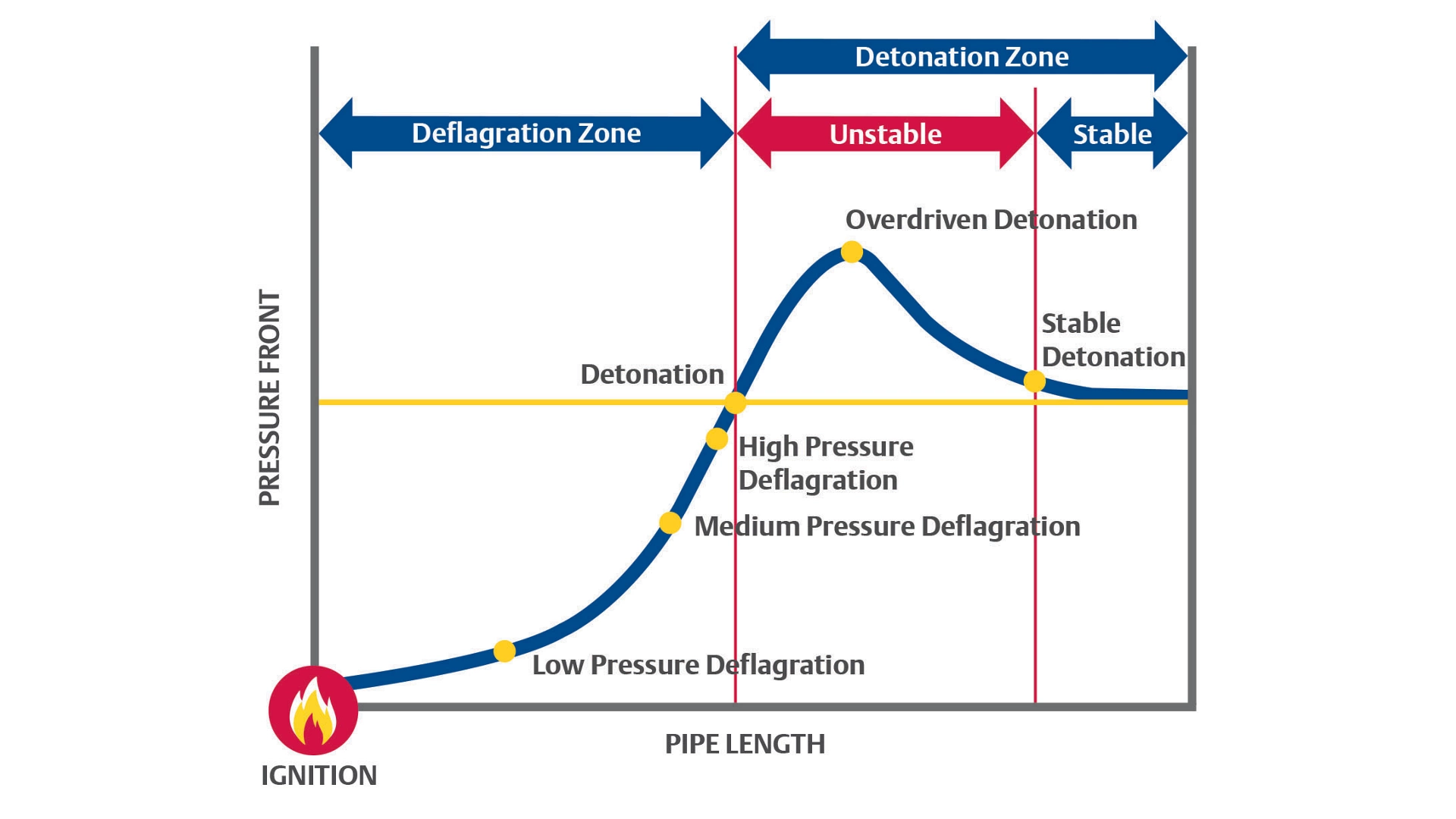
Once a detonation occurs in a piping system, it must always go through an overdriven (or “unstable”) condition before it becomes stable. The state of detonation is often unpredictable and therefore detonation flame arrestors designed for unstable detonations are safest to specify.