



From Crude Oil to End-User, Every Stage Optimized.
In refining, petrochemical manufacturing, and gas distribution, the difference between profit and loss is measured in process efficiency, product yield, and unplanned downtime. Emerson delivers the automation, control, and measurement technologies that keep downstream facilities running at peak performance — optimizing catalytic cracking, maintaining high-purity chemical specifications, and ensuring safe, precise pressure regulation across natural gas distribution networks.
Refining & Petrochemical
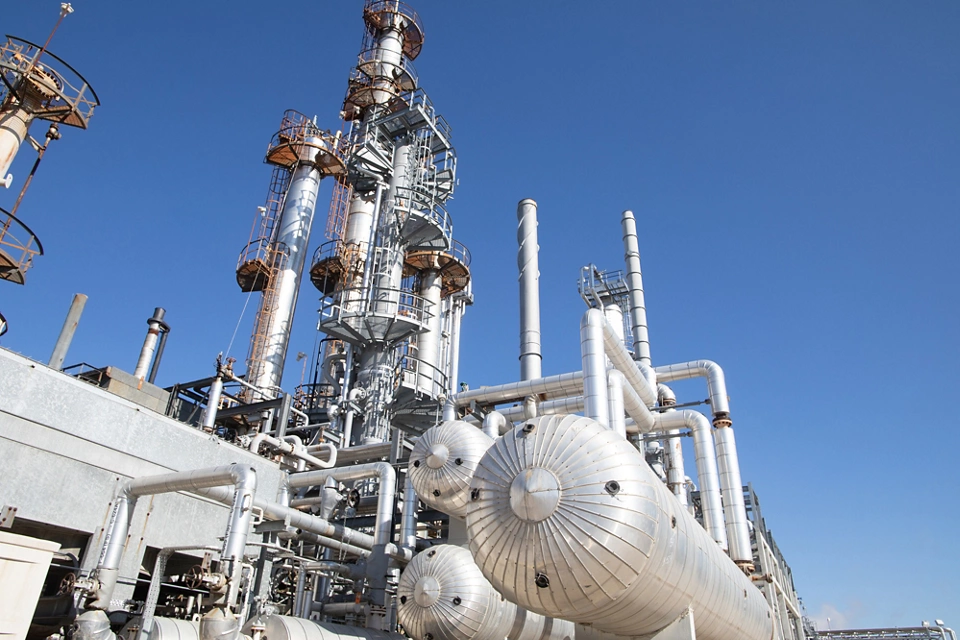
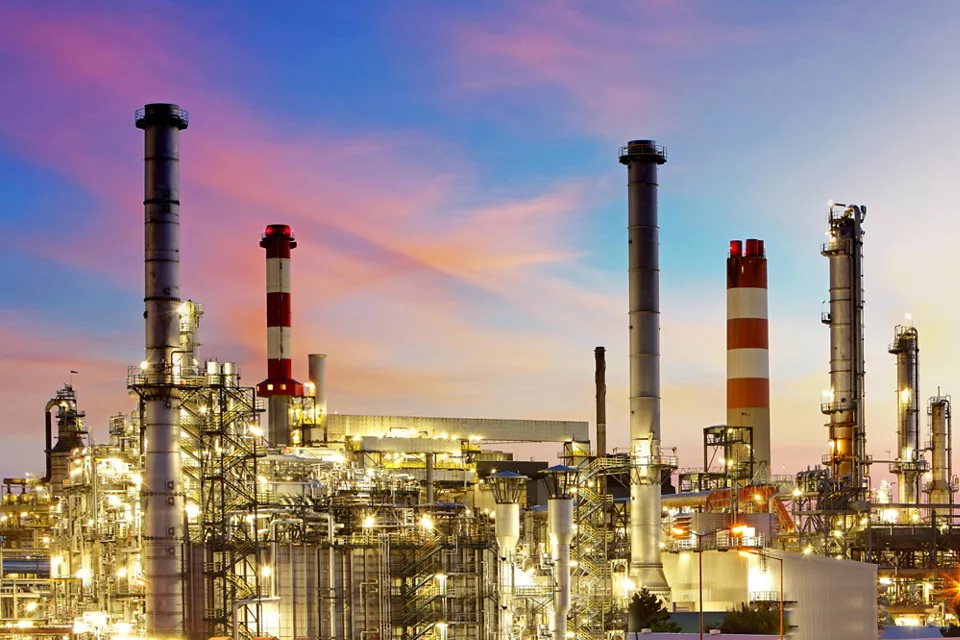
Refineries face intensifying pressure on three fronts simultaneously: maximize yield across complex, interdependent process units, cut energy consumption, and stay ahead of tightening environmental regulations — all without compromising uptime. Emerson's integrated automation, process safety, and advanced control technologies give operators real-time visibility and precise control from crude distillation through conversion, blending, and storage. The result is higher throughput, fewer unplanned outages, and a clearer path to profitable, compliant operations.
Natural Gas Distribution Systems
In natural gas distribution, pressure deviations, undetected leaks, and manual compliance processes translate directly into safety risk, lost revenue, and regulatory exposure. Emerson's pressure regulators, leak detection technologies, and integrated SCADA solutions give operators continuous, real-time control across their entire distribution network — reducing downtime, automating compliance reporting, and ensuring reliable gas delivery at every node.
Solutions for Gas Distribution
Emerson integrates intelligent flow meters, electronic volume correctors, RTUs, and advanced SCADA platforms into a unified operational picture — giving gas utilities the pressure control precision, predictive maintenance capability, and automated compliance reporting needed to runsmarter, safer distribution networks.
Precision Pressure Management and Control for Gas Utilities
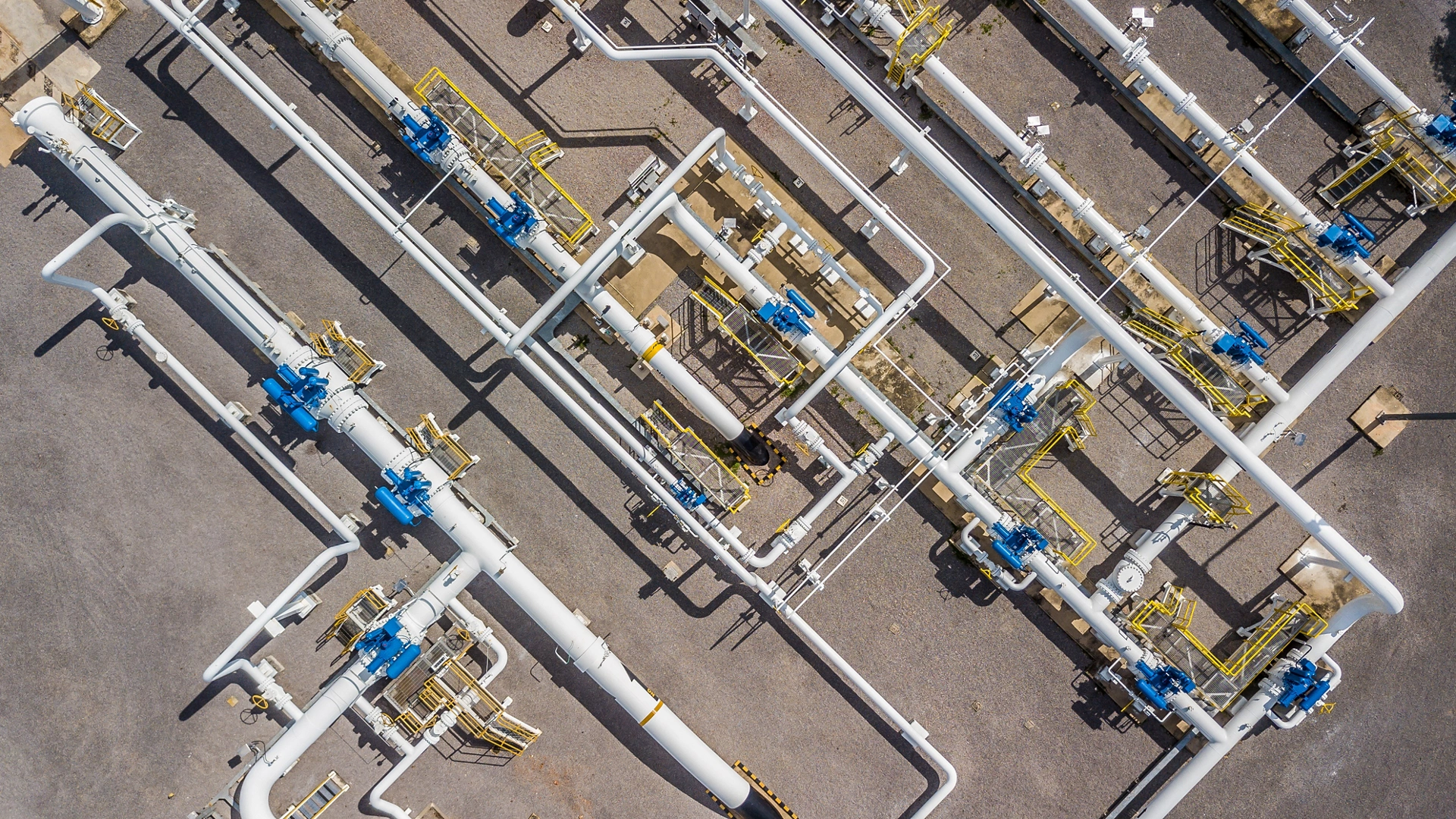
Emerson's pressure regulators, pressure-reducing valves, and slam-shut devices continuously monitor downstream conditions and instantly adjust flow rates to maintain precise pressure set points —eliminating mechanical lag and reducing the risk of over-pressurization. Built-in diagnostic capabilities provide predictive insights into regulator health, shifting maintenance from reactive cycles to planned interventions and keeping distribution networks running at peak performance.
Pressure Reducing Regulators
Fisher™ and Tartarini™ pressure reducing regulators deliver accurate, self-operated pressure control for natural gas, industrial gases, steam, and specialty fluids — meeting rigorous industry standards and reducing pressure variably without an external power source.
Natural Gas Pressure Regulators
Fisher™ and Tartarini™ natural gas regulators maximize system uptime and ensure safe, accurate gas delivery from city gate to residential service — with no-bleed designs that eliminate emissions and Whisper Trim™ noise attenuation technology built in.
Slam-Shut Devices
Fisher™ slam-shut valves provide rapid, total shutoff of gas flow in overpressure or underpressure events — protecting equipment, containing gas to reduce emissions, and delivering ANSI Class VI shutoff performance in standalone or integrated configurations.
Media, Case Studies, & Success Stories
Explore a selection of case studies and media that highlight real-world applications and successes in downstream oil and gas. These examples showcase how technologies are improving efficiency, safety, and reliability across the industry while addressing key challenges such as emissions reduction and operational optimization.

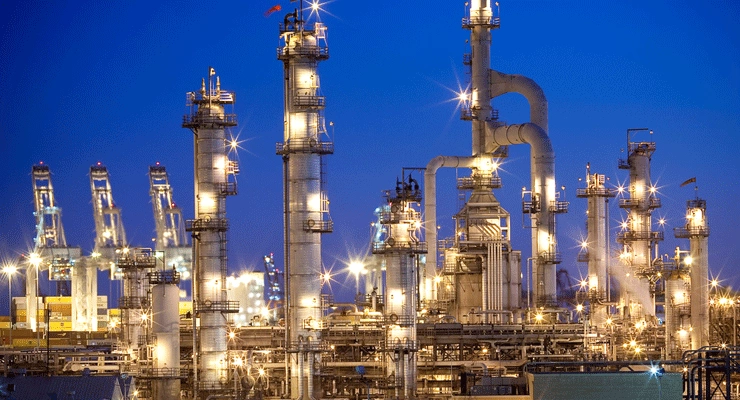
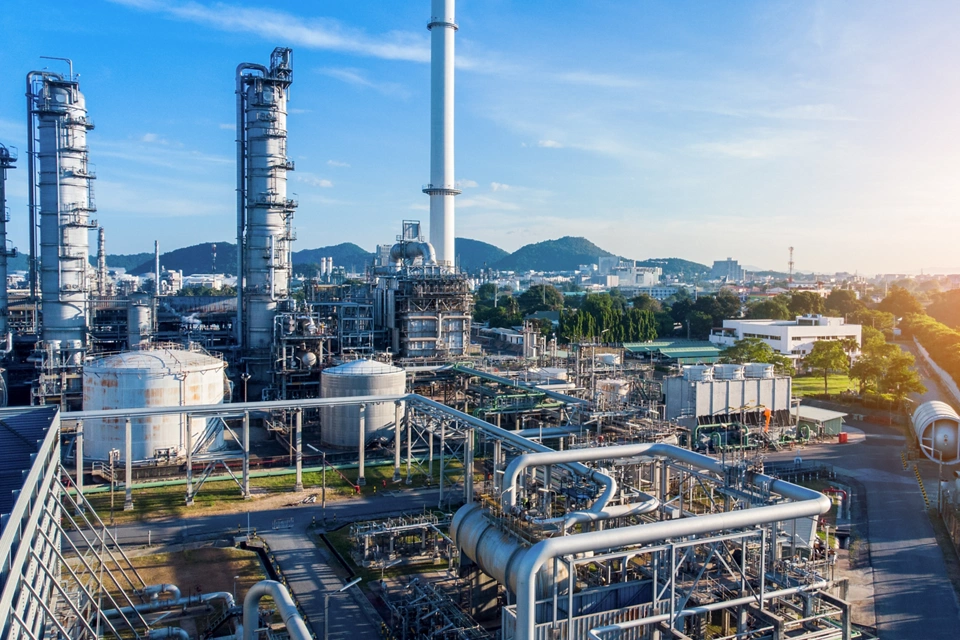
Discover Emerson Technologies for Downstream Excellence
Explore how Emerson's business groups help refiners and petrochemical producers improve efficiency, maximize throughput, enhance safety, reduce energy consumption, and support sustainable operations across complex processing environments.
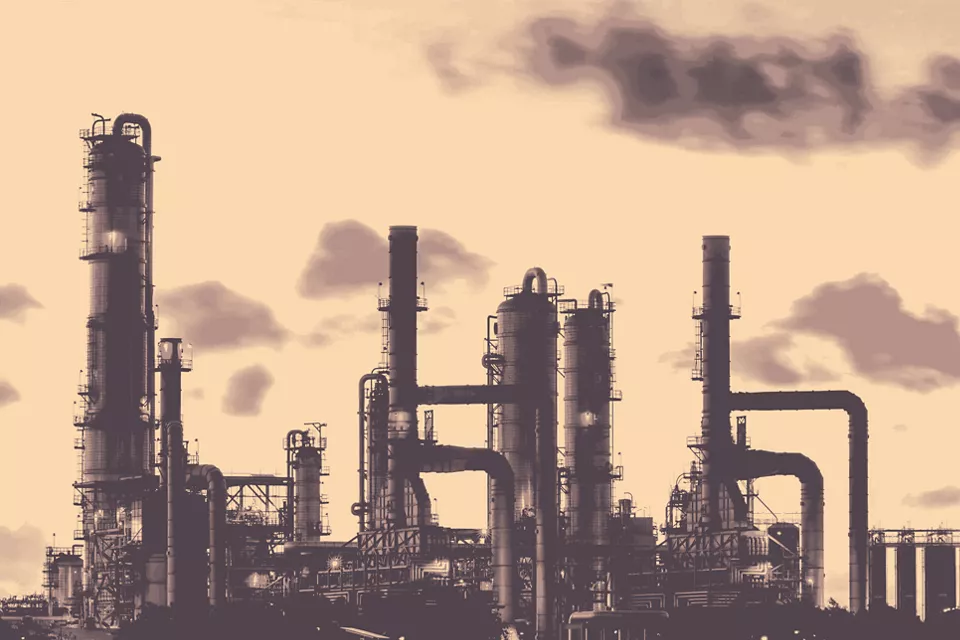
AspenTech
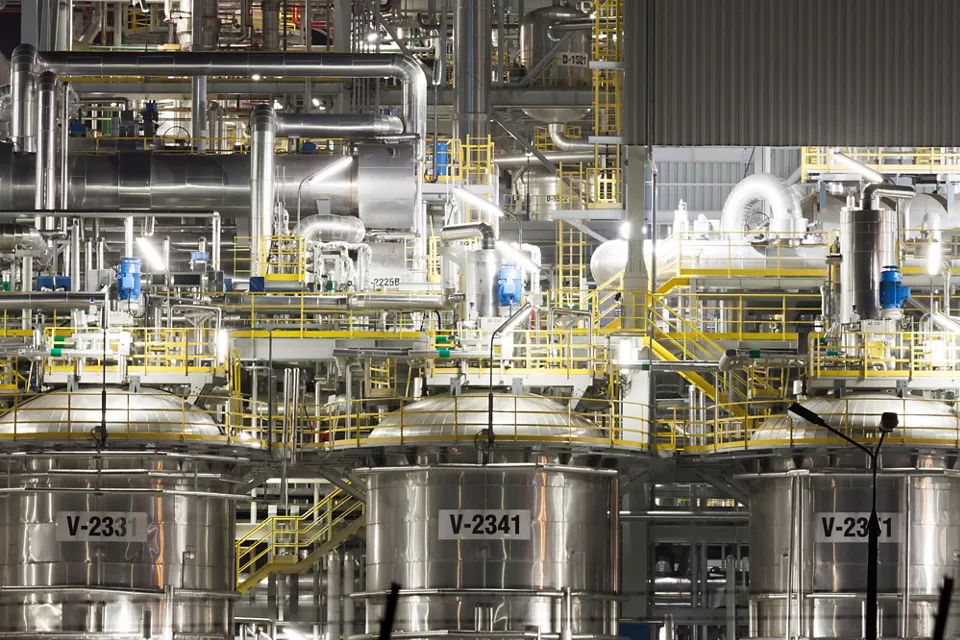
Automation Systems
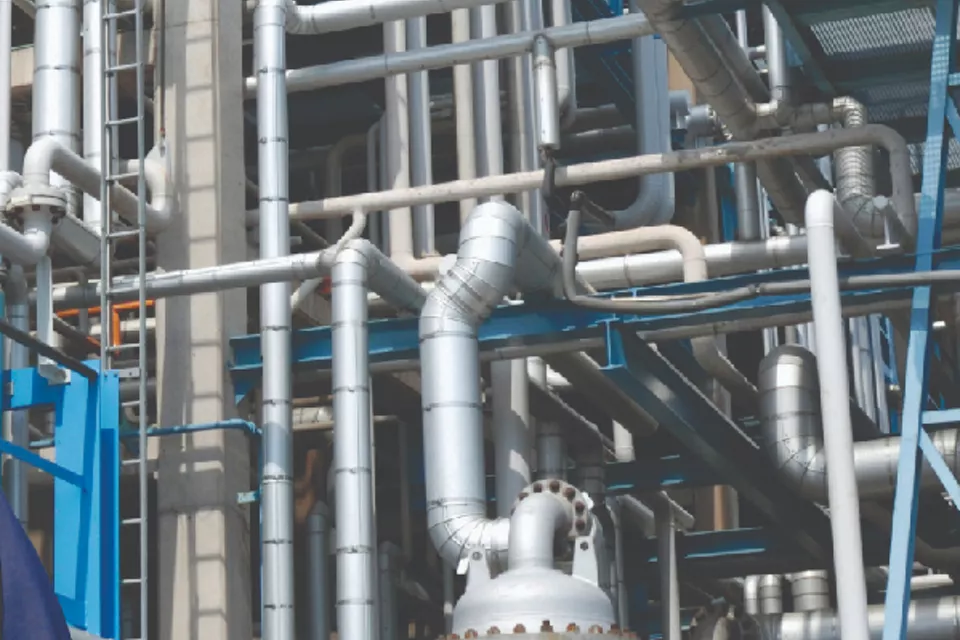
Final Control
Measurement Instrumentation
Frequently Asked Questions (FAQs)
Learn more about how Emerson supports refining, petrochemical processing, and distribution with automation, measurement, and control solutions built for downstream oil and gas.
Natural gas distribution is the final step in the energy value chain, delivering gas from high-pressure transmission pipelines to residential, commercial, and industrial end-users. Ensuring safe, reliable,and efficient distribution is critical for maintaining an uninterrupted energy supply.
Gas utilities must manage complex, large-scale networks with fluctuating demand, aging infrastructure, and variable pressure conditions. Legacy systems often lack real-time responsiveness, increasing the risk of inefficiencies, downtime, and safety issues.
Advanced pressure regulators, control valves, and automated shut-off devices continuously monitor and stabilize gas pressure, responding instantly to changes in demand and preventing unsafe over-pressurization events.
Integrated automation continuously adjusts flow conditions based on downstream requirements, ensuring precise pressure control and stable delivery across the entire distribution network.
By connecting field devices—like flow meters, pressure sensors, and RTUs—to SCADA systems, operators gain real-time, centralized visibility into network performance, flow rates, and pressure conditions.
High-fidelity operational data is combined with advanced analytics to deliver actionable insights, enabling faster responses to demand changes, anomalies, and system performance issues.
Automated shut-off valves and remote isolation capabilities allow operators to quickly isolate affected sections, reducing gas loss, environmental impact, and risk to surrounding communities.
Integrated automation, precise pressure control, and continuous monitoring ensure stable operations and consistent delivery, even under changing demand or environmental conditions.
By digitizing monitoring and reporting processes, operators can streamline audits, reduce administrative burden, and focus on operational performance and safety.