




Advanced Solutions to Boost Productivity and Quality
Optimize your refinery's production, boost profitability, and keep your people and the environment safe.
The downstream refining process is a mission-critical segment of the global oil, gas, and chemical industry, responsible for converting raw hydrocarbons into high-value products. At its core, oil refining transforms crude oil and natural gas into essential outputs such as gasoline, diesel, jet fuel, and petrochemical feedstocks used in plastics, chemicals, and manufacturing. For executives and refinery operators, understanding the end-to-end refining workflow—from distillation and conversion to blending and distribution—is key to optimizing refinery efficiency, maximizing product yield, reducing operational costs, and ensuring environmental compliance. In today’s competitive and highly regulated market, leveraging advanced technologies and digital optimization is critical to maintaining profitability, sustainability, and operational resilience in modern refineries.
How Do You Maximize Yield Across Alkylation, FCC, and Distillation Units?
Emerson's automation and control solutions optimize throughput, stability, and energy efficiency across your most critical conversion units — from Alkylation and Crude Unit to FCC, Hydrocrackers, and Sulfur Recovery — helping refiners maximize yield while reducing energy and operating costs.
Alkylation
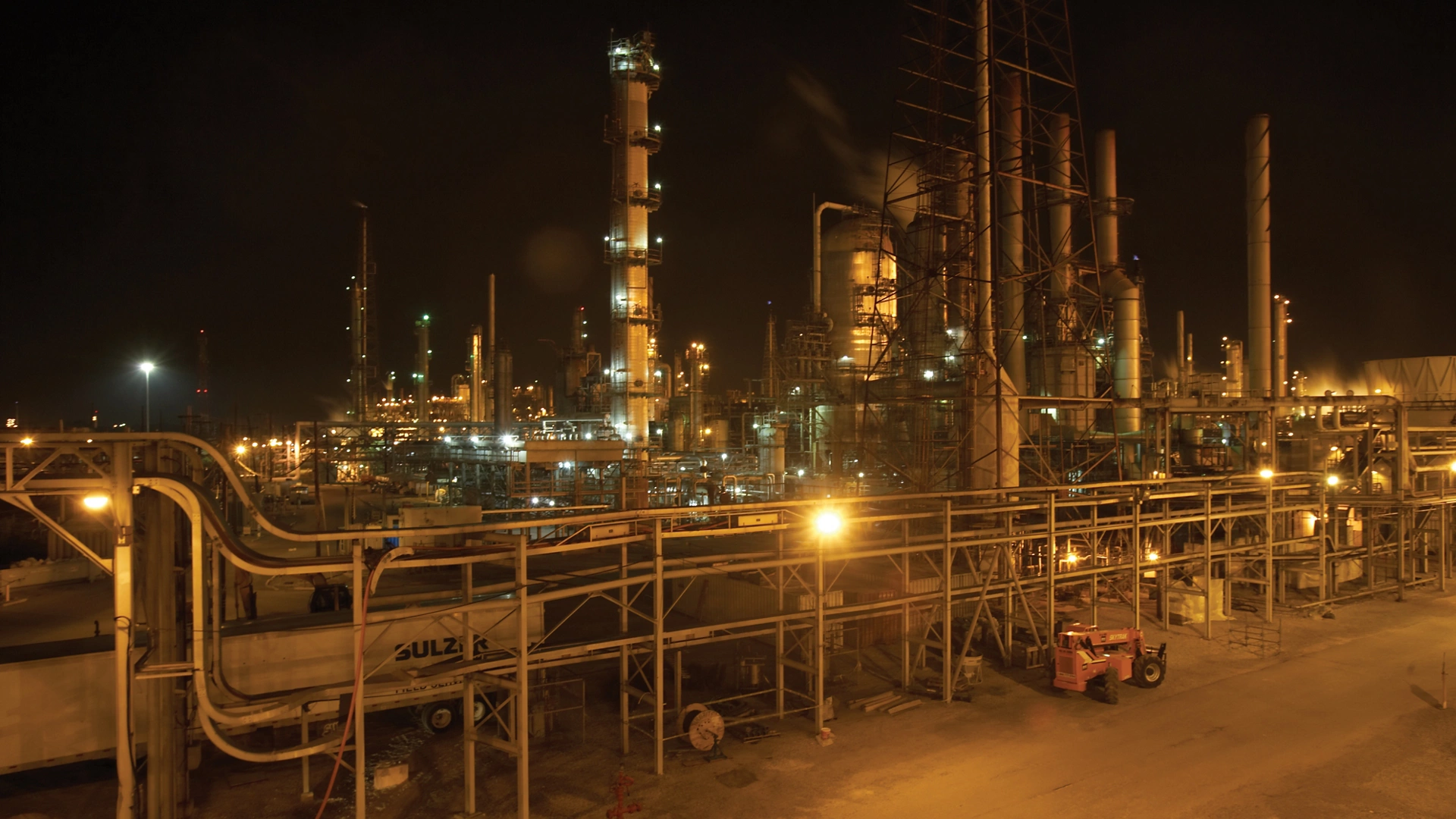
Use advanced analytics and predictive monitoring to detect alkylation unit issues before they escalate into safety, environmental, or operational failures.
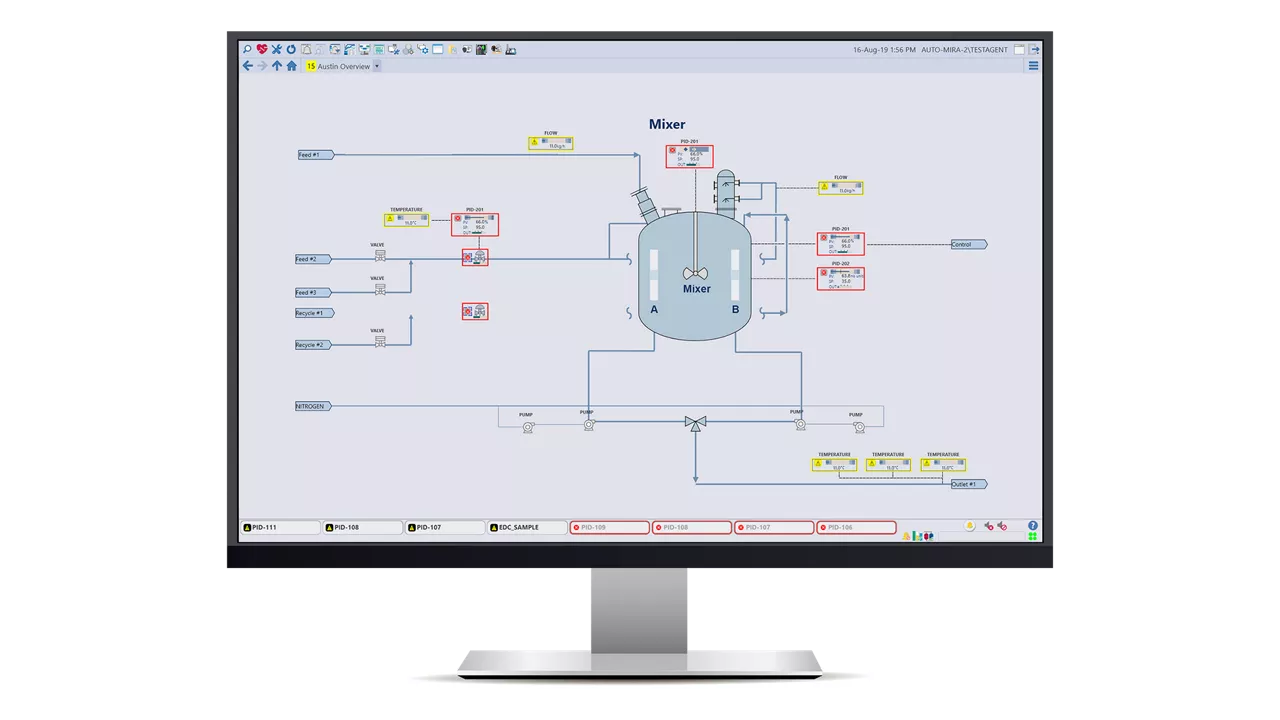
DeltaV™ Distributed Control System
Transform refinery and plant operations with the DeltaV™ distributed control system—an easy-to-use, future-ready automation platform designed to improve performance, reduce project risk, and lower lifecycle costs.
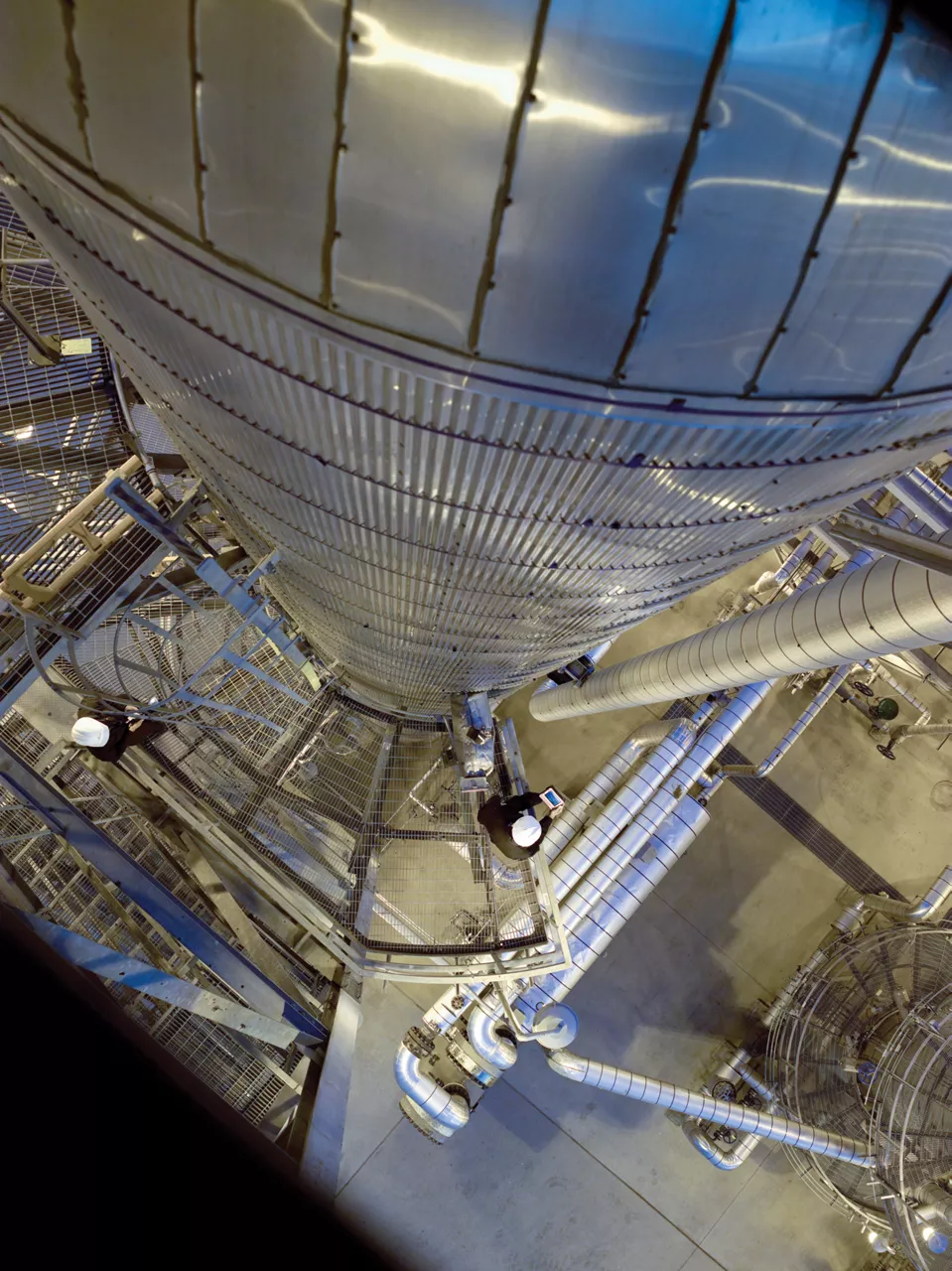
SmartProcess™ Distillation
SmartProcess Distillation is a pre-engineered, modular solution for model predictive control (MPC) of distillation columns using DeltaV's embedded advanced process control (APC) technologies.
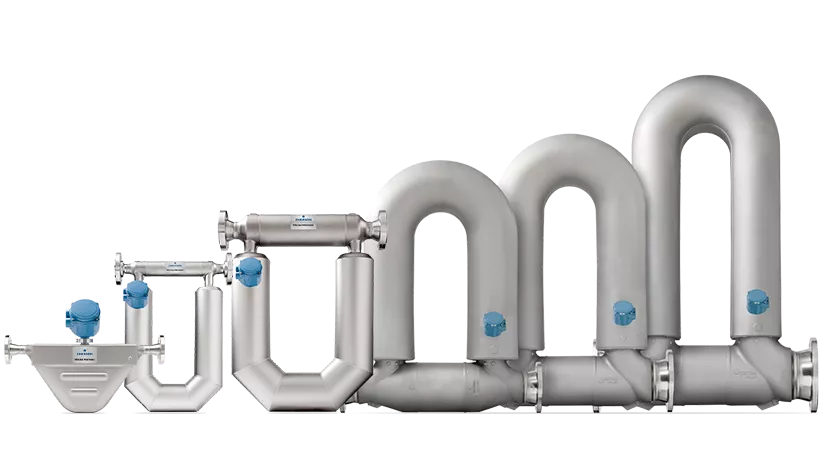
Micro Motion™ Coriolis Mass Flowmeter
Coriolis flow meters operate on motion mechanics: as fluid flows through a vibrating tube, it accelerates toward peak amplitude and decelerates away from it, creating a twisting effect. This twist, measured during each vibration cycle, directly correlates to mass flow rate.
How Do You Cut Unplanned Downtime Across Rotating and Static Assets?
Emerson's predictive analytics, condition monitoring, and advanced control solutions maximize reliability and efficiency across compressors, heat exchangers, fired heaters, pumps, and storage systems — reducing unplanned downtime and extending asset life across your full utility and rotating equipment portfolio.
Air Cooled Heat Exchangers
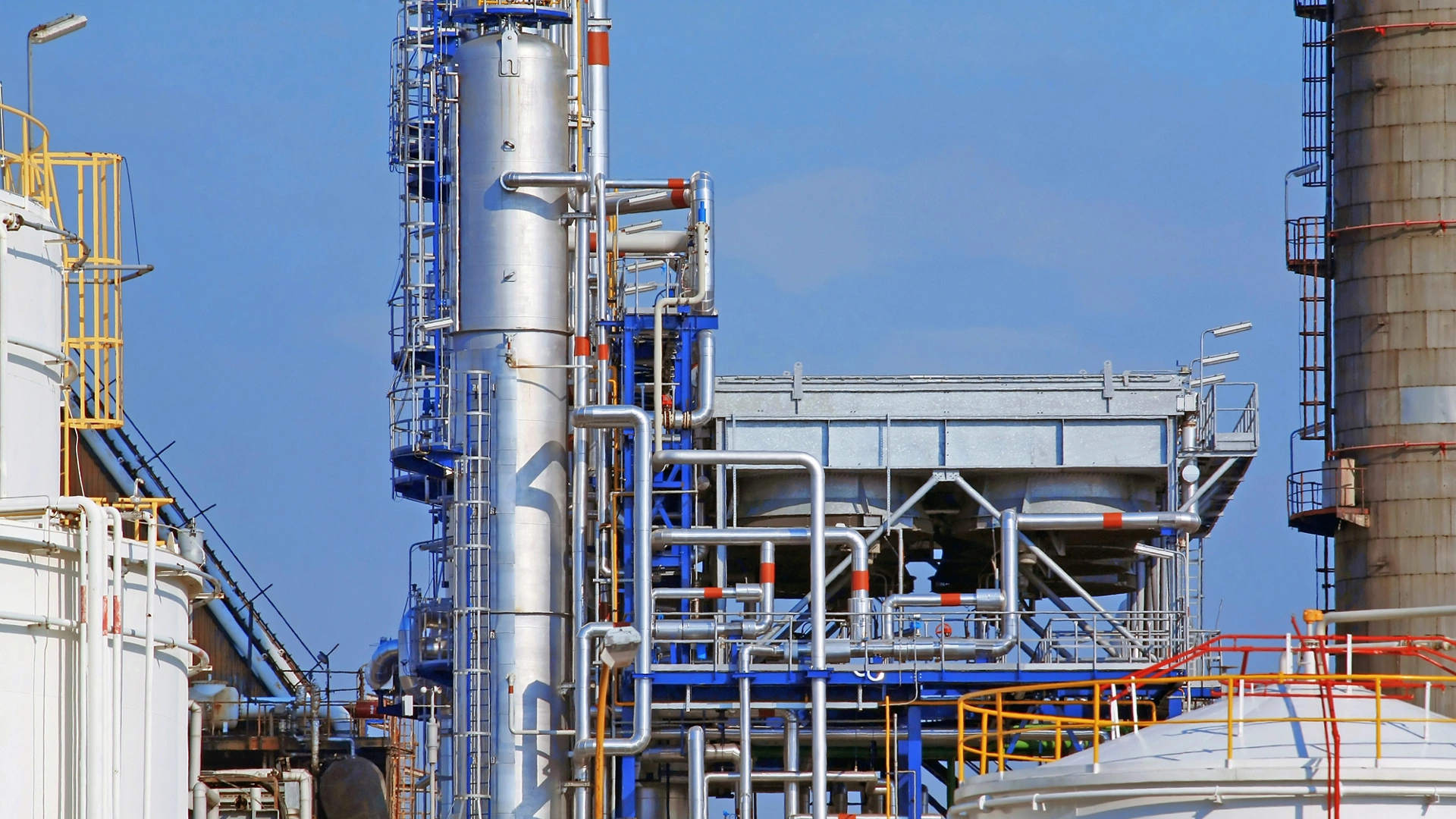
Engineered for fast, fail-safe isolation of critical process segments to protect personnel and equipment in refinery operations.
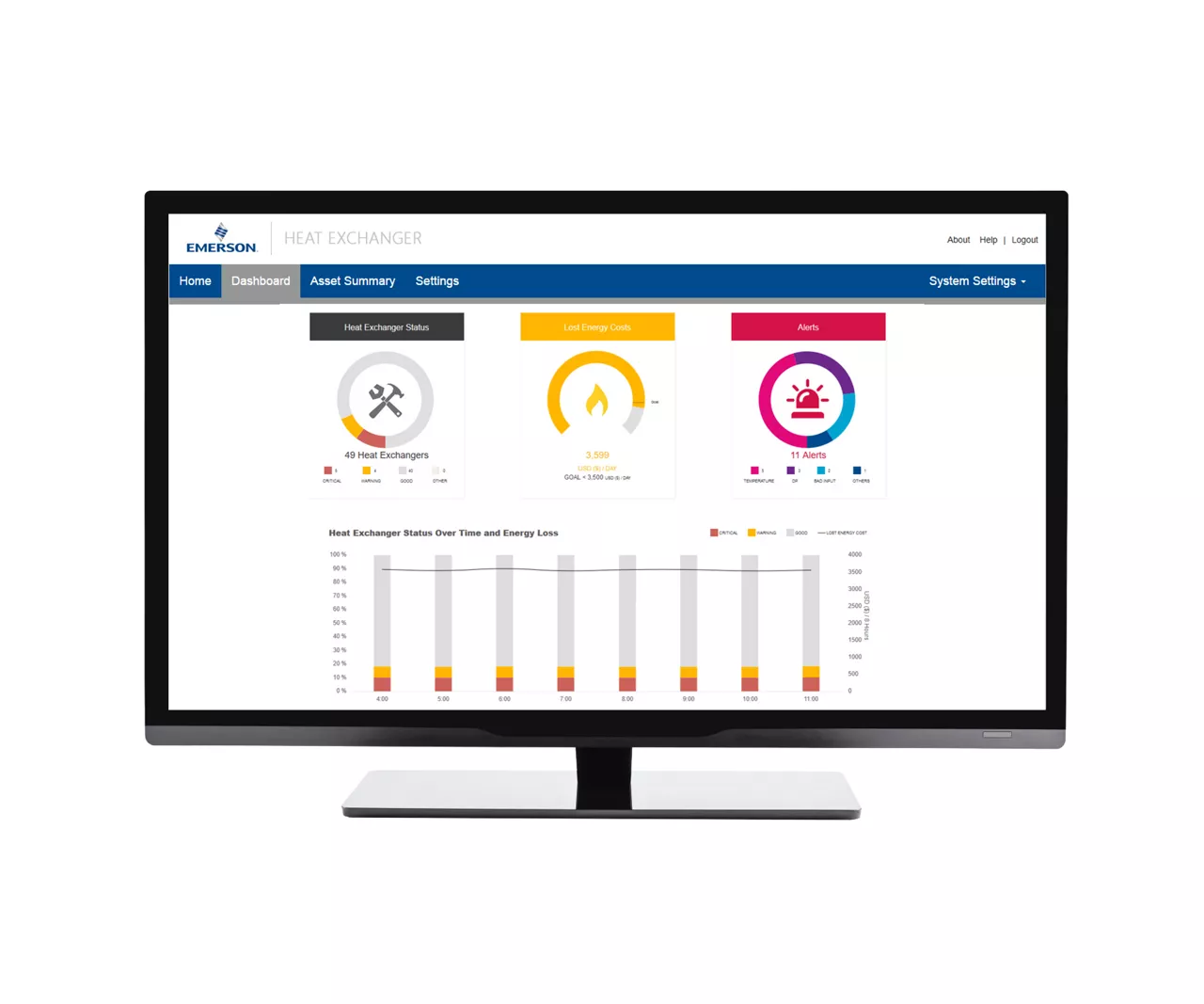
Plantweb™ Health Advisor for Air Cooled Heat Exchangers
Plantweb Health Advisor is a preconfigured application that continuously analyzes both process and asset health data to provide an overall asset health rating (0-100%).

Emerson Wireless 1410 Gateway
Specifically engineered to meet smaller network requirements of remote operations, the Emerson™ Wireless 1410 Gateway also maintains exceptional security and flexibility.
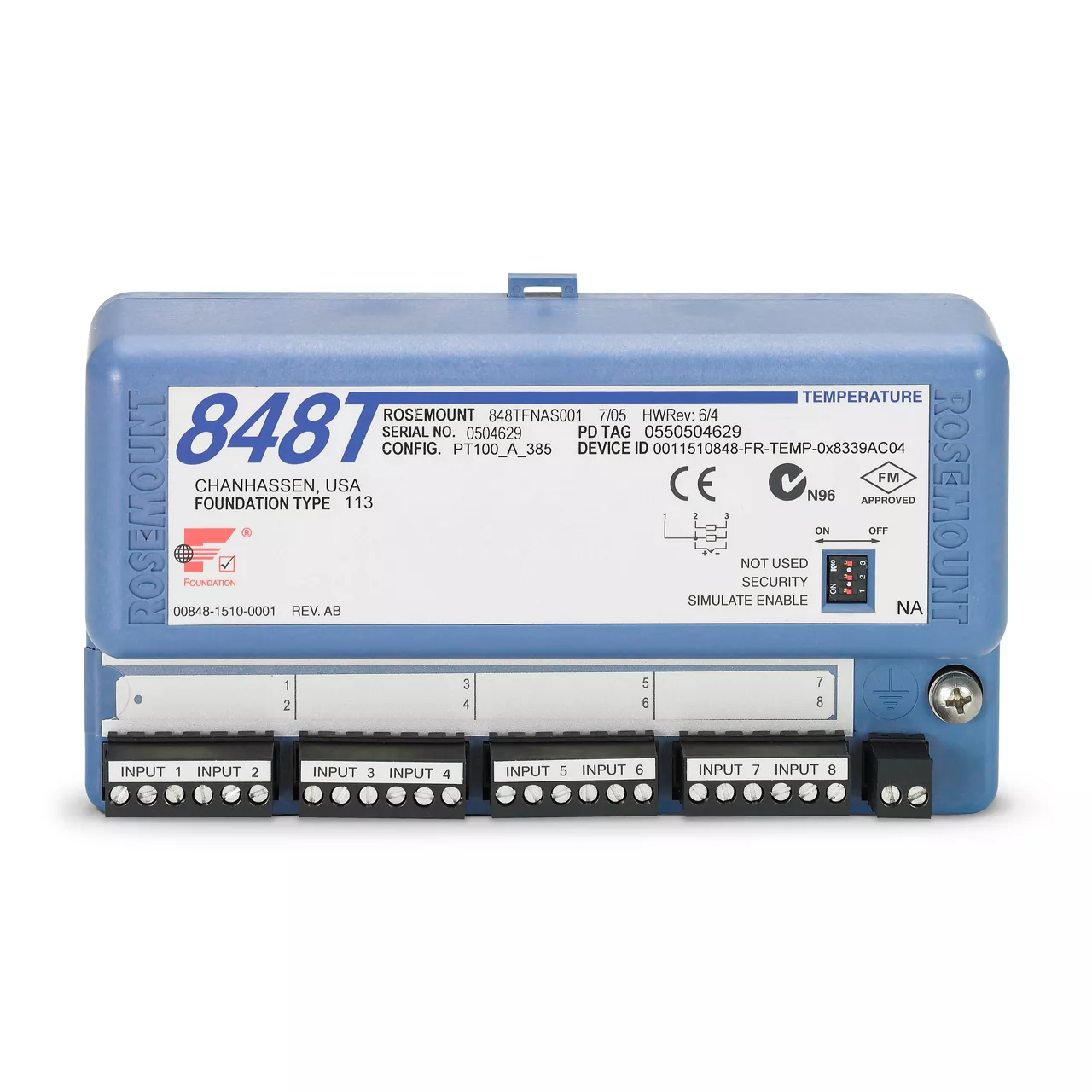
Rosemount™ 848T Wireless Temperature Transmitter
Rosemount 848T Wireless Temperature Transmitter is the premier choice for high density measurements via a WirelessHART® device. This transmitter accepts up to four independently configurable inputs, dramatically reducing your installation and operational costs per point through the use of a smart, reliable and secure wireless network.
Solution-Related Documents in Refining & Petrochemical
Access resources that help refinery engineers and operations leaders improve process performance, reliability, and compliance across downstream hydrocarbon processing.

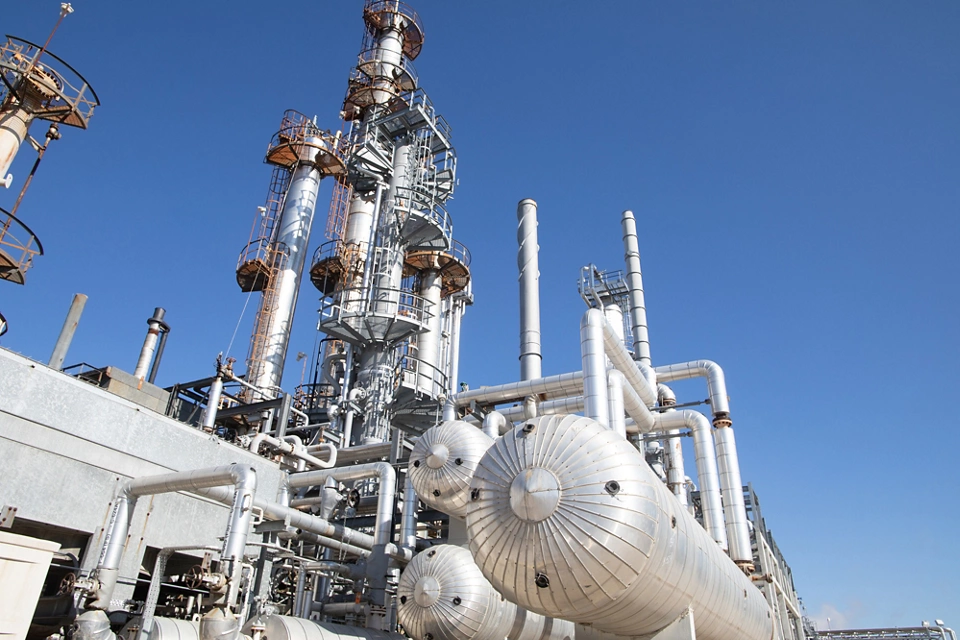

Specialized Capabilities for Refining and Petrochemical Operations
Refinery and petrochemical operations require distributed control systems, advanced process control, precision measurement, and emissions management solutions that work together across complex, interdependent units. Emerson's business groups provide the specific automation, instrumentation, and valve technologies that refinery operators use to maximize yield, sustain compliance, and improve reliability.

Automation Systems
Final Control

Measurement Instrumentation
Frequently Asked Questions (FAQs)
Technical answers for refinery engineers, process control leads, and EHS managers covering emissions monitoring compliance, process instrumentation, corrosion management, and advanced control strategies across crude distillation, conversion units, and utilities.
Advanced process control (APC) improves refinery performance by continuously optimizing key process variables — crude distillation unit throughput, conversion unit yield, and product quality — in real time, operating closer to process constraints than traditional regulatory control allows. APC applications reduce process variability, improve energy efficiency, and increase yield by identifying and responding to disturbances faster than manual intervention. Refineries running APC on crude distillation units and fluid catalytic crackers typically see measurable improvements in margin capture, reduced off-spec production, and lower energy consumption per barrel processed.
Predictive maintenance reduces refinery downtime by using real-time sensor data, vibration monitoring, and asset health analytics to identify equipment degradation before it causes failure. Rather than relying on fixed maintenance intervals, predictive maintenance programs monitor rotating equipment, control valves, and other critical assets continuously, flagging anomalies early enough to schedule repairs during planned shutdowns rather than responding to unplanned failures. Refineries that implement predictive maintenance programs consistently report reductions in unscheduled downtime, lower maintenance costs, and improved overall equipment effectiveness across production units.
Distributed control systems (DCS) improve refinery operations by providing centralized, real-time control and monitoring across all process units — from crude distillation and conversion units to utilities and offsites — through a single integrated platform. A modern DCS enables operators to respond to process disturbances quickly, supports advanced process control applications, and provides the data historians and process analytics tools that engineering teams need to identify optimization opportunities. DCS platforms also play a critical role in safety system integration, alarm management, and regulatory compliance across the refinery.
Wireless sensors improve refinery reliability by extending real-time monitoring to equipment and locations where installing wired instrumentation is cost-prohibitive or impractical — heat exchangers, rotating equipment, storage tanks, and remote process points. Wireless vibration, temperature, and pressure sensors continuously stream asset health data to operations teams, enabling early detection of developing equipment issues without requiring manual rounds or intrusive maintenance. The result is broader asset coverage, faster identification of reliability risks, and more efficient allocation of maintenance resources across the refinery.
Refineries improve energy efficiency through a combination of advanced process control, heat integration optimization, and real-time energy monitoring across fired heaters, distillation columns, and utility systems. APC applications help minimize energy consumption by operating units closer to their optimal set points, while process data analytics identify heat recovery opportunities and inefficiencies in steam and fuel gas systems. Continuous monitoring of key energy performance indicators — fired heater efficiency, steam trap performance, and compressor energy consumption — gives operations teams the visibility needed to sustain efficiency gains over time.
Safety instrumented systems (SIS) are critical in refining because they provide the independent layer of protection required to bring hazardous processes to a safe state when operating conditions exceed defined safety limits. Refineries process flammable, toxic, and high-pressure hydrocarbons across multiple units, making SIS a fundamental requirement for protecting personnel, equipment, and the surrounding community. Safety instrumented systems are designed, validated, and maintained to meet specific Safety Integrity Level (SIL) requirements under IEC 61511, ensuring that each safety function performs reliably when called upon. Independent SIS platforms, separate from the basic process control system, are standard practice in modern refinery design.