

Accelerate Time to Market with Pipeline Technologies


Technology Transfer Could Cut Years Off Drug Development Times
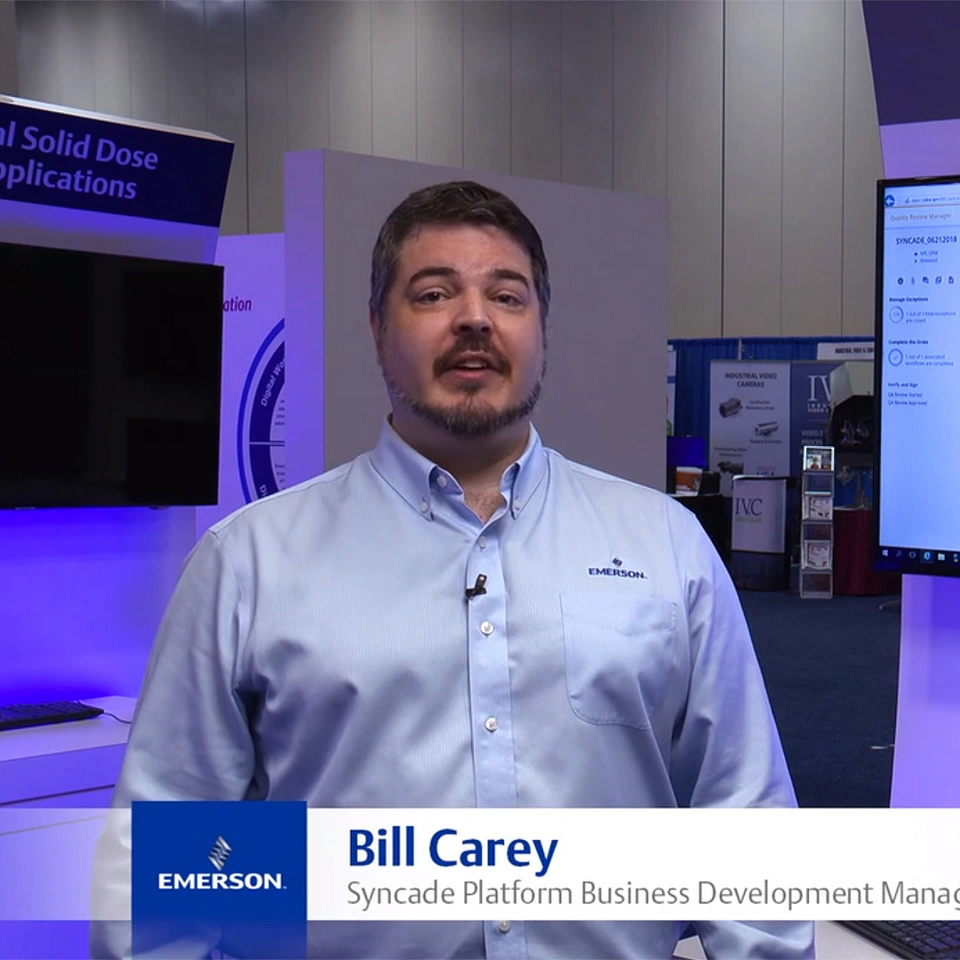
Read how Emerson is establishing a grassroots consortium of key life sciences stakeholders from across the industry to steer the implementation of technology development, so it fits the needs of every operation. This will help digitize the treatment of recipes from drug discovery and development all the way across the pipeline until they are manufactured at scale.
Transform New Product Pipelines with Emerson’s Technologies
Accelerate New Products in the Pipeline with Emerson’s Technologies and Software

The time and effort required to evaluate potential new drugs and determine the manufacturing process and facility fit can slow down new product releases. To accelerate time to market and streamline the pipeline, one-click technology allows you to capture processes and product definitions for quick transfer of manufacturing recipes. This allows you to determine which facility has the closest fit of required capabilities for a new product and determine what facility changes may be required. From simulating processes and capturing research data to recording risks and eliminating manual data with workflow tools, Emerson’s enabling technologies accelerate your pipeline.

Aspen Plus®
Improve performance, quality and time-to-market with simulation software for life sciences processes.
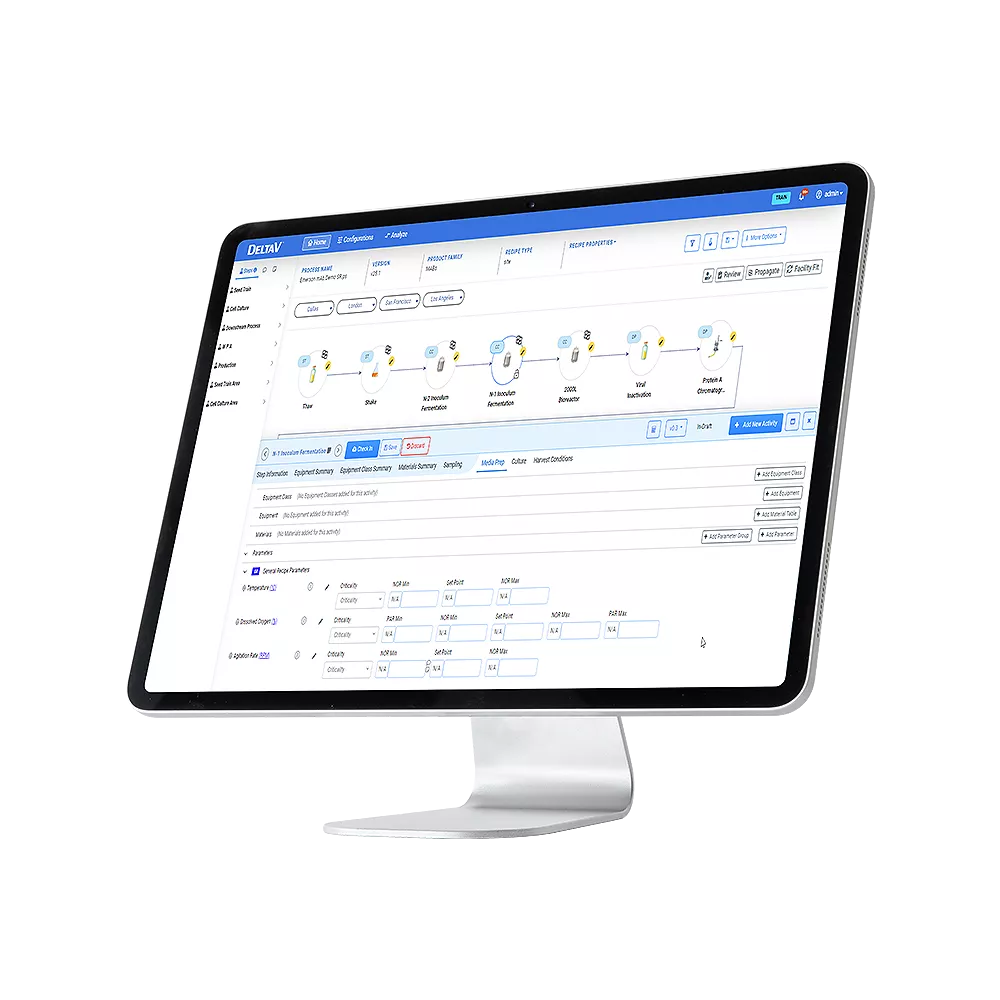
DeltaV™ Process Specification Management
Create a continuum of process knowledge through the entire drug development lifecycle.
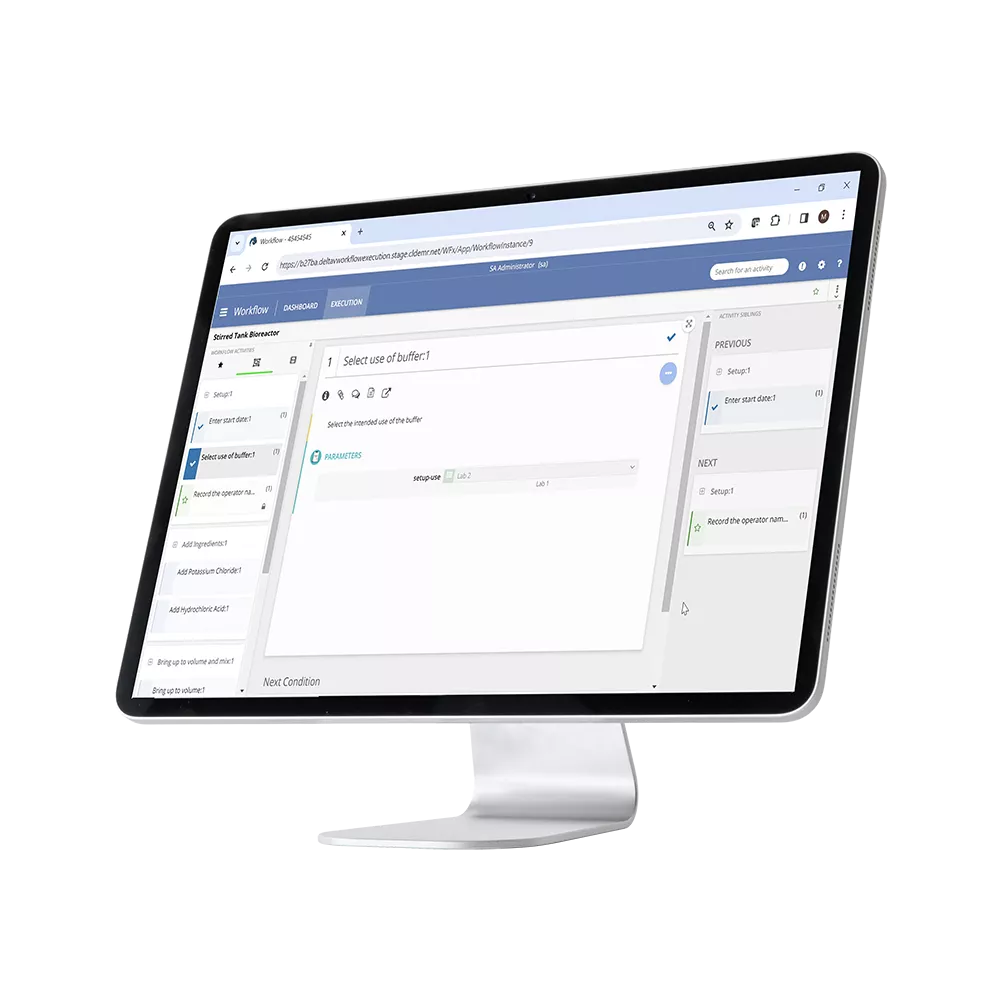
DeltaV Workflow Management (Studio and Execution)
Capture data from process steps and define workflows and manual steps to build an automated master record.
Frequently Asked Questions About Pipeline Acceleration
Getting potential products from the research phase to a licensed commercial manufacturing facility faster is pipeline acceleration.
This involves accelerating a potential new product in the research pipeline as it progresses from the early research stages, through process development, to clinical stages, and finally, to commercial manufacturing. It is critical to bring a new therapeutic to market as quickly as possible. Product definitions are evolving to include process steps, process parameters, important material attributes, and critical quality attributes. As more is learned about the process, this information is actively managed to ensure a successful new drug is launched. Technology transfer speeds up the process of managing the transfer of this information from one organization or facility to another and decreases the chance of error.
Managing and maintaining recipes and formulas is one of the most important processes in the Life Sciences industry. Being able to share research findings from product development through to new product production across the organization enables faster approval and introduction of new therapeutics and can make a big impact on profitability. Digitally closing the gap between drug discovery and production will allow you to transfer recipe parameters and validate recipes faster while minimizing the risk of misinterpreting information or entering data incorrectly. With data available across the lifecycle of a product, learnings about products, platforms, and processes can be shared to optimize the design of new processes, minimize equipment-related process problems, more quickly evaluate deviations in manufacturing based on the history of the product, and reduce the time and effort to manage what has historically been paper or simple file-based solutions.
Explore More Solutions