

Meet Production Schedules for Life Sciences


Control and Intelligent Devices for Improving Production Readiness
Achieve Smooth Product Transition, Ensuring Facility Fit and Configuration
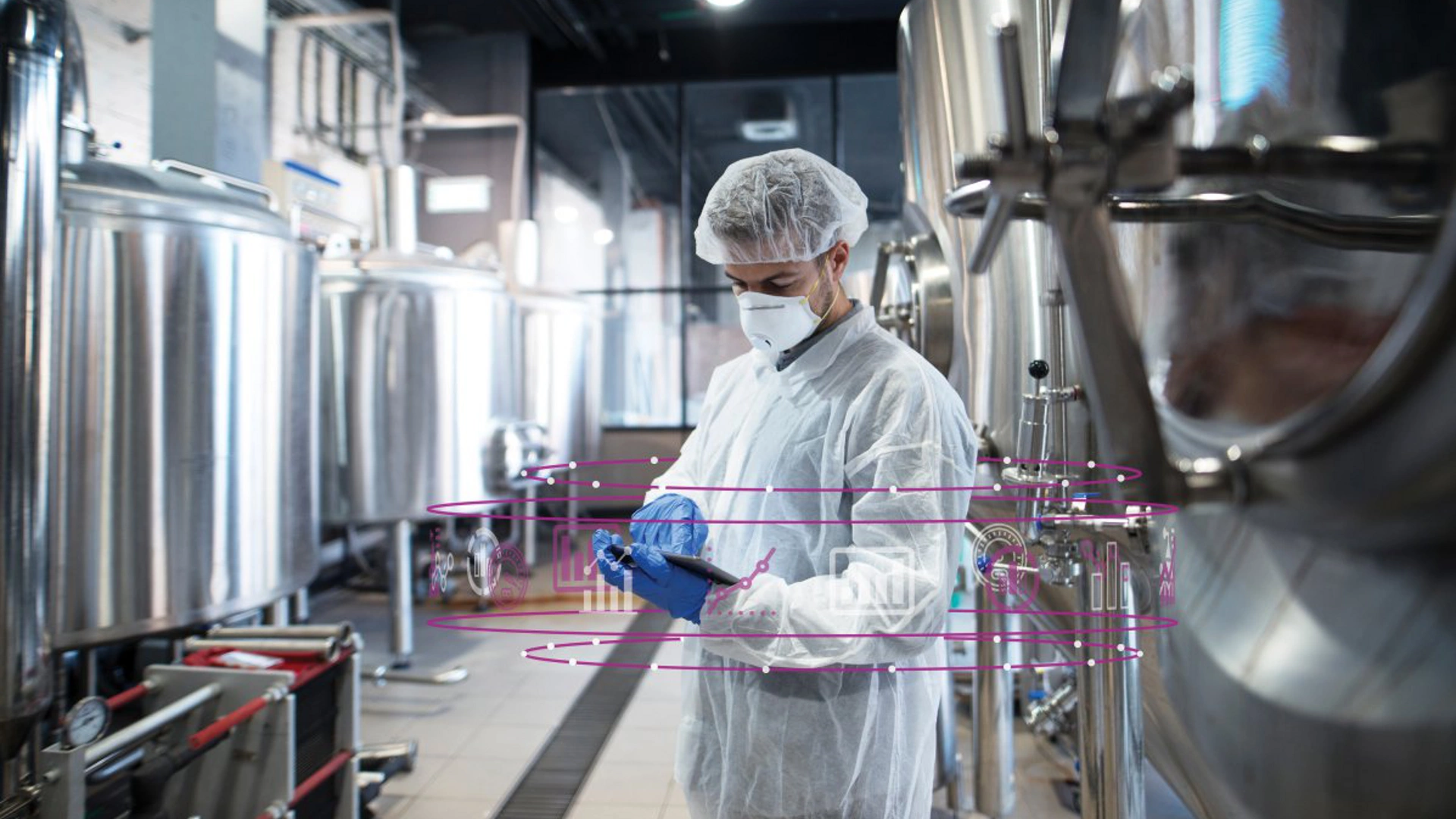
Time spent ensuring facility fit, configuring, testing, and validating automation and information management solutions slows the transition to the next product and minimizes the use of advanced applications. It is important for manufacturers to be flexible enough to accommodate different product types, specifications, and volumes all while maintaining high efficiency and quick changeovers. With the right industrial software, intelligent devices and control strategy, product transitions can be seamless and efficient.
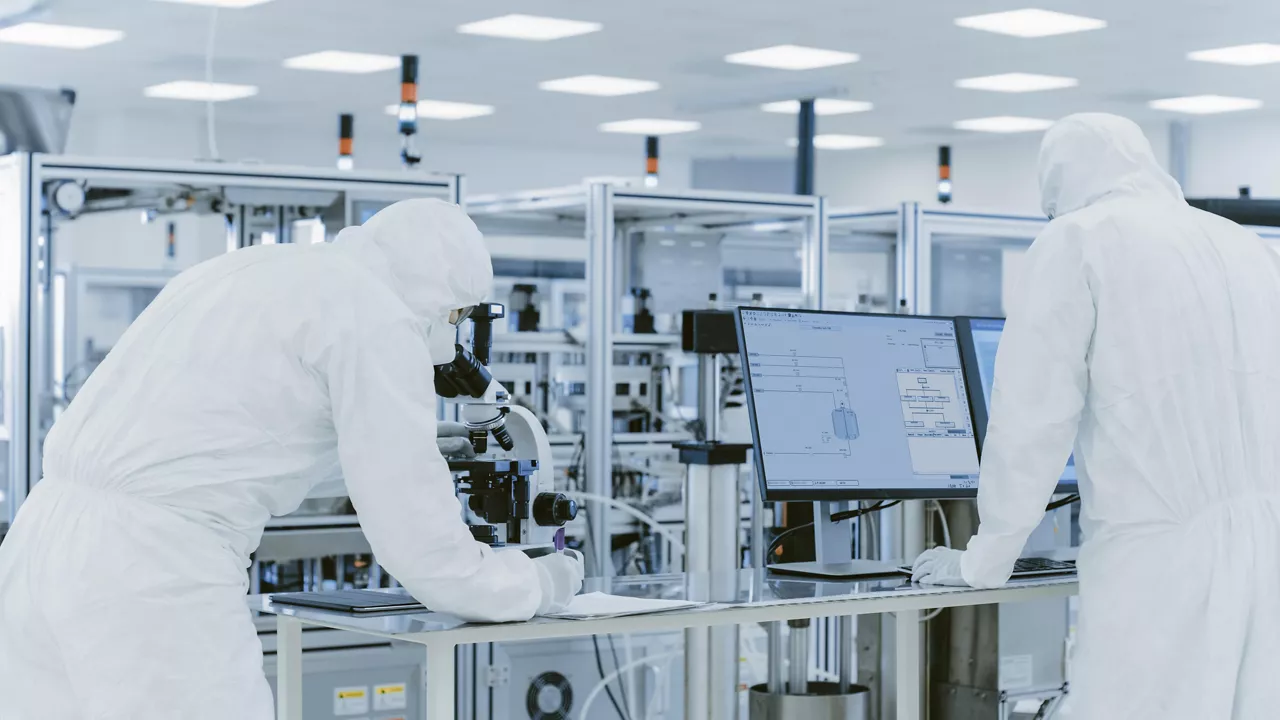
DeltaV™ Systems and Software for Life Sciences
DeltaV technology facilitates easy tech transfer from lab to manufacturing and commercial sales with automation building blocks.
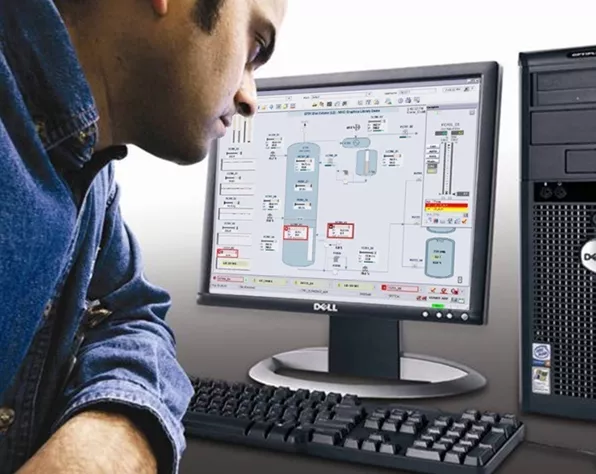
DeltaV™ Simulate
Significantly reduce the manual effort to confirm production operations during commissioning and validation.
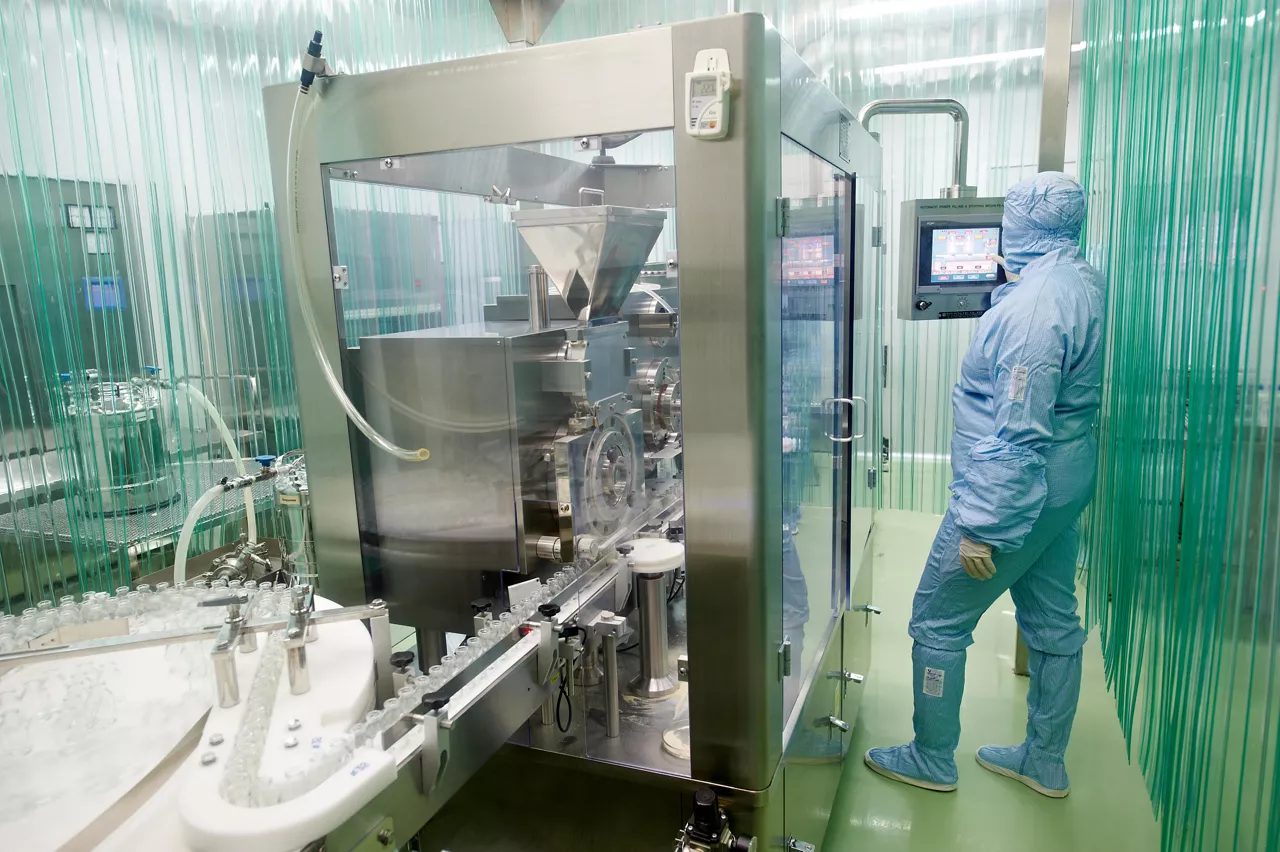
DeltaV™ MES
Accelerate time-to-market and build agility in recipe design for faster, more precise manufacturing.
Frequently Asked Questions About Meeting Production Schedules
When performing changeovers by implementing a new product or switching to a new product, it is important to automate and digitize your operations with advanced production technologies--such as in-line sensing, production simulation, remote monitoring, and real time analytics. Using advanced software models can predict and mitigate quality risks, ensure compliance, and move toward zero deviations. And adding electronic documentation creates a seamless information flow from raw materials supply to production planning and quality control. Lastly, proactive risk management with real-time and predictive equipment monitoring reduces downtime, maximizes throughput, and lowers the cost of changeover.
From applying automation during process development to collecting data with context during manufacturing, software solutions are deployed to optimize control, improve data management, provide real-time product quality information, and lower operating costs. Implementing the right software will ensure production reliability and data integration. Emerson’s DeltaV and Aspentech’s digital solutions improve inventory management, eliminates variability and delivers cost-effective compliance with repeatable production, from design to implementation and startup to on-going optimization.
- Production Scheduling: It is important to operate production as close to design specifications as possible. To do this, it is important to identify the causes of schedule delays or challenges quickly to mitigate any production delays. Any interruption in the availability or quality of raw materials, intermediates or finished products affect performance and profitability. Enterprise software, such as AspenTech Supply Chain Planner™ will maximize profitability across the enterprise by connecting sites with supply chain planning software that considers costs and constraints. DeltaV Real-Time Scheduling, is integrated with production floor, tracking real-time performance adjustments to production based on current status.
- Equipment failures and downtime: If equipment is not maintained properly, it will malfunction or breakdown, causing costly unplanned downtime. Installing instrumentation to monitor the health of process units, combined with predictive maintenance, improves uptime and performance.
- Quality and compliance: Deviations or non-conformance from the established product compromises quality and causes safety issues. It may also cause regulatory noncompliance with governing agencies. With online measurements and quality calculations easily accessible, operators can be instantly alerted to deviations leveraging software such as DeltaV Spectral Process Analytical Technology (PAT).
- Demand unpredictability: Any fluctuation or uncertainty in consumer demand or market conditions affect production planning and scheduling. Being able to adjust quickly to demand with the right DeltaV Real-Time Scheduling™ creates always feasible real-time scheduling and accounts for variability.
- Bottlenecks and capacity constraints: Limitations in production flow or throughput affects the efficiency of production and causes slowdowns. Facility-wide equipment management and integrated workflows ensures organizations can adjust based on real-time data. Emerson’s DeltaV Manufacturing Execution System (MES) effectively manages operations and production goals.
Explore More Solutions